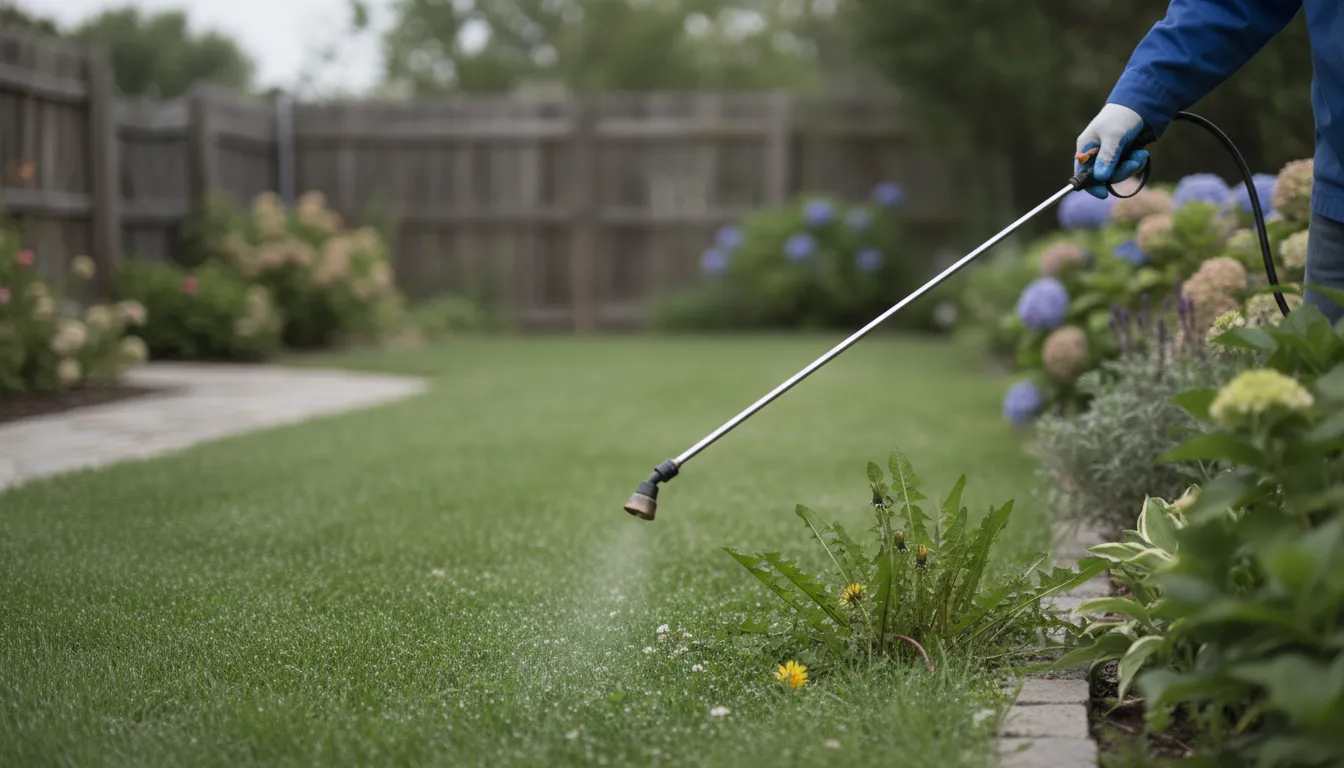
Find the Best Lawn Treatment Companies for Your Business
No obligation • Fast responses • Nationwide coverage

Why you can trust Landscape Atlas
Landscape Atlas is a leading United States resource for evaluating landscaping, lawn care, and outdoor service providers. Our team researches each category in depth, focusing on service quality, safety, and customer experience. Listings and rankings are based on independent criteria and user feedback, and companies cannot pay to influence our assessments or recommendations.
Search providers near you
Best Lawn Treatment Companies in Nevada Ranked
Maintaining a healthy, vibrant lawn in Nevada is a unique challenge that requires a specialized approach. The state's diverse climates, from the high-desert north to the southern Mojave, demand specific fertilization schedules and weed control strategies tailored to your grass type and local conditions. Professional lawn care services provide the expertise and consistent treatments necessary to build soil health, promote deep root growth, and prevent invasive weeds, saving you time and ensuring optimal results. This guide will help you understand the key considerations for Nevada lawns and how to connect with local experts who can develop a customized plan for your property.
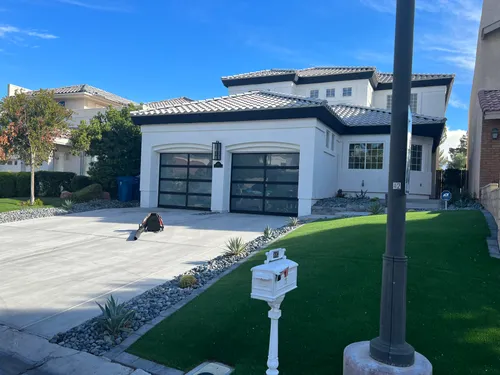
Ugarte Landscapes & Irrigation Repair
208 Estella Ave, Las Vegas, NV 89107
Ugarte Landscapes & Irrigation Repair is a landscaping and irrigation company based in Las Vegas, NV. They offer a full range of services including residential and commercial landscaping, lawn care, tree care, irrigation system installation and repair, and hardscaping. Their expertise includes designing and building outdoor spaces with patios, pathways, and plantings, as well as maintaining landscapes year-round to ensure health and beauty. The company also specializes in irrigation system optimization to conserve water and prevent damage. With years of experience, Ugarte Landscapes & Irrigation Repair serves a variety of property types, from homes to commercial and municipal grounds, providing tailored solutions to meet diverse landscaping needs.
TurFresh
3110 Polaris Ave # 17, Las Vegas, NV 89102
TurFresh is a lawn care company based in Las Vegas, NV, offering lawn fertilization, weed control, sod installation, and artificial turf services. They provide customized service plans tailored to different yard sizes and usage frequencies. Their capabilities include debris removal, decompacting, weed removal, seam repairs, and odor treatment for turf. Customers in Las Vegas can expect consistent results supported by a freshness guarantee.
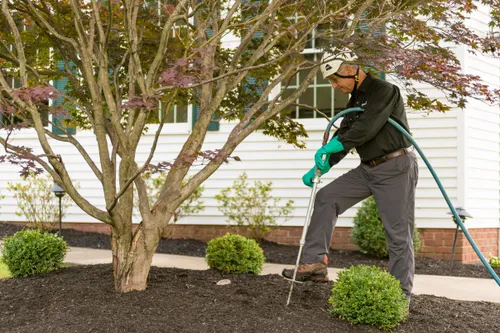
The Davey Tree Expert Company
924 E Colton Ave, North Las Vegas, NV 89030
The Davey Tree Expert Company provides professional tree and lawn care services in North Las Vegas, NV. Their certified arborists offer tree removal, trimming, pruning, planting, fertilization, and comprehensive plant health care tailored to the desert climate and local soil conditions. They also provide lawn fertilization, aeration, and pest control to maintain healthy landscapes. With over 130 years of experience in tree care, Davey emphasizes proactive and preventative solutions to keep greenspaces healthy and resilient. The company serves residential and commercial properties in North Las Vegas and surrounding communities.
Juan Perez Lawn Service
Henderson, NV
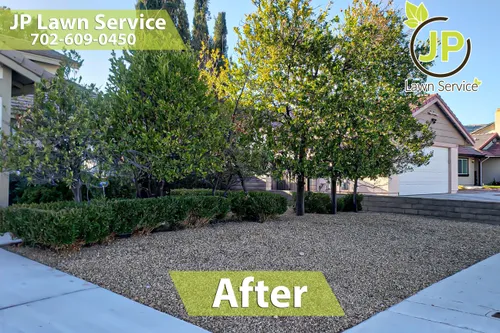
Juan Perez Lawn Service is a family-owned lawn care company serving Henderson, NV, and the Las Vegas area. With over 12 years of experience, they provide a range of services including lawn mowing, fertilization, weed control, tree trimming, stump removal, irrigation repair, and general yard cleanups. Their team offers customized lawn care solutions tailored to the specific needs of each property, focusing on maintaining healthy and attractive outdoor spaces. The company emphasizes honesty and professionalism in their work and aims to build lasting relationships through quality results and open communication.
Progressive Pest Management and Weed Control
911 Linda Wy Suite 106, Sparks, NV 89431
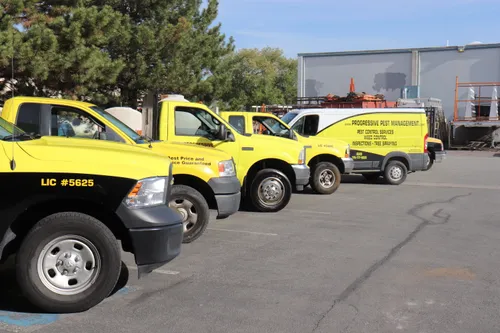
Progressive Pest Management and Weed Control is a pest control and lawn care company based in Reno, NV. They provide services including pest control, termite treatment, weed control, tree treatment, tree removal, and stump grinding. The company serves all of Northern Nevada, covering areas such as Reno, Carson City, Sparks, Fernley, Fallon, Winnemucca, Wells, Battle Mountain, Elko, Lovelock, and Lake Tahoe. Established in 1978, Progressive Pest Management and Weed Control has over forty years of combined staff experience in the industry.
Understanding Nevada's Lawn Care Climate
Nevada is not a one-size-fits-all state for lawn care. Successful fertilization and weed management hinge on recognizing the distinct environmental zones.
- Northern Nevada (Reno, Sparks, Carson City, Lake Tahoe): This region features a high-desert climate with cooler temperatures. Lawns are predominantly composed of cool-season grasses like Kentucky bluegrass, perennial ryegrass, and tall fescue. These grasses grow most actively in the spring and fall and can struggle with the summer heat without proper irrigation and care 1.
- Southern Nevada (Las Vegas, Henderson, Summerlin): Characterized by a hot, arid desert climate, lawns here often feature warm-season grasses such as bermudagrass and zoysiagrass. Some homeowners also use cool-season grasses, but they require significantly more water. Warm-season grasses thrive in the summer heat and go dormant (turn brown) in the winter.
This climatic split is the most critical factor in determining your annual lawn care calendar, from when to apply the first fertilizer to the timing of pre-emergent weed control.
Annual Fertilization Schedule for Nevada Lawns
Adhering to a seasonal schedule is essential for providing your grass with nutrients when it can use them most effectively, promoting resilience and reducing waste.
Northern Nevada (Cool-Season Grasses) Schedule
- Early Spring (Late February - April): Apply the first fertilizer application after the first mowing of the season, using a balanced or light-nitrogen formula. This is also the critical window for applying a pre-emergent herbicide when soil temperatures consistently reach around 55°F to prevent summer annual weeds like crabgrass 2.
- Late Spring (April - June): A second fertilizer application, often with a higher nitrogen content, should follow 6-8 weeks after the first. If needed, a weed-and-feed product can be used for broadleaf weeds that have emerged 3.
- Summer (June - August): Fertilization should be minimal. If the lawn is irrigated, a light application of a slow-release fertilizer in early summer can be beneficial. Avoid fertilizing during periods of peak heat and drought stress.
- Fall (September - November): This is the most important feeding season for cool-season grasses. Apply a nitrogen-rich fertilizer in early September to recover from summer stress and again in late October or November with a "winterizer" formula high in potassium. A fall application of pre-emergent is also crucial to target winter annual weeds like poa annua 4.
Southern Nevada (Warm-Season Grasses) Schedule
- Late Winter / Early Spring (February - March): Apply the first pre-emergent herbicide to prevent summer weeds. Hold off on fertilizing until the grass fully breaks dormancy and begins to green up, typically around late April or May.
- Late Spring (May): Apply the first fertilizer of the season around Memorial Day as growth accelerates. A second application often follows 4-6 weeks later.
- Summer (June - September): This is the peak growing period. Fertilize every 4-8 weeks with a balanced formula. In the intense heat, products with added iron can enhance green color without promoting excessive growth that demands more water.
- Fall (September - November): Apply fertilizer in early September (around Labor Day). The final application in October or November should be a winterizer fertilizer with higher potassium and moderate nitrogen to strengthen roots for winter dormancy 5.
Selecting the Right Fertilizers and Products
Choosing appropriate products ensures effective feeding and minimizes environmental impact, particularly regarding phosphorus runoff into Nevada's watersheds.
Fertilizer Guidelines:
- NPK Ratio: Look for a higher first number (Nitrogen, N) for green, leafy growth. The middle number (Phosphorus, P) should be low or zero unless you are establishing a new lawn from seed or sod, as established lawns rarely need supplemental phosphorus 6.
- Recommended Types:
- General Use: Balanced synthetic blends like a 16-6-8 formula are common for spring and fall applications.
- Organic/Slow-Release: Products like Milorganite (6-4-0) provide gentle, non-burning nutrients over time and are excellent for all seasons 7.
- Winterizer: Formulations higher in potassium (the third number, K), such as 10-0-20, help improve cold and drought tolerance 8.
- Brand Examples: Professional-grade products like Dr. Q's Triple Play or Best Turf Supreme are often used by local services, while Scotts Turf Builder offers widely available seasonal lines 9 10.
Weed Control Strategies:
- Pre-Emergent Herbicides: These form a barrier in the soil to prevent weed seeds from sprouting. Timing is everything. Key active ingredients include Prodiamine (found in Barricade) and Dithiopyr (found in Dimension) 11 12 13.
- Post-Emergent Herbicides: These control weeds that are already visible. For broadleaf weeds (dandelions, clover), look for products containing a combination of active ingredients like 2,4-D, dicamba, and MCPP. These can be found in selective weed killers or "weed & feed" combinations 14 15.
Find the perfect lawn treatment companies for your needs
Get personalized recommendations and expert advice
Professional Services vs. DIY Lawn Care
Homeowners in Nevada typically choose between hiring a professional service or managing lawn care themselves. Each has distinct advantages.
Professional Lawn Care Services: Most companies offer annual programs that include multiple scheduled treatments for fertilization and weed control, providing consistency and expertise. Professionals understand local soil conditions, grass types, and precise application timings. They also have access to commercial-grade products and equipment. For a standard residential lawn in Nevada, annual professional programs for fertilization and weed control typically range from $300 to $60016 17. The cost per application can range from approximately $64 to $385, depending on lawn size, location, and service specifics 18 19.
DIY Lawn Care: The DIY route offers more control and can be less expensive upfront. It requires a significant investment of time and learning to properly calibrate spreaders, apply products evenly, and adhere strictly to the seasonal schedule. The cost for DIY products varies widely; a single bag of fertilizer or herbicide can range from $45 to $75 or more, and multiple products are needed throughout the year 20 21 22. Mistakes in timing or application can lead to poor results, lawn damage, or the need for costly corrective treatments.
Key Considerations for a Healthy Nevada Lawn
Beyond fertilization and weed control, these integrated practices are vital for success:
- Watering Deeply and Infrequently: Encourage deep root systems by watering less often but for longer periods, ideally in the early morning. This is especially critical in Southern Nevada's desert climate 23.
- Mowing High: Keep your mower blade sharp and set to a higher height (2.5-3 inches for cool-season, 1-2 inches for bermudagrass). Taller grass shades the soil, retains moisture, and outcompetes weeds.
- Soil Health: Consider periodic aeration (especially in compacted soils) to improve water and nutrient penetration. A simple soil test can reveal pH imbalances or nutrient deficiencies specific to your yard.
- Right Grass for the Zone: If establishing a new lawn or renovating, select grass varieties recommended for your specific Nevada region to reduce water and maintenance needs.
Frequently asked questions
Sources
Footnotes
-
JoAnne Skelly: Fertilizing the lawn - Nevada Appeal - https://www.nevadaappeal.com/news/2024/mar/27/joanne-skelly-fertilizing-the-lawn/ ↩
-
Northern Nevada backyards and gardens - Carson Now - https://www.carsonnow.org/03/24/2024/northern-nevada-backyards-and-gardens-spring-lawn-fertilizing-around-corner ↩
-
Seasonal Lawn Care Maintenance and Treatment Schedule - https://www.trugreen.com/lawn-care-101/blog/trugreen-lawn-care-services/lawn-maintenance-checklist ↩
-
What's the Best Time to Fertilize a Lawn in Reno's Climate? - https://www.granddesignlandscape.com/when-to-fertilize-lawn/ ↩
-
#820 Lawn Care and Maintenance Calendar - Star Nursery - http://www.starnursery.com/star-notes/820-lawn-care-and-maintenance-calendar/ ↩
-
Use Fertilizers Sparingly on Lawns at Lake Tahoe - https://extension.unr.edu/publication.aspx?PubID=2836 ↩
-
When To Fertilize Lawn: Schedule & Application Rates - Milorganite - https://www.milorganite.com/what-is-milorganite/rates-and-schedule ↩
-
Reno Lawn Fertilization: Expert Secrets for a Lush Lawn - https://www.tailoredlawncarenv.com/blog-post/5-secrets-to-perfect-lawn-fertilization-in-reno-nv-a-local-experts-guide ↩
-
When to Fertilize for a Greener Lawn | ScottsMiracle-Gro US - https://scottsmiraclegro.com/en-us/learn/lawn-care/when-to-fertilize-for-a-greener-lawn.html ↩
-
Nevada Registered Fertilizer Products - https://agri.nv.gov/uploadedfiles/agrinvgov/content/resources/reports/nevada%20registered%20fertilizer%20products.pdf ↩
-
The Andersons Barricade Professional-Grade Granular Pre ... - https://www.amazon.com/The-Andersons-Barricade-Parent/dp/B0911NQXSR ↩
-
The Best Pre-Emergent And Post-Emergent Herbicides For Fall - https://www.horizononline.com/best-pre-emergent-post-emergent-herbicides-fall/ ↩
-
Fall Pre-Emergent Weed Control - https://turfmasterslawncare.com/2021/09/28/fall-pre-emergent-weed-control ↩
-
Controlling Broadleaf Weeds in Home Lawns | Oklahoma State University - https://extension.okstate.edu/county/mcclain/agriculture-pages/controlling-broadleaf-weeds.html ↩
-
How Long Does It Take for a Post-Emergent Weed Control Treatment to Work? - https://www.purplecare.com/blog/how-long-does-it-take-for-a-post-emergent-weed-control-treatment-to-work/ ↩
-
Fertilization and Weed Control: Timing and Application - OneNeighbor - https://www.oneneighbor.com/blog/fertilization-and-weed-control-timing-and-application ↩
-
How much does lawn care service cost? - Green Lawn Fertilizing - https://www.greenlawnfertilizing.com/blog/how-much-does-lawn-care-service-cost ↩
-
Lawn Care Pricing - https://www.joshuatreeexperts.com/lawn-care-pricing ↩
-
Professional Lawn Care - Choosing the Right Lawn Treatment - https://fairwaylawns.com/professional-lawn-care-choosing-the-right-lawn-treatment/ ↩
-
How Much Does Lawn Fertilization Cost in 2026? - https://lawnlove.com/blog/lawn-fertilization-cost/ ↩
-
How Much Does Weed Control Cost in 2026? - LawnStarter - https://www.lawnstarter.com/blog/cost/weed-control-price/ ↩
-
DIY lawn & garden projects for northern Nevada homes (sponsored) - https://thisisreno.com/2020/07/diy-lawn-garden-projects-for-northern-nevada-homes-sponsored/ ↩
-
Desert Landscaping Las Vegas: Ideas & Considerations For Your Outdoor Space - https://www.modernlandscapelasvegas.com/desert-landscaping-las-vegas/ ↩