Find the Best Lawn Treatment Companies for Your Business
No obligation • Fast responses • Nationwide coverage

Why you can trust Landscape Atlas
Landscape Atlas is a leading United States resource for evaluating landscaping, lawn care, and outdoor service providers. Our team researches each category in depth, focusing on service quality, safety, and customer experience. Listings and rankings are based on independent criteria and user feedback, and companies cannot pay to influence our assessments or recommendations.
Search providers near you
Best Lawn Treatment Companies in Indiana Ranked
A healthy, vibrant lawn is a source of pride for Indiana homeowners, but achieving it requires a strategic approach to feeding and protecting your grass. Lawn fertilization provides essential nutrients for growth and resilience, while targeted weed control prevents invasive plants from competing for resources and spoiling your lawn's appearance. This guide explains the core principles of lawn nutrition and weed management for Indiana's climate, helping you understand the seasonal schedule, product options, and professional services available to maintain a thick, green turf.
PMT Lawn & Landscape
Indianapolis, IN
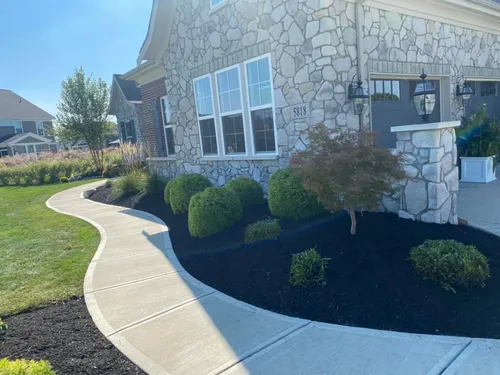
PMT Lawn & Landscape is a landscaping and lawn care company serving Indianapolis, IN, and the greater central Indiana area. Since 2015, they have provided commercial and residential groundskeeping services including mowing, edging, pruning, mulch installation, lawn fertilization, weed control, tree trimming and removal, aeration, overseeding, and snow removal. Their team also offers landscape design and holiday lighting installation. PMT Lawn & Landscape is licensed, bonded, and insured, with expertise in local Indiana conditions and chemical-based lawn treatments.
Total Lawn Care Inc
1421 E Riverside Dr, Indianapolis, IN 46202
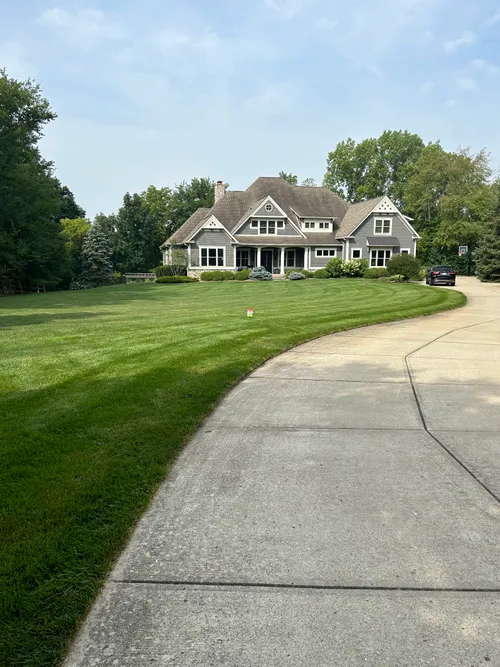
Total Lawn Care Inc is a lawn care company based in Indianapolis, IN. They provide lawn fertilization, weed control, and other lawn care services using a combination of plant-based, eco-friendly, organic bio-products. Their approach focuses on promoting healthy lawns by supporting the natural soil ecosystem with beneficial microorganisms. Total Lawn Care Inc has been serving the Indianapolis area since 1989.
Signature Lawn & TreeMasters
4415 Earth Dr, Fort Wayne, IN 46809
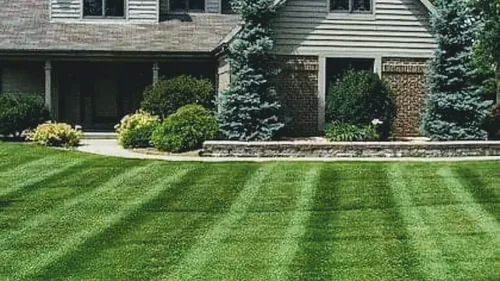
Signature Lawn & TreeMasters is a locally owned lawn and tree care company based in Fort Wayne, IN. They provide a range of services including lawn fertilization, weed control, tree and shrub care, aeration, overseeding, insect and disease management, and perimeter pest control. Their certified arborist offers expert tree trimming and care to maintain healthy and safe trees. With over 100 years of combined experience, they design customized programs to improve the health and appearance of lawns and trees throughout the area.
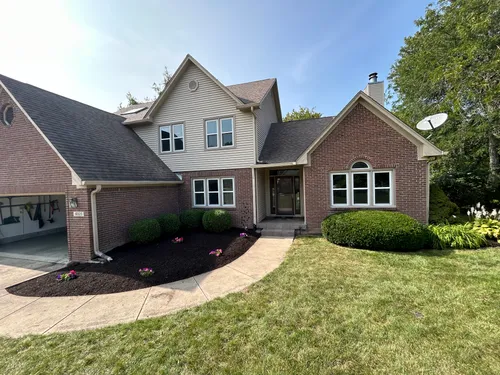
Hoosier Homes Lawn & Landscape LLC
11233 Rockingham Cir, Fishers, IN 46037
Hoosier Homes Lawn & Landscape LLC is a lawn care and landscaping company based in Indianapolis, IN. They offer year-round lawn and landscape services for both residential and commercial properties, including lawn mowing, fertilization, weed and pest control, and creative landscape design. Their weed and pest control service uses safe and effective treatments to protect lawns without harming the environment. Hoosier Homes serves Indianapolis and surrounding areas such as Fishers, Noblesville, Carmel, and more. The company emphasizes transparent communication and reliability in their work.
Rooted Lawn & Landscape
160 W Carmel Dr #217, Carmel, IN 46032
Rooted Lawn & Landscape is a lawn care and landscaping company serving Indianapolis, IN, and surrounding areas. They offer a range of services including lawn mowing, lawn fertilization, weed control, tree and shrub installation and maintenance, stump grinding, and full landscaping solutions. The company emphasizes year-round yard health and uses quality materials and professional equipment to maintain lawns, small business properties, and golf courses. Rooted Lawn & Landscape is locally owned, licensed, and insured, providing service across Carmel, Hamilton County, Meridian Hills, Broad Ripple, and other nearby communities.
Understanding Indiana's Lawn Environment
Indiana's climate presents a distinct set of challenges and opportunities for lawn care. The state falls within the transition zone, meaning it experiences both cold winters and hot, humid summers. This climate is ideal for cool-season grasses, which are the foundation of most healthy lawns in the state 1.
The most common and recommended grasses for Indiana include:
- Turf-Type Tall Fescue: Highly recommended by Purdue University Extension for its deep root system, drought tolerance, and resistance to disease. It's an excellent choice for a durable, low-maintenance lawn.
- Kentucky Bluegrass: Known for its rich color and ability to spread, creating a dense, carpet-like lawn. It requires more consistent moisture and care than tall fescue.
- Perennial Ryegrass: Often used in seed mixes for its quick germination and wear tolerance. It helps fill in lawns rapidly.
These grasses have two primary growth spurts: in the cool weather of spring and, more importantly, in the fall. Your entire fertilization and weed control strategy should be timed to support these natural growth cycles.
The Essential Seasonal Schedule for Indiana Lawns
A proactive, calendar-based approach is far more effective than reacting to problems. For optimal results, most lawns in Indiana benefit from a program of 4 to 7 applications throughout the year 2 3. Here's a breakdown of the key tasks for each season.
Early Spring (March - April)
The goal in early spring is to encourage green-up and stop weeds before they start.
- Fertilization: Apply a balanced, slow-release nitrogen fertilizer to fuel early growth.
- Weed Control: This is the critical window for applying a pre-emergent herbicide. This product creates a barrier in the soil that prevents crabgrass and other annual weed seeds from germinating. Combination "crabgrass preventer with lawn food" products are very popular for this application.
- Tip: Wait until the soil temperature consistently reaches about 55°F, which often coincides with forsythia bushes blooming.
Late Spring (Late April - June)
Focus shifts to maintaining strength and dealing with weeds that have already emerged.
- Fertilization: A second application of slow-release nitrogen helps sustain growth without causing a harmful surge during increasing heat.
- Weed Control: Apply post-emergent herbicides as needed to control visible broadleaf weeds like dandelions, clover, and plantain. Look for products containing a mix of active ingredients like 2,4-D, dicamba, and MCPP for broad-spectrum control 4.
- Tip: Mow regularly at a height of 3-4 inches to encourage deep roots and shade out weed seeds.
Summer (July - August)
Summer is a period of stress management. The primary goal is to help your lawn survive the heat.
- Fertilization: Generally, avoid fertilizing in peak summer heat, especially if your lawn is not irrigated. Fertilizer can burn grass and promote disease. If the lawn is irrigated or you've had a cool, wet summer, a light application of slow-release fertilizer may be beneficial 5 6.
- Weed Control: Spot-treat any persistent weeds, but avoid blanket herbicide applications during extreme heat, as they can damage stressed grass.
- Tip: Practice deep, infrequent watering (about 1 inch per week) to encourage drought-tolerant roots.
Early Fall (September)
This is the single most important season for lawn care in Indiana.
- Fertilization: Apply fertilizer to help the lawn recover from summer stress. The cool temperatures and ample moisture trigger vigorous growth, allowing the grass to build strong roots and store energy.
- Weed Control: Apply a broadleaf weed killer if needed. Weeds are actively moving nutrients to their roots in the fall, making them more susceptible to herbicide absorption.
- Tip: This is also the ideal time for overseeding thin areas and core aeration to relieve soil compaction.
Late Fall (October - November)
The goal of the late fall application is winter preparation.
- Fertilization: Apply a final "winterizer" fertilizer. This is typically a quick-release, high-nitrogen product applied after the last mow but while the grass is still green. It doesn't cause top growth but is stored in the roots, providing a nutrient reserve for a healthier green-up next spring 7 8.
- Weed Control: Some professionals apply a final round of broadleaf weed control in late fall for persistent perennials.
Find the perfect lawn treatment companies for your needs
Get personalized recommendations and expert advice
Choosing the Right Products: Fertilizer and Herbicide Options
Navigating the garden center aisle can be overwhelming. Understanding product types and their purposes will help you make an informed choice, whether you're tackling the job yourself or evaluating a professional's plan.
Fertilizer Basics
The three numbers on a fertilizer bag (e.g., 24-0-6) represent the percentage by weight of Nitrogen (N), Phosphorus (P), and Potassium (K).
- Nitrogen (N): The most important nutrient for green color and leaf growth. Look for products with a significant portion of slow-release nitrogen, which feeds the lawn gradually over 6-8 weeks for steady growth without burnout 9.
- Phosphorus (P): Promotes root development and seed germination. Most established Indiana lawns have sufficient phosphorus, so a "0" in the middle is often acceptable unless a soil test indicates a deficiency.
- Potassium (K): Aids in overall plant health, disease resistance, and stress tolerance (like drought and cold).
Herbicide Types
- Pre-emergent: Applied before weed seeds germinate. Critical for crabgrass prevention. Examples include products containing prodiamine or dithiopyr.
- Post-emergent: Applied to kill existing weeds. Selective herbicides target specific plants (like broadleaf weeds) without harming grass. Non-selective herbicides (like glyphosate) kill any plant they touch.
Popular Combination Products
Many homeowners use combination "weed and feed" products for convenience. These can be effective when applied at the correct time for both the fertilizer and herbicide components.
- Crabgrass Preventer + Lawn Food: Ideal for early spring. Examples include Scotts Turf Builder Halts Crabgrass Preventer with Lawn Food (30-0-4) or GreenView Fairway Formula Spring Fertilizer Weed & Feed Crabgrass Preventer (24-0-6) 10 11.
- Broadleaf Weed Control + Fertilizer: Used in late spring or fall to feed the lawn while eliminating weeds like dandelions. BioAdvanced 5-In-1 Weed & Feed is a common example 12.
Professional Services vs. DIY Lawn Care
You have two main paths for lawn fertilization and weed control: hiring a professional service or managing it yourself. Each has its own set of advantages and considerations.
The Professional Service Approach
Professional lawn care companies offer customized programs based on your lawn's size, grass type, and specific challenges.
- Benefits: Expertise in timing and product selection, consistent results, time savings, and access to commercial-grade products and equipment not available to consumers.
- Typical Program: Most companies offer an annual package consisting of 5-7 scheduled visits, covering pre-emergent, fertilizer, and post-emergent weed control applications.
- Cost: Pricing is influenced by lawn size, condition, and service frequency. For a typical quarter-acre residential lawn in Indiana, a comprehensive annual fertilization and weed control package typically ranges from $300 to $700 13. Individual applications for just fertilization or weed control can range from $40 to $150 per visit 14 15 16.
The DIY Approach
Managing your own lawn care can be more cost-effective and offers full control over every product applied.
- Benefits: Lower upfront cost per application, flexibility in timing, and the satisfaction of hands-on care.
- Considerations: Requires knowledge of product selection, proper application techniques (including calibration of spreaders), safe storage of chemicals, and a significant time investment.
- Cost: A bag of consumer-grade "weed and feed" or fertilizer covering 5,000-15,000 square feet typically costs between $20 and $45 17 18. You must also factor in the cost of a broadcast spreader, sprayer, and personal protective equipment.
Making the Decision
Choose DIY if you enjoy lawn care as a hobby, have a smaller lawn, and are willing to learn about products and timing. Opt for a professional service if you have a large or complex property, value your time highly, want guaranteed results, or are dealing with persistent weed or disease issues.
Key Factors for Success Beyond Products
Even the best fertilizer and herbicide program can fail without proper foundational practices.
- Soil Testing: Conduct a soil test every 2-3 years through Purdue Extension. It reveals your soil's pH and nutrient levels, allowing you to apply only what your lawn needs, saving money and preventing nutrient runoff.
- Proper Mowing: Never cut more than one-third of the grass blade at a time. Keep your mower blades sharp. For cool-season grasses in Indiana, a mowing height of 3-4 inches is ideal for promoting deep roots and shading out weeds.
- Smart Watering: Water deeply and infrequently to encourage drought-resistant roots. Aim for about 1 inch of water per week, including rainfall. Early morning watering is best to reduce evaporation and fungal disease.
- Aeration: Core aeration (pulling small plugs of soil from the lawn) relieves compaction, improves water and nutrient penetration, and enhances root growth. Fall is the best time to aerate in Indiana.
Frequently asked questions
Sources
Footnotes
-
The Best Grass Seed for Indiana Lawns - LawnStarter - https://www.lawnstarter.com/blog/indiana/best-grass-seed-indiana/ ↩
-
The Essential Indiana Lawn Care Schedule - https://www.shadesofgreenlawncare.com/blog/essential-indiana-lawn-care-schedule ↩
-
When Is the Best Time to Fertilize Your Lawn in Indiana? - http://www.blueducklawncare.com/blog/when-is-the-best-time-to-fertilize-your-lawn-in-indiana/ ↩
-
Google's Shopping Data - https://blog.google/products/shopping/shopping-graph-explained/ ↩
-
Guide to Lawn Maintenance for Indiana - RLM, Inc. - https://www.rlminc.com/blog/indiana-lawn-care/ ↩
-
How Many Spring Fertilizer Treatments Does Your Lawn in Indiana ... - https://proscapepm.com/blog/how-many-spring-fertilizer-treatments-does-your-lawn-in-indiana-need/ ↩
-
Month-to-Month Indiana Lawn Care Schedule - Lawn Love - https://lawnlove.com/blog/indiana-lawn-care-schedule/ ↩
-
How and When to Plant Grass Seed in Indiana - Lawn Love - https://lawnlove.com/blog/when-to-plant-grass-seed-indiana/ ↩
-
Choosing Lawn Fertilizer & Weed Control for a Midwest Yard - https://suncolawns.com/lawn-fertilizer-and-weed-control/ ↩
-
Maintenance Calendar for Indiana Lawns - Purdue Extension - https://www.extension.purdue.edu/extmedia/ay/ay-27-w.pdf ↩
-
Scotts Turf Builder 30-0-4 Halts Crabgrass Preventer with Lawn Food - 5000 sq. ft. - https://www.grangecoop.com/scotts-turf-builder-30-0-4-halts-crabgrass-preventer-with-lawn-food-5000-sq-ft/ ↩
-
The Best Weed and Feed Product - Tested by Bob Vila - https://www.bobvila.com/articles/best-weed-and-feed/ ↩
-
Affordable Lawn Care: Weed Control & Fertilization In Indy - https://wewatergrass.com/cost-guide-weed-control-and-fertilization-services-in-indianapolis/ ↩
-
Find the Best Lawn Fertilizer Program for You - https://lawnpride.com/find-the-best-lawn-fertilizer-program-for-you/ ↩
-
How Much Does Lawn Weed Control Cost in 2025? - https://lawnlove.com/blog/weed-control-cost/ ↩
-
How Much Does Lawn Fertilization Cost in 2026? - Lawn Love - https://lawnlove.com/blog/lawn-fertilization-cost/ ↩
-
How Much is Lawn Care Near Me? A Guide to Lawn Care ... - https://www.rootedlawnandlandscape.com/blog/how-much-is-lawn-care-a-guide-to-lawn-care-costs-in-carmel/ ↩
-
Lawn Care in Indianapolis, IN from $55 | 6,000+ 5-Star Reviews - https://www.getsunday.com/local-guide/lawn-care-in-indianapolis-in ↩