Find the Best Lawn Treatment Companies for Your Business
No obligation • Fast responses • Nationwide coverage

Why you can trust Landscape Atlas
Landscape Atlas is a leading United States resource for evaluating landscaping, lawn care, and outdoor service providers. Our team researches each category in depth, focusing on service quality, safety, and customer experience. Listings and rankings are based on independent criteria and user feedback, and companies cannot pay to influence our assessments or recommendations.
Search providers near you
Top Lawn Treatment Companies in Indianapolis, Indiana Ranked
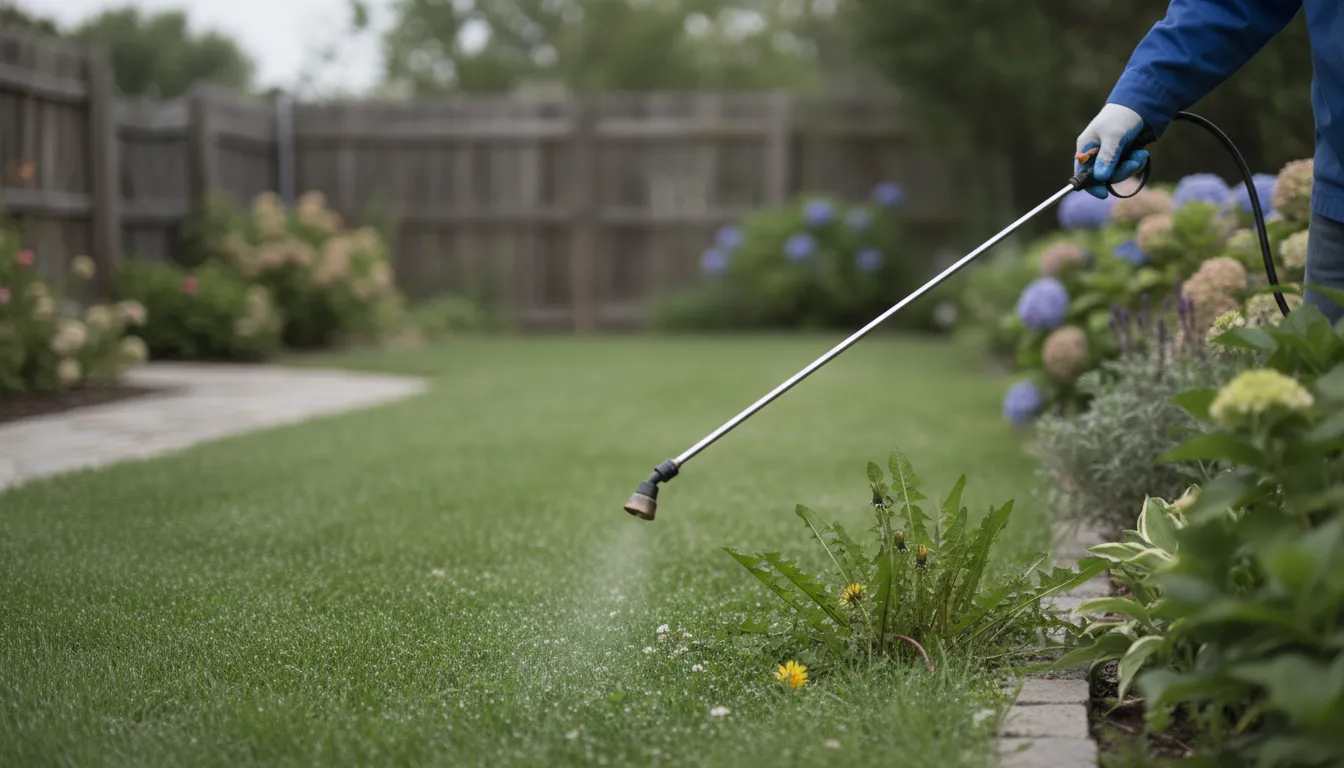
A healthy, vibrant lawn in Indianapolis requires a consistent, science-backed approach to feeding and weed management. Lawn fertilization provides the essential nutrients your grass needs to develop deep roots and resist stress, while targeted weed control prevents invasive plants from competing for resources. This guide explains the seasonal schedule, common services, and local considerations for maintaining a lush lawn in the Circle City, helping you connect with professionals who can tailor a plan to your property's specific needs.
PMT Lawn & Landscape
Indianapolis, IN
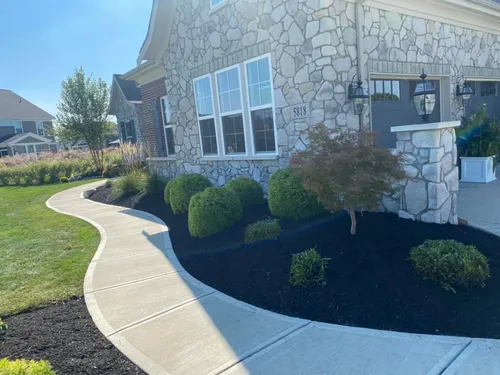
PMT Lawn & Landscape is a landscaping and lawn care company serving Indianapolis, IN, and the greater central Indiana area. Since 2015, they have provided commercial and residential groundskeeping services including mowing, edging, pruning, mulch installation, lawn fertilization, weed control, tree trimming and removal, aeration, overseeding, and snow removal. Their team also offers landscape design and holiday lighting installation. PMT Lawn & Landscape is licensed, bonded, and insured, with expertise in local Indiana conditions and chemical-based lawn treatments.
Total Lawn Care Inc
1421 E Riverside Dr, Indianapolis, IN 46202
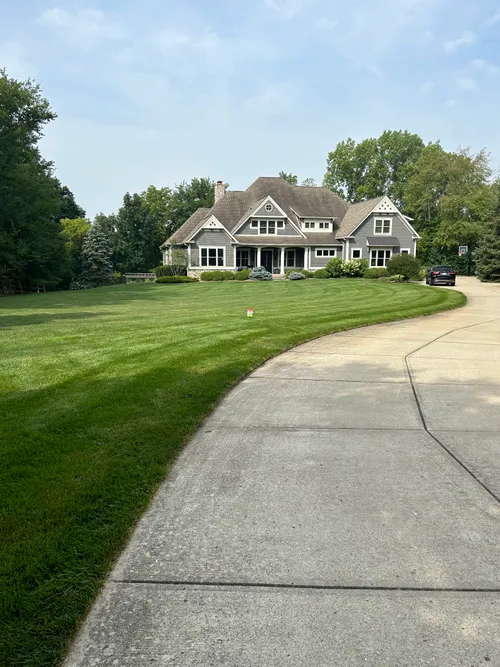
Total Lawn Care Inc is a lawn care company based in Indianapolis, IN. They provide lawn fertilization, weed control, and other lawn care services using a combination of plant-based, eco-friendly, organic bio-products. Their approach focuses on promoting healthy lawns by supporting the natural soil ecosystem with beneficial microorganisms. Total Lawn Care Inc has been serving the Indianapolis area since 1989.
Hoosier Homes Lawn & Landscape LLC
11233 Rockingham Cir, Fishers, IN 46037
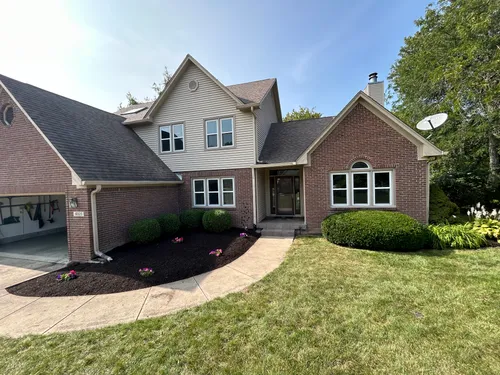
Hoosier Homes Lawn & Landscape LLC is a lawn care and landscaping company based in Indianapolis, IN. They offer year-round lawn and landscape services for both residential and commercial properties, including lawn mowing, fertilization, weed and pest control, and creative landscape design. Their weed and pest control service uses safe and effective treatments to protect lawns without harming the environment. Hoosier Homes serves Indianapolis and surrounding areas such as Fishers, Noblesville, Carmel, and more. The company emphasizes transparent communication and reliability in their work.
Rooted Lawn & Landscape
160 W Carmel Dr #217, Carmel, IN 46032
Rooted Lawn & Landscape is a lawn care and landscaping company serving Indianapolis, IN, and surrounding areas. They offer a range of services including lawn mowing, lawn fertilization, weed control, tree and shrub installation and maintenance, stump grinding, and full landscaping solutions. The company emphasizes year-round yard health and uses quality materials and professional equipment to maintain lawns, small business properties, and golf courses. Rooted Lawn & Landscape is locally owned, licensed, and insured, providing service across Carmel, Hamilton County, Meridian Hills, Broad Ripple, and other nearby communities.
Fralich's
959 W 100 N, Greenfield, IN 46140
Fralich's is a landscaping company serving Indianapolis, IN, with over 20 years of combined experience. They offer a wide range of services including lawn mowing, fertilization, weed control, landscape design and installation, yard drainage and grading, sprinkler installation and repair, land clearing, and hardscaping such as pavers and retaining walls. Their team uses professional equipment for land grading to ensure lawns are even and free of standing water. Established in 2006, Fralich's has grown from a one-man operation to a seasonal crew of 15, focusing on both residential and commercial landscaping projects.
Understanding Your Indianapolis Lawn
The foundation of effective lawn care is knowing what type of grass you have. Most lawns in the Indianapolis area are composed of cool-season grasses, which thrive in the region's climate with distinct growth peaks in spring and fall. The most common varieties include Kentucky Bluegrass, Fine Fescue, and Perennial Ryegrass, often found in seed mixes for their durability and color 1. These grasses benefit most from fertilization in the early fall to strengthen roots for winter and again in spring for a strong green-up.
Less common but sometimes present are warm-season grasses like Zoysia. This type has a different growth cycle, greening up later in spring and growing actively in summer heat. Its fertilization needs are distinct, typically requiring feeding in late spring or early summer 2. A professional can help identify your grass type, which is the first step in creating an effective nutrient and weed management program.
The Core of Lawn Care: Fertilization & Weed Management
A comprehensive lawn health program combines two critical elements: providing balanced nutrition and proactively managing weeds. These services work in tandem to create a thick, healthy turf that naturally resists pests, disease, and drought.
Lawn Fertilization is more than just making grass green. It involves applying a balanced blend of essential nutrients-primarily Nitrogen (N), Phosphorus (P), and Potassium (K)-at the right times. Nitrogen promotes lush, green leaf growth, phosphorus supports strong root development, and potassium enhances the plant's overall hardiness against disease and environmental stress. Professional-grade fertilizers are often slow-release, providing a steady supply of nutrients over several weeks without the risk of burning the lawn.
Weed Control is a two-pronged strategy: prevention and elimination. Pre-emergent herbicides are applied before weed seeds germinate, creating a barrier in the soil that stops problems like crabgrass and foxtail before they start. Post-emergent treatments are used to eliminate existing broadleaf weeds, such as dandelions and clover, that have already sprouted in your lawn 3. An effective program times these applications to match the life cycles of the most troublesome weeds in Central Indiana.
The Essential Indianapolis Lawn Care Schedule
Following a seasonal schedule aligned with Indiana's climate is key to lawn success. Here's a typical annual plan for cool-season grasses, often structured around 5-6 professional treatments.
Early Spring (March - April)
This first treatment is crucial for setting up your lawn for the year. Application of a pre-emergent herbicide targets crabgrass and other grassy weeds as soil temperatures begin to rise. This is often combined with a balanced, slow-release fertilizer to encourage strong initial green-up and recovery from winter. Some programs may include liquid aeration to help alleviate soil compaction and improve nutrient uptake.
Late Spring (May - June)
As temperatures climb, the focus shifts to maintaining growth and tackling emerging weeds. A fertilizer application provides sustained nutrition, while post-emergent weed control addresses broadleaf weeds that have appeared 4. This is also a common time for add-on services like grub prevention, which stops the larvae of beetles that can cause significant root damage.
Summer (July - August)
Summer in Indiana brings heat and potential drought stress. Treatments during this period are designed to strengthen the lawn without forcing excessive growth. A lighter, balanced feeding helps turf withstand the heat, and spot treatments for persistent weeds are common. The goal is lawn preservation, ensuring it remains healthy until the ideal growing conditions of fall return.
Early Fall (September - October)
Fall is arguably the most important season for lawn care in Indianapolis. As temperatures cool, grass roots grow actively. A fertilizer high in phosphorus and potassium promotes deep root development, which leads to a thicker, healthier lawn the following spring 5. This is also an ideal time for core aeration and overseeding to repair thin areas, as well as a final post-emergent weed application to control fall-germinating weeds.
Late Fall (November)
The final treatment of the year is the winterizer. This application is typically high in potassium, which strengthens grass blades and roots to survive winter cold and improves resilience against disease 6. This "last meal" provides nutrients that are stored and used for a quicker, greener revival when spring arrives.
Find the perfect lawn treatment companies for your needs
Get personalized recommendations and expert advice
Beyond Basics: Complementary Lawn Health Services
While fertilization and weed control form the backbone of lawn care, several ancillary services address underlying issues that can hinder your lawn's health.
- Core Aeration & Dethatching: Performed best in the fall, core aeration involves removing small plugs of soil to relieve compaction, allowing air, water, and nutrients to reach the root zone more effectively 7. Dethatching removes the layer of dead grass and organic matter that can build up at the soil surface, preventing water penetration and harboring pests.
- Grub & Insect Control: Specific treatments target destructive insects like white grubs, the larvae of Japanese beetles and other species, which feed on grass roots and can cause large, dead patches in late summer 8 9.
- Soil Amendments: Soil pH in Indiana can tend toward acidity. Lime applications are used to raise the pH, making the soil less acidic and more hospitable for grass growth. This is often recommended if moss is present or a soil test indicates a need 10.
Understanding Investment and Service Options
The cost for professional lawn fertilization and weed control in Indianapolis varies based on several factors. Most providers offer annual programs that bundle multiple seasonal visits into one plan.
- Annual Program Costs: A basic annual program covering 5-6 seasonal treatments typically ranges from $300 to $700+ for an average-sized yard 11. More comprehensive plans that include services like aeration, grub control, or lime applications will be higher.
- Per-Visit Pricing: Individual service visits generally range from $50 to $100+, heavily dependent on the size of your lawn and the specific products or services applied during that visit 12 13.
- Key Cost Factors: The primary determinants of price are your lawn's square footage, the severity of existing weed problems, and the specific inclusions of your chosen plan (e.g., aeration, pest control, soil amendments).
When evaluating providers, look for companies that offer a free lawn analysis. A reputable professional will assess your grass type, soil condition, weed pressure, and sun/shade patterns before recommending a customized plan rather than a one-size-fits-all solution.
Frequently asked questions
Sources
Footnotes
-
Fertilizing Established Cool-season Lawns - Purdue Extension - https://www.extension.purdue.edu/extmedia/ay/ay-22-w.pdf ↩
-
Month-to-Month Indiana Lawn Care Schedule - Lawn Love - https://lawnlove.com/blog/indiana-lawn-care-schedule/ ↩
-
Indianapolis Effective Weed Control & Fertilization Methods - https://wewatergrass.com/the-best-lawn-weed-control-and-fertilization-methods-and-service-in-indianapolis/ ↩
-
Fertilization & Weed Control - https://bergerhargis.com/fertilization-weed-control/ ↩
-
Indianapolis Lawn Care - Fertilization & Aeration - Lawn Pride - https://lawnpride.com/indianapolis/indianapolis-lawn-care/ ↩
-
What Can You Expect From Our 6-Treatment Lawn Care Program? - Brooklawn Services - https://brooklawnservices.com/what-can-you-expect-from-our-6-treatment-lawn-care-program/ ↩
-
When to Aerate Your Indiana Lawn - https://www.lawnstarter.com/blog/indiana/when-to-aerate-lawn-indiana/ ↩
-
The Essential Indiana Lawn Care Schedule - https://www.shadesofgreenlawncare.com/blog/essential-indiana-lawn-care-schedule ↩
-
Indianapolis Lawn Care Services for Central Indiana - Lawn Pride - https://lawnpride.com/indianapolis/ ↩
-
Lawn Care Packages - https://www.blueducklawncare.com/lawn-care-packages/ ↩
-
Indianapolis, IN Lawn Treatment & Fertilization | Weed Control - https://www.lawnstarter.com/indianapolis-in-lawn-treatment ↩
-
Affordable Lawn Care: Weed Control & Fertilization In Indy - https://wewatergrass.com/cost-guide-weed-control-and-fertilization-services-in-indianapolis/ ↩
-
How much does lawn care service cost? - Green Lawn Fertilizing - https://www.greenlawnfertilizing.com/blog/how-much-does-lawn-care-service-cost ↩