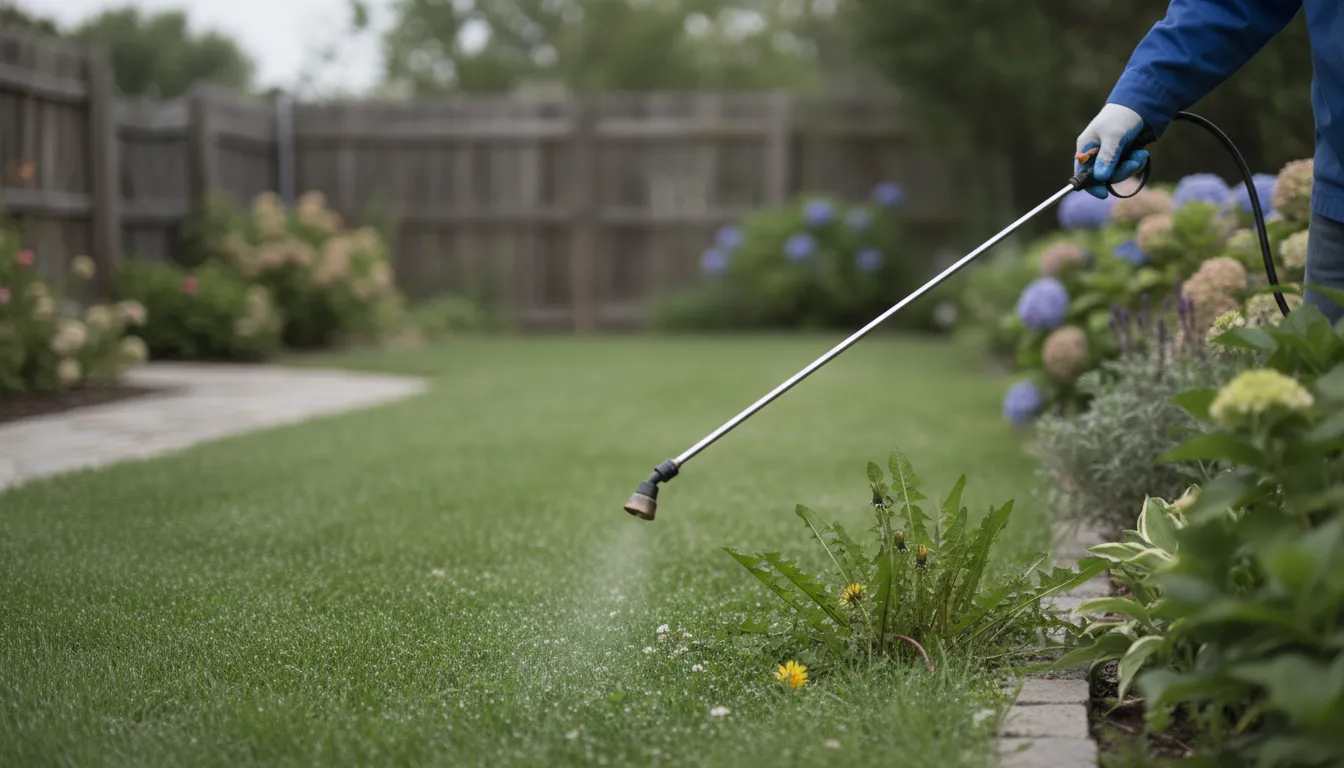
Find the Best Lawn Treatment Companies for Your Business
No obligation • Fast responses • Nationwide coverage

Why you can trust Landscape Atlas
Landscape Atlas is a leading United States resource for evaluating landscaping, lawn care, and outdoor service providers. Our team researches each category in depth, focusing on service quality, safety, and customer experience. Listings and rankings are based on independent criteria and user feedback, and companies cannot pay to influence our assessments or recommendations.
Search providers near you
Top Lawn Treatment Companies in Fort Wayne, Indiana Ranked
A healthy, vibrant lawn in Fort Wayne is the result of a consistent, science-based approach to turf nutrition and weed management. Lawn fertilization and weed control services provide the essential nutrients and targeted treatments your cool-season grass needs to thrive in Northeast Indiana's climate while resisting invasive weeds. This guide explains the seasonal strategies local professionals use and how you can connect with experts who tailor programs to your specific yard's needs.
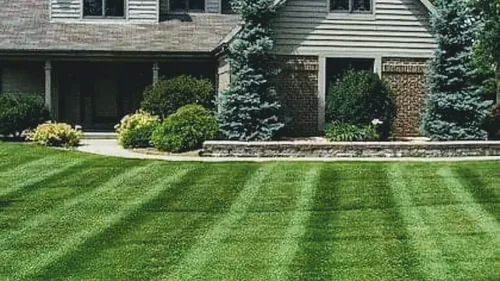
Signature Lawn & TreeMasters
4415 Earth Dr, Fort Wayne, IN 46809
Signature Lawn & TreeMasters is a locally owned lawn and tree care company based in Fort Wayne, IN. They provide a range of services including lawn fertilization, weed control, tree and shrub care, aeration, overseeding, insect and disease management, and perimeter pest control. Their certified arborist offers expert tree trimming and care to maintain healthy and safe trees. With over 100 years of combined experience, they design customized programs to improve the health and appearance of lawns and trees throughout the area.
SuperGreen
513 Incentive Dr, Fort Wayne, IN 46825
SuperGreen is a lawn care company based in Fort Wayne, IN, offering services such as lawn mowing, fertilization, weed control, aeration, and pest and grub control. They focus on understanding soil and grass types to create customized lawn care plans that improve lawn health and appearance. Their approach includes addressing soil conditions directly to promote a lush, green lawn. SuperGreen is family owned and operated, emphasizing safe, EPA-registered products suitable for pets and families.
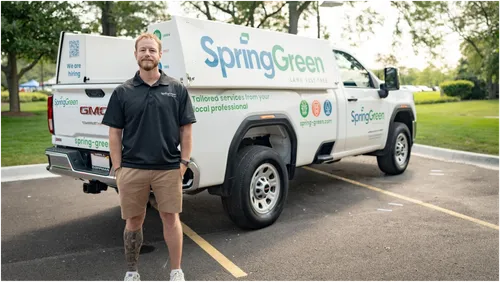
Spring Green
5719 W Dupont Rd, Fort Wayne, IN 46818
Spring Green is a locally owned lawn care and tree service company based in Fort Wayne, IN. Since 2005, they have provided tailored lawn fertilization, weed control, pest control, and tree care services to Fort Wayne and nearby communities including Columbia City, Warsaw, and New Haven. Their offerings include core aeration, grub control, overseeding, lawn disease control, mosquito control, and total lawn insect control, helping maintain healthy lawns with species like bluegrass and ryegrass. Spring Green focuses on comprehensive lawn and landscape care with a satisfaction guarantee.
Crown and Blade, LLC
429 E Dupont Rd #275, Fort Wayne, IN 46825
Crown and Blade, LLC is a lawn care company based in Fort Wayne, IN, specializing in lawn fertilization, weed control, aeration, overseeding, and pest management. Established in 2015 as a dedicated lawn fertilization team, the company serves Fort Wayne and Northeast Indiana with licensed and trained professionals. Their services include establishing new lawns, flea and tick control, and perimeter pest control. Crown and Blade uses specialized equipment for aeration and offers tailored fertilization programs to improve lawn health and environmental benefits.
Golden Gates Lawn Care & Landscaping LLC
Fort Wayne, IN
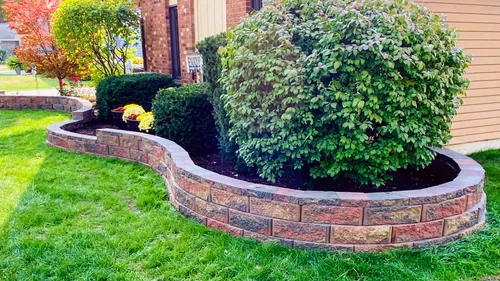
Golden Gates Lawn Care & Landscaping LLC offers a wide range of landscaping and lawn care services in Fort Wayne, IN. They serve both residential and commercial properties with services including custom landscape design, lawn fertilization, weed control, fence installation, yard drainage solutions, and hardscaping such as patios and retaining walls. The company also provides seasonal maintenance like spring planting, fall leaf removal, and snow management to keep properties looking their best year-round. Their approach emphasizes attention to detail and personalized outdoor spaces, including features like fire pits, water elements, and outdoor kitchens. Golden Gates is known for its licensed and insured team, clear pricing, and a comprehensive approach to maintaining healthy and attractive green spaces.
Understanding Fort Wayne's Lawn Environment
Success in lawn care begins with understanding your local environment. Fort Wayne's climate presents distinct challenges and opportunities for turfgrass. The region experiences all four seasons, with cold winters and warm, humid summers. This climate is ideal for cool-season grasses, which are the most common turf types found in local lawns.
The predominant grass varieties include:
- Kentucky Bluegrass: Known for its rich color and ability to spread, recovering from damage.
- Tall Fescue: Valued for its drought tolerance and deep root system.
- Perennial Ryegrass: Germinates quickly and provides a fine texture, often found in seed mixes.
These grasses grow most vigorously in the cool temperatures of spring and fall. They enter a period of summer stress during July and August and go dormant in the winter. A proper lawn feeding and weed prevention schedule is designed to support this natural growth cycle, strengthening the grass when it's active and protecting it during periods of stress 1 2.
The Essential Seasonal Lawn Care Schedule
Professional lawn care in Fort Wayne isn't a one-time event; it's a year-round program. Each season has a specific focus to build a resilient lawn.
Early Spring (March - April): Foundation and Prevention
This is a critical window to set your lawn up for success. As soil temperatures consistently reach the 50s (°F), grass begins to green up and weeds start germinating.
- Pre-Emergent Weed Control: The primary goal is applying a pre-emergent herbicide to create a barrier in the soil that prevents crabgrass and other summer annual weeds from sprouting. Timing is crucial-too early and it degrades; too late and weeds emerge 3.
- First Fertilization: A light, balanced fertilizer application provides the nutrients needed for initial green-up and growth after winter dormancy.
- Post-Emergent Spot Treatment: Existing winter annual weeds like henbit or chickweed are targeted with selective post-emergent herbicides 4.
Late Spring to Early Summer (May - June): Growth and Defense
The lawn is in full growth mode, competing with weeds for resources.
- Balanced Fertilization: A second feeding supports continued leaf and root development before the heat of summer arrives.
- Broadleaf Weed Control: Dandelions, clover, and other persistent broadleaf weeds are actively treated.
- Grub Monitoring: Professionals may begin monitoring for signs of white grub activity, which can cause significant damage if left unchecked.
Summer (July - August): Stress Management
The focus shifts from promoting growth to protecting the lawn from heat, drought, and insect pressure.
- Stress-Guard Nutrients: Fertilizer applications, if any, are light and may include ingredients like potassium to improve heat and drought tolerance.
- Spot Weed Control: Individual weed outbreaks are managed without encouraging excessive grass growth.
- Pest Control: Treatments for surface insects like chinch bugs or preventative grub control may be applied during this period 5.
Fall (September - November): Recovery and Strengthening
Fall is arguably the most important season for cool-season lawn health in Fort Wayne. Ideal growing conditions return, allowing grass to recover from summer stress and build reserves.
- Core Aeration: This process removes small plugs of soil to alleviate compaction, improve water and nutrient penetration, and strengthen root systems. It's a cornerstone of professional turf management.
- Overseeding: Thin or damaged areas can be seeded to improve lawn density and crowd out future weeds.
- Key Fertilization: The fall fertilizer application is vital. It promotes deep root growth rather than top growth, ensuring the lawn stores energy for winter survival and a strong spring green-up.
- Fall Pre-Emergent: Applying a pre-emergent in late fall targets winter annual weeds like poa annua, preventing them from establishing 6 7.
Winter (December - February): Planning and Dormancy
The lawn is dormant. Professional services are minimal but may include a final "dormant feeding" in late fall/early winter and planning for the upcoming season's program.
Find the perfect lawn treatment companies for your needs
Get personalized recommendations and expert advice
What to Expect from a Professional Service Program
Most local lawn care companies structure their offerings as multi-visit annual programs. A typical program in Fort Wayne consists of 5 to 7 scheduled visits from early spring through late fall, approximately 6-8 weeks apart 8. Each visit has a specific purpose aligned with the seasonal schedule outlined above.
These programs are designed to be comprehensive, but they are also customizable. You can often add specific services like grub control, mosquito treatments, or liquid aeration based on your lawn's unique needs. The goal of a professional program is consistency-the timely application of the right products to nurture the grass and suppress weeds throughout the entire growing cycle.
Investment in Your Lawn
The cost for professional lawn fertilization and weed control varies based on lawn size, condition, and the specific program details. For a standard-sized residential lawn in Fort Wayne, an annual program typically ranges from $300 to $600 for the core fertilization and weed control visits. This covers the scheduled seasonal applications.
Additional services are priced separately:
- Weed Control Spot Visits: If extra treatments are needed outside the program, they may cost between $50 and $100 per visit.
- Core Aeration & Overseeding: This valuable fall service can range from $150 to $750 depending on the size of the area and the extent of seeding required 9.
Many providers offer a free lawn analysis and quote. This assessment allows them to evaluate your grass type, soil condition, weed pressure, and sun exposure to recommend a truly tailored plan.
Choosing the Right Local Service
Fort Wayne is home to several established lawn and turf care companies with deep knowledge of the region. When evaluating providers, look for those that emphasize:
- Localized Knowledge: Understanding of Fort Wayne's soil types, common weeds, and microclimates.
- Soil Health Focus: A philosophy that goes beyond just spraying chemicals, incorporating practices like aeration to improve the soil ecosystem 10.
- Clear Communication: Detailed service schedules, notification before visits, and transparent pricing.
- Customization: Willingness to adjust the program based on your lawn's performance and your observations.
Companies like those cited in local research have built their programs around the principle that fall care is non-negotiable for a healthy lawn, dedicating significant effort to root development and winter preparation 11 12 13.
Frequently asked questions
Sources
Footnotes
-
Month-to-Month Indiana Lawn Care Schedule - Lawn Love - https://lawnlove.com/blog/indiana-lawn-care-schedule/ ↩
-
Cool-Season Grasses: Lawn Maintenance Calendar - https://p2infohouse.org/ref/17/16706.pdf ↩
-
When to Apply Weed and Feed to Your Lawn - LawnStarter - https://www.lawnstarter.com/blog/lawn-care-2/when-to-apply-weed-and-feed/ ↩
-
Lawn Care & Weed Control Fort Wayne, IN | Spring-Green - https://www.spring-green.com/lawn-care-locations/fort-wayne-area/ ↩
-
The Essential Indiana Lawn Care Schedule - https://www.shadesofgreenlawncare.com/blog/essential-indiana-lawn-care-schedule ↩
-
Year-Round Lawn Care Schedule - Waynes Pest Control - https://callwaynes.com/blog/year-round-lawn-care-schedule/ ↩
-
Lawn Fertilization & Weed Control Services - ExperiGreen - https://experigreen.com/lawn-fertilization-weed-control-program/ ↩
-
What Can You Expect From Our 6-Treatment Lawn Care Program? - https://brooklawnservices.com/what-can-you-expect-from-our-6-treatment-lawn-care-program/ ↩
-
How much does lawn care service cost? - Green Lawn Fertilizing - https://www.greenlawnfertilizing.com/blog/how-much-does-lawn-care-service-cost ↩
-
Lawn Care Fort Wayne, IN | Green, Healthy Lawns Year-Round - https://lawnandturfland.com/fort-wayne-lawn-care/ ↩
-
Fort Wayne Lawn Care - Kapp's Green Lawn - https://kappslawn.com/location/fort-wayne-in/lawn-care/ ↩
-
Lawn Fertilization Fort Wayne, IN | Expert Turf Care Solutions - https://lawnandturfland.com/fort-wayne-lawn-care/fertilization/ ↩
-
When to Fertilize Your Indiana Lawn - LawnStarter - https://www.lawnstarter.com/blog/indiana/when-to-fertilize-lawn-indiana/ ↩