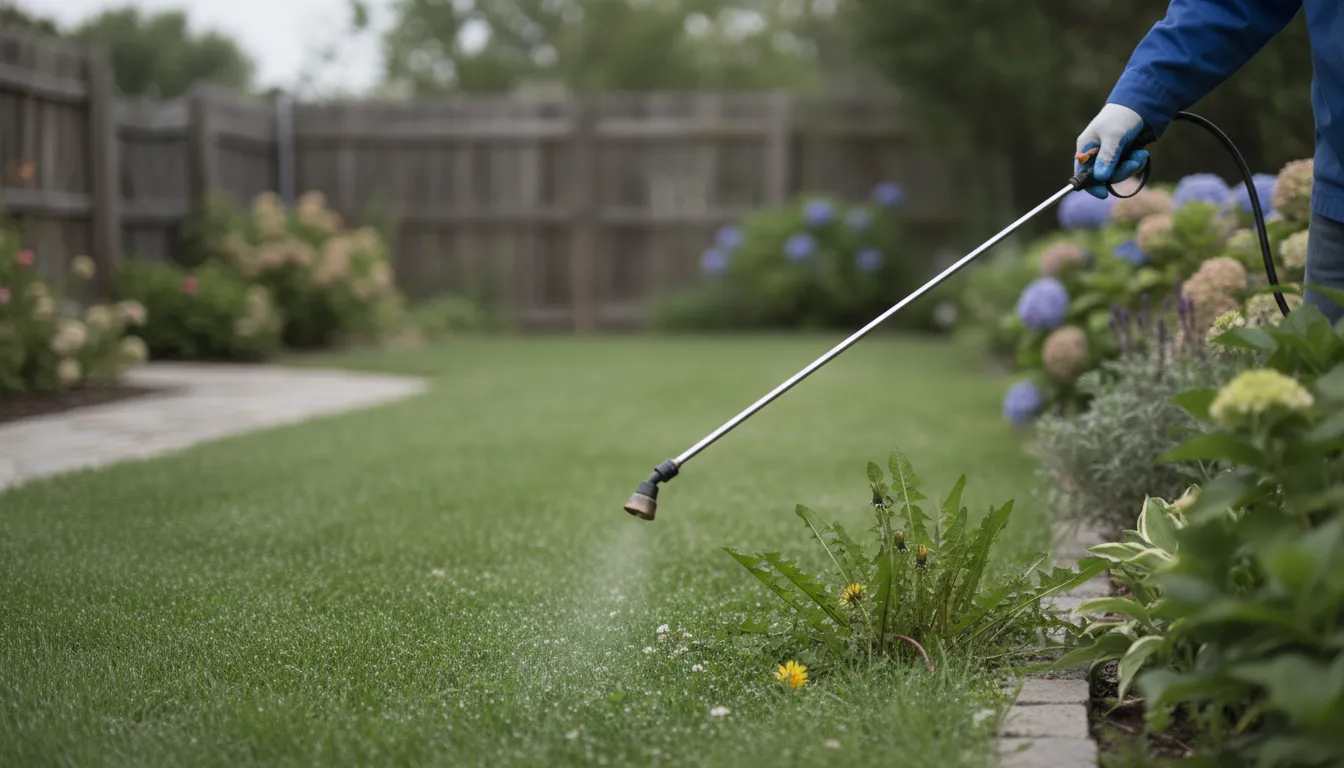
Find the Best Lawn Treatment Companies for Your Business
No obligation • Fast responses • Nationwide coverage

Why you can trust Landscape Atlas
Landscape Atlas is a leading United States resource for evaluating landscaping, lawn care, and outdoor service providers. Our team researches each category in depth, focusing on service quality, safety, and customer experience. Listings and rankings are based on independent criteria and user feedback, and companies cannot pay to influence our assessments or recommendations.
Search providers near you
Best Lawn Treatment Companies in Kentucky Ranked
A healthy, resilient lawn in Kentucky requires a strategic approach to feeding your grass and managing weeds. Professional lawn fertilization and weed control services provide targeted, science-backed treatments to strengthen your turf against the state's climate and common pests. This guide explains the core principles of Kentucky lawn care, outlines a seasonal schedule, and provides practical information to help you connect with local experts who can develop a customized plan for your property.
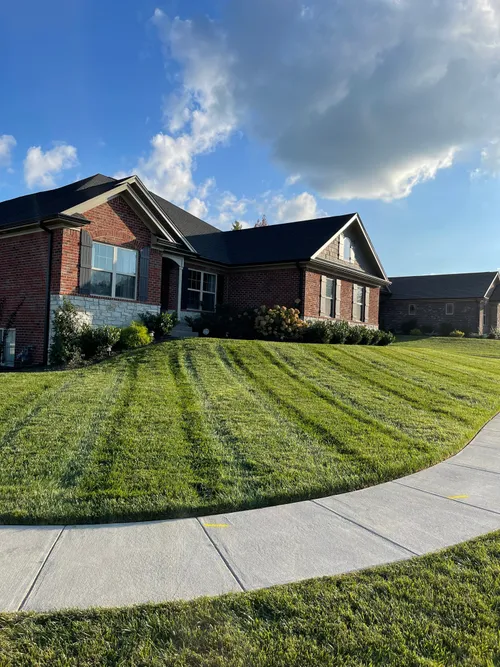
Lawn Cure
5000 Progress Way, Sellersburg, IN 47172
Lawn Cure is a family-owned lawn care company serving Louisville, KY, and the surrounding Southern Indiana areas. Since 1978, they have provided customized lawn fertilization, weed control, and seasonal lawn care services to maintain healthy yards year-round. Their Healthy Grow Program offers additional applications focused on soil health to promote thicker, more vibrant lawns. The team is fully licensed and accredited in both Indiana and Kentucky.
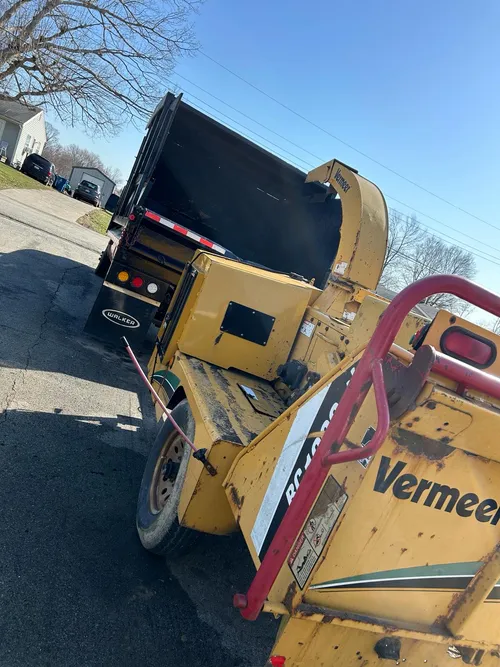
Julio Tree Service & Landscape
120 Cardinal Dr, Simpsonville, KY 40067
Julio Tree Service & Landscape is a landscaping and tree care company based in Louisville, KY. They provide a wide range of services including tree care, stump removal, lawn fertilization, weed control, and complete landscape design. With over 8 years of experience, they serve Simpsonville and nearby areas, focusing on maintaining healthy and attractive outdoor spaces through services like powerseeding and precise tree trimming.
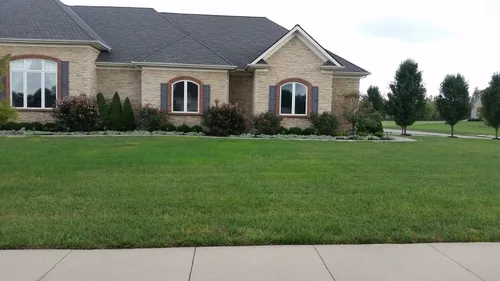
Epic Lawn Care
204 Wilson Downing Rd, Lexington, KY 40517
Epic Lawn Care is a locally owned lawn care company based in Lexington, KY. They provide a range of services including lawn mowing, fertilization and weed control, landscape maintenance, mosquito control, aeration, overseeding, and landscape lighting installation. Their fertilization and weed control programs are tailored specifically to the needs of Lexington lawns, using soil assessments and science-backed treatments to promote healthy growth. Epic Lawn Care is a community-focused team with licensed and insured crews, offering dependable weekly mowing routes and consistent service from familiar faces.

Monster Tree Service of East Louisville
Louisville, KY
Monster Tree Service of East Louisville provides a range of tree and lawn care services in Louisville, KY. Their offerings include tree trimming, pruning, removal, stump grinding, shrub and hedge care, pest and infestation treatment, and emergency tree removal. The company uses eco-friendly methods and state-of-the-art equipment to maintain the health and safety of trees and landscapes. They also offer storm damage cleanup and 24/7 emergency tree removal services to address urgent needs. In addition to tree services, they provide plant health care such as fertilization and soil analysis.

Green & Grow
340 United Ct # 3, Lexington, KY 40509
Green & Grow is a lawn care company based in Lexington, KY, offering services such as lawn fertilization, weed control, aeration, seeding, and insect control. They provide comprehensive lawn care solutions to maintain healthy and vibrant lawns in the Lexington area.
Understanding Kentucky's Lawn Environment
Most residential lawns in Kentucky are composed of cool-season grasses like Tall Fescue and Kentucky Bluegrass 1. These grasses thrive in cooler temperatures, with their peak growth periods occurring in the spring and, most importantly, the fall. This growth cycle directly dictates the optimal timing for fertilization and weed control interventions. A successful program works with these natural cycles, not against them.
The primary goal of fertilization is to provide essential nutrients-primarily nitrogen (N), phosphorus (P), and potassium (K)-in the right amounts at the right times. For Kentucky lawns, the University of Kentucky Cooperative Extension Service recommends applying a total of 1 to 1.5 pounds of actual nitrogen per 1,000 square feet annually. Weed control, meanwhile, is a two-pronged strategy: preventing weed seeds from germinating and eliminating weeds that have already emerged.
The Kentucky Lawn Care Calendar
Adhering to a seasonal schedule is the most effective way to build a thick, healthy lawn that naturally resists weeds, disease, and drought stress.
Early Spring (March - April)
- Fertilization: If a robust fall fertilization program was followed, a heavy spring feeding is often unnecessary and can promote excessive top growth at the expense of roots. A light application of slow-release nitrogen may be suitable if fall fertilization was skipped.
- Weed Control: This is the critical window for applying pre-emergent herbicides. These products create a barrier in the soil that stops summer annual weeds like crabgrass and foxtail before they sprout. Timing is key; applications should be made before soil temperatures consistently reach 50-55°F.
Late Spring & Summer (May - August)
- Fertilization: Nutrient applications should be minimal. If needed, use only light, slow-release nitrogen to support the lawn through summer stress. Heavy nitrogen can make grass more susceptible to disease and heat damage 2.
- Weed Control: Post-emergent herbicides are used to tackle visible weeds. This includes broadleaf weeds like dandelion and clover, as well as summer invaders like yellow nutsedge. Spot-treating problem areas is often more effective and environmentally sound than blanket applications.
Early Fall (September)
- Fertilization: This marks the start of the most important growth period for cool-season grasses. A fertilization application now strengthens roots and promotes tillering (the production of new grass shoots), leading to a denser turf.
- Weed Control: Post-emergent herbicides for broadleaf weeds are very effective in early fall, as weeds are actively transporting nutrients to their roots.
Late Fall (October - November)
- Fertilization: This is the single most important fertilization of the year. A late fall application promotes deep root growth and provides nutrient reserves that lead to an earlier, greener lawn the following spring without causing a surge in top growth 3.
- Weed Control: A final blanket application for winter annual weeds (like henbit and chickweed) is often performed in late fall.
Products and Active Ingredients
Understanding product labels is crucial, whether you're managing your lawn yourself or evaluating a professional service. Look for active ingredients rather than brand names.
Fertilizers: Choose a product with a ratio suited to Kentucky soils. A formulation like 24-0-6 or 15-5-10 is common, providing moderate to high nitrogen (N), low or zero phosphorus (P) to protect local waterways, and moderate potassium (K) for plant health 4. Always follow label instructions for application rates.
Herbicides:
- Pre-emergent: Effective active ingredients include pendimethalin, dithiopyr, and prodiamine. For an organic option, corn gluten meal can provide pre-emergent control 5.
- Post-emergent (Broadleaf): A "three-way" herbicide mix containing 2,4-D, MCPP (mecoprop), and dicamba is highly effective against most common broadleaf weeds in Kentucky 6 7.
Find the perfect lawn treatment companies for your needs
Get personalized recommendations and expert advice
Professional Services vs. DIY
Many Kentucky homeowners choose to hire a professional lawn care company for fertilization and weed control. These services offer convenience, expertise, and access to commercial-grade products.
What Professional Programs Typically Include: Most companies offer multi-visit annual programs, often consisting of 4 to 8 scheduled treatments 8 9. These programs are tailored to the seasonal calendar and may include:
- Scheduled granular fertilizer and pre-emergent herbicide applications.
- Post-emergent weed control visits as needed.
- Optional add-ons like insect control (e.g., for grubs), lawn aeration, or lime applications.
Understanding Costs: Professional service costs in Kentucky are influenced by lawn size, property accessibility, and the specific services included. Prices are often quoted per treatment or as an annual package 10.
- Fertilization or Weed Control Visit: Individual treatments typically range from $65 to $175 per application 11 12.
- Annual Multi-Step Program: A comprehensive annual program can range from approximately $300 to $600 or more, depending on the number of visits and lawn square footage 13 14.
The DIY Approach: Managing your own lawn care requires an investment of time, equipment (a calibrated spreader and sprayer), and knowledge. Seasonal product bundles for DIYers can range from $70 to $140 or more15. The key advantages are cost control and hands-on management, but it requires a commitment to proper timing, application, and safety.
Key Considerations for a Healthy Lawn
Beyond fertilization and weed control, several other factors contribute to lawn health:
- Mowing: Keep your mower blades sharp and never remove more than one-third of the grass blade height at a time. For Tall Fescue, a mowing height of 3-4 inches is ideal for shading out weeds and promoting deep roots.
- Watering: Lawns need about 1 inch of water per week from rainfall or irrigation. Deep, infrequent watering is better than frequent, shallow sprinklings.
- Soil Health: Periodic aeration can alleviate soil compaction and improve water and nutrient uptake. A soil test, available through your county extension office, is the best way to determine precise nutrient and pH (lime) needs.
Choosing the right strategy for your lawn depends on your goals, budget, and available time. A well-executed plan, whether professional or DIY, will result in a lush, green Kentucky lawn that enhances your property.
Frequently asked questions
Sources
Footnotes
-
Guide to Lawn Fertilization in Kentucky - LawnStarter - https://www.lawnstarter.com/blog/kentucky/lawn-fertilization-kentucky/ ↩
-
Turf Care Calendar for Cool-Season Lawns in Kentucky - https://publications.mgcafe.uky.edu/files/AGR55.pdf ↩
-
Rejuvenating Your Kentucky Lawn: Fall Lawn Care - Exclusives - https://exclusives.mgcafe.uky.edu/2025/anr/rejuvenating-your-kentucky-lawn-fall-lawn-care ↩
-
AGR-212: Fertilizing Your Lawn - Extension Publications - https://publications.mgcafe.uky.edu/sites/publications.ca.uky.edu/files/AGR212.pdf ↩
-
Guide to Weed Control in Kentucky - LawnStarter - https://www.lawnstarter.com/blog/kentucky/weed-control-kentucky/ ↩
-
AGR-208: Weed Control for Kentucky Home Lawns - https://publications.mgcafe.uky.edu/files/AGR208.pdf ↩
-
Guide to Lawn Fertilization in Kentucky - LawnStarter - https://www.lawnstarter.com/blog/kentucky/lawn-fertilization-kentucky/ ↩
-
8-Step Fertilization Weed Control - Lexington - Epic Lawn Care - https://epiclawncareky.com/fertilizationweedspest-programs/8-step-fertilization-weed-control/ ↩
-
Services - Lawn Programs - https://www.k-lawn.com/klawn/services/lawn-programs ↩
-
How much does lawn care service cost? - Green Lawn Fertilizing - https://www.greenlawnfertilizing.com/blog/how-much-does-lawn-care-service-cost ↩
-
2024 Lawn Care Pricing Chart - Real Green Systems - https://www.realgreen.com/blog/lawn-care-pricing-chart ↩
-
Ladybug combined lawn and landscape plant maintenance gardening service - https://www.ladybuglawn.com/order__combined_lawn____plant_care_service ↩
-
How Much Does Lawn Care Cost in Louisville KY - https://limbwalkertree.com/blog/how-much-does-lawn-care-cost-louisville-ky ↩
-
Sward Yard - https://swardyard.com/product-catalog ↩
-
Lawn Care Pricing & Cost Guide 2026 | Instant Quotes from $29 - https://lawnlove.com/pricing ↩