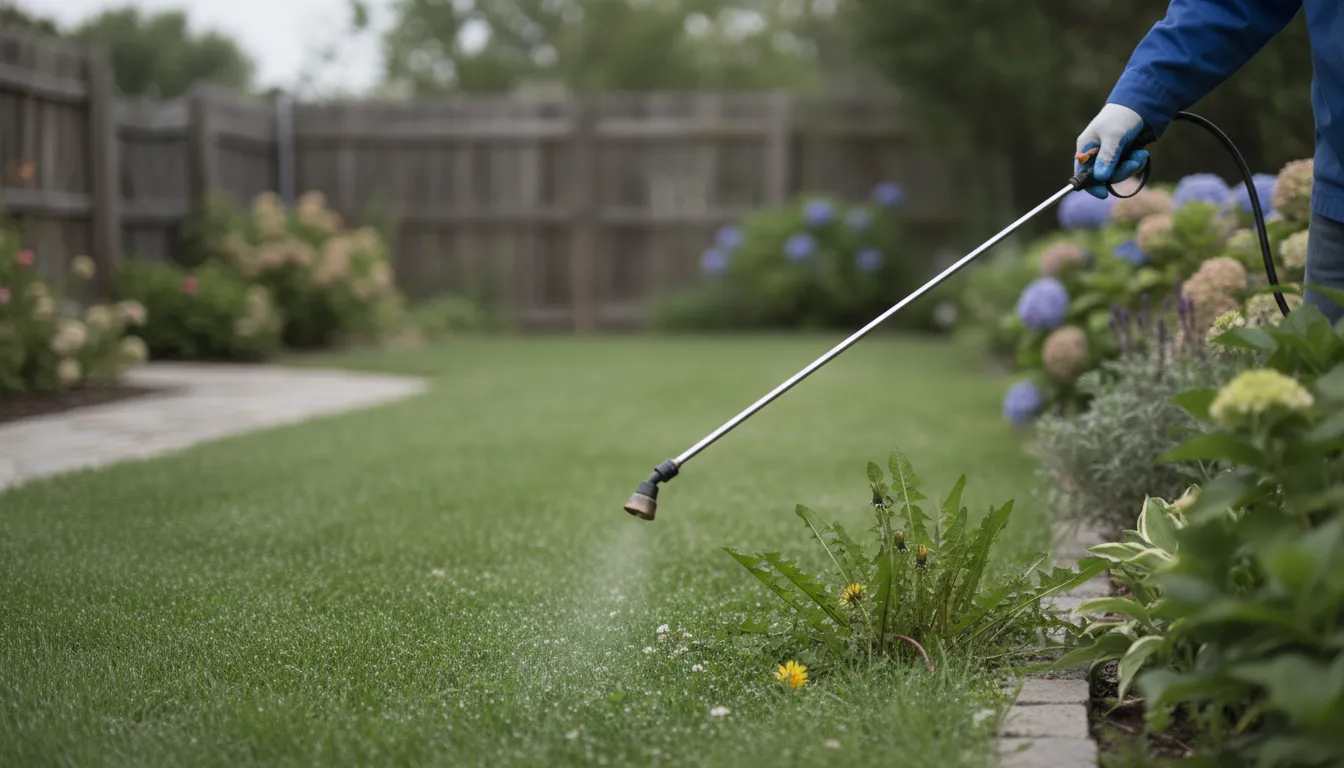
Find the Best Lawn Treatment Companies for Your Business
No obligation • Fast responses • Nationwide coverage

Why you can trust Landscape Atlas
Landscape Atlas is a leading United States resource for evaluating landscaping, lawn care, and outdoor service providers. Our team researches each category in depth, focusing on service quality, safety, and customer experience. Listings and rankings are based on independent criteria and user feedback, and companies cannot pay to influence our assessments or recommendations.
Search providers near you
Top Lawn Treatment Companies in Louisville, Kentucky Ranked
A healthy, vibrant lawn is more than just a patch of grass; it's a living ecosystem that enhances your home's curb appeal and provides a space for relaxation. Achieving that lush, green, and weed-free turf in Louisville requires a strategic approach tailored to our unique climate and soil conditions. Lawn fertilization and weed control services provide a science-backed program of seasonal treatments designed to nourish your grass and combat invasive weeds. This guide will help you understand the local lawn care process, the typical seasonal schedule, and how to connect with professionals who can create a customized plan for your property.
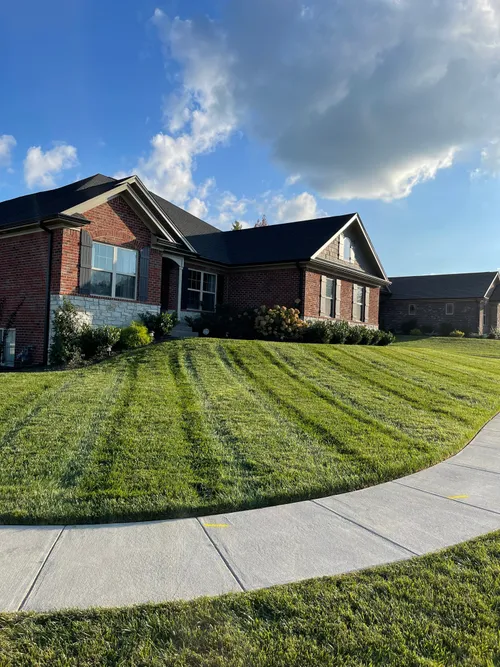
Lawn Cure
5000 Progress Way, Sellersburg, IN 47172
Lawn Cure is a family-owned lawn care company serving Louisville, KY, and the surrounding Southern Indiana areas. Since 1978, they have provided customized lawn fertilization, weed control, and seasonal lawn care services to maintain healthy yards year-round. Their Healthy Grow Program offers additional applications focused on soil health to promote thicker, more vibrant lawns. The team is fully licensed and accredited in both Indiana and Kentucky.
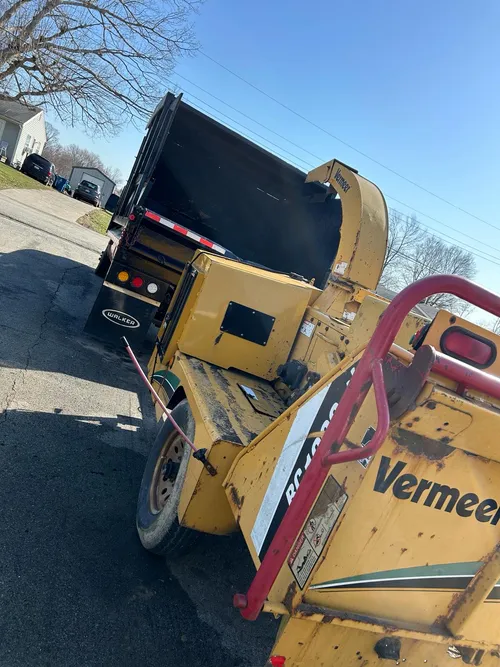
Julio Tree Service & Landscape
120 Cardinal Dr, Simpsonville, KY 40067
Julio Tree Service & Landscape is a landscaping and tree care company based in Louisville, KY. They provide a wide range of services including tree care, stump removal, lawn fertilization, weed control, and complete landscape design. With over 8 years of experience, they serve Simpsonville and nearby areas, focusing on maintaining healthy and attractive outdoor spaces through services like powerseeding and precise tree trimming.
Monster Tree Service of East Louisville
Louisville, KY
Monster Tree Service of East Louisville provides a range of tree and lawn care services in Louisville, KY. Their offerings include tree trimming, pruning, removal, stump grinding, shrub and hedge care, pest and infestation treatment, and emergency tree removal. The company uses eco-friendly methods and state-of-the-art equipment to maintain the health and safety of trees and landscapes. They also offer storm damage cleanup and 24/7 emergency tree removal services to address urgent needs. In addition to tree services, they provide plant health care such as fertilization and soil analysis.
Four Seasons Landscape Management
9908 Secretariat Dr, Goshen, KY 40026
Four Seasons Landscape Management is a full-service landscaping and lawn care company serving Louisville, KY, and nearby areas including Goshen and Prospect. Established in 2005, they offer a wide range of services such as lawn fertilization, weed control, liquid soil aeration, mosquito control, landscape design and installation, ornamental tree and shrub care, mowing, and irrigation repair. The company holds a pesticide license from the State of Kentucky and employs licensed and certified staff to ensure professional and safe service. With over 20 years of experience, Four Seasons also provides commercial snow and ice removal services.
Turf Pro Outdoor Solutions
12010 Fallen Oak Ct, Louisville, KY 40245
Turf Pro Outdoor Solutions is a lawn care company based in Louisville, KY, offering customized lawn fertilization, weed control, and pest management services. They serve customers in Louisville and southern Indiana with flexible, contract-free service options. Their approach combines blanket spraying, fertilization, and insect control to maintain healthy and vibrant lawns. The company is locally owned and operated and provides free retreatments for persistent weeds or pests to ensure customer satisfaction.
Understanding Louisville's Lawn Environment
Louisville's climate presents specific challenges and opportunities for lawn care. Our region experiences four distinct seasons, with hot, humid summers and cold winters. This environment is ideal for cool-season grasses, which are the foundation of most local lawns. The most common turf types you'll find include:
- Kentucky Bluegrass: Known for its rich color and dense growth, forming a beautiful, carpet-like lawn.
- Tall Fescue: Valued for its drought tolerance and durability, making it a resilient choice for variable weather.
- Perennial Ryegrass: Often used in seed mixes for its quick germination and wear resistance.
These grasses have two primary growth spurts: in the cool spring and, most importantly, during the fall. A proper lawn feeding and weed management program is built around supporting these natural growth cycles to build a thick, healthy turf that naturally resists weeds, disease, and drought stress.
The Core of a Professional Program: Seasonal Applications
A professional lawn care treatment plan in Louisville isn't a one-time event. It's a series of 5 to 7 strategically timed visits from late winter through late fall, each with a specific purpose 1. This systematic approach ensures the right nutrients and protections are applied when your grass can use them most effectively.
Early Spring (February - March): The Foundation
The first application is critical. It typically combines a pre-emergent herbicide with a balanced fertilizer. The pre-emergent creates a barrier in the soil that prevents crabgrass and other grassy weeds from germinating as soil temperatures rise. The early-season fertilizer provides a gentle nutrient boost to help the lawn green up and recover from winter dormancy.
Late Spring (April - May): Weed Control and Strengthening
As temperatures warm, broadleaf weeds like dandelions, clover, and chickweed become active. A second application focuses on post-emergent weed control to eliminate these visible weeds, often combined with another round of pre-emergent for extended crabgrass protection and additional feeding to support vigorous growth.
Summer (June - July): Maintenance and Spot Treatment
Louisville summers can be stressful for cool-season grasses. Treatments during this period often involve spot-treating stubborn summer weeds like nutsedge and applying a light, stress-reducing fertilizer. The focus shifts from aggressive growth to maintaining lawn health and color during the heat.
Late Summer (August): Preparation for Recovery
This visit prepares the lawn for its prime growing season. Applications often include weed control to clean up any summer invaders and nutrients that help the grass begin recovering from summer stress and prepare for the vigorous fall growth spurt ahead 2.
Fall (September - October): The Most Important Feeding
Fall is the most crucial time for lawn nutrition in Louisville. A high-quality fertilizer application in early fall fuels incredible root development and grass blade growth. This builds deep root reserves that ensure winter survival and a quick green-up the following spring. Fall is also an ideal time for broadleaf weed control, as weeds are actively transporting nutrients (and herbicide) down to their roots.
Winterizer (November - December): The Final Prep
The final application of the year is a "winterizer." This is not a fertilizer designed for top growth but a high-potassium, slow-release formula that promotes root nourishment and hardiness throughout the cold winter months, setting the stage for a healthy start next spring.
Find the perfect lawn treatment companies for your needs
Get personalized recommendations and expert advice
Key Components of Effective Lawn Care
Beyond the seasonal calendar, understanding the tools and methods used in a comprehensive program is key.
Weed Management Strategies:
- Pre-emergent Herbicides: These are applied before weed seeds germinate, stopping problems like crabgrass before they start. Timing is everything, typically when soil temperatures reach a consistent 55°F 3 4.
- Post-emergent Herbicides: Used to kill weeds that are already visible in the lawn. Professionals select specific herbicides for different weed types (broadleaf vs. grassy) to be effective while safeguarding your desirable turfgrass 5 6.
Fertilization Science: Professional-grade fertilizers provide a balanced mix of primary nutrients:
- Nitrogen (N): For vigorous growth and lush green color.
- Phosphorus (P): For strong root development and seedling establishment.
- Potassium (K): For overall plant health, drought tolerance, and disease resistance.
Many programs use slow-release nitrogen sources. This technology feeds the grass gradually over several weeks, providing a steady nutrient supply without causing the excessive, weak growth associated with quick-release fertilizers 7.
Investment in Your Lawn: Understanding Costs
The cost of a professional lawn fertilization and weed control service in Louisville is typically structured as an annual program or on a per-visit basis. Several factors influence the final price, with lawn size being the primary driver.
- Annual Program Cost: A full-season program consisting of 5 to 7 applications typically ranges from $300 to $600+ per year for an average-sized lawn 8. This bundled approach often provides the best value and guarantees consistent care.
- Per-Visit Cost: Individual treatments generally range from $50 to $100 per visit, depending on the services performed and the square footage of your lawn 9 10.
- Key Cost Factors:
- Lawn Size: Larger properties require more product and time.
- Program Scope: The number of visits and specific products used.
- Property Conditions: Steep slopes, numerous obstacles, or severe weed infestations can add complexity.
- Additional Services: Many homeowners choose to add core aeration, overseeding, or pest control to their program, which will increase the overall investment but contribute significantly to long-term lawn health.
Complementary Services for a Healthier Lawn
For truly exceptional results, turf nutrition and weed prevention work best when combined with core cultural practices.
- Core Aeration: This process removes small plugs of soil from your lawn to alleviate compaction, allowing air, water, and nutrients to reach the root zone more effectively. It's highly recommended, especially for clay soils common in the area.
- Overseeding: Introducing new grass seed into an existing lawn helps fill in bare spots, improve density, and enhance the lawn's overall resilience and color. Fall is the perfect time for overseeding cool-season grasses in Louisville.
- Soil Testing: A professional soil test can reveal your lawn's specific pH and nutrient deficiencies, allowing for perfectly customized fertilizer recommendations.
Choosing a provider for your lawn feeding and weed management needs means looking for licensed, insured professionals with local experience. They should be willing to provide a detailed, written plan outlining the schedule, products, and goals for your lawn. A healthy lawn is an ongoing partnership between you and your lawn care expert, resulting in a beautiful outdoor space you can enjoy for years to come.
Frequently asked questions
Sources
Footnotes
-
How Many Lawn Treatments Do I Need in Louisville KY? - https://limbwalkertree.com/blog/how-many-lawn-treatments-need-louisville-ky ↩
-
Lawn Care Fertilization and Weed Control in Louisville, KY - https://fourseasonslandscapemgt.com/services/lawn-care/ ↩
-
Lawn Fertilization And Weed Control Services Louisville, KY - https://farison.com/program/lawn-care-program-louisville/ ↩
-
Spring Lawn Care Guide for Louisville, KY - LawnStarter - https://www.lawnstarter.com/blog/kentucky/louisville/guide-to-spring-lawn-care-in-louisville-ky/ ↩
-
Fertilization and Weed Control Programs in Louisville, KY - https://www.wayneslawnservice.com/fertilization-weed-control-program ↩
-
The Ultimate Guide to Lawn Care in Louisville: How to Get a Perfect Lawn - https://limbwalkertree.com/blog/ultimate-guide-to-lawn-care-louisville-how-to-get-perfect-lawn ↩
-
Lawn Fertilization & Weed Control - Kentucky Professional Turf, Inc. - https://kyproturf.com/lawn-fertilization-weed-control/ ↩
-
How Much Does Lawn Care Cost in Louisville KY - Limbwalker - https://limbwalkertree.com/blog/how-much-does-lawn-care-cost-louisville-ky ↩
-
How much does lawn care service cost? - Green Lawn Fertilizing - https://www.greenlawnfertilizing.com/blog/how-much-does-lawn-care-service-cost ↩
-
Organic Lawn Care Service in Louisville, Kentucky - https://cleanairlawncare.com/service-locations/ky/louisville/ ↩