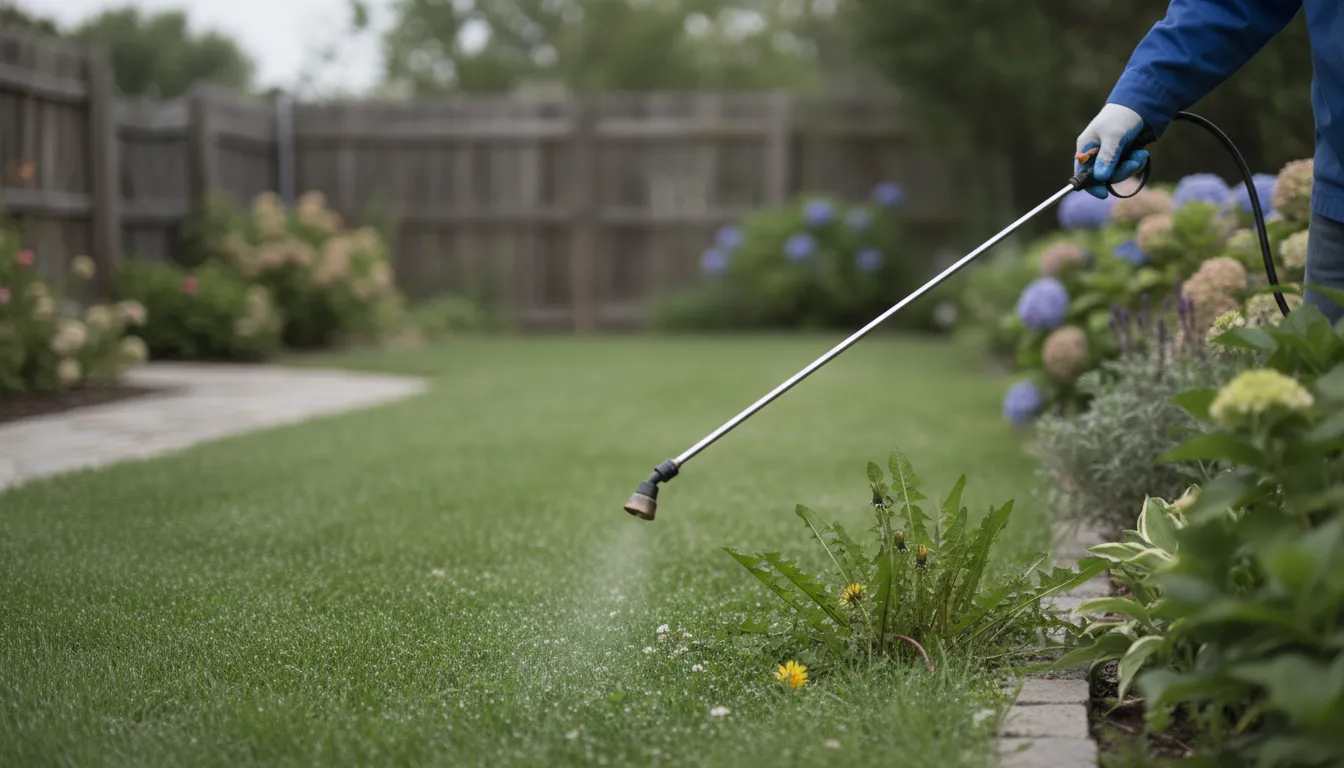
Find the Best Lawn Treatment Companies for Your Business
No obligation • Fast responses • Nationwide coverage

Why you can trust Landscape Atlas
Landscape Atlas is a leading United States resource for evaluating landscaping, lawn care, and outdoor service providers. Our team researches each category in depth, focusing on service quality, safety, and customer experience. Listings and rankings are based on independent criteria and user feedback, and companies cannot pay to influence our assessments or recommendations.
Search providers near you
Top Lawn Treatment Companies in Berwyn, Illinois Ranked
A healthy, vibrant lawn in Berwyn requires more than just regular mowing; it needs a strategic, science-backed program of fertilization and weed management. Lawn fertilization provides the essential nutrients your grass needs to grow thick and strong, while effective weed control prevents invasive plants from stealing resources and spoiling your lawn's appearance. For homeowners in Berwyn, navigating the specific timing, products, and local climate factors can be complex. This guide will help you understand the core principles of turf nutrition and weed suppression, empowering you to make informed decisions and connect with local professionals who can tailor a plan for your property.
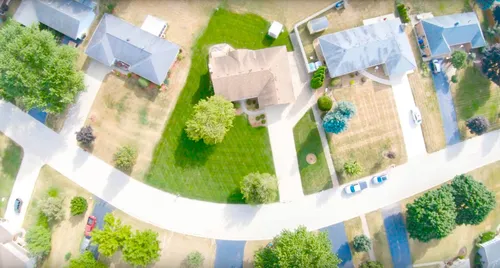
Carefree Lawn Sprinklers Inc.
22049 Howell Dr, New Lenox, IL 60451
Carefree Lawn Sprinklers Inc. is a lawn care and irrigation company serving Chicago, IL. They provide lawn fertilization, weed control, sprinkler installation and repair, lawn aeration, mosquito control, outdoor lighting installation, and pond treatments. With over 35 years of experience since 1987, they specialize in maintaining healthy lawns through expert irrigation system services and nutrient management. They also offer certified RPZ backflow device testing to ensure compliance and safety.

Emerald Lawn Care
574 Wheeling Rd, Wheeling, IL 60090
Emerald Lawn Care is a lawn care company serving Chicago, IL, and the northwest Chicago suburbs. They provide lawn fertilization, weed control, and general lawn care services. Their service area includes communities such as Rolling Meadows, Arlington Heights, Palatine, Mount Prospect, Barrington, Buffalo Grove, and Schaumburg. Emerald Lawn Care is committed to customer satisfaction, offering re-application or refunds if clients are not happy with their lawn treatments.
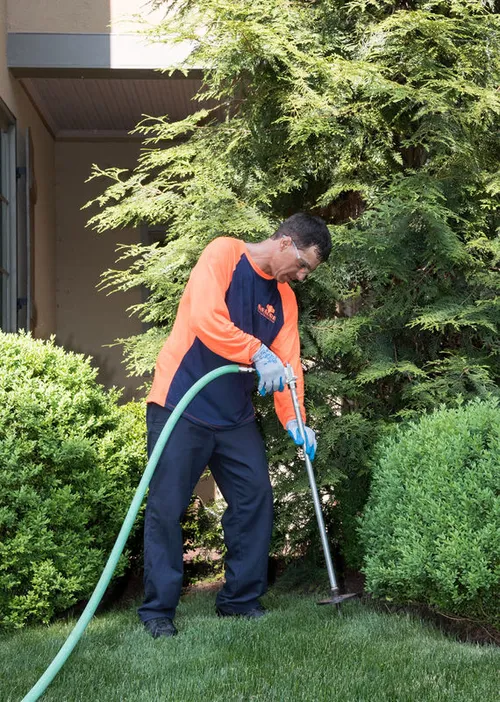
SavATree - Tree Service & Lawn Care
3520 Commercial Ave, Northbrook, IL 60062
SavATree - Tree Service & Lawn Care has been serving the Chicago, IL area and its surroundings for over 40 years. The company offers a wide range of outdoor services including tree and shrub pruning, lawn fertilization, weed control, insect and disease management, stump grinding, and landscape lighting installation. Their team of ISA Certified Arborists provides expert diagnosis and personalized care to maintain the health and beauty of residential and commercial properties. SavATree also offers 24/7 emergency tree services to address storm damage and other urgent tree-related issues.
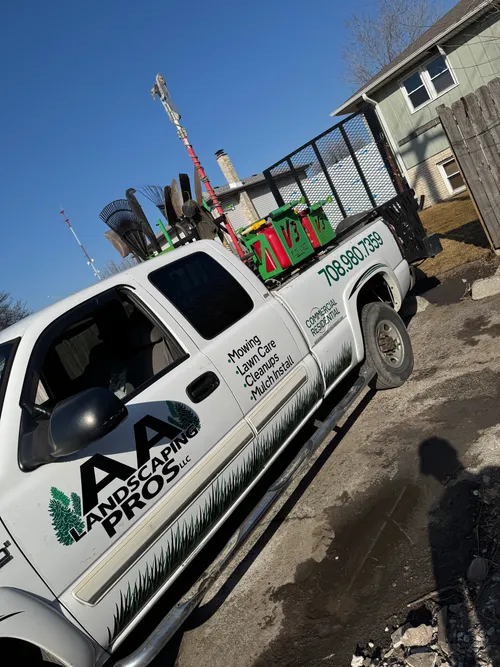
AA Landscaping Pros LLC
9045 Natoma Ave, Oak Lawn, IL 60453
AA Landscaping Pros LLC is a landscaping and lawn care company based in Oak Lawn, serving the Southwest Suburbs of Chicago, including areas like Hickory Hills, Bedford Park, and Orland Park. They provide a range of services such as lawn mowing, fertilization, weed control, yard cleanups, and landscape design for both residential and commercial clients. Their expertise includes customized landscaping solutions tailored to client needs.
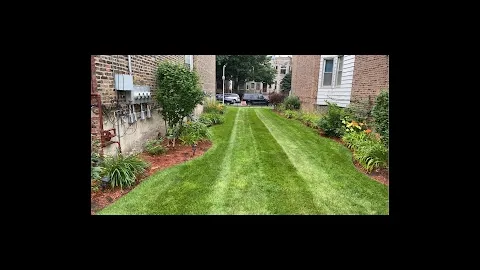
VILLA Property Maintenance
4140 N Monticello Ave APT 3, Chicago, IL 60618
VILLA Property Maintenance offers a wide range of property maintenance services in Chicago, IL, including lawn care, landscaping, snow removal, and junk removal. They serve both residential and commercial properties, as well as parking lots and condo associations. Their capabilities include lawn fertilization, weed control, shrub trimming, mulching, and hardscaping such as pavers and retaining walls. The company provides year-round routine maintenance to keep properties well-maintained throughout the seasons.
Understanding Your Berwyn Lawn: Climate and Grass Type
Successful lawn care starts with knowing what you're working with. Berwyn, Illinois, falls within USDA Plant Hardiness Zone 5b. This classification dictates the growing season and determines which grasses will thrive. The vast majority of lawns in our area are composed of cool-season grasses. These varieties, which include Kentucky Bluegrass, Perennial Ryegrass, Tall Fescue, and Fine Fescue, grow most vigorously during the cool temperatures of spring and fall.
This grass type is fundamental to planning your lawn feeding and weed prevention schedule. Cool-season grasses have specific nutritional demands and growth cycles that a proper lawn treatment program must support. Furthermore, Berwyn's urban environment can create microclimates, and the prevalent clay soils can affect water drainage and nutrient availability, making localized expertise valuable.
The Essential Seasonal Program for Berwyn Lawns
A reactive approach to lawn care often leads to frustration. A proactive, seasonal schedule is the key to sustained health and beauty. For cool-season grasses in Zone 5b, a comprehensive program typically involves four to six targeted visits throughout the year.
Early Spring (April): Awakening and Prevention
As soil temperatures approach 50-55°F, your lawn exits dormancy. This is a critical window for two actions:
- Fertilization: A nitrogen-rich fertilizer application provides the energy needed for strong initial green-up and growth.
- Crabgrass Pre-Emergent: This is the most effective time to apply a barrier treatment that prevents crabgrass seeds from germinating, stopping this common weed before it ever appears.
Late Spring (May-June): Strengthening and Correction
With the lawn actively growing, the focus shifts to maintenance and correction:
- Broadleaf Weed Control: Treatments target established weeds like dandelions and clover with selective herbicides.
- Balanced Fertilizer: A follow-up feeding supports continued growth and helps the lawn recover from any weed control stress.
Mid-Summer (July-August): Stress Management
Summer heat and drought are stressful for cool-season grasses. The goal is to support the lawn without forcing excessive growth.
- Organic or Slow-Release Fertilizer: These provide gentle, sustained nutrition without the surge that can stress grass in high heat.
- Grub Control & Spot Treatments: Preventive grub control may be applied, and any breakthrough weeds are managed with targeted spot treatments.
Early Fall (September-October): The Most Important Feeding
This is arguably the most crucial season for lawn nutrient programs. Cool temperatures and autumn rains create ideal growing conditions.
- Strong Root-Building Fertilizer: A formulation higher in potassium promotes deep, robust root development, which is essential for winter hardiness and a resilient spring comeback.
- Perennial Weed Control: Fall is an excellent time to control perennial weeds, as herbicides are effectively translocated to the roots as plants prepare for winter 1.
Late Fall (October-November): The Winterizer
Just before the ground freezes, a final application prepares the lawn for its dormant period.
- Winterizer Fertilizer: High in potassium, this "winterizer" application enhances the lawn's cold tolerance, disease resistance, and root strength, setting the stage for a healthy spring green-up 2.
Find the perfect lawn treatment companies for your needs
Get personalized recommendations and expert advice
Key Factors for Successful Application
Even the best products can fail if applied incorrectly. Adhering to a few critical rules will maximize the effectiveness and safety of any lawn treatment.
- Always Check the Weather: Consult the National Weather Service forecast for Chicago/Berwyn. A cardinal rule is to avoid applying fertilizer or weed control within 24-48 hours of expected rainfall, as it can wash away, wasting product and potentially harming waterways. Similarly, avoid applications during high winds (over 10-15 mph) to prevent drift onto gardens, patios, or neighboring properties 3.
- Consider Soil Testing: A soil test, recommended by the University of Illinois Extension, removes the guesswork from fertilization 4. It identifies your soil's precise pH and nutrient levels, allowing for a customized lawn feeding plan that addresses deficiencies without over-applying certain elements.
- Integrate Core Cultural Practices: Fertilization and weed control work best alongside good lawn care fundamentals. Aeration and overseeding, ideally performed in the fall, relieve soil compaction and introduce new grass plants to thicken the turf, naturally crowding out weeds. Proper mowing (keeping blades sharp and not cutting too short) and deep, infrequent watering also contribute immensely to lawn health.
Understanding Service and Investment
For many homeowners, partnering with a professional for their lawn nutrition and weed management provides peace of mind and optimal results. Services are typically priced based on the size of your lawn and the complexity of the program.
- Small Lawn (e.g., 2,000 sq ft): Individual visits for fertilization or weed control often range from $50 to $80 5.
- Average Lawn (e.g., 5,000 sq ft): Per-visit pricing commonly falls between $75 and $120 or more, depending on the products and services required 6 7.
- Seasonal Programs: Many providers offer bundled packages covering the full annual cycle (typically 4-6 visits). For an average-sized lawn, these comprehensive lawn care programs can range from approximately $300 to over $600 for the season, which often provides better value than individual treatments 8 9.
Frequently asked questions
Sources
Footnotes
-
Seasonal Lawn Care Maintenance and Treatment Schedule - https://www.trugreen.com/lawn-care-101/blog/trugreen-lawn-care-services/lawn-maintenance-checklist ↩
-
Lawn Fertilization Services Illinois - Emerald Lawn Care - https://emeraldlawncareinc.com/emerald-fertilization.html ↩
-
Berwyn, IL Professional Lawn Grubs Control Services - https://berwynlandscaping.com/lawn-care/lawn-grubs-control ↩
-
Fertilizing Your Lawn - Illinois Extension - https://extension.illinois.edu/lawns/fertilizing-your-lawn ↩
-
Berwyn, IL Professional Lawn Seeding Services - https://berwynlandscaping.com/lawn-care/lawn-seeding ↩
-
Berwyn, IL Professional Fertilizing Lawn Services - https://berwynlandscaping.com/lawn-care/fertilizing-lawn ↩
-
Best Local Lawn Care Program | No-Contract - https://4evergreenlawnservice.com/services/lawn-care ↩
-
Berwyn, IL Professional Weed Control Services - https://berwynlandscaping.com/lawn-care/weed-control ↩
-
Lawn Care in Illinois | Eco-Friendly Treatments - https://turfcareonline.com/lawn-care ↩