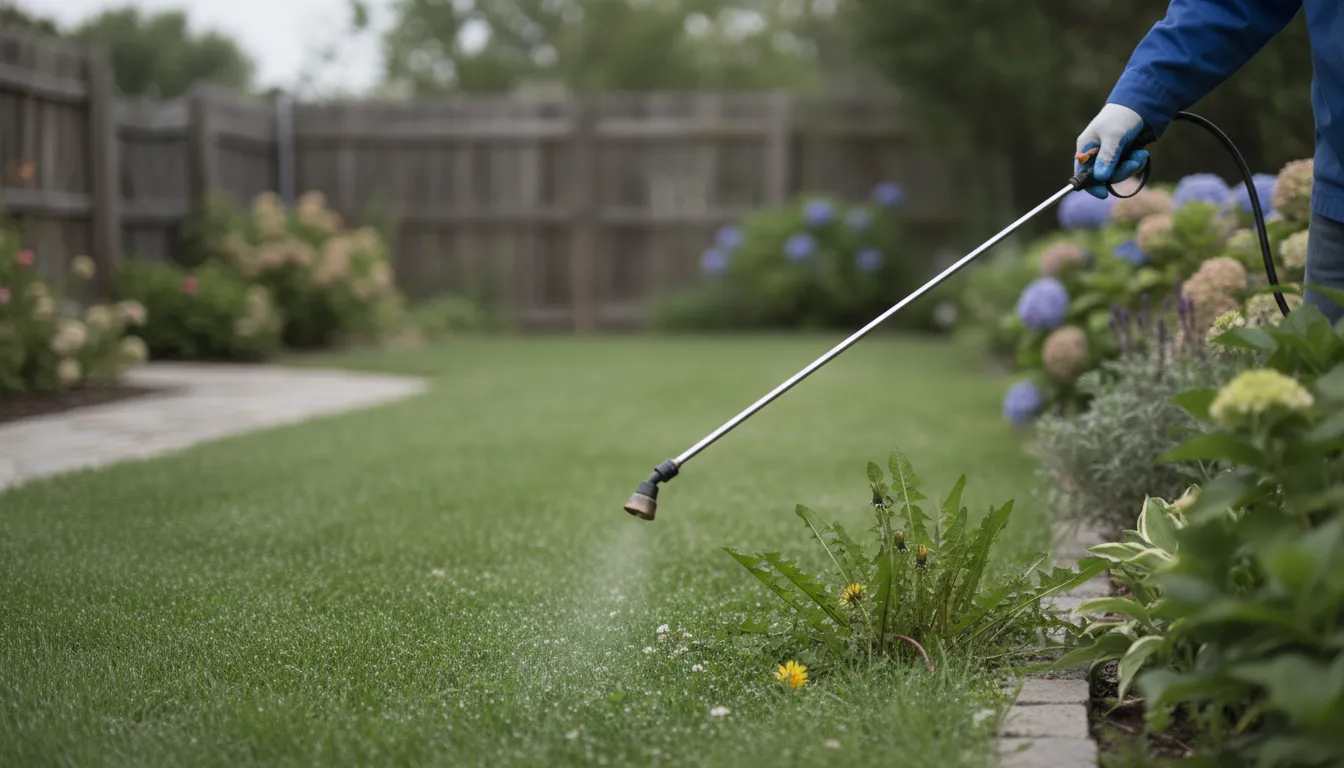
Find the Best Lawn Treatment Companies for Your Business
No obligation • Fast responses • Nationwide coverage

Why you can trust Landscape Atlas
Landscape Atlas is a leading United States resource for evaluating landscaping, lawn care, and outdoor service providers. Our team researches each category in depth, focusing on service quality, safety, and customer experience. Listings and rankings are based on independent criteria and user feedback, and companies cannot pay to influence our assessments or recommendations.
Search providers near you
Top Lawn Treatment Companies in Elmhurst, Illinois Ranked
A healthy, vibrant lawn in Elmhurst is the result of a consistent, science-backed approach to feeding your grass and managing weeds. Lawn fertilization and weed control are essential services that provide your turf with the nutrients it needs to thrive while suppressing invasive plants that compete for resources. This guide explains the local approach to lawn nutrition and weed management, helping you understand the seasonal schedule, common practices, and how to connect with professionals who can tailor a plan for your specific yard.
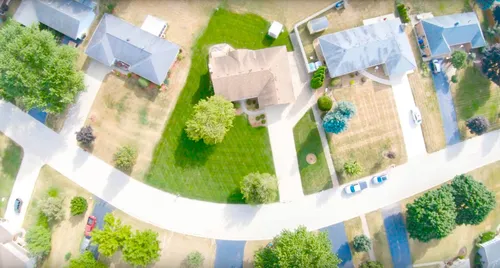
Carefree Lawn Sprinklers Inc.
22049 Howell Dr, New Lenox, IL 60451
Carefree Lawn Sprinklers Inc. is a lawn care and irrigation company serving Chicago, IL. They provide lawn fertilization, weed control, sprinkler installation and repair, lawn aeration, mosquito control, outdoor lighting installation, and pond treatments. With over 35 years of experience since 1987, they specialize in maintaining healthy lawns through expert irrigation system services and nutrient management. They also offer certified RPZ backflow device testing to ensure compliance and safety.
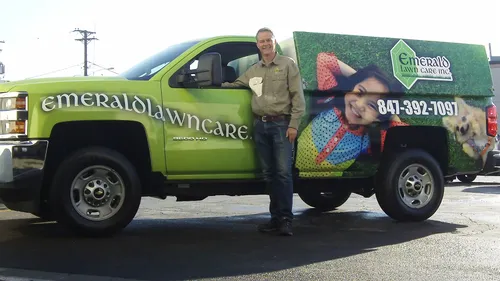
Emerald Lawn Care
574 Wheeling Rd, Wheeling, IL 60090
Emerald Lawn Care is a lawn care company serving Chicago, IL, and the northwest Chicago suburbs. They provide lawn fertilization, weed control, and general lawn care services. Their service area includes communities such as Rolling Meadows, Arlington Heights, Palatine, Mount Prospect, Barrington, Buffalo Grove, and Schaumburg. Emerald Lawn Care is committed to customer satisfaction, offering re-application or refunds if clients are not happy with their lawn treatments.
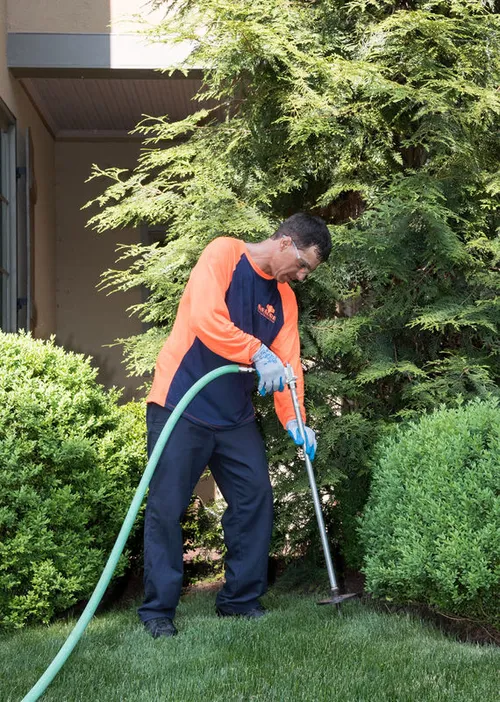
SavATree - Tree Service & Lawn Care
3520 Commercial Ave, Northbrook, IL 60062
SavATree - Tree Service & Lawn Care has been serving the Chicago, IL area and its surroundings for over 40 years. The company offers a wide range of outdoor services including tree and shrub pruning, lawn fertilization, weed control, insect and disease management, stump grinding, and landscape lighting installation. Their team of ISA Certified Arborists provides expert diagnosis and personalized care to maintain the health and beauty of residential and commercial properties. SavATree also offers 24/7 emergency tree services to address storm damage and other urgent tree-related issues.
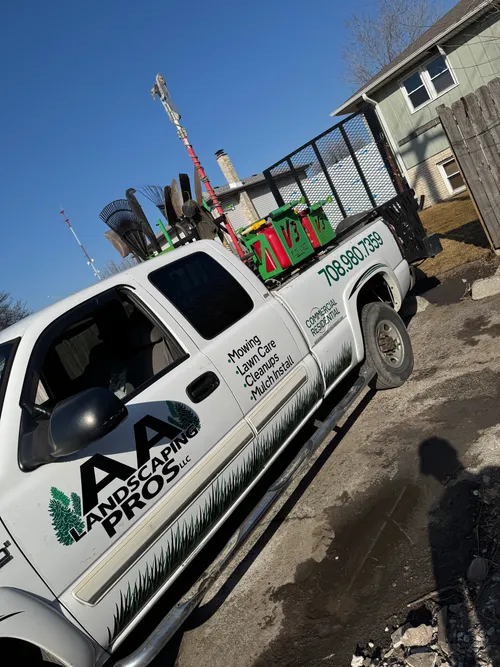
AA Landscaping Pros LLC
9045 Natoma Ave, Oak Lawn, IL 60453
AA Landscaping Pros LLC is a landscaping and lawn care company based in Oak Lawn, serving the Southwest Suburbs of Chicago, including areas like Hickory Hills, Bedford Park, and Orland Park. They provide a range of services such as lawn mowing, fertilization, weed control, yard cleanups, and landscape design for both residential and commercial clients. Their expertise includes customized landscaping solutions tailored to client needs.
VILLA Property Maintenance
4140 N Monticello Ave APT 3, Chicago, IL 60618
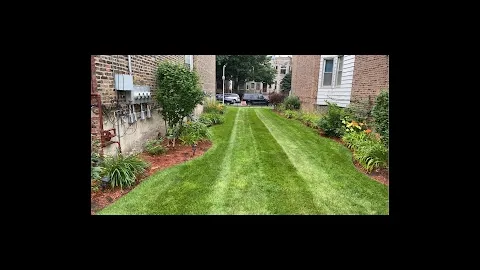
VILLA Property Maintenance offers a wide range of property maintenance services in Chicago, IL, including lawn care, landscaping, snow removal, and junk removal. They serve both residential and commercial properties, as well as parking lots and condo associations. Their capabilities include lawn fertilization, weed control, shrub trimming, mulching, and hardscaping such as pavers and retaining walls. The company provides year-round routine maintenance to keep properties well-maintained throughout the seasons.
Understanding Elmhurst's Lawn Environment
Elmhurst lawns are predominantly composed of cool-season grasses, including Kentucky Bluegrass, Fine Fescue, and Perennial Ryegrass. These grass types have two primary growth spurts: one in the cool spring and another, more crucial one, in the cool fall. This growth cycle directly dictates the timing and type of lawn care required. The local climate, with its cold winters and warm, humid summers, presents specific challenges, such as summer drought stress and winter freeze damage, which a proper fertilization and weed control program is designed to mitigate.
The Core of a Healthy Lawn: Seasonal Fertilization
Fertilizing your lawn isn't a one-time event; it's a yearly program designed to support the grass through its natural growth cycles. For Elmhurst properties, this typically involves four to six applications throughout the year.
- Early Spring (Late February - April): This "wake-up" application uses a light, balanced fertilizer to encourage green-up and initial growth after winter dormancy. It often coincides with a pre-emergent herbicide to prevent crabgrass.
- Late Spring (April - May): A second application promotes lush, thick growth to help the lawn outcompete weeds. The nutrient blend is formulated to support top growth.
- Summer (June - August): During the heat stress of an Illinois summer, fertilization is often lighter or skipped to avoid burning the grass. The focus shifts to monitoring for insect damage (like grubs) and ensuring the lawn gets adequate water.
- Late Summer/Fall (August - October): This is the most critical feeding period for cool-season grasses. A fall fertilizer, sometimes called a winterizer, is high in potassium to promote deep root development, disease resistance, and nutrient storage before the winter freeze. This application is key to a healthy comeback the following spring 1 2.
A balanced fertilizer with an NPK ratio like 4-1-2 (Nitrogen-Phosphorus-Potassium) is often recommended for achieving a deep green color and supporting overall turf health in the region.
Targeted Weed Management Strategies
Weed control works hand-in-hand with fertilization. A thick, well-fed lawn is the first and best defense against weeds. However, targeted herbicide applications are necessary to manage common Elmhurst invaders like dandelions, creeping charlie, and clover.
Weed control is most effective when timed to the weed's active growth phases:
- Spring: Broadleaf weed control is common as dandelions and other weeds emerge and flower.
- Fall: This is an excellent time for weed control, as perennial weeds are actively moving nutrients down to their roots. Herbicides applied in fall are transported to the root system, providing effective control.
Professional services often use selective herbicides that target broadleaf weeds without harming your desirable grass, and they time pre-emergent applications precisely to create a barrier against annual weeds like crabgrass.
Find the perfect lawn treatment companies for your needs
Get personalized recommendations and expert advice
Beyond Feeding and Spraying: Essential Supporting Services
A complete lawn care program includes practices that enhance the effectiveness of fertilization and weed control.
- Core Aeration: This is a vital service for compacted Illinois soils. Performed by pulling small plugs of soil from the lawn, aeration alleviates compaction, improves water and nutrient penetration to the roots, and enhances soil health. The ideal time for aeration in Elmhurst is early fall, often paired with overseeding 3 4.
- Overseeding: Adding new grass seed, especially after aeration, helps fill in thin areas, improve lawn density, and introduce newer, more resilient grass varieties. Fall is the perfect time for seeding cool-season grasses.
- Soil Health: While not always visible, the soil ecosystem is the foundation of your lawn. Practices like aeration and using quality fertilizers contribute to a healthy soil food web, which supports robust grass growth.
What to Expect from Professional Lawn Care
Many Elmhurst homeowners partner with local lawn care experts who provide tailored, seasonal programs. These programs bundle fertilization, weed control, and often other services like insect control into a scheduled plan. Local companies are familiar with the specific grass types, soil conditions, and common pests in the area, allowing them to make precise adjustments throughout the year 5 6.
When considering a professional service, look for providers who offer a customized plan based on a lawn analysis, use high-quality products, and communicate clearly about what each application entails. A reputable company will explain their seasonal schedule and the purpose behind each visit.
Investing in Your Lawn's Health
The cost for professional lawn fertilization and weed control in Elmhurst varies based on the size of your lawn, the number of annual visits, and the specific services included. Here's a general overview based on common industry practices:
- A basic annual program encompassing 4-6 visits for fertilization and weed control can range from approximately $300 to $600 per year, though this can vary widely 7.
- Individual spot treatments for weed control may cost between $50 and $100 per visit.
- Core aeration, a highly recommended add-on service, typically ranges from $150 to $300 or more and is often most valuable when bundled with a fall fertilization and seeding service 8.
Investing in a consistent care program not only enhances your property's curb appeal but also builds a more resilient turf that can better withstand environmental stresses, ultimately saving you money and effort on repairs and renovations in the long run.
Frequently asked questions
Sources
Footnotes
-
What Times of the Year is Best to Do Lawn Fertilization in Illinois? - https://linnemannlawncare.com/blog/what-times-of-the-year-is-best-to-do-lawn-fertilization-in-illinois/ ↩
-
How To Fertilize Your Lawn In Fall - https://www.merrillservices.com/blog/how-to-fertilize-your-lawn-in-fall ↩
-
Lawn Care Guide for Illinois Homeowners - LawnStarter - https://www.lawnstarter.com/blog/illinois/lawn-care-guide-illinois/ ↩
-
Month-to-Month Illinois Lawn Care Schedule - Lawn Love - https://lawnlove.com/blog/illinois-lawn-care-schedule/ ↩
-
Weed Control Elmhurst, IL - Weiss Lawn Care - https://www.weisslawnandsnow.com/weed-control-elmhurst-il.php/ ↩
-
Weed Control Service - Elmhurst, Illinois (60126) - Lawn Doctor - https://www.lawndoctor.com/blog/weed-control-service-elmhurst-illinois-60126/ ↩
-
How much does lawn care service cost? - Green Lawn Fertilizing - https://www.greenlawnfertilizing.com/blog/how-much-does-lawn-care-service-cost ↩
-
How Much to Charge For Lawn Mowing: Pricing Charts and Formula - https://www.getjobber.com/academy/lawn-care/how-to-price-out-lawn-care-services/ ↩