Find the Best Lawn Treatment Companies for Your Business
No obligation • Fast responses • Nationwide coverage

Why you can trust Landscape Atlas
Landscape Atlas is a leading United States resource for evaluating landscaping, lawn care, and outdoor service providers. Our team researches each category in depth, focusing on service quality, safety, and customer experience. Listings and rankings are based on independent criteria and user feedback, and companies cannot pay to influence our assessments or recommendations.
Search providers near you
Top Lawn Treatment Companies in Cambridge, Massachusetts Ranked
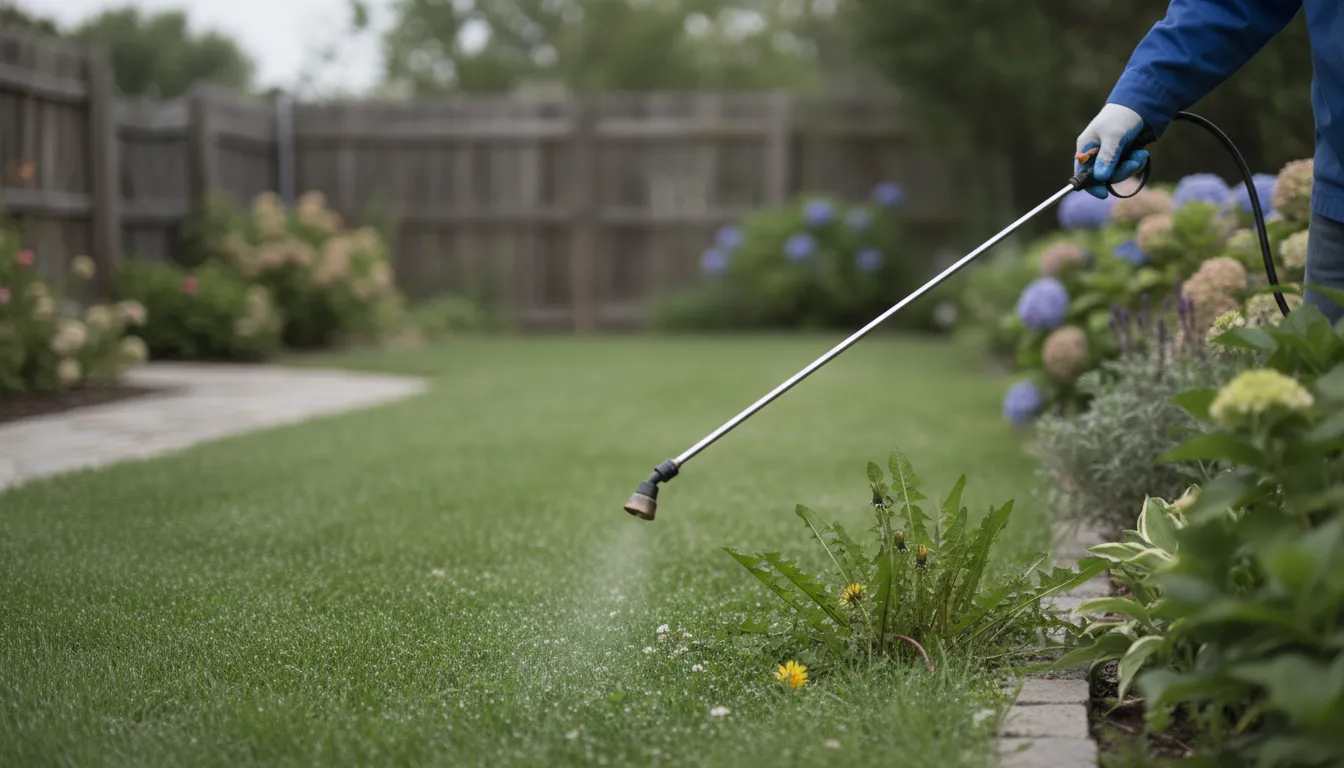
A healthy, vibrant lawn is more than just a patch of green; it's a living ecosystem that enhances your property's curb appeal, provides a space for relaxation, and contributes to the local environment. Lawn fertilization and weed control are the twin pillars of maintaining this health, providing essential nutrients to your grass while suppressing invasive plants that compete for resources. For Cambridge homeowners, navigating the specific needs of cool-season grasses and the local climate is key. This guide will help you understand the what, why, and when of professional turf nutrition and weed management, empowering you to find the right local expertise for your property.
Velvet Green Organic Lawn Care
384 Lowell St STE 206A, Wakefield, MA 01880
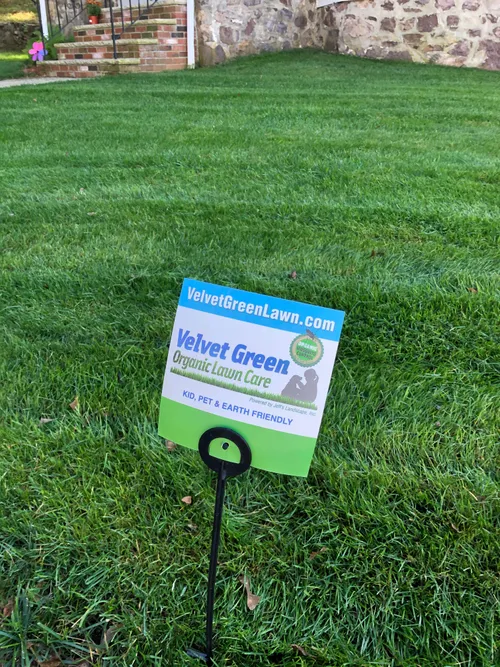
Velvet Green Organic Lawn Care is a lawn care company based in Boston, MA, specializing in organic lawn fertilization and weed control services. They focus on sustainable lawn treatments using organic-based and reduced-risk products to protect the environment, families, and pets. The company offers a range of lawn care services including aeration and fertilization, aiming to promote healthy, vibrant lawns throughout Massachusetts. Velvet Green Organic Lawn Care is locally owned and emphasizes eco-friendly practices to support community well-being.
Simply Lawn Care Services
802 Main St Lower Level, Melrose, MA 02176
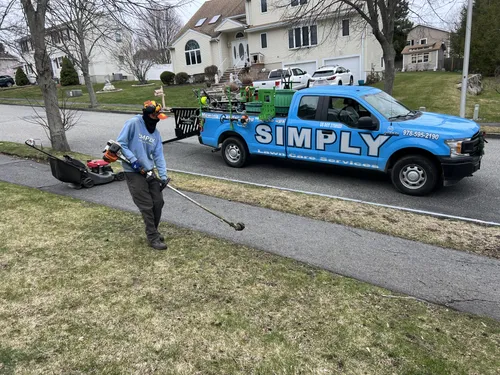
Simply Lawn Care Services provides professional landscaping and lawn care solutions in Boston, MA. They offer comprehensive lawn maintenance, including hybrid and organic fertilization, weed control, and precision landscaping to enhance outdoor spaces. Serving Stoneham, Wakefield, Saugus, Melrose, and Malden, the company focuses on hassle-free transformations and reliable lawn care.
JR's Landscaping & Sons LLC
3 Sorelle Pl, Burlington, MA 01803
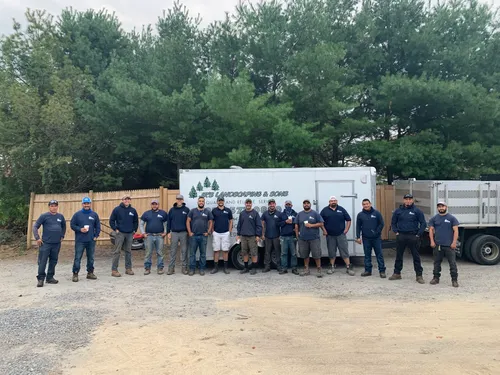
JR's Landscaping & Sons LLC is a full-service landscaping company serving Boston, MA, and Middlesex County. They provide a wide range of services including lawn mowing, lawn fertilization, weed control, sod installation, fence installation, landscape lighting, sprinkler installation and repair, hardscaping with patios and retaining walls, and custom landscape design. With over 20 years of experience since 1997, they offer year-round solutions tailored to maintain and enhance outdoor spaces for both residential and commercial properties. Their capabilities include expert hardscape installations such as stone walkways, patios, and retaining walls designed for New England weather conditions.
Lawn Doctor of Boston
25 Channel Center St UNIT 401, Boston, MA 02210
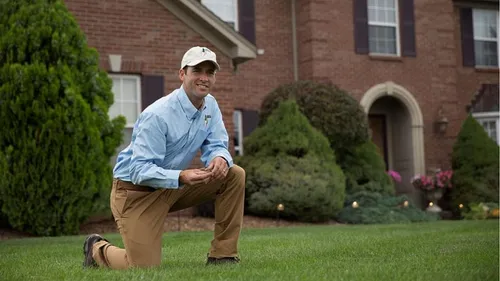
Lawn Doctor of Boston provides lawn care and pest control services in Boston, MA. They offer customized treatment plans based on a free lawn analysis to address specific lawn health needs. Their services include fertilization, pest control for various lawn pests, and annual lawn care programs designed to maintain lawn health year-round. The company serves Boston and surrounding communities including Metro West, Framingham, Newton, Milton, Dedham, Braintree, Weymouth, and Quincy. Lawn Doctor of Boston emphasizes flexible scheduling and tailored care plans to meet customer needs.
Truly Lawn
40 Canal St, Medford, MA 02155
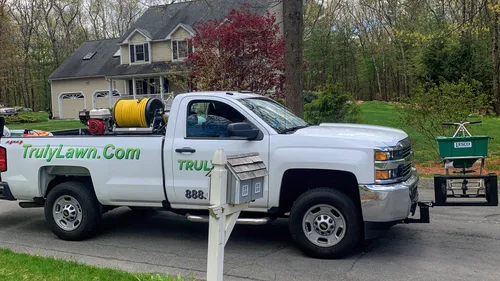
Truly Lawn is a lawn care and tree service company based in Boston, MA, serving all corners of Massachusetts. They offer a range of services including lawn fertilization, weed and insect control, mosquito and tick control, tree and shrub care, overseeding, and stump grinding. Their approach includes tailored fertilization programs using both liquid and granular applications to promote healthy, vibrant lawns. Truly Lawn emphasizes eco-friendly options and custom solutions to meet the unique needs of each lawn.
Understanding Cambridge's Cool-Season Turf
The foundation of any effective lawn care program is understanding the type of grass you have. In Cambridge and throughout New England, lawns are predominantly composed of cool-season grasses like Kentucky Bluegrass, Perennial Ryegrass, and various Fescues (Tall & Fine). These grasses thrive in the cooler temperatures of spring and fall, entering a period of dormancy or slowed growth during the heat of summer. The primary goal of a fertilization and weed control regimen is to support a lush, dense turf canopy. A thick lawn is naturally more resistant to weed invasion, disease, and environmental stress, creating a resilient outdoor carpet that can withstand foot traffic and the region's variable weather.
The Core of a Professional Program: Seasonal Timing
A haphazard approach to feeding and weed suppression often leads to wasted effort and poor results. Professional lawn care is built on a calendar-based strategy that aligns with the natural growth cycles of your grass and the life cycles of common weeds. A typical comprehensive program in Cambridge involves between four to six seasonal treatments.
- Early Spring (Late March - April): This critical first application focuses on "greening up" the lawn after winter. It includes a balanced, slow-release fertilizer to kickstart growth and a pre-emergent herbicide targeted at crabgrass, which germinates when soil temperatures consistently reach 55°F. Broadleaf weed control for dandelions and other early emergers is also common.
- Late Spring (May - June): As growth accelerates, a second round of fertilizer supports the lawn's energy needs. This visit often includes follow-up broadleaf weed control to tackle any escapes from the first application or new weeds like clover.
- Summer (July - August): The focus shifts to maintaining health without forcing excessive growth during heat stress. A light, slow-release nitrogen application may be used to maintain color, with post-emergent weed control applied only as needed for spot-treating visible weeds.
- Late Summer / Early Fall (Late August - September): This is arguably the most important feeding of the year. A fall fertilizer application is designed to promote deep root development, which strengthens the grass for the winter ahead and prepares it for a robust spring green-up 1. Broadleaf weed control is also effective at this time.
- Fall (October - November): The final "winterizer" treatment provides nutrients that are stored in the roots, further enhancing winter hardiness. A fall pre-emergent may also be applied to target winter annual weeds like chickweed and henbit, which germinate in the cool fall soil.
The Science of Weed Management: Pre-Emergent vs. Post-Emergent
Effective weed control is a tactical operation. Professionals use two main strategies, often in combination:
- Pre-Emergent Herbicides: These products form a barrier in the soil that prevents weed seeds from successfully germinating. They are applied before weeds appear. Timing is absolutely critical-applied too early or too late, and they lose effectiveness. In Cambridge, key pre-emergent windows are in early spring for crabgrass and in the fall for winter annual weeds 2 3 4.
- Post-Emergent Herbicides: These are used to kill weeds that are already visible and growing in your lawn. They are most effective on young, actively growing weeds. Professionals will identify the specific weed type (broadleaf vs. grassy) and choose a selective herbicide that targets the weed without harming the desirable turfgrass 5.
A professional turf care plan strategically layers these approaches, creating a defensive barrier against future weeds while eliminating existing problems.
Find the perfect lawn treatment companies for your needs
Get personalized recommendations and expert advice
What to Expect: Service Scope and Investment
When engaging a professional for lawn feeding and weed management, understanding the service scope and cost structure is important. Most companies offer annual programs that bundle the season's essential visits into one plan, which often provides better value and consistent care.
For a standard annual program in Cambridge covering 4-6 visits with fertilization and weed control, homeowners can expect an average investment ranging from $300 to $600 or more 6. The final cost is influenced by several factors:
- Lawn Size: This is the primary cost driver. While prices may be quoted per visit (typically $60-$100+), they are almost always based on the square footage of your property 7.
- Product Type: Programs utilizing organic or specialized slow-release fertilizers often carry a premium, sometimes 30-50% more than standard synthetic programs 8 9.
- Property Conditions: Lawns with severe weed infestations, poor soil, or significant slope may require additional products or labor, affecting the price.
- Company & Service Tier: Established companies with extensive training and insurance may charge more than smaller operators. Many also offer tiered plans (e.g., basic, plus, premium) with varying levels of nutrient analysis, soil amendments, or pest control add-ons.
It's always wise to get detailed quotes from a few local providers that outline exactly what is included in each visit and the specific products they intend to use.
Beyond Chemicals: Supporting Lawn Health Holistically
While fertilization and weed control are central, the most enduring lawn health comes from supporting the entire system. Reputable lawn care experts often discuss complementary practices:
- Proper Mowing: Keeping grass at an ideal height (often 3-4 inches for cool-season varieties) shades the soil, conserves moisture, and discourages weed seeds from germinating.
- Core Aeration: Performing this service every year or two alleviates soil compaction, improves water and nutrient penetration, and strengthens root systems.
- Overseeding: Introducing new grass seed, particularly in the fall, helps fill in thin areas, increasing turf density and naturally crowding out weeds.
Integrating these cultural practices with a sound chemical program creates a resilient lawn that requires less intervention over time.
Choosing a Provider in Cambridge
Selecting the right company for your lawn nutrition and weed suppression needs involves more than just comparing prices. Look for licensed and insured professionals who are willing to visit your property to provide a custom quote. Ask about their specific experience with cool-season grasses and local soil conditions. Inquire about the types of fertilizers and herbicides they use and their approach to environmental safety. Finally, check for reviews or testimonials from other Cambridge residents to gauge reliability and customer service. A trustworthy provider will be an educator, clearly explaining their plan and how it aligns with your lawn's health goals.
Frequently asked questions
Sources
Footnotes
-
Seasonal Lawn Care Maintenance and Treatment Schedule - https://www.trugreen.com/lawn-care-101/blog/trugreen-lawn-care-services/lawn-maintenance-checklist ↩
-
5 Application Lawn Program - https://naturescapelawncare.com/us/services/lawncare/5app/ ↩
-
Annual Grassy Weed Control for Lawns : Home Lawn & Garden - https://www.umass.edu/agriculture-food-environment/home-lawn-garden/fact-sheets/annual-grassy-weed-control-for-lawns ↩
-
Seasonal Guide to Pre-Emergent Lawn Care in Massachusetts - https://www.turfunlimited.com/2025/11/10/seasonal-guide-to-pre-emergent-lawn-care-in-massachusetts/ ↩
-
Annual lawn care schedule: The ultimate 2025 guide! - https://salcorplandscaping.com/annual-lawn-care-schedule/ ↩
-
Affordable Lawn Care Plans & Pricing Options - TruGreen - https://www.trugreen.com/products-and-services ↩
-
average cost of lawn fertilization service: 7 Best 2025 Wins - https://ajmgrounds.com/average-cost-of-lawn-fertilization-service/ ↩
-
How Much Does Lawn Fertilization Cost In Massachusetts and Rhode Island? - https://lawnprolawncare.com/how-much-does-lawn-fertilization-cost-in-massachusetts-and-rhode-island/ ↩
-
How much does lawn care service cost? - Green Lawn Fertilizing - https://www.greenlawnfertilizing.com/blog/how-much-does-lawn-care-service-cost ↩