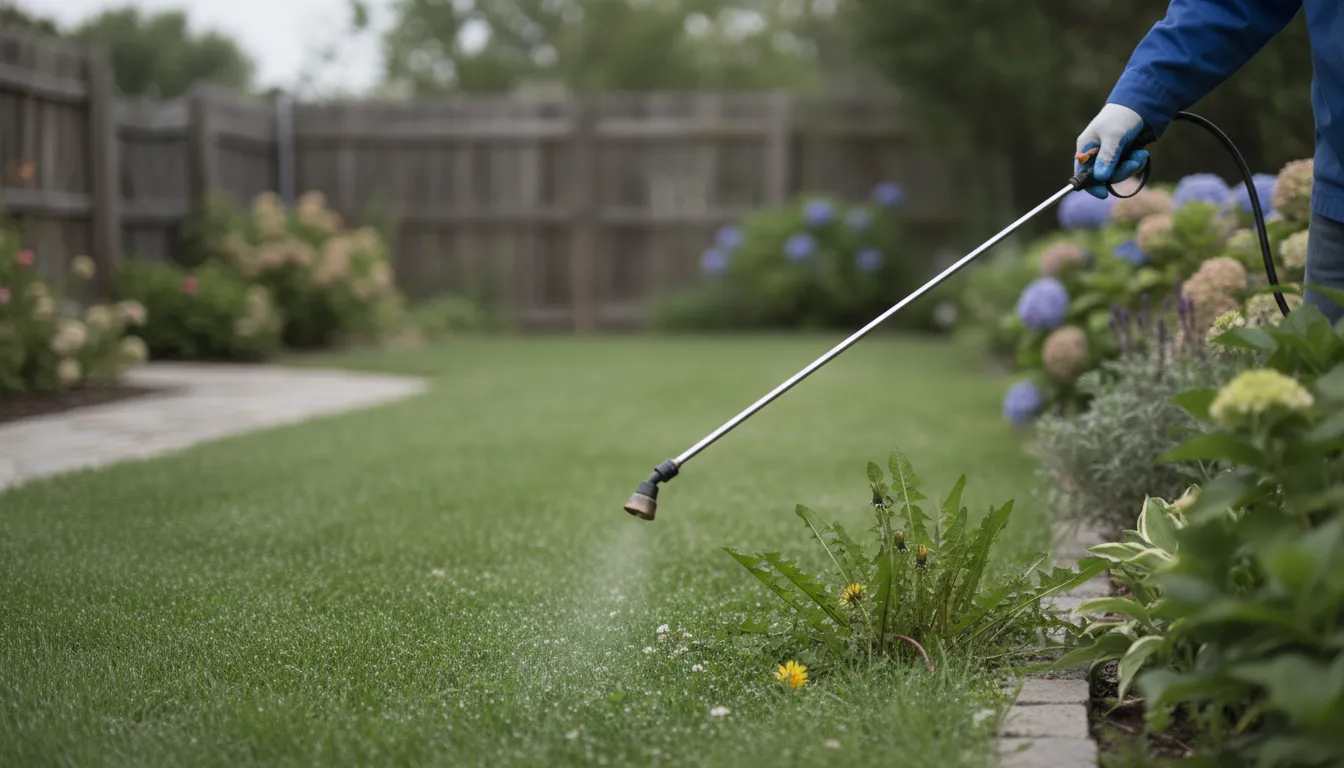
Find the Best Lawn Treatment Companies for Your Business
No obligation • Fast responses • Nationwide coverage

Why you can trust Landscape Atlas
Landscape Atlas is a leading United States resource for evaluating landscaping, lawn care, and outdoor service providers. Our team researches each category in depth, focusing on service quality, safety, and customer experience. Listings and rankings are based on independent criteria and user feedback, and companies cannot pay to influence our assessments or recommendations.
Search providers near you
Top Lawn Treatment Companies in Lowell, Massachusetts Ranked
A healthy, vibrant lawn in Lowell requires a strategic approach to feeding your grass and managing unwanted weeds. Lawn fertilization and weed control are essential services that provide your turf with the nutrients it needs to thrive while suppressing invasive plants that compete for resources. For homeowners in the Merrimack Valley, understanding the specific needs of cool-season grasses and the local climate is key to a successful lawn care program. This guide will help you navigate the options for professional lawn treatment, from seasonal timing to program types, so you can find the right local expertise for your property.
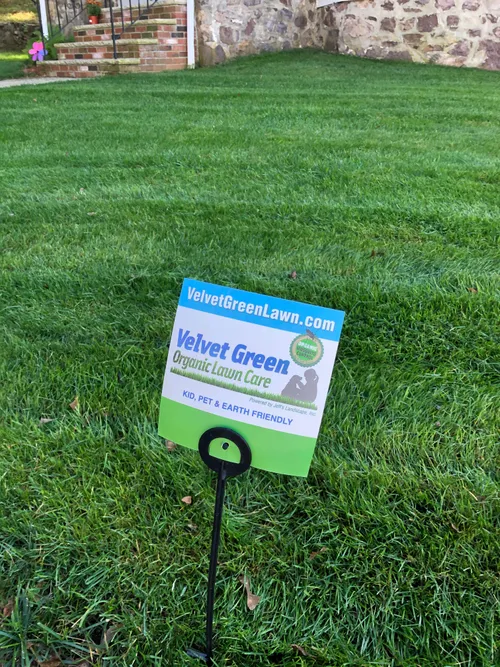
Velvet Green Organic Lawn Care
384 Lowell St STE 206A, Wakefield, MA 01880
Velvet Green Organic Lawn Care is a lawn care company based in Boston, MA, specializing in organic lawn fertilization and weed control services. They focus on sustainable lawn treatments using organic-based and reduced-risk products to protect the environment, families, and pets. The company offers a range of lawn care services including aeration and fertilization, aiming to promote healthy, vibrant lawns throughout Massachusetts. Velvet Green Organic Lawn Care is locally owned and emphasizes eco-friendly practices to support community well-being.
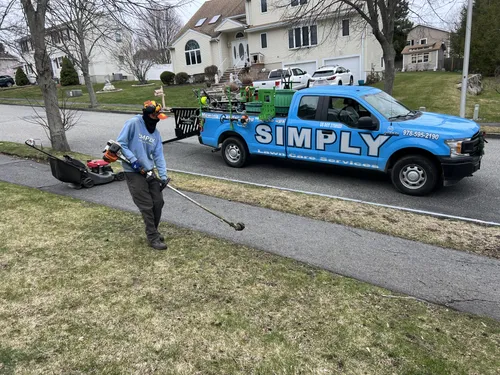
Simply Lawn Care Services
802 Main St Lower Level, Melrose, MA 02176
Simply Lawn Care Services provides professional landscaping and lawn care solutions in Boston, MA. They offer comprehensive lawn maintenance, including hybrid and organic fertilization, weed control, and precision landscaping to enhance outdoor spaces. Serving Stoneham, Wakefield, Saugus, Melrose, and Malden, the company focuses on hassle-free transformations and reliable lawn care.
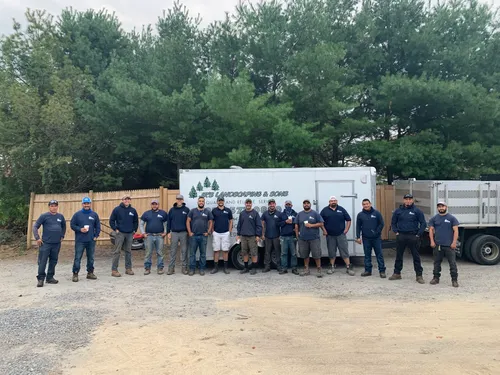
JR's Landscaping & Sons LLC
3 Sorelle Pl, Burlington, MA 01803
JR's Landscaping & Sons LLC is a full-service landscaping company serving Boston, MA, and Middlesex County. They provide a wide range of services including lawn mowing, lawn fertilization, weed control, sod installation, fence installation, landscape lighting, sprinkler installation and repair, hardscaping with patios and retaining walls, and custom landscape design. With over 20 years of experience since 1997, they offer year-round solutions tailored to maintain and enhance outdoor spaces for both residential and commercial properties. Their capabilities include expert hardscape installations such as stone walkways, patios, and retaining walls designed for New England weather conditions.
Lawn Doctor of Boston
25 Channel Center St UNIT 401, Boston, MA 02210
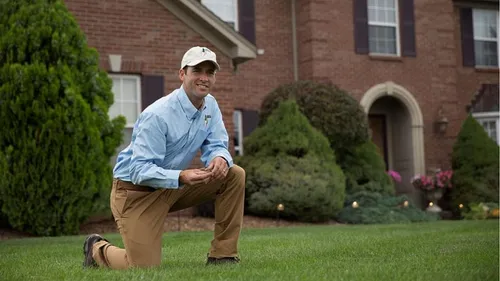
Lawn Doctor of Boston provides lawn care and pest control services in Boston, MA. They offer customized treatment plans based on a free lawn analysis to address specific lawn health needs. Their services include fertilization, pest control for various lawn pests, and annual lawn care programs designed to maintain lawn health year-round. The company serves Boston and surrounding communities including Metro West, Framingham, Newton, Milton, Dedham, Braintree, Weymouth, and Quincy. Lawn Doctor of Boston emphasizes flexible scheduling and tailored care plans to meet customer needs.
Truly Lawn
40 Canal St, Medford, MA 02155
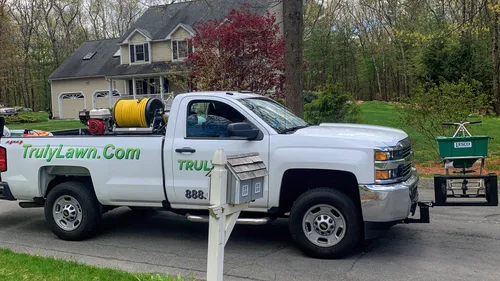
Truly Lawn is a lawn care and tree service company based in Boston, MA, serving all corners of Massachusetts. They offer a range of services including lawn fertilization, weed and insect control, mosquito and tick control, tree and shrub care, overseeding, and stump grinding. Their approach includes tailored fertilization programs using both liquid and granular applications to promote healthy, vibrant lawns. Truly Lawn emphasizes eco-friendly options and custom solutions to meet the unique needs of each lawn.
Understanding Your Lowell Lawn's Needs
The foundation of effective lawn care in Lowell begins with knowing what type of grass you have. The region's climate supports cool-season grasses, which grow most vigorously in the spring and fall when temperatures are moderate. The most common varieties in local lawns include Kentucky Bluegrass, Perennial Ryegrass, Fine Fescue, and Tall Fescue 1. These grasses have specific nutritional demands and are susceptible to certain weeds that flourish in New England, making a tailored fertilization and weed management plan crucial.
A one-size-fits-all approach rarely works. Your soil's pH, compaction level, sun exposure, and drainage all influence how your grass responds to fertilizer and how vulnerable it is to weed invasion. Many professional lawn care services in the area begin with a soil test to identify deficiencies and create a customized plan. This scientific approach ensures your lawn gets exactly what it needs, promoting deep root growth and dense turf that naturally resists pests and disease.
The Core of Professional Lawn Care: Seasonal Programs
Most local providers structure their services around a multi-visit seasonal program. These programs are designed to deliver the right products at the right time throughout the year, addressing the changing needs of your lawn. A typical program in Lowell involves between four and six visits annually, combining slow-release fertilizers with targeted weed control applications.
The goal of these programs is not just a green lawn in May, but a resilient turf that can survive summer heat, winter cold, and recover from foot traffic. By scheduling visits at optimal times, professionals can proactively prevent problems like crabgrass before it sprouts and tackle stubborn broadleaf weeds when they are most vulnerable. This systematic method is often more effective and cost-efficient than reacting to issues as they appear.
Conventional Lawn Treatment Programs
The most widely offered option is the conventional multi-step lawn care program. This approach utilizes synthetic, fast-acting fertilizers and selective herbicides to promote growth and eliminate weeds. A standard 5-step program often follows this seasonal rhythm:
- Early Spring (March-April): Application of a pre-emergent herbicide to prevent crabgrass seeds from germinating, paired with a light fertilizer to encourage green-up.
- Late Spring (May-June): A broader weed control application targeting active broadleaf weeds like dandelions and clover, combined with a balanced fertilizer.
- Summer: Depending on the program, may include spot treatments for weeds or insect control.
- Late Summer/Early Fall (August-September): This is considered the most important time for lawn health. Treatments focus on root development and recovery from summer stress, often alongside core aeration.
- Late Fall (October-November): A "winterizer" fertilizer application. This slow-release formula strengthens roots for the winter months and provides a nutrient reserve for a quick green-up the following spring.
Organic and Pollinator-Friendly Alternatives
For homeowners interested in minimizing synthetic inputs, several local companies offer organic lawn care programs. These plans emphasize soil health as the foundation of a healthy lawn. They use natural, slow-release fertilizers like compost teas, corn gluten meal (which also acts as a pre-emergent), and other organic amendments to feed the soil microbiome.
Weed control in organic programs often relies on manual removal, natural herbicides (like vinegar-based solutions for spot treatment), and cultural practices that strengthen the grass to outcompete weeds. Some providers offer specific "Pollinator Friendly Healthy Lawn Programs" that carefully time mowing and avoid certain products to protect bees and other beneficial insects 2. While results may take longer to become visible compared to conventional programs, this approach builds long-term soil vitality and is an excellent choice for families and pet owners.
Key Seasonal Timing for Lowell Lawns
Sticking to nature's schedule is the secret to lawn care success. Here's a breakdown of the critical windows for lawn treatment in Lowell:
- Early Spring (March-April): The primary goal is crabgrass prevention. Applying a pre-emergent herbicide before soil temperatures consistently reach 55°F is crucial, as this is when crabgrass seeds begin to germinate 3. A light fertilizer application helps the grass recover from winter and start growing.
- Late Spring/Early Summer (May-June): As soil temperatures warm, broadleaf weeds become actively growing and are most susceptible to post-emergent herbicides. This is the time to target dandelions, plantain, and ground ivy. A balanced fertilizer supports continued top growth.
- Late Summer/Early Fall (August-September): This is arguably the best time for major lawn improvements. The warm soil and cool air are ideal for grass seed germination and root growth. It's the perfect window for overseeding to fill in thin areas and core aeration to relieve soil compaction-but note that seeding should be avoided if a pre-emergent herbicide was applied in the spring, as it will prevent grass seeds from germinating too. A fall fertilizer application encourages deep root development.
- Late Fall (October-November): The final application of the year, the winterizer fertilizer, is vital. It provides nutrients that are stored in the roots, leading to a healthier, greener lawn at the first signs of spring. It's also a good time for a final check for grubs or persistent weeds.
Find the perfect lawn treatment companies for your needs
Get personalized recommendations and expert advice
Common Add-On Services for a Complete Lawn
While fertilization and weed control form the backbone of lawn health, they are often complemented by other vital services. Bundling these with your core program can enhance results and sometimes offer cost savings.
- Core Aeration: This process involves removing small plugs of soil from your lawn to alleviate compaction, allowing air, water, and nutrients to reach the root zone more effectively. It's highly recommended in the fall or spring and dramatically improves the efficacy of fertilization 4.
- Overseeding: After aeration, spreading new grass seed helps thicken the turf, crowd out weeds, and introduce newer, more resilient grass varieties. The late summer/early fall window is ideal for this in Lowell 5.
- Grub and Insect Control: White grubs, the larvae of beetles, can cause significant damage by feeding on grass roots. Professional services can assess grub populations and apply targeted controls if necessary, often in late summer.
- Lime Applications: If a soil test reveals acidic soil (common in New England), applying lime helps raise the pH, making nutrients in the soil more available to your grass.
Understanding Costs for Lawn Treatment Services
Investing in professional lawn care is an investment in your property's curb appeal and value. Costs in Lowell vary based on your lawn's size, the complexity of the terrain, the type of program (conventional vs. organic), and the provider's reputation.
On a per-visit basis, a standard fertilization and weed control application typically ranges from $40 to $100 6 7. Most homeowners opt for an annual package, which usually includes 4 to 6 visits and costs between $250 and $500+ for the season 8 6. These package prices often represent a discount compared to paying for each service individually.
Add-on services are priced separately. For example, core aeration can range from $150 to $750+, with overseeding adding additional cost 9 10. The best way to get an accurate price is to request a free on-site estimate from a local provider, who can measure your lawn and discuss your specific goals.
Choosing a Lawn Care Provider in Lowell
With several companies offering lawn treatment services in the area, making a choice comes down to a few key steps:
- Seek Local Expertise: Choose a provider familiar with Lowell's specific climate, soil types, and common weed pressures. Companies like Turf Unlimited, which service the area, design programs based on this local knowledge.
- Review and Compare: Check reviews on platforms like Yelp to see feedback from other Lowell homeowners regarding reliability, results, and customer service 11.
- Ask Questions: During an estimate, ask about their specific program steps, the products they use, their approach to environmental safety, and whether they offer guarantees on their work.
- Get a Detailed Quote: Ensure the quote clearly outlines the number of visits, the services included at each visit, and the total cost for the season. Understand what is not included and the pricing for common add-ons.
Frequently asked questions
Sources
Footnotes
-
Lowell, MA Lawn Care | 6000+ 5-Star Reviews - https://www.getsunday.com/local-guide/lawn-care-in-lowell-ma ↩
-
Pollinator Friendly Healthy Lawn Program - https://www.atlanticlawnservice.com/pollinator-friendly-healthy-lawn-program/ ↩
-
Seasonal Guide to Pre-Emergent Lawn Care in Massachusetts - https://www.turfunlimited.com/2025/11/10/seasonal-guide-to-pre-emergent-lawn-care-in-massachusetts/ ↩
-
How much does lawn care service cost? - Green Lawn Fertilizing - https://www.greenlawnfertilizing.com/blog/how-much-does-lawn-care-service-cost ↩
-
Lawn Care Month by Month - Weston Nurseries - https://www.westonnurseries.com/lawn-care-month-by-month/ ↩
-
How Much Does Lawn Fertilization Cost In Massachusetts and ... - https://lawnprolawncare.com/how-much-does-lawn-fertilization-cost-in-massachusetts-and-rhode-island/ ↩ ↩2
-
Average cost for weed and fertilizer treatments on a residential ... - https://www.facebook.com/groups/305770469602511/posts/2899885820190950/ ↩
-
Lawn Care & Landscaping In Lowell, MA | Turf Unlimited - https://www.turfunlimited.com/service-area/lowell-ma/ ↩
-
How Much Does Full Service Lawn Care Cost? Top 10 Tips 2024 - https://bostonlandscapeco.com/how-much-does-full-service-lawn-care-cost/ ↩
-
average cost of lawn fertilization service: 7 Best 2025 Wins - https://ajmgrounds.com/average-cost-of-lawn-fertilization-service/ ↩
-
TOP 10 BEST Lawn Fertilization in Lowell, MA - Yelp - https://m.yelp.com/search?find_desc=Lawn+Fertilization&find_loc=Lowell%2C+MA ↩