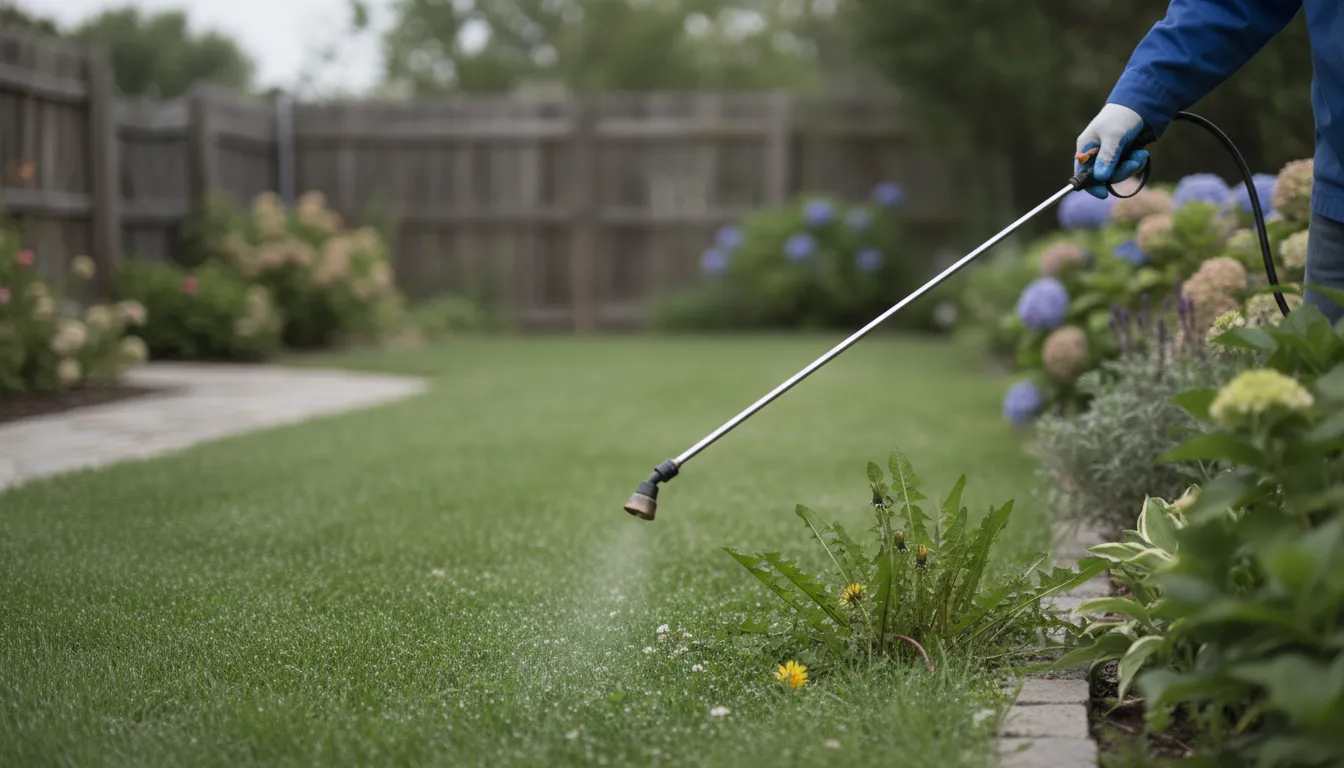
Find the Best Lawn Treatment Companies for Your Business
No obligation • Fast responses • Nationwide coverage

Why you can trust Landscape Atlas
Landscape Atlas is a leading United States resource for evaluating landscaping, lawn care, and outdoor service providers. Our team researches each category in depth, focusing on service quality, safety, and customer experience. Listings and rankings are based on independent criteria and user feedback, and companies cannot pay to influence our assessments or recommendations.
Search providers near you
Top Lawn Treatment Companies in Hillsborough, New Jersey Ranked
A healthy, vibrant lawn in Hillsborough requires more than just regular mowing. A professional lawn fertilization and weed control program is a systematic approach to feeding your grass the nutrients it needs while actively suppressing invasive weeds. This matters because the cool-season grasses common to our area have specific seasonal needs; proper timing and product selection are critical for root development, drought resistance, and a dense turf that naturally crowds out weeds. You can use this guide to understand the local approach, typical services, and how to evaluate providers to find the right fit for your property's specific needs.
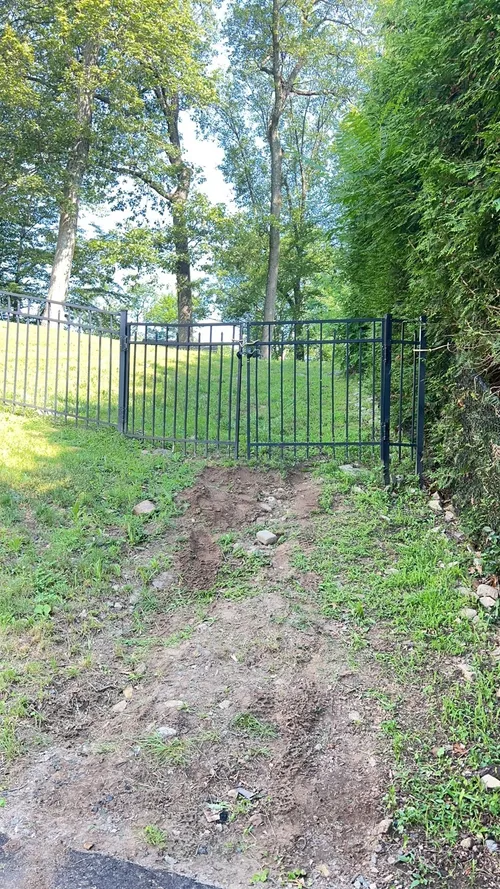
Lawn Buddies
267 NJ-33, Manalapan Township, NJ 07726
Lawn Buddies is a lawn care company serving New York, NY, specializing in lawn fertilization, weed control, and pest management. Their services include seasonal lawn fertilizer, weed and grub control, lime application, and mosquito and tick guard treatments. The company offers a satisfaction guarantee with unlimited service calls to maintain a healthy, pest-free lawn.
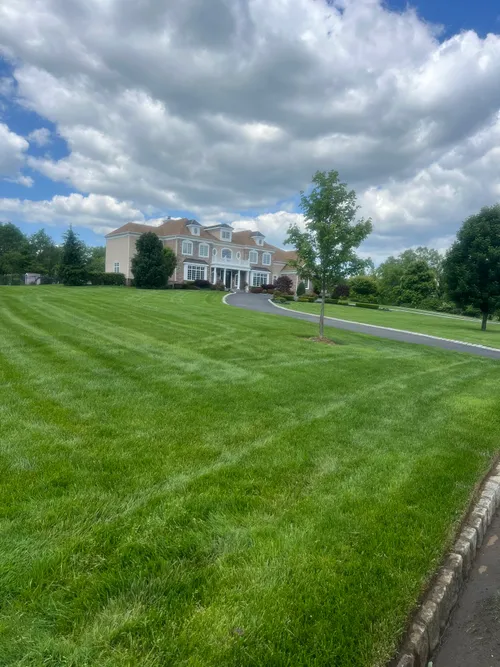
Lawn Buddies
200 Daniels Way, Freehold, NJ 07728
Lawn Buddies is a lawn care company serving New York, NY, specializing in lawn fertilization, weed control, and pest management. Their services include seasonal lawn fertilizer and weed control, grub control, lime application, and mosquito and tick guard treatments. The company offers a satisfaction guarantee with unlimited free service calls to maintain a weed-free and pest-free lawn.
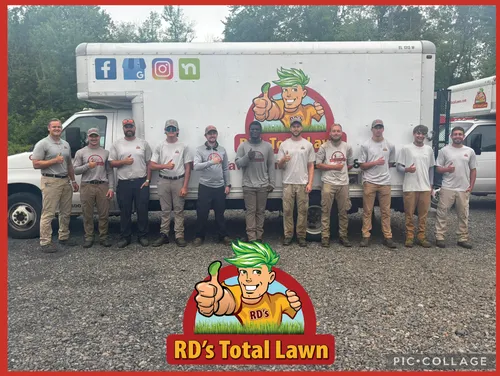
RD's Total Lawn
770 Willow Ave, Langhorne, PA 19047
RD's Total Lawn is a family-run lawn care company based near Philadelphia, PA, serving Bucks County. Since 2018, they have provided residential lawn services including fertilization, weed control, weekly mowing, aeration, overseeding, and yard cleanups. Their focus is on comprehensive lawn care, combining the personal touch of a small business with professional service.
Robert Thieling Landscaping LLC
Newark, NJ
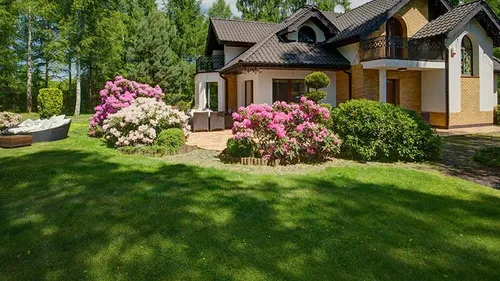
Robert Thieling Landscaping LLC is a full-service landscaping company based in Newark, NJ, serving both residential and commercial property owners. They offer a wide range of services including landscape design and construction, lawn care, sodding and seeding, garden maintenance, weed control, mulching, and hardscaping. The company is known for its personalized service and deep understanding of local regulations and landscaping best practices. Robert Thieling Landscaping LLC emphasizes sustainable maintenance and innovative design to create and preserve healthy, attractive outdoor spaces. Their approach includes efficient business practices to provide affordable landscaping solutions without hidden fees.
Haughey Brothers Landscaping LLC
New York, NY
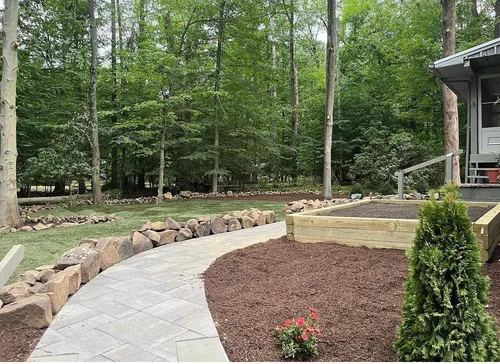
Haughey Brothers Landscaping LLC is a family-owned landscaping company serving New York, NY, and nearby areas in Union County, New Jersey. They specialize in creating luxury outdoor living spaces, offering services such as landscape design, custom hardscaping, lawn care, fence installation, sod and artificial turf installation, yard drainage, and landscape lighting. Their team focuses on transforming yards into functional and beautiful retreats with attention to detail and craftsmanship. The company has several years of experience and provides services for both residential and commercial properties. They also offer snow removal and winter maintenance services to support year-round outdoor care.
Understanding Hillsborough's Cool-Season Grasses
The foundation of any effective lawn care plan is knowing what type of grass you're growing. In Hillsborough and throughout New Jersey, cool-season grasses are the standard. These varieties, including Kentucky Bluegrass, Perennial Ryegrass, and various Fescues (Fine and Tall), thrive in the cooler temperatures of spring and fall. Their growth cycles peak during these seasons, which is why the timing of nutrient applications is so crucial. A fertilization schedule designed for warm-season grasses (common in the southern U.S.) would be ineffective and potentially harmful here. These grasses go semi-dormant and can brown during the summer heat, making proper spring and fall feeding essential for recovery and long-term vigor.
The Science of a Seasonal Lawn Care Program
Professional lawn treatment services in Hillsborough don't apply the same product all year. Instead, they follow a scientifically timed, multi-application program typically consisting of 5 to 7 visits. Each visit has a specific goal, aligning with soil temperature, grass growth stage, and weed life cycles to maximize effectiveness and minimize waste.
Early Spring (March - April): The Foundation
The first application is critical. As soil temperatures approach 55°F, it triggers crabgrass seeds to germinate. A combination of slow-release fertilizer and a pre-emergent herbicide is applied. This fertilizer gives the grass a gentle boost to start greening up, while the pre-emergent creates a barrier in the soil to prevent crabgrass and other grassy weeds from sprouting. This visit often includes a broadleaf weed control to tackle early weeds like dandelions.
Late Spring (April - May): Reinforcement
A second round of fertilizer and pre-emergent is applied to extend the crabgrass defense through the prime germination window. Broadleaf weed control is typically continued to manage any persistent issues, ensuring your lawn remains predominantly grass, not weeds.
Early Summer (June - July): Balanced Support
Summer stress is a major concern. This application usually features a balanced, slow-release fertilizer with a lower nitrogen content to avoid forcing lush growth during heat, which can weaken the grass. It often includes controls for surface-feeding insects like chinch bugs and may incorporate fungicides to prevent common summer lawn diseases.
Late Summer (July - August): Stress Recovery
This treatment focuses on helping the lawn recover from summer heat and drought stress. A slow-release fertilizer supports recovery, and post-emergent controls are used for any crabgrass or broadleaf weeds that have emerged. 1
Early Fall (September - October): The Most Important Feeding
Fall is the peak growing season for cool-season grasses. A high-nitrogen and potassium fertilizer is applied to promote deep root growth, thicken the turf, and store energy for the winter. 2 This application is key to repairing summer damage and building a resilient lawn for the following year. Broadleaf weed control is also effective during this period.
Late Fall (November): The Winterizer
The final application is a winterizer fertilizer, high in potassium. This doesn't cause top growth but helps the grass plants store nutrients, improving winter hardiness and leading to a quicker green-up the following spring. 3 4 This is only applied if weather conditions permit.
Find the perfect lawn treatment companies for your needs
Get personalized recommendations and expert advice
Beyond Fertilizer and Weed Killer: Integrated Lawn Health
A comprehensive lawn care program addresses more than just food and weeds. Reputable providers will customize their plan based on a property assessment, considering factors like soil pH, compaction, shade, and grass type. 5 6 This integrated approach may include or recommend:
- Grub and Insect Control: Preventative or curative treatments for subsurface pests like grubs (the larvae of Japanese beetles and other insects) that feed on grass roots, causing large, dead patches.
- Aeration and Overseeding: Core aeration relieves soil compaction, allowing air, water, and nutrients to reach the root zone. Overseeding introduces new grass seed to fill in thin areas and improve turf density, which is a natural defense against weeds. These are often recommended as supplemental services.
- Disease Management: Fungal diseases like brown patch or dollar spot can be addressed with targeted fungicide applications as part of a monitoring program. 7
- Soil Amendments: Recommendations for lime (to raise pH) or other soil treatments may be made based on observed conditions.
What to Expect: Service Customization and Cost Considerations
When exploring lawn fertilization and weed control services, you'll find that most companies offer tiered programs (e.g., Basic, Premium, Gold) that bundle core services. A basic annual program in Hillsborough, covering the essential 5-7 fertilizer and weed control applications, typically ranges from approximately $300 to $600 per year, though property size is the primary cost driver.
Specialized treatments are usually priced separately. For example, a dedicated grub control application might cost between $75 and $150, while aeration and overseeding for a standard lawn can range from $150 to $750. 8 9 It's important to get a detailed quote that outlines exactly what is included in each visit and what constitutes an additional charge.
The best providers will ask questions about your lawn's history, sun exposure, and problem areas. They should explain why they are recommending a specific product or timing, connecting it back to the local conditions in Hillsborough. Look for a service that acts as a partner in your lawn's health, not just a chemical applicator.
Frequently asked questions
Sources
Footnotes
-
Top Rated Lawn Fertilization & Weed Control In Old Bridge, NJ - https://www.healthylawnnj.com/weed-control-fertilization ↩
-
Lawn Fertilization - Hillsborough Irrigation - https://www.hillsboroughirrigation.com/NJ-landscaping/lawn-fertilization/ ↩
-
Lawn Care in NJ: Seasonal Calendar - Borst Landscape - https://www.borstlandscape.com/articles/lawn-care-nj/ ↩
-
Lawn Fertilization & Weed Control - Simply Green - https://gosimplygreen.com/?page_id=233 ↩
-
Custom Lawn Care in New Jersey - Royal Turf - https://royalturf.net/services/custom-lawn-program ↩
-
Comprehensive Lawn Fertilizing & Weed Control Plan in NJ and PA - https://www.fairwaygreeninc.com/lawn-care-programs/gold-lawn-care-program/ ↩
-
Lawn Treatment & Care Services NJ - Sunlight Water & Us - https://sunlightwaterandus.com/lawncare-property-services-pa-nj/lawn-treatments-and-applications/ ↩
-
Navigating New Jersey Lawn Care Costs: A Comprehensive Guide - https://www.njlawnbuddies.com/blog/lawn-care-service/navigating-new-jersey-lawn-care-costs-a-comprehensive-guide/ ↩
-
How much does lawn care service cost? - Green Lawn Fertilizing - https://www.greenlawnfertilizing.com/blog/how-much-does-lawn-care-service-cost ↩