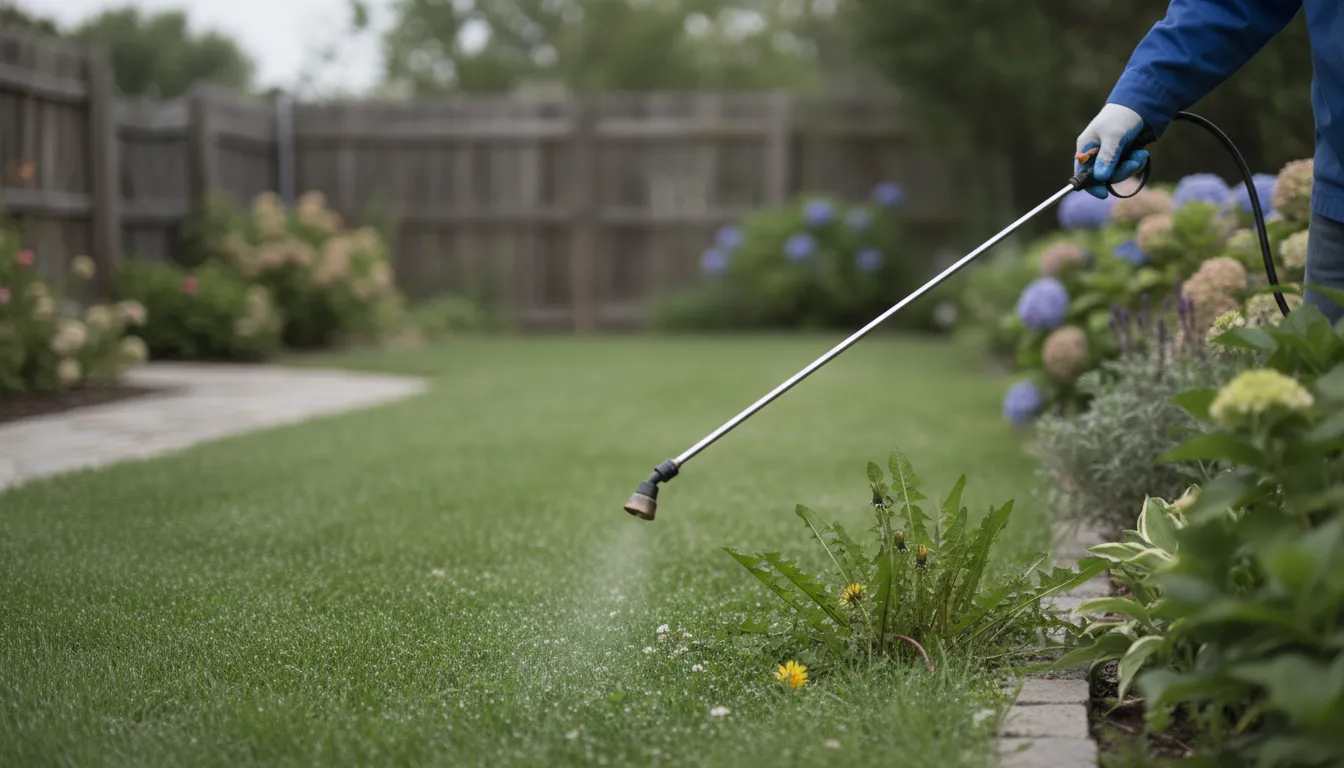
Find the Best Lawn Treatment Companies for Your Business
No obligation • Fast responses • Nationwide coverage

Why you can trust Landscape Atlas
Landscape Atlas is a leading United States resource for evaluating landscaping, lawn care, and outdoor service providers. Our team researches each category in depth, focusing on service quality, safety, and customer experience. Listings and rankings are based on independent criteria and user feedback, and companies cannot pay to influence our assessments or recommendations.
Search providers near you
Top Lawn Treatment Companies in Washington, New Jersey Ranked
A healthy, vibrant lawn in New Jersey requires a consistent, science-backed approach to fertilization and weed management. This specialized care provides essential nutrients to your grass while actively suppressing invasive weeds, ensuring your outdoor space is both beautiful and resilient. Understanding the local climate, soil conditions, and optimal treatment schedule is key to success. This guide provides the practical information you need, whether you're planning a DIY regimen or seeking professional expertise, to cultivate a thriving lawn.
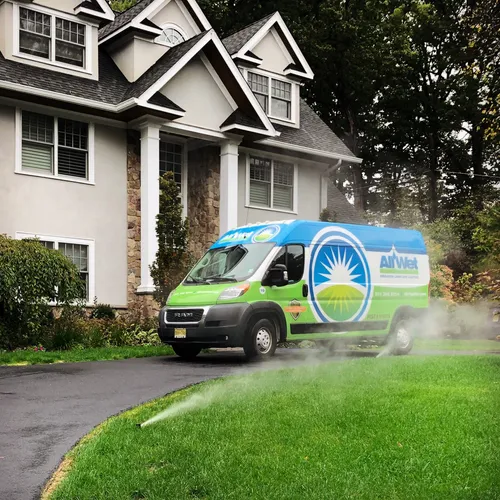
Ecosystems Total Outdoor Solutions - Dover
85 Franklin Rd STE 1C, Dover, NJ 07801
Ecosystems Total Outdoor Solutions - Dover provides lawn care and irrigation services in New York, NY. They offer comprehensive lawn fertilization, weed control, mosquito and tick control, fungicide treatments, and sprinkler system installation and repair. Their irrigation memberships include regular maintenance and seasonal adjustments to keep systems efficient. The company emphasizes expert care and detailed service to maintain healthy lawns and functional irrigation systems year-round.

The Lawn Techs
43 Industrial Rd, Berkeley Heights, NJ 07922
The Lawn Techs is a lawn care company based in New York, NY, serving Berkeley Heights, New Providence, Summit, and surrounding towns in New Jersey. Founded in 1987 by Bryan Monty, the company offers lawn fertilization, weed control, and other lawn care services. Their team includes state-certified professionals who use safe and effective products to maintain healthy lawns. With over 30 years of experience, The Lawn Techs has established a strong presence in the local lawn care industry.
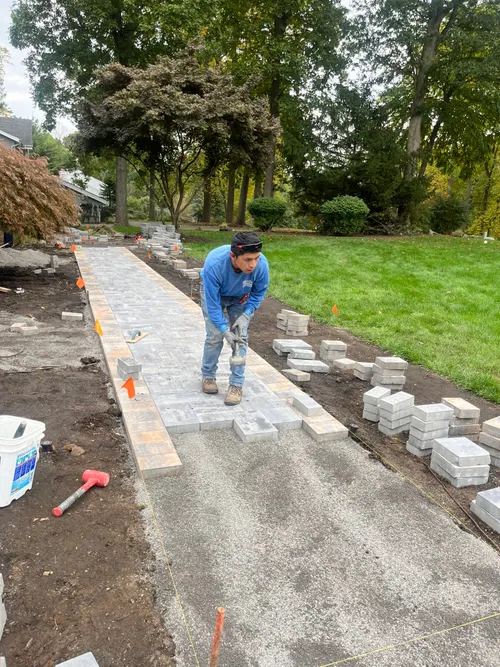
Pacific Landscaping & Masonry
250 Hallock Ave, Middlesex, NJ 08846
Pacific Landscaping & Masonry is a landscaping and hardscaping company serving New York, NY, and Central New Jersey. They offer a full range of services including lawn care, irrigation system installation and repair, landscape design, fence installation, tree services, and masonry work such as patios, walkways, and fire pits. The company is known for combining South American and American masonry techniques to create durable and environmentally conscious outdoor spaces. Founded in 2017 by Janet and Diego Ortiz, Pacific Landscaping & Masonry emphasizes quality craftsmanship and customer satisfaction.
New Sunrise Lawn Care LLC
301 Maple Ave #244, North Plainfield, NJ 07060
New Sunrise Lawn Care LLC provides a range of lawn care, tree services, landscaping, and hardscaping solutions in New York, NY. Their offerings include lawn mowing, fertilization, weed control, tree removal, stump grinding, paver installation, and power washing. They also perform core aeration, overseeding, and seasonal cleanups to maintain healthy and attractive outdoor spaces. The company emphasizes clear communication with clients and aims to complete each job with care, leaving properties improved. Serving both residential and commercial customers, they focus on safety and disciplined work practices.
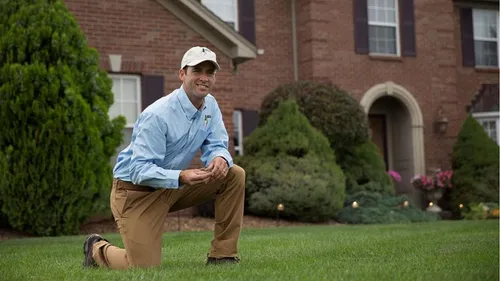
Lawn Doctor of Dover-Rockaway
Newark, NJ
Lawn Doctor of Dover-Rockaway provides lawn care and pest control services in Newark, NJ, and surrounding communities. They offer customized treatment plans based on a free lawn analysis to address fertilization, weed control, and protection against pests such as grubs and fire ants. Their annual lawn care programs support year-round lawn maintenance. The company serves multiple nearby areas including Dover, Rockaway, and Boonton, delivering tailored lawn care solutions to local residents.
Understanding New Jersey's Lawn Environment
New Jersey lawns are predominantly composed of cool-season grasses like Kentucky Bluegrass, Perennial Ryegrass, and Tall Fescue. These grasses have two primary growth spurts: in the cool weather of spring and again in the fall. This cycle dictates the entire fertilization and weed control strategy for the state. Summers bring heat, humidity, and potential drought stress, while winters can be cold and wet. A successful program works with these seasons, strengthening the grass during its peak growth periods to help it naturally resist weeds, disease, and environmental stress.
Conducting a soil test is one of the most valuable first steps you can take. The Rutgers New Jersey Agricultural Experiment Station (NJAES) recommends this to determine your soil's precise pH and nutrient levels 1. The test results will provide a customized N-P-K (Nitrogen-Phosphorus-Potassium) ratio recommendation, taking the guesswork out of choosing a fertilizer and ensuring you don't over or under-apply nutrients 2.
The Essential Seasonal Schedule for NJ Lawns
A typical professional lawn care program in New Jersey includes 6-8 treatments annually, strategically timed throughout the year. Following a seasonal calendar is crucial for effective lawn feeding and weed suppression.
Early Spring (March - April)
- Goal: Emerge from winter dormancy and prevent crabgrass.
- Fertilizer: Apply a balanced, slow-release fertilizer as soil temperatures approach 55°F. This provides steady nutrition for initial green-up.
- Weed Control: This is the critical window for applying a pre-emergent herbicide to prevent crabgrass seeds from germinating. A post-emergent treatment can also target overwintered broadleaf weeds like dandelions and chickweed 3 4.
Late Spring (May - June)
- Goal: Sustain growth and maintain weed barriers.
- Fertilizer: A second application replenishes nutrients used during the spring growth flush.
- Weed Control: A second application of pre-emergent may be needed for season-long crabgrass control, along with spot treatment for any breakthrough broadleaf weeds.
Summer (July - August)
- Goal: Promote stress tolerance, not growth.
- Fertilizer: If needed, use a very light, low-nitrogen, high-potassium fertilizer to help the lawn withstand heat and drought without forcing tender new growth that's susceptible to burn.
- Weed Control: Spot treat weeds as they appear. Avoid broad herbicide applications during extreme heat to prevent lawn damage.
Early Fall (September - October)
- Goal: Recover from summer and build strong roots.
- Fertilizer: This is arguably the most important feeding. Apply a higher-rate fertilizer to help the lawn recover from summer damage and fuel deep root development.
- Weed Control: Control active perennial weeds like clover and ground ivy. The fall growing season helps grass outcompete these weeds 5.
Late Fall (Late October - November)
- Goal: Enhance winter hardiness.
- Fertilizer: Apply a "winterizer" fertilizer, which is high in potassium. This nutrient strengthens cell walls, improving disease and cold resistance, and leads to a quicker green-up the following spring 6 7.
Find the perfect lawn treatment companies for your needs
Get personalized recommendations and expert advice
Choosing Your Products: Synthetic vs. Organic
Your choice between synthetic and organic lawn care products depends on your goals for speed, environmental impact, and long-term soil health.
Synthetic Options: Synthetic fertilizers and herbicides are known for their predictable, fast results and wide availability.
- Weed & Feed Products: These combine fertilizer with broadleaf weed control (e.g., 2,4-D, Dicamba) in one granular application, offering convenience. It's vital to follow label directions precisely regarding timing and watering 8.
- Crabgrass Preventers: Often combined with fertilizer, products containing prodiamine or dithiopyr create a barrier in the soil that stops crabgrass seeds from sprouting. A popular "triple action" option for early spring might combine fertilizer, broadleaf weed control, and crabgrass prevention 9.
- Standalone Herbicides: For spot treatment, liquid selective herbicides can target specific weed problems without feeding the entire lawn.
Organic Options: Organic lawn care focuses on building healthy soil as the foundation for a resilient lawn. Results may be slower but can lead to a more sustainable ecosystem.
- Fertilizers: These are derived from natural materials like compost, manure, bone meal, or feather meal. They release nutrients slowly as soil microbes break them down, improving soil structure and water retention over time 10.
- Weed Control: Corn gluten meal is a natural pre-emergent that can inhibit some weed seed germination while providing a small amount of nitrogen. For existing weeds, options include herbicidal soaps, vinegar-based solutions, or manual removal. Effective organic weed control often requires more persistence and integrated strategies 11.
Professional Services vs. DIY: Cost and Considerations
Deciding between hiring a professional lawn care company and managing your own program involves weighing cost, time, expertise, and desired results.
Professional Lawn Care Services: Hiring a pro offers convenience, expertise, and consistent results. Technicians are trained to identify grass types, weed species, and local pest issues, applying the right product at the right time.
- Cost: Prices are typically quoted per treatment or as an annual program. In New Jersey, a single professional application for fertilization and weed control generally ranges from $50 to $150, with the cost for a 1/4-acre yard averaging around $78 per visit 12 13. A basic annual program (usually 6-8 visits) can range from $300 to $800+ per year, depending on lawn size, location, and service specifics 12 14 15.
- Benefits: Professionals save you time and handle product storage and application. They often guarantee their results and can quickly address problems like disease or insect outbreaks that may arise.
The DIY Approach: Managing your own lawn care can be more cost-effective and offers full control over the products used.
- Cost: The annual product cost for a DIYer can be significantly lower. For a 6,000 sq. ft. lawn, product costs can be as low as $24 per treatment, not accounting for the initial investment in a spreader, sprayer, or other equipment 16.
- Considerations: DIY requires a time commitment for application, proper calibration of equipment, and knowledge of safety procedures. You are also responsible for diagnosing lawn problems and selecting the correct products. Incorrect application can lead to lawn damage, poor results, or environmental runoff.
Key Challenges for New Jersey Lawns
Beyond the basic schedule, being aware of common local challenges will help you maintain a healthier lawn.
- Crabgrass: This annual grassy weed is a primary foe. Consistent, well-timed pre-emergent applications in early spring are the best defense.
- Broadleaf Weeds: Dandelions, clover, and ground ivy can establish quickly. Post-emergent controls are most effective when applied in fall or spring when weeds are actively growing and temperatures are mild.
- Soil Compaction: Common in suburban areas, compacted soil prevents water, air, and nutrients from reaching grass roots. Core aeration in the fall can alleviate this.
- Summer Stress: Heat and drought can cause cool-season grasses to go dormant and turn brown. Proper mowing height (keeping grass taller in summer) and deep, infrequent watering are crucial defenses.
Frequently asked questions
Sources
Footnotes
-
FS102: Your Lawn and Its Care (Rutgers NJAES) - https://njaes.rutgers.edu/fs102/ ↩
-
FS633: Fertilizing the Home Lawn (Rutgers NJAES) - https://njaes.rutgers.edu/FS633/ ↩
-
The Best Fertilization Schedule for Lawns in New Jersey - https://streamlinelawn.com/blog/the-best-fertilization-schedule-for-lawns-in-new-jersey-/ ↩
-
When's the Best Time to Fertilize My Lawn in New Jersey? - https://thecuttingedgenj.com/2025/04/whens-the-best-time-to-fertilize-my-lawn-in-new-jersey/ ↩
-
Should I Fertilize My Lawn in New Jersey During the Fall Season ... - https://streamlinelawn.com/blog/should-i-fertilize-my-lawn-in-new-jersey-during-the-fall-season/ ↩
-
Lawn Care in NJ: Seasonal Calendar - Borst Landscape - https://www.borstlandscape.com/articles/lawn-care-nj/ ↩
-
When to Fertilize Lawn in NJ - Chris James Landscaping - https://www.chrisjameslandscaping.com/when-should-i-fertilize-my-lawn-in-new-jersey/ ↩
-
Weed Control for Lawns - Scotts Miracle-Gro - https://scottsmiraclegro.com/en-us/brands/scotts/products/fertilizer/49801C.html ↩
-
The 8 Best Weed and Feeds of 2025 - https://www.thespruce.com/best-weed-and-feeds-5352089 ↩
-
Organic Lawn Care Schedule - https://www.perenniallawncare.com/organic-lawn-care-schedule/ ↩
-
Naturally Greener Lawns: Organic Lawn Care in NJ | - https://www.naturallygreenerlawns.com/ ↩
-
How Much Does Lawn Care And Fertilizer Service Cost In ... - https://www.njlawnbuddies.com/blog/nj-lawn-care-pest-control/copy-of-is-13-13-13-fertilizer-good-for-lawn/ ↩ ↩2
-
How Much Does Lawn Doctor Cost? (2026) - HomeGuide - https://homeguide.com/costs/lawn-doctor-cost ↩
-
How much does lawn care service cost? - https://www.greenlawnfertilizing.com/blog/how-much-does-lawn-care-service-cost ↩
-
NJ Landscaping Cost Guide: How Much Should You Expect to ... - https://drslandscape.com/nj-landscaping-cost-guide-how-much-should-you-expect-to-pay/ ↩
-
Average cost for weed and fertilizer treatments on a residential ... - https://www.facebook.com/groups/305770469602511/posts/2899885820190950/ ↩