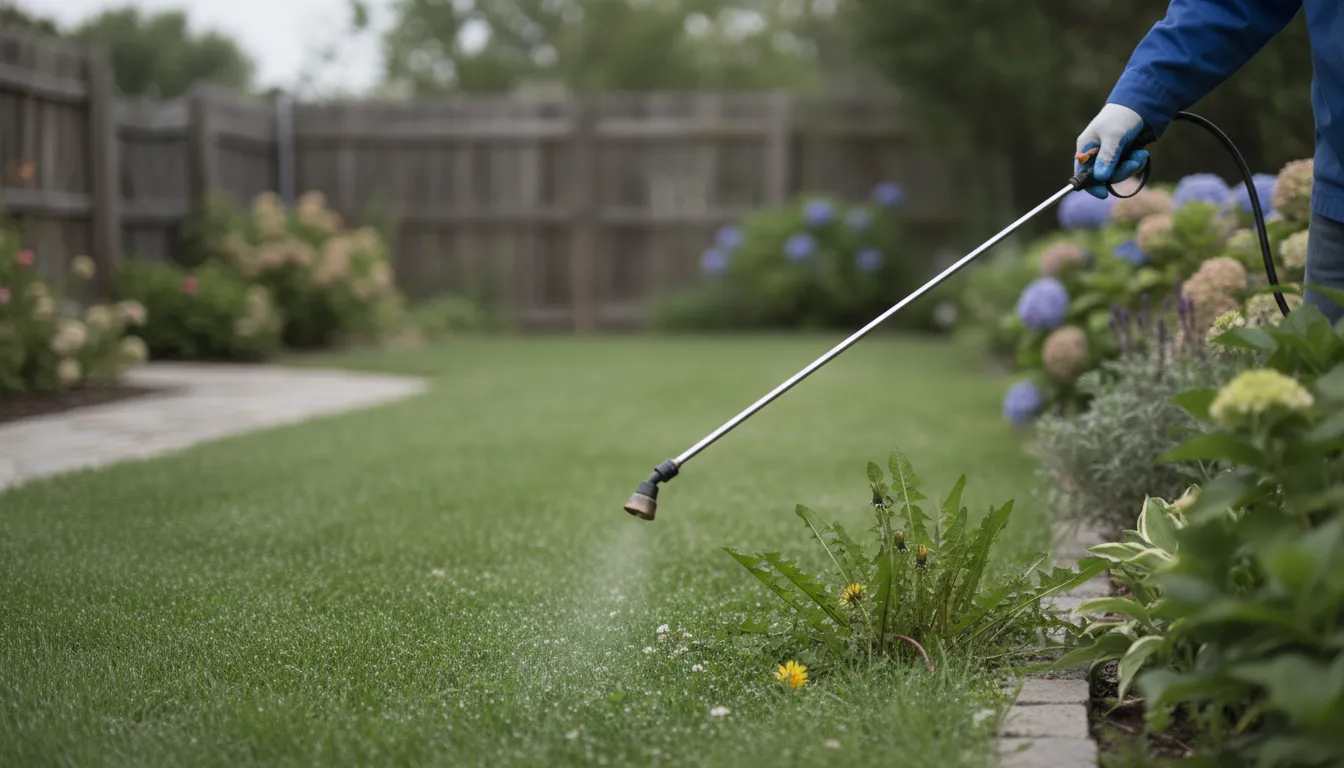
Find the Best Lawn Treatment Companies for Your Business
No obligation • Fast responses • Nationwide coverage

Why you can trust Landscape Atlas
Landscape Atlas is a leading United States resource for evaluating landscaping, lawn care, and outdoor service providers. Our team researches each category in depth, focusing on service quality, safety, and customer experience. Listings and rankings are based on independent criteria and user feedback, and companies cannot pay to influence our assessments or recommendations.
Search providers near you
Top Lawn Treatment Companies in Hillsboro, Oregon Ranked
A healthy, vibrant lawn in Hillsboro is the result of a consistent, science-backed approach to feeding your grass and managing unwanted weeds. Lawn fertilization and weed control are essential services that provide your turf with the nutrients it needs to thrive in the Pacific Northwest climate while suppressing invasive plants that compete for resources. This guide will help you understand the specific needs of Hillsboro lawns, from grass types to seasonal schedules, so you can effectively evaluate and connect with local professionals who can create a customized plan for your property.
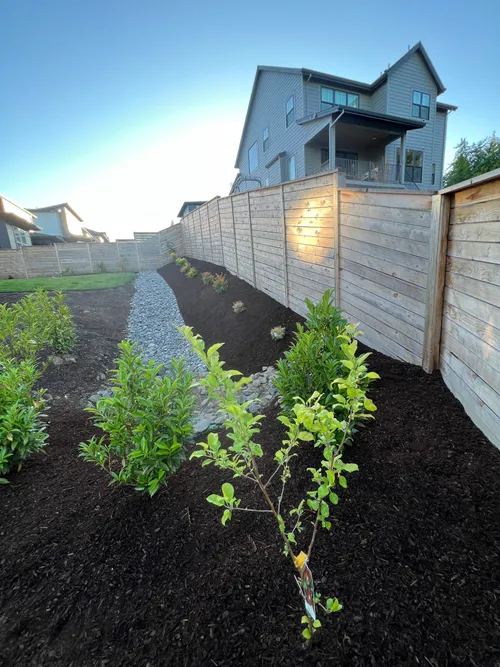
Landscaping/Lawn Care Where The Grass Is Greener
2615 NE 84th Ave, Vancouver, WA 98662
Landscaping/Lawn Care Where The Grass Is Greener offers a range of lawn care and landscaping services in Portland, OR. Their offerings include lawn mowing, fertilization, weed control, leaf removal, bark placement, pressure washing, and seasonal cleanups. They focus on personalized lawn care plans tailored to each customer's yard needs and use professional equipment and techniques. The company emphasizes clear communication and attention to detail to maintain healthy and attractive outdoor spaces.
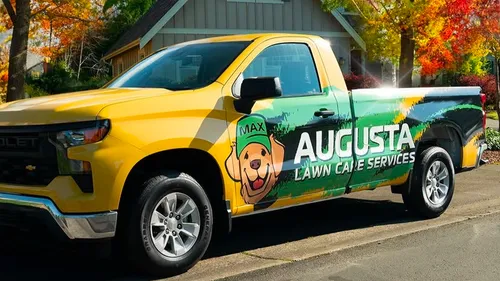
Augusta Lawn Care of Vancouver
Portland, OR
Augusta Lawn Care of Vancouver provides lawn mowing, fertilization, and weed control services in Portland, OR. They offer comprehensive lawn care solutions to maintain healthy and attractive lawns. The company is fully insured and operates with set office hours during the week and weekends.
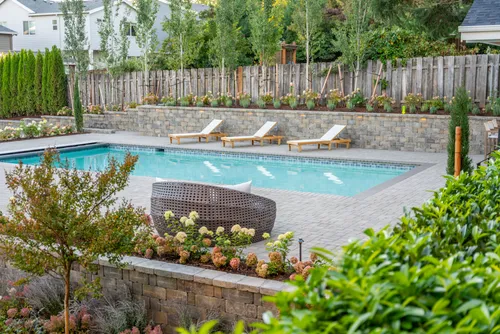
Simple Lawns Landscape Design
9707 NE 54th St #C, Vancouver, WA 98662
Simple Lawns Landscape Design is a family-owned landscaping and lawn care company serving Portland, OR. They provide a full range of services including lawn mowing, fertilization, weed control, landscape design, yard drainage, sprinkler installation and repair, and hardscaping such as pavers and retaining walls. With over 20 years of experience, they focus on durable outdoor solutions backed by a 5-year warranty on hardscaping. Their team includes trained installers who stay current with landscaping techniques to ensure quality results.
Lawn & Irrigation Technologies NW
2900 SE Cornelius Pass Rd Ste 336, Hillsboro, OR 97123
Lawn & Irrigation Technologies NW is a landscaping and irrigation contractor based in Portland, OR, serving the Washington County area for over 30 years. They offer a wide range of services including irrigation system installation and repair, sod installation, landscape lighting, paver installation, yard drainage solutions, and lawn fertilization. Their team is known for using water-efficient irrigation products and providing NDS-certified drainage solutions to enhance outdoor spaces while promoting environmental stewardship.
RoyalWorks Landscaping LLC
20948 S Charriere Rd, Oregon City, OR 97045
RoyalWorks Landscaping LLC is a locally owned and operated landscaping company serving Portland, OR. With over 20 years of experience, they provide a range of services including lawn mowing, lawn care, weed control, tree pruning, stump grinding, sprinkler installation and repair, and comprehensive landscaping management. Their team handles both residential and commercial properties, focusing on creating unique, sustainable outdoor spaces. They also offer irrigation management services such as spring turn-on and winterization adjustments.
Understanding Your Hillsboro Lawn's Foundation
The first step to effective lawn care is knowing what you're working with. The predominant grass types in Hillsboro are cool-season varieties, perfectly adapted to the region's moderate, wet winters and dry summers. 1 2 These grasses have two primary growth spurts: one in the cool, moist spring and another in the crisp, damp fall. Summer heat often causes them to slow down or go dormant, which is a natural survival mechanism.
The most common grasses you'll find include:
- Perennial Ryegrass: Known for its quick establishment, good disease resistance, and ability to handle foot traffic. It requires consistent watering and fertilization to maintain its lush, green appearance.
- Fine Fescue (Creeping Red, Chewings, Hard): A champion of shade tolerance and lower maintenance. Fine fescue requires less water and nitrogen than other grasses, making it an excellent choice for areas with less sun. 3 4
- Tall Fescue: Valued for its deep root system, which provides superior drought tolerance and durability. It's a tough grass that can withstand wear and tear. 5
- Kentucky Bluegrass: Creates a dense, dark green turf that self-repairs through underground stems called rhizomes. It offers a beautiful carpet-like lawn but demands more water and higher fertility levels. 6
Most lawns in the area are actually a blend of these grasses, such as a perennial ryegrass and fine fescue mix, which combines the strengths of each type for a more resilient overall turf. 7
The Essential Seasonal Schedule for Fertilization & Weed Management
Successful turf nutrition and weed suppression in Western Oregon revolve around precise seasonal timing. The region's acidic soils and propensity for moss growth make a structured program particularly important. 8 A typical professional program involves 4 to 6 applications annually, strategically timed to support the grass during its peak growth periods and protect it during stress times.
Early Spring (March - April)
This is a critical window for setting your lawn up for success. The focus is on waking up the grass gently and preventing future problems.
- Fertilization: An application of organic or slow-release fertilizer provides a gentle nutrient boost as growth begins.
- Weed Control: Applying a pre-emergent herbicide is key to preventing crabgrass and other grassy weeds from germinating. This creates a barrier in the soil that stops weeds before you ever see them.
- Cultural Practices: Core aeration and dethatching may be recommended to relieve soil compaction and remove dead organic matter, allowing water, air, and nutrients to reach the roots.
Late Spring (May - June)
As growth accelerates, the lawn needs support to prepare for the coming summer heat.
- Fertilization: A second round of feeding strengthens the grass before the stressful summer months.
- Weed Control: Post-emergent treatments target visible broadleaf weeds like dandelions, clover, and plantain that have already emerged.
- Pest Control: This is also an ideal time to apply preventative grub control if needed.
Summer (July - August)
The focus shifts from aggressive feeding to preservation and proper maintenance.
- Fertilization: Heavy fertilization is generally avoided during peak heat to prevent burning the grass or encouraging excessive growth when the lawn is stressed.
- Watering & Mowing: Deep, infrequent watering is best, or allowing cool-season grasses to go dormant (turn brown) is a natural and acceptable option. Raising your mower blade height provides shade for the soil and helps retain moisture. 9
- Weed Control: Spot treatments for persistent weeds may be applied.
Early Fall (September - October)
Fall is arguably the most important season for lawn care in Hillsboro. Cooler temperatures and returning rains create perfect growing conditions.
- Fertilization: A high or medium-rate fertilizer application in early fall fuels robust root growth and helps the lawn recover from summer stress and store energy for winter.
- Overseeding: This is the best time to overseed thin or bare areas, as the new grass has time to establish before winter. The existing turf also thickens up.
- Aeration: Core aeration is highly beneficial in the fall, especially if not done in spring, to combat compaction. 10
Late Fall/Winter (November - December)
A final service prepares the lawn for a healthy dormancy and a strong start next spring.
- Fertilization: A "winterizer" fertilizer, high in potassium, is applied to strengthen cell walls and enhance root resilience for the cold, wet months ahead.
- Moss Control: Treatments to manage moss, which thrives in wet, shaded, and compacted areas, are common during this period.
Find the perfect lawn treatment companies for your needs
Get personalized recommendations and expert advice
The Integrated Approach: Why Combining Services Works Best
The most effective lawn care programs treat fertilization and weed control as interconnected components of a single health plan. A well-fed, thick lawn is naturally more resistant to weed invasion because it leaves little room for weeds to establish. Conversely, controlling weeds ensures that the fertilizer you apply is feeding your grass, not the unwanted plants competing for space and nutrients. 11 Many local experts offer comprehensive annual programs that bundle these services, along with crucial cultural practices like aeration, for a holistic solution. These plans typically involve visits every 6-8 weeks, adjusting treatments based on the season and the specific condition of your lawn.
Understanding Investment in Your Lawn's Health
The cost of professional lawn care in Hillsboro varies based on several factors, primarily the size of your yard, the specific services included, and the frequency of visits. 12 Many providers offer free estimates to give you a precise quote. To provide a general idea, here are some estimated cost ranges for common services:
- Basic Annual Fertilization Program: Often ranges from $300 to $600 per year for a typical residential property.
- Weed Control Treatments: Can cost between $50 and $100 per visit for targeted applications. 13
- Single Fertilization Visit: May range from approximately $47 to $142.
- Core Aeration Service: Typically costs between $80 and $118 for a standard lawn. 14
- Weekly Mowing Service: Often priced between $35 and $50 per cut, depending on size and complexity. 15
Bundled annual plans can provide value and ensure all seasonal tasks are completed on schedule. For the most accurate pricing tailored to your specific property, it's best to consult directly with local lawn care providers.
Choosing a Lawn Care Partner in Hillsboro
When looking for a professional to handle your turf nutrition and weed management, consider providers who offer customized plans rather than a one-size-fits-all approach. Look for companies that understand the local climate, soil conditions (like the prevalent acidity), and the specific grass types common in the area. A reputable service will typically conduct an initial site assessment, discuss your goals, and explain their recommended program based on the seasonal calendar. They should be able to clearly communicate what each visit will entail and what results you can expect throughout the year.
Frequently asked questions
Sources
Footnotes
-
Lawn Care in Hillsboro, OR from $55 | 6000+ 5-Star Reviews - https://www.getsunday.com/local-guide/lawn-care-in-hillsboro-or ↩
-
Pacific Northwest Lawn Care Schedule - https://www.trugreen.com/lawn-care-101/blog/lawn-care/pacific-northwest-lawn-care-schedule ↩
-
Planting the Perfect Lawn - Oregon Seed Council - https://oregonseedcouncil.org/planting-the-perfect-lawn-2/ ↩
-
The Best Grass for a Luscious Northwest Lawn - https://www.landscapeeast.com/blog/best-grass-northwest-lawn-2020-07 ↩
-
Maintaining a Happy, Healthy Lawn | Jobe's Company - https://jobescompany.com/how-to/lawn-maintenance/ ↩
-
4 Best Grass Types in Portland - Lawn Love - https://lawnlove.com/blog/best-grass-types-portland/ ↩
-
Choose the right grass for your Oregon lawn - https://extension.oregonstate.edu/news/choose-right-grass-your-oregon-lawn ↩
-
Landscape Maintenance Hillsboro OR - https://www.newlifelandscape.biz/maintenance/ ↩
-
Pacific Northwest Lawn Care Schedule - TruGreen - https://www.trugreen.com/lawn-care-101/blog/lawn-care/pacific-northwest-lawn-care-schedule ↩
-
Pacific Northwest Lawn Care Calendar - Swansons Nursery - https://www.swansonsnursery.com/lawn-care-calendar ↩
-
Fertilization & Weed Control: A Combined Approach - https://www.lawnscape.com/blog/2025/october/fertilization-weed-control-a-combined-approach/ ↩
-
The lawnmower boys - https://www.google.com/viewer/place?mid=/g/11y0sqsx8x ↩
-
How Much Does Weed Removal Cost in 2025? - https://blog.lawnguru.co/weed-removal-cost/ ↩
-
Lawn Care in Hillsboro, OR from $55 | 6000+ 5-Star Reviews - https://www.getsunday.com/local-guide/lawn-care-in-hillsboro-or ↩
-
Waynesboro, VA Lawn Care | Lawn Mowing from $19 | #1 of 2025 - https://www.lawnstarter.com/waynesboro-va-lawn-care ↩