Find the Best Lawn Treatment Companies for Your Business
No obligation • Fast responses • Nationwide coverage

Why you can trust Landscape Atlas
Landscape Atlas is a leading United States resource for evaluating landscaping, lawn care, and outdoor service providers. Our team researches each category in depth, focusing on service quality, safety, and customer experience. Listings and rankings are based on independent criteria and user feedback, and companies cannot pay to influence our assessments or recommendations.
Search providers near you
Top Lawn Treatment Companies in Brentwood, Tennessee Ranked
Maintaining a healthy, vibrant lawn in Tennessee requires a tailored approach to feeding and weed management. The state's unique climate in the plant hardiness transition zone means your lawn care schedule and product choices depend heavily on whether you have cool-season or warm-season grass. A professional fertilization and weed control program is a strategic investment that builds soil health, promotes dense turf to crowd out weeds, and enhances your property's curb appeal. This guide outlines the essential timing, products, and considerations for Tennessee lawns, helping you understand your options and connect with local experts who can provide customized care.
Super-Sod of Nashville
177 Center Point Rd S, Hendersonville, TN 37075
Super-Sod of Nashville is a lawn care and landscaping provider located in Nashville, TN. They offer a range of services including sod installation, lawn fertilization, weed control, and hardscaping with pavers and retaining walls. The company supplies farm-fresh sod available for pickup or delivery in the Nashville and Middle Tennessee areas. Their expertise includes consulting on sod installation and grass selection, supported by a sod display garden for in-person comparisons. They also provide various lawn care products such as fertilizers, pesticides, and weed control herbicides, along with landscaping tools and materials.
TruePoint Land Management
1803 Murfreesboro Rd, Lebanon, TN 37090
TruePoint Land Management is a lawn care company based in Nashville, TN, specializing in sod installation, irrigation systems, hydroseeding, and yard drainage services. They serve residential and commercial clients across Nashville and surrounding communities including Brentwood, Franklin, Murfreesboro, Spring Hill, Lebanon, and Mount Juliet. TruePoint installs various types of sod such as tall fescue, bermudagrass, and zoysia, using fresh turf sourced from trusted local farms to ensure healthy, durable lawns. Their services include thorough site preparation with grading and soil amendments, as well as irrigation system installation to support sod health and growth. Hydroseeding is also offered for large or sloped areas to promote faster grass establishment and erosion control.
Pure Turf LLC
445 Atlas Dr, Nashville, TN 37211
Pure Turf LLC is a lawn care company based in Nashville, TN, specializing in lawn fertilization, weed control, mosquito suppression, aeration, overseeding, and lawn disease prevention. They use science-backed methods and local expertise to maintain healthy, green lawns throughout Middle Tennessee. Established in 2007, Pure Turf LLC offers a comprehensive approach to lawn care, including a preventative disease program targeting common fungal issues in the region.
Everything Grass Company
4695 Bethesda Rd, Thompson's Station, TN 37179
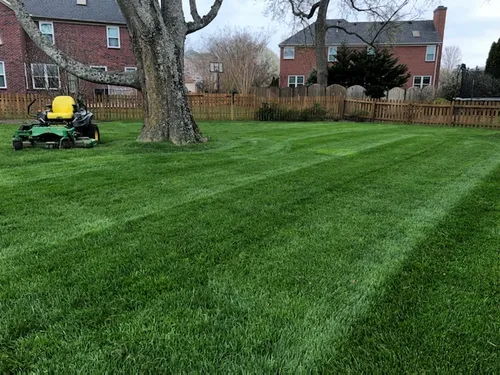
Everything Grass Company is a family-owned lawn care and landscaping business serving Nashville, TN. With over 30 years of experience, they offer lawn mowing, fertilization, weed control, tree services including removal and stump grinding, and comprehensive landscaping solutions. The company focuses on turf management and enhancing outdoor spaces with professional care. Everything Grass Company is licensed and insured, operating locally with a team of experienced professionals.
SavATree
808 Heathcote Ave, Nashville, TN 37210
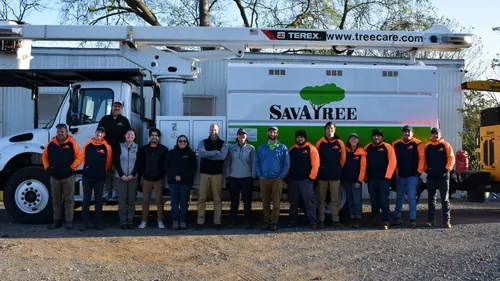
SavATree is a lawn care and tree service company based in Nashville, TN, serving the greater Middle Tennessee region. With over 25 years of local experience, they offer comprehensive care including tree pruning, fertilization, removal, shrub care, insect and disease management, lawn fertilization, weed control, and landscape lighting installation. Their team of ISA Certified Arborists uses advanced technology and science-based solutions to maintain and enhance the health of residential and commercial landscapes. SavATree also provides emergency tree services and specializes in treatments for pests like the emerald ash borer. They serve Nashville and surrounding communities such as Brentwood, Belle Meade, and Franklin.
Understanding Tennessee's Lawn Climate: The Transition Zone
Tennessee sits squarely in the challenging transition zone for turfgrass, where neither purely northern (cool-season) nor southern (warm-season) grasses thrive perfectly year-round. This climatic reality is the single most important factor in determining your lawn care strategy. The state experiences hot, humid summers and moderately cold winters, creating a battleground where different grass types have distinct strengths and weaknesses.
- Cool-Season Grasses: Varieties like tall fescue and Kentucky bluegrass are common, especially in middle and eastern Tennessee. They grow most vigorously during the cool temperatures of spring and fall and can struggle with heat and drought stress in mid-summer.
- Warm-Season Grasses: Bermudagrass, Zoysiagrass, and Centipedegrass are popular in warmer areas, including much of western and central Tennessee. These grasses green up in late spring, hit their peak growth in the summer heat, and go dormant (turn brown) after the first hard frost in fall.
Identifying your grass type is the critical first step before applying any fertilizer or herbicide, as using the wrong product can be ineffective or even damage your lawn.
The Essential Fertilization Schedule for Tennessee Lawns
Fertilization is not about feeding the grass blades but nourishing the root system and soil. The goal is to provide nutrients when the grass can use them most efficiently for growth and resilience.
For Cool-Season Grasses (e.g., Tall Fescue)
The mantra for cool-season grass care is "fall focus." The optimal growth period is during cooler weather, and fertilization should support this cycle.
- Early Spring (March-April): Apply a balanced, slow-release fertilizer as the grass breaks dormancy and begins its spring growth spurt. This helps recover from winter and green up the lawn 1.
- Late Spring/Summer: Avoid applying high-nitrogen fertilizers between June 1 and September 1 2. The summer heat stresses cool-season grasses, and forcing top growth with fertilizer can weaken the plant. Focus on proper mowing and watering instead.
- Fall (September-November): This is the most crucial fertilization window. Apply fertilizer in early fall (September) and again in late fall (October-November). Fall feeding promotes deep root development, stores energy for the winter, and ensures a thick, healthy green-up the following spring. This is also the ideal time for overseeding thin lawns 3.
For Warm-Season Grasses (e.g., Bermudagrass)
Warm-season grasses are fertilized during their active growth period in the warmer months.
- Early Spring (Mid-March to Early April): Apply the first round of fertilizer once the soil temperature consistently reaches about 55°F and the grass begins to green up. This "wake-up" feeding encourages early growth.
- Late Spring & Summer (May through August): Apply subsequent fertilizer treatments every 6-8 weeks during peak growth. A common schedule includes applications in late May, July, and early September. These feedings support the lawn's vigorous summer growth.
- Late Summer/Early Fall (Late August-September): A final, lighter application of fertilizer can help the lawn store nutrients before going dormant for the winter 4.
Find the perfect lawn treatment companies for your needs
Get personalized recommendations and expert advice
A Strategic Weed Control Plan
Effective weed management is about prevention and timely intervention. Weeds exploit thin, weak turf, so a healthy lawn is your first line of defense. Your approach will combine pre-emergent and post-emergent strategies.
Pre-Emergent Herbicides: Stopping Weeds Before They Start
Pre-emergent herbicides create a barrier in the soil that prevents weed seeds from sprouting. Timing is absolutely critical-they must be applied before seeds germinate.
- For Summer Annual Weeds (Crabgrass, Spurge): Apply in early spring (March-April) when soil temperatures reach 55°F for several consecutive days.
- For Winter Annual Weeds (Henbit, Chickweed): Apply in late summer/early fall (September-October) to prevent weeds that germinate in cooler weather 5.
Post-Emergent Herbicides: Eliminating Existing Weeds
Post-emergent herbicides are used to kill weeds that are already visible. The key is to identify the weed (broadleaf vs. grassy) and choose a product labeled for both the weed type and your specific turfgrass.
- Broadleaf Weeds (Dandelion, Clover, Plantain): Look for products containing active ingredients like 2,4-D, MCPP, or dicamba 6. These are often applied as liquid sprays for thorough leaf coverage.
- Application Tip: Apply post-emergent herbicides when weeds are young, actively growing, and not under drought stress for best results.
Recommended Products and the "Weed & Feed" Option
Many homeowners opt for combination "weed & feed" products that apply fertilizer and post-emergent weed control simultaneously. It's vital to choose one formulated for your grass type.
- For Warm-Season Lawns: Products like BioAdvanced 3-In-1 Weed & Feed for Southern Lawns or Scotts Turf Builder Southern Triple Action are popular choices that combine fertilization with weed and sometimes insect control 7.
- For Cool-Season Lawns: A product like Greenview Fairway Formula Spring Fertilizer Weed & Feed Crabgrass Preventer can address fertilization, broadleaf weeds, and crabgrass prevention in a single spring application 8.
Important Note: Always conduct a soil test through the University of Tennessee Extension. This free or low-cost service provides precise recommendations for the exact amounts of phosphorus (P) and potassium (K) your soil needs, preventing over-application and saving money 9.
The Value of Professional Lawn Care Services
While DIY lawn care is possible, hiring a professional service offers distinct advantages, particularly for achieving consistent, high-quality results.
- Expertise & Customization: Professionals correctly identify grass and weed types and apply treatments with precise timing and calibrated equipment.
- Time & Convenience: They handle the purchasing, storage, and application of products, freeing up your weekends.
- Consistency & Results: A scheduled program ensures your lawn receives the right care at the right time throughout the year, building long-term health.
Understanding Costs in Tennessee
Professional lawn care costs in Tennessee vary based on lawn size, location, condition, and service frequency 10 11.
- Annual Fertilization & Weed Control Program: A typical program with multiple seasonal visits can range from $300 to $600+ per year.
- Per-Treatment Cost: Individual applications for fertilization and weed control average $65 to $100 per visit 12.
- Weed Control-Only Visits: Spot treatments or blanket applications for weeds typically cost $50 to $125 per treatment 13.
- Comprehensive Monthly Plans: Full-service plans that include mowing, fertilization, and weed control for a standard 1/4-acre yard can range from $100 to $400 per month 14 15.
Regional Considerations Within Tennessee
- Eastern TN (Knoxville, Tri-Cities): Cooler elevations favor tall fescue. Fall fertilization is paramount, and spring pre-emergent timing may be slightly later than in western parts of the state 16.
- Middle TN (Nashville, Clarksville): A true mix of the transition zone. Both tall fescue and bermudagrass are common. Lawn care must be carefully tailored to the specific grass type 17.
- Western TN (Memphis, Jackson): Warmer climate is ideal for warm-season grasses like bermudagrass. The fertilization season starts earlier in spring, and summer feeding is a key part of the schedule 18.
Frequently asked questions
Sources
Footnotes
-
Month-to-Month Tennessee Lawn Care Schedule - Lawn Love - https://lawnlove.com/blog/tennessee-lawn-care-schedule/ ↩
-
How Often Should You Fertilize Your Lawn: An Essential Guide - https://www.absolutelawnpros.com/how-often-should-you-refresh-your-lawn-with-fertilizer/ ↩
-
Lawn Fertilization in Tennessee - Pure Turf LLC - https://www.pureturfllc.com/blog/lawn-fertilization-tennessee ↩
-
When to Fertilize Your Lawn in Tennessee - https://lawnlove.com/blog/when-to-fertilize-lawn-tennessee/ ↩
-
An Effective Weed Control Schedule Tailored to Lawns in ... - https://www.herbi-systems.com/blog/an-effective-weed-control-schedule-tailored-to-lawns-in-tennessee/ ↩
-
Lawn and Landscape Weed Control for Homeowners | UT Hort - https://uthort.tennessee.edu/wp-content/uploads/sites/228/2024/02/W1068-Lawn-Landscape-Weed-Control-for-Homeowners.pdf ↩
-
3-In-1 Weed And Feed For Southern Lawns - Bioadvanced - https://bioadvanced.com/3-in-1-weed-and-feed-for-southern-lawns.html ↩
-
Google's Shopping Data - https://blog.google/products/shopping/shopping-graph-explained/ ↩
-
PB1903 (Rev) 2025 Lawn Maintenance Calendar - UT Hort - https://uthort.tennessee.edu/wp-content/uploads/sites/228/2025/01/PB1903-2025.pdf ↩
-
How Much Does Lawn Care Cost in 2026? - LawnStarter - https://www.lawnstarter.com/blog/cost/lawn-care-price/ ↩
-
Lawn care professionals near Nashville, TN - Thumbtack - https://www.thumbtack.com/tn/nashville/lawn-care ↩
-
How much does lawn care service cost? - Green Lawn Fertilizing - https://www.greenlawnfertilizing.com/blog/how-much-does-lawn-care-service-cost ↩
-
Lawn Care Pricing & Cost Guide 2026 | Instant Quotes from $29 - https://lawnlove.com/pricing ↩
-
How Much Does Lawn Care Cost? (2026) - HomeGuide - https://homeguide.com/costs/lawn-care-prices ↩
-
Cost & Price Guide for Lawn Care in Nashville - BIG Landscape - https://biglandscapetn.com/lawn-care/cost/ ↩
-
Crucial Lawn Fertilization Services in Knoxville TN - https://www.dempsterbrothers.com/blog/fertilize-right-boosting-your-lawns-health-and-beauty/ ↩
-
Lawn Care Tips for Tennessee - LawnStarter - https://www.lawnstarter.com/blog/tennessee/lawn-care-tips-tennessee/ ↩
-
This Fertilization Schedule Will Keep Your Lawn in Memphis, TN ... - https://www.herbi-systems.com/blog/this-fertilization-schedule-will-keep-your-lawn-in-memphis-tn-healthy/ ↩