Find the Best Lawn Treatment Companies for Your Business
No obligation • Fast responses • Nationwide coverage

Why you can trust Landscape Atlas
Landscape Atlas is a leading United States resource for evaluating landscaping, lawn care, and outdoor service providers. Our team researches each category in depth, focusing on service quality, safety, and customer experience. Listings and rankings are based on independent criteria and user feedback, and companies cannot pay to influence our assessments or recommendations.
Search providers near you
Top Lawn Treatment Companies in Clarksville, Tennessee Ranked
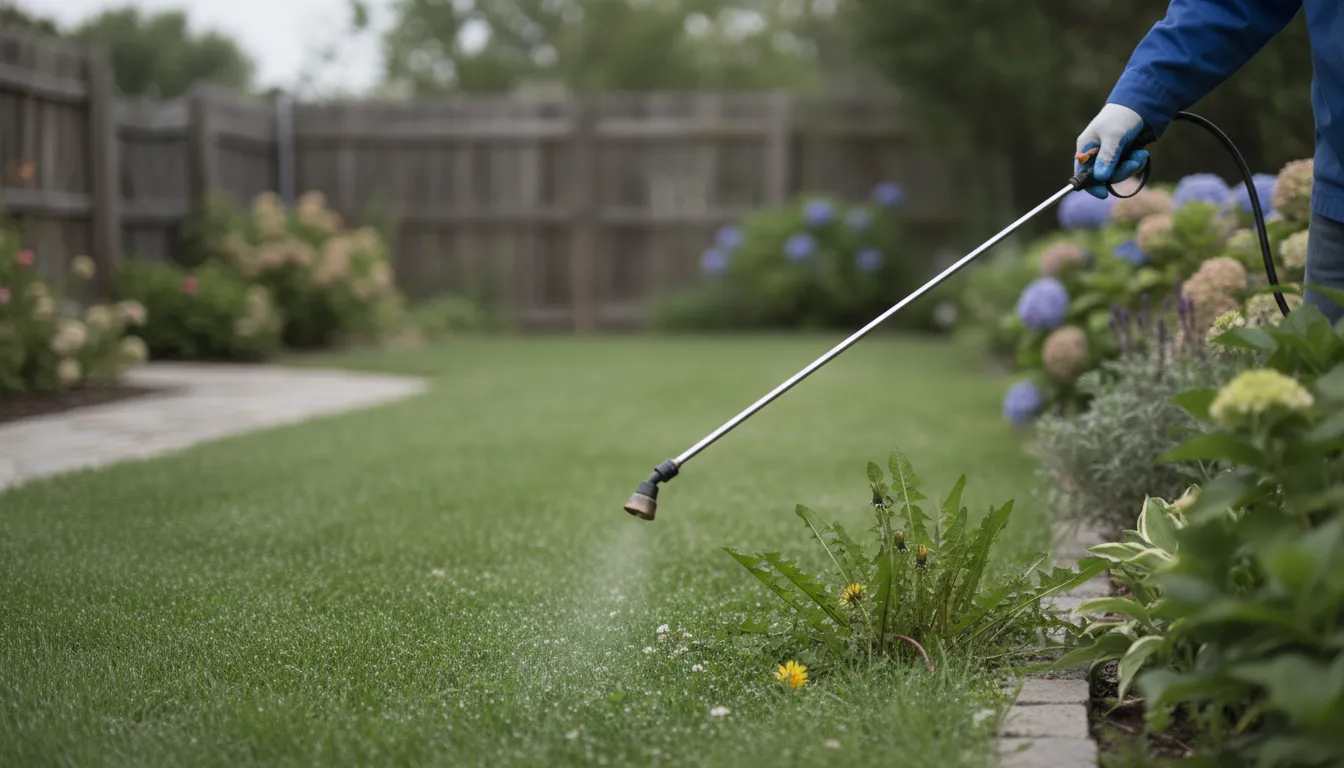
Maintaining a lush, green, and weed-free lawn in Clarksville requires a tailored approach to fertilization and weed management. This essential service provides your grass with the nutrients it needs to thrive while actively preventing and eliminating invasive weeds that can spoil your yard's appearance and health. For Clarksville homeowners, understanding the local grass types and seasonal schedule is key to a successful lawn care program. This guide will help you navigate the specifics of lawn feeding and weed control, empowering you to find the right local expertise for your property.
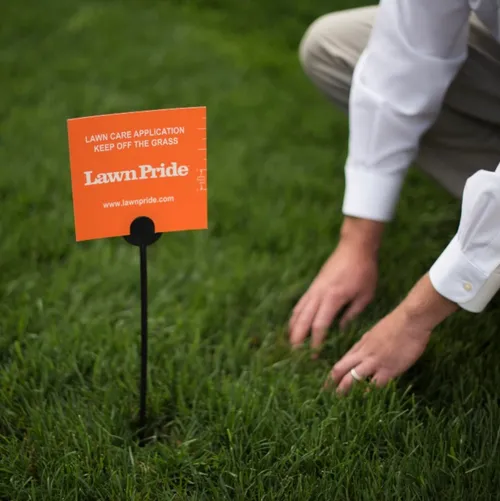
A vibrant lawn is more than just aesthetics; it's a healthy ecosystem that enhances your home's curb appeal and provides a space for relaxation. In Clarksville's climate, achieving this requires a proactive strategy combining precise fertilization with effective weed control. Let's explore how to build and maintain a resilient lawn throughout the year.
Understanding Clarksville's Lawn Grasses
The foundation of any effective lawn nutrition and weed prevention plan is knowing what type of grass you're growing. Clarksville's climate supports primarily warm-season grasses, which have distinct growth cycles compared to their cool-season counterparts.
- Bermuda Grass: A dominant, drought-tolerant grass that thrives in full sun. It greens up in late spring and grows vigorously through the hot summer months before going dormant and turning brown after the first frost.
- Zoysia Grass: Another popular warm-season variety known for its dense, carpet-like growth and good shade tolerance. It has a slightly shorter growing season than Bermuda but is highly resilient.
- Tall Fescue: You may find this cool-season grass in shadier areas or as part of older lawns. It stays green longer into the fall and can green up earlier in spring but struggles with the peak summer heat without adequate care 1.
Your fertilization and weed control schedule will be heavily influenced by whether you have a warm-season lawn (Bermuda/Zoysia) or patches of cool-season grass like Fescue. Most professional programs in the area are designed around the needs of warm-season grasses.
The Essential Seasonal Schedule for Lawn Care
A "set it and forget it" approach doesn't work for lawn health. Successful turf management in Clarksville follows a calendar that aligns with grass growth cycles and weed life cycles. A typical comprehensive program involves 6 to 8 seasonal treatments.
Spring (March - May): Green-Up and Prevention
This is a critical window for setting your lawn up for success.
- Early Spring (March): As soil temperatures consistently reach about 55°F, apply a pre-emergent herbicide. This creates a barrier in the soil that prevents crabgrass and other summer annual weeds from germinating. It's a crucial step for weed prevention.
- Late Spring (April-May): Once your warm-season grass has fully "greened up," it's time for the first feeding. A balanced, slow-release fertilizer provides the nutrients needed for strong initial growth. This may be combined with a post-emergent treatment for any early weeds that have appeared.
Summer (June - August): Supporting Peak Growth
Your lawn is now in its active growth phase and faces the most stress from heat, foot traffic, and weeds.
- Fertilization: Warm-season grasses benefit from additional feeding in early to mid-summer to sustain color and density. However, avoid high-nitrogen applications during extreme heat to prevent burning.
- Weed Control: Post-emergent weed control is the focus, targeting visible broadleaf weeds like dandelions, clover, and spurge. Spot treatments are often most effective during this period 2 3.
Fall (September - November): Fortification for Dormancy
Fall is arguably the most important season for long-term lawn health, especially for root development.
- Early Fall (September): This is the best time for a fertilization application aimed at root growth. Potassium-rich fertilizer helps roots store energy, improving winter hardiness and spring green-up 4.
- Fall Weed Control: Applying a pre-emergent herbicide in early fall targets winter annual weeds like henbit and chickweed, preventing them from taking hold during the cooler months 5.
Winter (December - February): Dormant Season
While grass growth halts, planning doesn't. This is a time for equipment maintenance and scheduling early spring services. Some programs may include a dormant feeding to provide underlying soil benefits.
Find the perfect lawn treatment companies for your needs
Get personalized recommendations and expert advice
Key Components of a Professional Service
When evaluating local lawn care providers, you'll encounter a range of services under the umbrella of fertilization and weed management. Here's what they typically include:
- Soil Analysis: Some companies begin with a soil test to identify pH imbalances or nutrient deficiencies, allowing for a truly customized fertilizer blend.
- Pre-Emergent Weed Control: The cornerstone of preventative care. These treatments, timed correctly in spring and fall, stop weeds before you ever see them.
- Post-Emergent Weed Control: Targeted sprays or granules used to eliminate existing weed problems. Effective programs use both pre- and post-emergent strategies.
- Granular vs. Liquid Applications: Fertilizers and herbicides can be applied in either form. Professionals select the best method and equipment for even coverage and effectiveness.
- Annual Lawn Care Programs: Many providers offer bundled plans that cover the full seasonal schedule. Companies like Lawn Doctor and Weed Man provide such comprehensive programs for Clarksville residents, often including a set number of visits for fertilization and weed prevention throughout the year 6 7.
Investment in Your Lawn: Understanding Costs
The cost for professional lawn feeding and weed management in Clarksville varies based on your lawn's size, condition, and the specific services required. Here's a general breakdown based on regional and national data:
- Per-Visit Application: For a standard-sized lot, a single application for fertilization or weed control typically ranges from $45 to $75. More specialized treatments or larger properties will be on the higher end.
- Weed Control Service: Specifically for weed management, applications can range from approximately $60 to $100 per visit 8.
- Fertilization Service: Standalone lawn feeding treatments can cost between $50 and $150 depending on the products and lawn size 9.
- Annual Program: A full-season plan encompassing multiple fertilizer and weed control visits often represents the best value, with annual costs commonly ranging from $300 to over $600 10. Subscription-based services like Sunday Lawn Care also offer customized plans starting around this range 10.
Choosing a Local Clarksville Provider
Selecting the right company is about more than just price. Look for providers with:
- Local Expertise: Knowledge of Clarksville's soil types, common weeds (like chamberbitter or Virginia buttonweed), and grass varieties is invaluable.
- Clear Communication: They should explain their plan, the products they use, and what to expect after each visit.
- Service Guarantees: Many reputable companies offer satisfaction guarantees or will return for follow-up spot treatments if needed.
- Customization: Your lawn is unique. The best programs are adaptable, whether you need extra weed control in a problematic area or a specific fertilizer for a shady zone.
By partnering with a knowledgeable professional, you invest in the long-term health and beauty of your outdoor space, saving time and often achieving better results than DIY attempts.
Frequently asked questions
Sources
Footnotes
-
When Does Grass Stop Growing in Tennessee? - Lawn Love - https://lawnlove.com/blog/when-does-grass-stop-growing-tennessee/ ↩
-
When to Fertilize Your Lawn in Tennessee - https://lawnlove.com/blog/when-to-fertilize-lawn-tennessee/ ↩
-
Lawn Care Maintenance Programs - https://greenenvylawns.com/maintenance-programs/ ↩
-
The Best Time For Weed Control & Fertilization For Your Lawn - https://greenwaylawncareal.com/2025/05/19/best-time-weed-control-fertilization/ ↩
-
Weed and Feed Timing Tips for a Healthy Lawn - https://www.kellerlawnandlandscape.com/post/how-to-determine-when-to-weed-and-feed-your-lawn ↩
-
Annual Programs | Lawn Doctor of Clarksville-Nashville - https://www.lawndoctor.com/clarksville-nashville-tn/annual-programs/ ↩
-
Weed Man | Enjoy a Green Lawn | Weed Control ... - https://clarksville.weedman.com/ ↩
-
How much does lawn care service cost? - Green Lawn Fertilizing - https://www.greenlawnfertilizing.com/blog/how-much-does-lawn-care-service-cost ↩
-
How Much Does Lawn Care Cost? (2026) | Today's Homeowner - https://todayshomeowner.com/lawn-garden/cost/lawn-care-cost/ ↩
-
Lawn Care in Clarksville, TN from $55 | 6000+ 5-Star Reviews - https://www.getsunday.com/local-guide/lawn-care-in-clarksville-tn ↩ ↩2