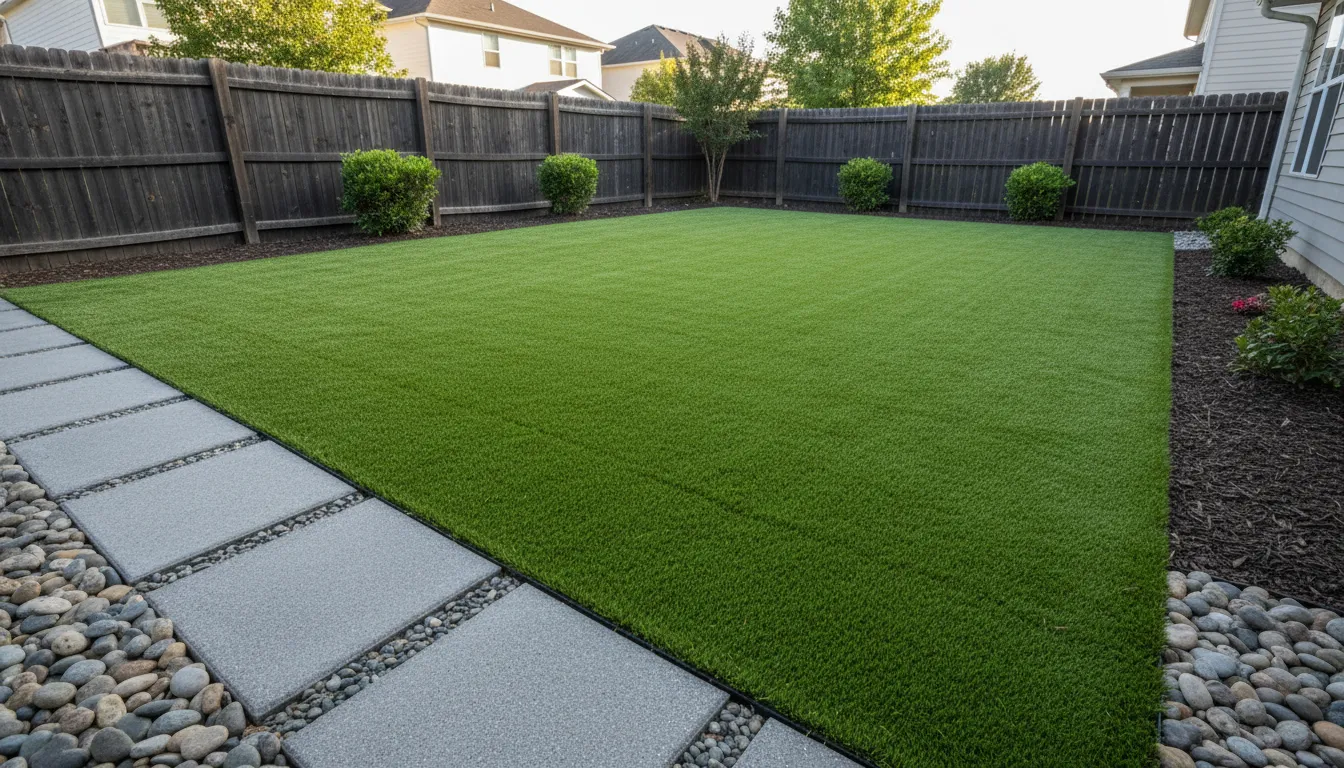
Find the Best Sod and Turf Lawn Installers for Your Business
No obligation • Fast responses • Nationwide coverage

Why you can trust Landscape Atlas
Landscape Atlas is a leading United States resource for evaluating landscaping, lawn care, and outdoor service providers. Our team researches each category in depth, focusing on service quality, safety, and customer experience. Listings and rankings are based on independent criteria and user feedback, and companies cannot pay to influence our assessments or recommendations.
Search providers near you
Best Sod and Turf Lawn Installers in California Ranked
A lush, green lawn can transform your California property, providing a beautiful space for relaxation and recreation. New lawn installation, whether with natural sod or modern artificial turf, is a significant landscaping project that requires careful planning and execution. The choice between these two primary options depends heavily on your local climate, water availability, and long-term maintenance goals. This guide provides clear, practical information to help you understand the process, costs, and care involved, so you can make an informed decision and connect with qualified local professionals for your project.
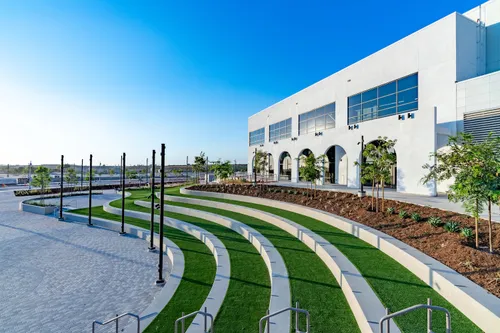
SYNLawn San Diego
7060 Miramar Rd STE 105, San Diego, CA 92121
SYNLawn San Diego offers synthetic grass solutions for residential lawns, pet areas, playgrounds, and putting greens in San Diego, CA. Their artificial turf features advanced technologies like Super Yarn™ antimicrobial fibers, EnviroLoc+™ plant-based backing, and HeatBlock™ cooling to provide durable, low-maintenance, and realistic-looking surfaces that remain attractive year-round. With over 45 years of experience and more than 200,000 installations, SYNLawn San Diego delivers products designed to reduce water use and withstand local climate conditions.
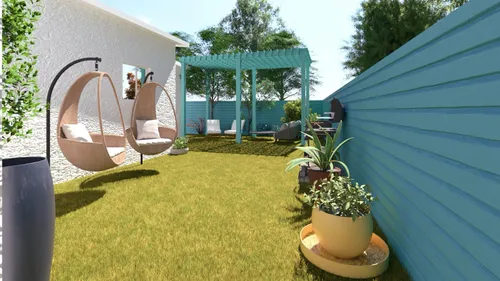
Green Advisor Inc.
7660 Beverly Blvd, Los Angeles, CA 90036
Green Advisor Inc. is a landscaping and remodeling company based in Los Angeles, CA. They provide comprehensive landscape design and construction services, including hardscaping, irrigation system installation, and custom outdoor renovations. Their expertise extends to pool construction, patio and deck building, and eco-friendly home remodeling projects. The company is recognized for its award-winning landscape designs and sustainable outdoor solutions. Green Advisor Inc. also offers 3D design services to help clients visualize their projects. They serve the Greater Los Angeles area, including the San Fernando Valley, and collaborate with trusted suppliers to ensure quality materials and craftsmanship.
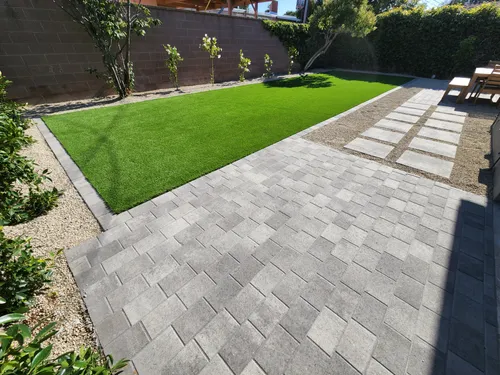
US Family Turf - Artificial Grass Installation
3740 Overland Ave UNIT H, Los Angeles, CA 90034
US Family Turf - Artificial Grass Installation provides artificial turf installation services in Los Angeles, CA. They specialize in durable and realistic artificial grass designed for family life, featuring antimicrobial protection, dog-friendly turf, and advanced cooling technology to maintain a fresh and comfortable surface. Their turf also includes a built-in weed barrier and UV resistance to ensure long-lasting appearance. The company offers a 25-year product warranty and a 3-year labor warranty, reflecting their commitment to quality. Locally owned and operated, US Family Turf is an active member of the Culver City Chamber of Commerce.
System Pavers
3600 Lime St Bldg 2, Riverside, CA 92501
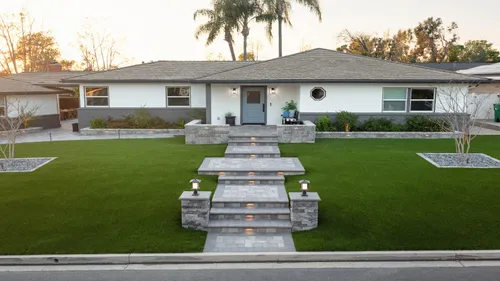
System Pavers is a landscaping and hardscaping company based in Riverside, CA. They specialize in designing and installing outdoor spaces including paver driveways, patios, artificial turf, decks, and landscape lighting. With over 30 years of experience since 1992, they offer personalized design consultations and professional installation using premium materials backed by industry-leading warranties. Their services focus on creating durable, low-maintenance outdoor living areas with a variety of customizable paver options.
Rp Synthetic Turf
7740 Edison Ave #103, Fontana, CA 92336
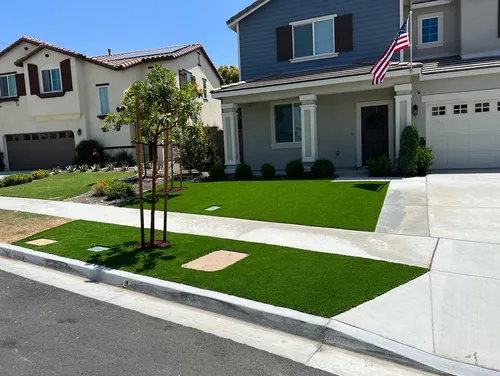
Rp Synthetic Turf is a landscaping and hardscaping contractor based in Los Angeles, CA, specializing in artificial turf installation, custom putting greens, and landscape design. They provide full-service design and build solutions for residential and commercial outdoor spaces, focusing on creating maintenance-free, realistic synthetic lawns and tailored landscape features. Their expertise includes high-quality synthetic turf products and custom hardscape elements such as pavers and retaining walls. The company emphasizes personalized service and craftsmanship, with a history of positive client feedback highlighting their attention to detail and project management.
Choosing Between Natural Sod and Artificial Turf
Your first major decision is selecting the type of surface. In California's diverse climates, from coastal fog to inland heat and drought, this choice has lasting implications for water use, maintenance, and budget.
Natural Sod offers a classic, living lawn. It provides a natural feel underfoot, cools the surrounding air through evapotranspiration, and supports local ecology. However, it requires a significant commitment to water, especially during the critical establishment phase and in hot, dry regions, which can lead to high water bills. It also needs ongoing mowing, fertilizing, and seasonal care.
Artificial Turf is a synthetic alternative designed to look like grass. It has become increasingly popular in drought-prone areas of California because it eliminates the need for watering (except occasional rinsing) and mowing 1. The primary appeal is substantial long-term water savings, which can offset its higher initial cost 2. A key consideration is that synthetic surfaces can get hotter than natural grass in direct sun, and they represent a larger upfront investment 3.
Critical Site Preparation: The Foundation for Success
Regardless of your choice, proper site preparation is the most crucial step for a long-lasting, attractive result. Rushing this phase can lead to drainage problems, uneven surfaces, and poor turf performance.
1. Clear and Grade the Area
Begin by removing all existing grass, weeds, rocks, and debris. The next step is grading, which is vital for preventing water from pooling against your home's foundation. The soil should be sloped away from all structures at a grade of 1-2% 4 5. This ensures rainwater and irrigation runoff flows away from your property.
2. Till and Amend the Soil
For natural sod, soil health is paramount. Till the soil to a depth of 4 to 6 inches to loosen compaction and allow for root growth. This is the time to incorporate soil amendments. Adding organic matter like compost or peat moss improves soil structure, drainage, and nutrient retention. Applying a starter fertilizer at this stage gives new sod roots essential nutrients for establishment. Conducting a simple soil test can provide specific guidance on what your soil needs.
3. Install Irrigation (For Natural Sod)
If you are installing a natural lawn, this is the time to put in your sprinkler system. All irrigation lines and heads should be installed and tested before the final grading step. Retrofitting a system after the lawn is installed is far more difficult and disruptive.
4. Final Grade and Roll
Rake the prepared soil smooth, carefully maintaining the proper slope away from buildings. Then, lightly roll the area with a water-filled roller. This firms the soil, reveals any low spots that need filling, and creates a stable, even base for laying your sod or artificial turf 6.
5. Pre-Settle the Soil
Water the prepared soil lightly several times and allow it to settle. This final step helps eliminate air pockets and ensures your grade is stable before installation begins.
Find the perfect sod and turf lawn installers for your needs
Get personalized recommendations and expert advice
Installation Process and Immediate Care
The installation techniques differ significantly between natural and synthetic lawns, and following best practices is key to their longevity.
For Natural Sod: Sod is perishable and should be installed within 24 hours of delivery, ideally sooner. Lay strips in a staggered brick-like pattern, ensuring edges are tight together without overlapping. Roll the newly laid sod lightly to ensure good soil-to-root contact. Crucially, you must begin watering within 30 minutes of installation to prevent the grass from drying out and dying 7.
For Artificial Turf: Professional installation is highly recommended. The process involves laying a weed barrier, installing a compacted base (usually decomposed granite), precisely rolling out and seaming the turf sections, securing the edges, and infilling with sand or rubber granules to keep the blades upright. Proper base preparation and seam work are what separate a professional-looking job from a subpar one.
Watering and Establishment Schedule for Natural Sod
The first few weeks are critical for a sod lawn to take root. A strict watering schedule is non-negotiable, especially in California's often warm climate.
- Days 1-7: Water 2-4 times per day with short cycles. The goal is to keep the top 1-2 inches of soil consistently moist. Avoid runoff and puddling 8 9.
- Days 8-14: Reduce watering to twice daily (morning and afternoon), applying enough water to penetrate deeper into the soil.
- Days 15-21: Water once per day, adjusting for particularly hot or windy conditions that dry the soil faster.
- Ongoing Maintenance: After the lawn is established, transition to a deep, infrequent watering schedule to encourage deep, drought-resistant root systems. Water early in the morning to minimize evaporation.
Understanding the Costs in California
Pricing for new lawn installation varies widely based on materials, site complexity, and labor. Here's a general breakdown of what you might expect:
- Natural Sod (Material Only): The sod itself typically costs between $0.14 and $0.60 per square foot, depending on the grass variety.
- Sprinkler System Installation: Adding an irrigation system for a sod lawn is a major cost factor, adding approximately $2.00 per square foot or more to the project.
- Artificial Turf (Installed): The total installed cost for synthetic grass, including base preparation and materials, generally ranges from $9 to $20 per square foot 10 11. The wide range accounts for the quality of turf product, site accessibility, and the complexity of the installation.
When evaluating cost, consider the long-term picture. Natural sod has a lower upfront material cost but carries ongoing water and maintenance expenses. Artificial turf requires a significant initial investment but offers decades of savings on water, mowing, and fertilizers.
Finding the Right Professional for Your Project
Given the importance of proper grading, soil preparation, and installation technique, working with an experienced professional is wise. Look for providers who specialize in your chosen method (sod or synthetic) and can provide a detailed plan that addresses California-specific challenges like slope, soil type, and local water regulations. They should be able to walk you through the entire process, from site evaluation and material selection to a clear maintenance plan for your new lawn.
Frequently asked questions
Sources
Footnotes
-
Artificial Turf & Sod: California Landscaping Tips - https://www.californiaext.com/artificial-turf-vs-sod-which-is-right-for-your-landscaping-needs ↩
-
Environmental Benefits Of Artificial Grass In California | Lawn Kings - https://lawnkingsinc.com/the-environmental-benefits-of-artificial-grass-in-california-saving-water-during-droughts/ ↩
-
Artificial Turf vs. Natural Grass: Which is Right for You? - https://greenbaylandscapes.com/blog/artificial-turf-vs-natural-grass-which-is-right-for-your-bay-area-home/ ↩
-
Healthy Lawns-Site preparation: Soil preparation - UC IPM - https://ipm.ucanr.edu/TOOLS/TURF/SITEPREP/soilprep.html ↩
-
Laying Sod in Summer: Best Installation and Care Tips - Quality Turf - https://qturf.com/blog/laying-sod-in-the-summer-best-time-for-installation-and-lawn-care-tips/ ↩
-
How To Install - American Sod Farms - https://www.americansodfarms.com/how-to-install/index.php ↩
-
Arizona and California Sod Installation - West Coast Turf - https://www.westcoastturf.com/Installation-Guide ↩
-
Expert Tips for New Lawn Sod Care in Southern California's Climate - https://qturf.com/blog/expert-tips-for-new-lawn-sod-care-in-socal/ ↩
-
Installing Your New California-Native Lawn - https://sbbotanicgarden.org/insight/installing-your-new-california-native-lawn/ ↩
-
Artificial Grass Cost - Installation Price Guide - US Turf San Diego - https://usturfsandiego.com/news/artificial-grass-cost-installation-price-guide/ ↩
-
Artificial Turf vs. Grass: Which Is the Best Choice for Your ... - https://kndlandscaping.com/artificial-turf-vs-grass-which-is-the-best-choice-for-your-landscape/ ↩