Find the Best Sod and Turf Lawn Installers for Your Business
No obligation • Fast responses • Nationwide coverage

Why you can trust Landscape Atlas
Landscape Atlas is a leading United States resource for evaluating landscaping, lawn care, and outdoor service providers. Our team researches each category in depth, focusing on service quality, safety, and customer experience. Listings and rankings are based on independent criteria and user feedback, and companies cannot pay to influence our assessments or recommendations.
Search providers near you
Find Sod and Turf Lawn Installers near you
A lush, green lawn can transform your outdoor space, providing a beautiful area for relaxation and play. Whether you choose the natural feel of fresh sod or the low-maintenance appeal of artificial turf, installing a new lawn is a significant project that requires careful planning and execution. This guide explains the key differences between sod and turf installation, outlines the step-by-step processes, and provides essential information on costs and long-term care to help you make an informed decision and connect with qualified professionals in your area.
Search providers near you
Understanding Your Options: Natural Sod vs. Artificial Turf
The first and most crucial decision is choosing between a natural grass lawn and a synthetic one. Each has distinct characteristics that affect installation, maintenance, cost, and long-term enjoyment.
Natural Sod provides an instant, living lawn. It involves rolls of pre-grown grass that are laid onto prepared soil, where they take root. This option offers the classic look, feel, and smell of real grass, along with natural cooling effects. However, it requires consistent watering, mowing, fertilizing, and seasonal care to thrive 1.
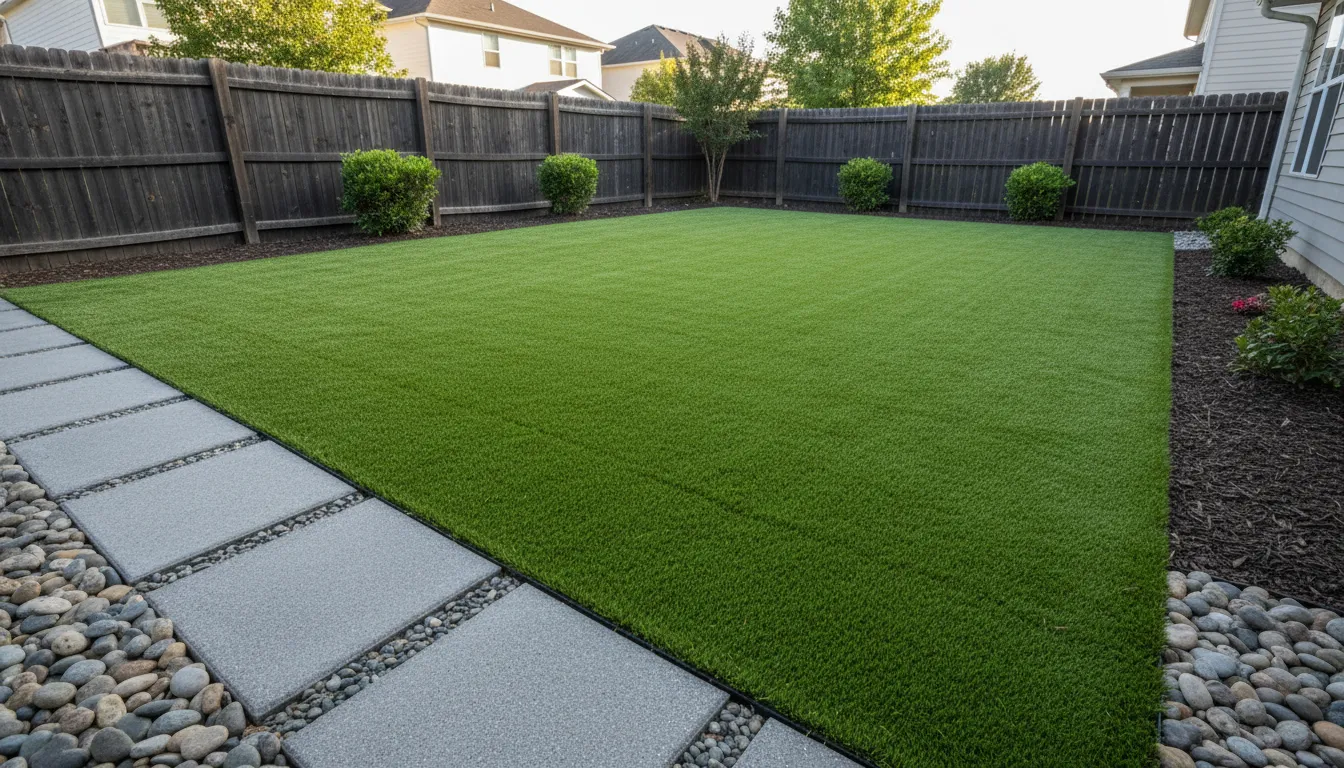
Artificial Turf, also known as synthetic grass, is a manufactured surface made to look like natural grass. It provides a consistently green appearance year-round with minimal upkeep-no mowing, watering, or fertilizing is needed. Modern options are highly realistic in look and feel, making them a popular choice for areas with water restrictions, heavy use, or challenging growing conditions.
The Installation Process: A Side-by-Side Look
While both projects result in a green lawn, the preparation and installation methods for sod and artificial turf are fundamentally different. Understanding these steps highlights why professional installation is often recommended for a durable, high-quality finish.
Site Preparation: The Critical Foundation
Proper site preparation is the most important phase for either type of lawn installation, as it ensures proper drainage, stability, and longevity.
For a Natural Sod Lawn: The goal is to create an ideal seedbed for grass roots. The process begins with clearing and grading the area. All existing grass, weeds, rocks, and debris must be removed. The soil is then graded to ensure a slope that directs water away from your home's foundation 2. Next, the soil is tilled and amended. Tilling to a depth of 4-6 inches loosens compacted earth. Based on a soil test, compost and a starter fertilizer are incorporated to adjust the pH to an optimal range of 6.0 to 7.5 and provide essential nutrients 3. Finally, the area undergoes finish grading and settling. The soil is raked to a smooth, final grade, typically about 1 inch below sidewalks and driveways to accommodate the sod's thickness. A lawn roller is then used to settle the soil and eliminate air pockets, creating a firm, level surface.
For an Artificial Turf Lawn: The goal is to create a stable, well-draining base that will not shift or settle. This starts with clearance and excavation. Existing grass and soil are removed to a depth of 3-4 inches to make room for the base materials 4. Any existing irrigation lines in the area should be marked and capped at this stage. Next, the perimeter is defined and drainage is addressed. Edging, such as bender board, is installed to create a crisp border. If the area has poor drainage, modifications or new systems may be installed now 5. The core of the prep is installing and compacting the base. A 2-4 inch layer of aggregate base material (like crushed rock or decomposed granite) is spread and then thoroughly compacted with a plate compactor. It's often hosed down during compaction to achieve maximum density and stability 6. Finally, a porous weed barrier fabric is laid over the compacted base and secured to prevent weed growth from below 7.
Laying and Finishing the Lawn
Once the site is prepared, the surfacing material is installed.
Laying Natural Sod: Sod must be installed promptly upon delivery. Rolls are laid in a staggered, brick-like pattern, ensuring tight seams without overlapping. It's crucial to work from a straight edge and avoid walking on the freshly laid grass. After the area is covered, a water-filled roller is used to ensure good root-to-soil contact. The most critical step follows immediately: thorough and immediate watering to kickstart the establishment process 8.
Installing Artificial Turf: The synthetic grass rolls are laid out, ensuring the grain of the fibers all face the same direction for a uniform appearance. The turf is trimmed to fit, leaving a slight overlap at the edges. Seams between rolls are joined using specialized seaming tape and adhesive. The perimeter is then secured with long, galvanized nails. The final step is infilling. A material like silica sand is spread over the turf and power-brushed deep into the fibers. This infill helps the blades stand upright, adds weight to stabilize the turf, and provides cushioning 9 10.
Soil, Water, and Long-Term Care
The ongoing requirements for your new lawn are dictated by your choice of material.
Soil Preparation and Irrigation Needs:
- Natural Sod: Relies on high-quality, amended native soil for root growth and health. It requires a significant and consistent watering schedule, especially during the first 2-6 weeks for establishment, and regular irrigation throughout its life to stay green and healthy 11 12.
- Artificial Turf: Replaces the native soil with a constructed aggregate base. It requires minimal water, used only occasionally for rinsing away debris or pet waste. No irrigation system is needed for growth, though some homeowners install misting systems to cool the surface in extremely hot climates 13 14.
Maintenance Comparison:
- Sod Maintenance: Includes weekly mowing during the growing season, regular fertilization, seasonal aeration, overseeding for thin spots, weed control, and disease management. It is a living ecosystem that requires ongoing attention.
- Turf Maintenance: Primarily involves periodic brushing to keep fibers upright, rinsing to clean the surface, and spot-cleaning any stains or pet waste. It does not require mowing, feeding, or pesticides.
Find the perfect sod and turf lawn installers for your needs
Get personalized recommendations and expert advice
Cost Analysis: Initial Investment vs. Long-Term Value
The financial aspect of lawn installation involves both upfront costs and long-term expenses.
Professional Installation Costs: Costs vary widely based on your location, the size and complexity of the area, site conditions, and the quality of materials chosen 15.
- Natural Sod: Typically costs between $2 to $6 per square foot for professional installation, which includes both materials and labor 16.
- Artificial Turf: Has a higher initial investment, typically ranging from $5 to $20 per square foot for professional installation, including materials and labor 17.
Understanding the Long-Term Picture: While artificial turf has a higher upfront cost, it can offer substantial long-term savings. These savings come from the elimination of ongoing costs associated with a natural lawn: water bills, fertilizer, pesticides, fuel or electricity for mowing, and the value of your own time spent on maintenance. For natural sod, the initial cost is lower, but homeowners should budget for the recurring annual expenses of lawn care.
Key Factors in Choosing the Right Lawn for You
Making the best choice depends on your lifestyle, climate, and property goals.
- Climate and Water Availability: In drought-prone areas or regions with water restrictions, artificial turf is often a more sustainable and practical choice.
- Intended Use: For high-traffic areas like playgrounds, pet runs, or backyard sports courts, durable artificial turf can withstand heavy use without becoming muddy or worn. For a traditional garden setting where the natural experience is prized, sod is preferable.
- Maintenance Commitment: Consider how much time and effort you are willing to dedicate to lawn care. Artificial turf offers a nearly maintenance-free solution, while sod requires a regular seasonal routine.
- Budget: Evaluate both your initial installation budget and your willingness to incur ongoing maintenance costs over 10-15 years.
Finding the Right Professional
Given the technical nature of site preparation-especially grading for drainage and compacting a base for turf-hiring a qualified professional is highly recommended. A skilled installer will ensure proper execution, which is key to preventing issues like pooling water, uneven surfaces, or premature wear. Look for experienced contractors who specialize in your chosen lawn type, can provide detailed quotes, and offer examples of their previous work.
Frequently asked questions
Sources
Footnotes
-
Artificial Turf or Natural Grass | Which is Better - Super-Sod - https://info.supersod.com/lifestyle-landscaping/artificial-turf-or-real-grass ↩
-
How to Prep Your Yard for Sod Installation - https://qturf.com/blog/how-to-prep-yard-for-sod-installation/ ↩
-
How to Prepare Soil for Sod | Site Preparation Tips - Saratoga Sod Farm - https://www.saratogasod.com/tips-resources/site-preparation/ ↩
-
How to Prep Your Lawn for Artificial Turf Installation - https://texasartificiallawns.com/blog/how-to-prep-your-lawn-for-artificial-turf-installation/ ↩
-
Artificial Turf Installation Guide - https://www.artificialgrassliquidators.com/how-to-install-artificial-grass/ ↩
-
How To Install Artificial Grass | SGW - https://syntheticgrasswarehouse.com/resources/installing-artificial-grass/step-by-step-guide-to-installing-artificial-grass/ ↩
-
Turf Lawn Installation: Step-By-Step Instructions - https://www.turftekusa.com/blog/turf-lawn-installation-step-by-step-instructions ↩
-
How to Lay Sod | ScottsMiracle-Gro US - https://scottsmiraclegro.com/en-us/learn/lawn-care/how-to-lay-sod.html ↩
-
A Step-by-Step Guide to Installing Artificial Turf Grass - https://www.lowes.com/n/how-to/install-artificial-grass ↩
-
Artificial Grass Installation For DIY - Genesis Turf - https://www.online-turf.com/artifical-turf-diy/ ↩
-
Grass Sod Installation: Ultimate Lush Lawn 2025 - https://randalllandscaping.com/grass-sod-installation-guide-2025/ ↩
-
Nine Steps for Establishing a New Lawn Using Sod - https://www.canr.msu.edu/uploads/files/e2911.pdf ↩
-
How Artificial Turf Supports Irrigation - https://goatturf.com/lawns-landscape/how-artificial-turf-supports-irrigation/ ↩
-
How Is Artificial Grass Installation Different From Using Sod for ... - https://sgwsacramento.com/blog/how-is-artificial-grass-installation-different-from-using-sod-for-your-lawn/ ↩
-
Residential Sod Installation: Costs, Planning & What to Expect - https://gvt.net/residential-sod-installation-costs-planning/ ↩
-
Grass Installation Cost: What Homeowners Should Know - https://warelandscaping.com/resources/grass-installation-cost ↩
-
Synthetic Lawn vs Real Lawn: Best Pros & Cons in 2024 - https://bostonlandscapeco.com/synthetic-lawn-vs-real-lawn/ ↩