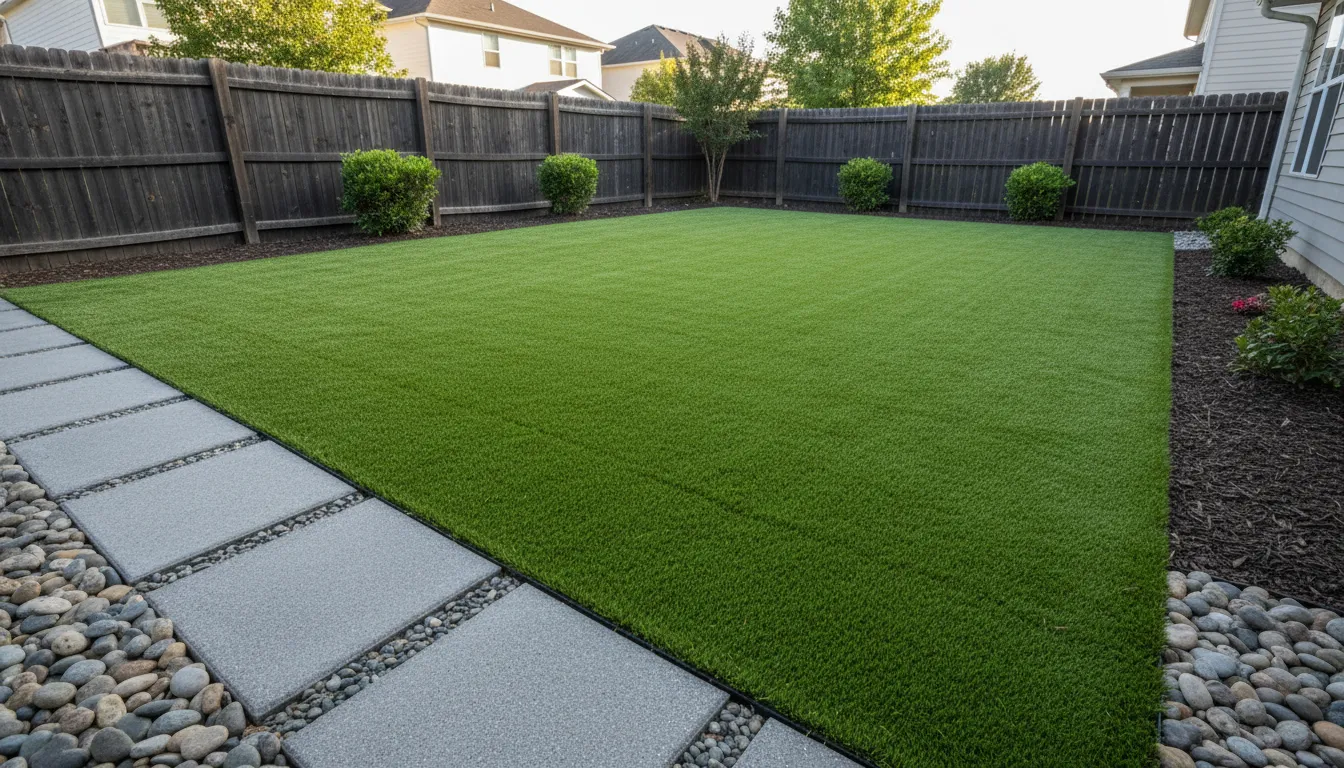
Find the Best Sod and Turf Lawn Installers for Your Business
No obligation • Fast responses • Nationwide coverage

Why you can trust Landscape Atlas
Landscape Atlas is a leading United States resource for evaluating landscaping, lawn care, and outdoor service providers. Our team researches each category in depth, focusing on service quality, safety, and customer experience. Listings and rankings are based on independent criteria and user feedback, and companies cannot pay to influence our assessments or recommendations.
Search providers near you
Best Sod and Turf Lawn Installers in Nebraska Ranked
A lush, green lawn is a cornerstone of Nebraska's beautiful landscapes, but establishing one from scratch requires careful planning and execution. Whether you're looking for the instant gratification of sod or the low-maintenance appeal of artificial turf, professional installation ensures a durable, aesthetically pleasing result. This guide provides essential information on timing, preparation, costs, and care for both sod and turf installations in Nebraska, helping you understand the process and connect with local experts for your project.
Sportzturf
14607 226th St, Greenwood, NE 68366
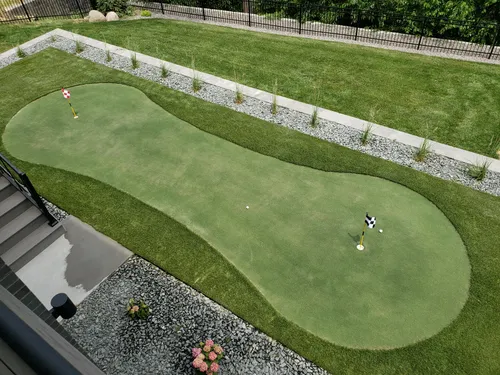
Sportzturf is a synthetic turf provider based in Lincoln, NE, offering installation and maintenance services for residential and commercial clients. They specialize in artificial turf solutions for athletic fields, indoor turf, putting greens, playgrounds, and pet areas. Their installations include components such as turf fibers, infill, aggregate layers, geotextile fabric, drainage systems, and perimeter materials to ensure durability and proper function. Sportzturf has grown into a nationwide company known for delivering low-maintenance, eco-friendly turf that mimics natural grass while reducing water use and upkeep.
Precision Outdoor Solutions
Lincoln, NE
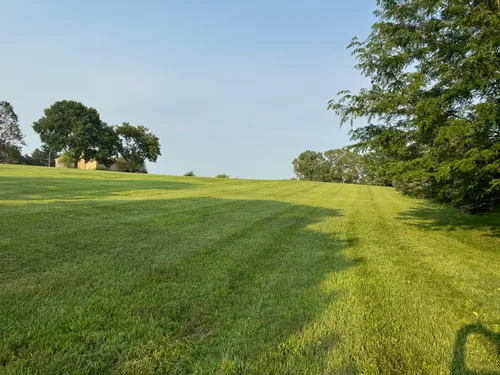
Precision Outdoor Solutions is a full-service outdoor solutions company based in Lincoln, NE. Established in 2021, they provide comprehensive lawn care, landscaping, hardscaping, irrigation, and snow and ice management services for both residential and commercial properties. Their capabilities include lawn fertilization, weed control, sod installation, grading, sprinkler system installation and repair, as well as the construction of patios and retaining walls. They serve Lincoln and surrounding areas including Ashland, Gretna, Elkhorn, Papillion, and Omaha.
Omaha Stump Guy
912 S 188th Ct, Elkhorn, NE 68022
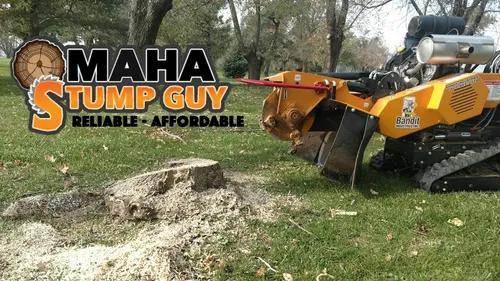
Omaha Stump Guy is a locally owned and fully insured business providing stump grinding and tree stump removal services in Omaha, NE. They focus on protecting lawns and underground utilities while delivering clean and safe job sites. Their equipment includes rubber-tracked grinders that minimize lawn damage by gliding over grass without leaving ruts. Omaha Stump Guy grinds stumps six to eight inches below ground level and offers debris removal and surface leveling to prepare the area for new grass or sod. They serve the Omaha metro area with fast scheduling and professional service.
Dreamscapes, Inc.
Lincoln, NE
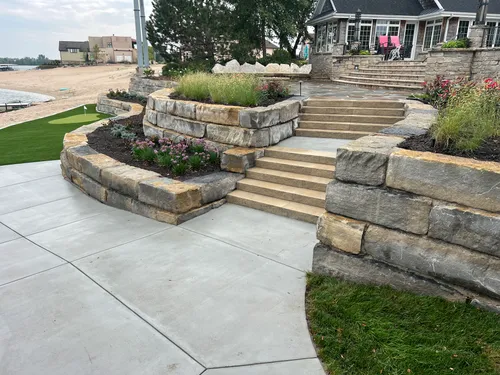
Dreamscapes, Inc. is a landscaping and hardscaping contractor based in Lincoln, NE, specializing in residential and commercial outdoor construction. Since 1989, they have provided services including brick paver patios, retaining walls, fire pits, outdoor kitchens, and artificial turf installation. The company has completed notable projects such as Pinnacle Bank Arena and Centennial Mall, earning recognition for their concrete paver work. With over 35 years of experience, Dreamscapes focuses on durable, high-quality craftsmanship for both functional and custom outdoor living spaces.
Loveland Grass Pad
9900 F St, Omaha, NE 68127
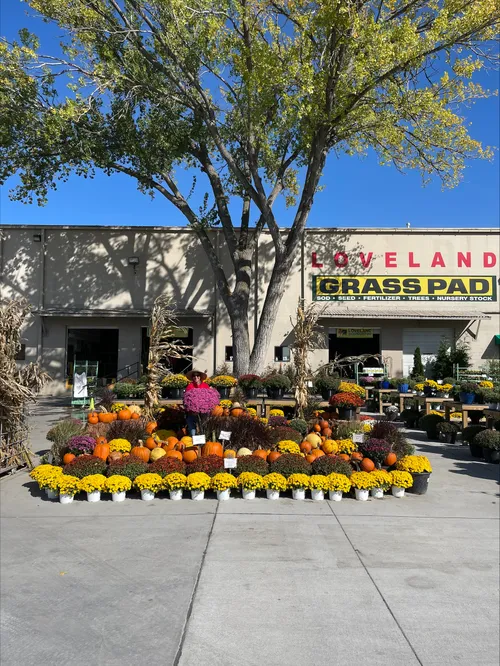
Loveland Grass Pad is a lawn care company based in Omaha, NE, specializing in lawn fertilization, weed control, sod installation, and artificial turf services. They offer a range of lawn and garden supplies tailored for Midwestern lawns, including weed-free grass seed and fertilizers designed for local conditions. Their approach focuses on practical, easy-to-follow lawn care programs suitable for year-round maintenance. Loveland Grass Pad supports homeowners in Omaha with expert advice and quality products to help grow and maintain healthy lawns.
Choosing Between Natural Sod and Artificial Turf
The first major decision is selecting the right material for your Nebraska property. Each option offers distinct benefits and considerations.
Natural sod provides a traditional, living lawn. It offers cooling effects, a natural feel underfoot, and environmental benefits like oxygen production and soil stabilization. For Nebraska's climate, cool-season grasses like Kentucky bluegrass, tall fescue, and perennial ryegrass are common choices for sod. These grasses thrive in the state's temperature swings but require consistent water and seasonal maintenance like mowing, fertilizing, and aeration.
Artificial turf is a synthetic alternative designed to mimic the look of real grass with minimal upkeep. It requires no mowing, watering for growth, or chemical treatments, making it an attractive option for areas with water restrictions, heavy shade, or high-traffic play areas. Modern artificial turf is more realistic than ever, using various blade shapes, colors, and infill materials to create a natural appearance and feel.
Optimal Timing for Installation in Nebraska
Installing at the right time of year is critical for the success of a natural sod lawn and can influence the efficiency of an artificial turf project.
For sod installation, the best windows are during Nebraska's cooler, wetter seasons. Fall (late August through October) is often considered ideal because the warm soil encourages rapid root growth while the cooler air reduces heat stress on the grass blades 1. Early spring is the second-best option, allowing the lawn to establish before summer's heat arrives. While summer installation is possible, it demands an intense and vigilant watering schedule to prevent the new sod from drying out and dying.
Artificial turf installation is less constrained by weather. It can be installed year-round, provided the ground is not frozen, which hinders proper excavation and base compaction. Many homeowners choose spring or fall for these projects to enjoy the new lawn immediately during prime outdoor seasons.
Critical Site Preparation Steps
Proper preparation is the most important phase for both sod and turf, determining the longevity and quality of the finished lawn.
Preparing for Natural Sod
A successful sod lawn starts with great soil. The goal is to create a loose, nutrient-rich, and well-graded seedbed.
- Clear and Grade: Remove all existing vegetation, rocks, and debris. For perennial weeds like quackgrass, an application of glyphosate may be necessary. Rough-grade the area to ensure proper drainage away from your home's foundation.
- Test and Amend Soil: A soil test is highly recommended. Nebraska soils often benefit from amendments to reach a pH between 6.0 and 7.0, which is optimal for cool-season grasses. Based on the test, you may need to add lime to raise pH or sulfur to lower it 2.
- Improve Soil Texture: Incorporate 2-3 inches of organic matter, such as compost, across the site. This improves soil structure, water retention, and nutrient availability.
- Till and Final Grade: Till the soil and amendments to a depth of 4 to 6 inches. Then, use a lawn roller or rake to create a smooth, firm, and level final grade. The prepared soil should be about 1 inch below sidewalks or driveways to accommodate the sod's thickness 3.
Preparing for Artificial Turf
The foundation for artificial turf must be stable, compacted, and drain perfectly to prevent shifting, wrinkles, or puddles.
- Excavate: Remove 3 to 4 inches of existing soil and vegetation to make room for the base materials.
- Install Weed Barrier (Optional): A layer of geotextile fabric can be laid to suppress weed growth from below.
- Build and Compact the Sub-Base: Add a 3-4 inch layer of crushed rock aggregate (often 3/8" minus gravel). This layer must be spread evenly and compacted thoroughly with a mechanical plate compactor. This creates a solid, stable, and permeable base that is crucial for the turf's longevity and drainage 4.
- Final Grade: The compacted base should be graded smoothly and raked to ensure no sharp rocks protrude, which could damage the turf backing.
Find the perfect sod and turf lawn installers for your needs
Get personalized recommendations and expert advice
Installation and Immediate Aftercare
The installation techniques and initial care routines differ dramatically between the two lawn types.
Laying and Caring for New Sod
Sod should be installed on prepared soil immediately upon delivery. Start laying pieces along a straight edge, like a driveway, staggering the joints in a brick-like pattern. Roll the entire lawn with a light roller to ensure good soil-to-root contact.
Watering is non-negotiable for new sod. The goal is to keep the roots and soil consistently moist but not waterlogged.
- Immediately After Install: Water thoroughly until the soil underneath is moist to a depth of 3-4 inches.
- First Two Weeks: This is the critical period. Water lightly 2 to 3 times per day to prevent the seams and edges from drying out. The sod should never be allowed to dry 5.
- After Rooting (Weeks 3-4): As roots establish, you can transition to deeper, less frequent watering. Aim to water until the soil is moist 4-6 inches deep, typically once or twice a week, adjusting for heat and wind 6 7.
Installing Artificial Turf
The synthetic turf rolls are laid over the prepared base, trimmed to fit, and seamed together. Special seam tape and adhesive are used to bond sections seamlessly. The perimeter is secured with landscape spikes or nails. Finally, a silica sand or rubber infill is brushed deep into the turf pile. This step is essential-it weighs down the turf, helps the blades stand upright, and provides cushioning 8 9. A final brushing with a power broom fluffs the blades for a natural look.
Aftercare for artificial turf is simple: rinse it occasionally to remove dust or pollen, and brush the pile periodically to maintain its appearance. No watering for growth is required.
Understanding the Costs in Nebraska
Installation costs vary significantly based on the material, site complexity, and project size.
- Natural Sod Installation: For professional installation, including soil preparation, sod, and labor, homeowners can expect to pay between $2 and $6 per square foot 10 11. For a typical 1,000-square-foot lawn, this translates to a range of approximately $2,000 to $6,000. The final price depends on sod variety, site accessibility, and the extent of soil amendment needed.
- Artificial Turf Installation: This is a more significant investment due to material costs and extensive site work. Professionally installed artificial turf typically ranges from $10 to $20 or more per square foot 12 13 14. For a 1,000-square-foot area, the total cost often falls between **$10,000 and $20,000+. Factors influencing price include the quality and pile height of the turf, the type of infill used, drainage requirements, and the complexity of the shape.
Long-Term Maintenance Considerations
Your commitment after installation defines the lawn's future. A natural sod lawn in Nebraska requires a seasonal cycle of mowing (at the proper height), fertilization, core aeration, and overseeding to stay thick and healthy. It will also need ongoing irrigation during dry periods.
Artificial turf requires minimal but specific maintenance: regular brushing to prevent matting, occasional rinsing, and topping off infill material every few years. It also needs periodic inspection to ensure the seams and edges remain secure.
Frequently asked questions
Sources
Footnotes
-
Why Fall is the Perfect Time to Install Sod in Omaha - https://simplysodomaha.com/news/why-fall-is-the-perfect-time-to-install-sod-in-omaha ↩
-
Essential Steps for Preparing Your Yard for Sod Installation - https://southernlovelandscaping.com/2025/02/24/how-to-prepare-a-yard-for-sod-installation/ ↩
-
Establishing Lawns From Sod - University of Nebraska-Lincoln - https://go.unl.edu/lawn-sod ↩
-
How to Prepare Ground for Artificial Turf Installation - https://www.turfkingz.com/articles/how-to-prepare-ground-for-artificial-turf ↩
-
Caring for Your Newly Installed Sod: A Guide - Simply Sod Omaha - https://simplysodomaha.com/news/a-guide-caring-for-sod ↩
-
Irrigating Home Lawns - Turfgrass Science - https://turf.unl.edu/sites/unl.edu.ianr.agronomy-horticulture.turf/files/media/file/homelawnirrigation2011a.pdf ↩
-
Soil Preparation - Seven Cities Sod - https://sevencitiessod.com/installation/soil-preparation/ ↩
-
The Essential Residential Artificial Turf Installation Guide - https://www.turftekusa.com/blog/the-essential-residential-artificial-turf-installation-guide ↩
-
New Lawn Installation: How to Plant Grass - Landscaping Network - https://www.landscapingnetwork.com/lawns/installing.html ↩
-
Price Guide for Sod Installation: Average Costs in 2025 - https://hisworkmanshiplabor.com/price-guide-for-sod-installation-average-costs-in-2025/ ↩
-
How Much Does Sod Installation Cost? [2025 Data] | Angi - https://www.angi.com/articles/how-much-does-it-cost-lay-sod.htm ↩
-
Artificial Turf Installation in Omaha - Heroes Lawn Care - https://www.heroeslawncare.com/omaha-ne/services/lawn-landscape/artificial-turf/ ↩
-
Grass Installation Cost: What Homeowners Should Know - https://warelandscaping.com/resources/grass-installation-cost ↩
-
National-average costs for a 1,000 sq ft sod DIY and professional lawn installation. - https://mcleodlandscaping.com/lawn-installation-price/ ↩