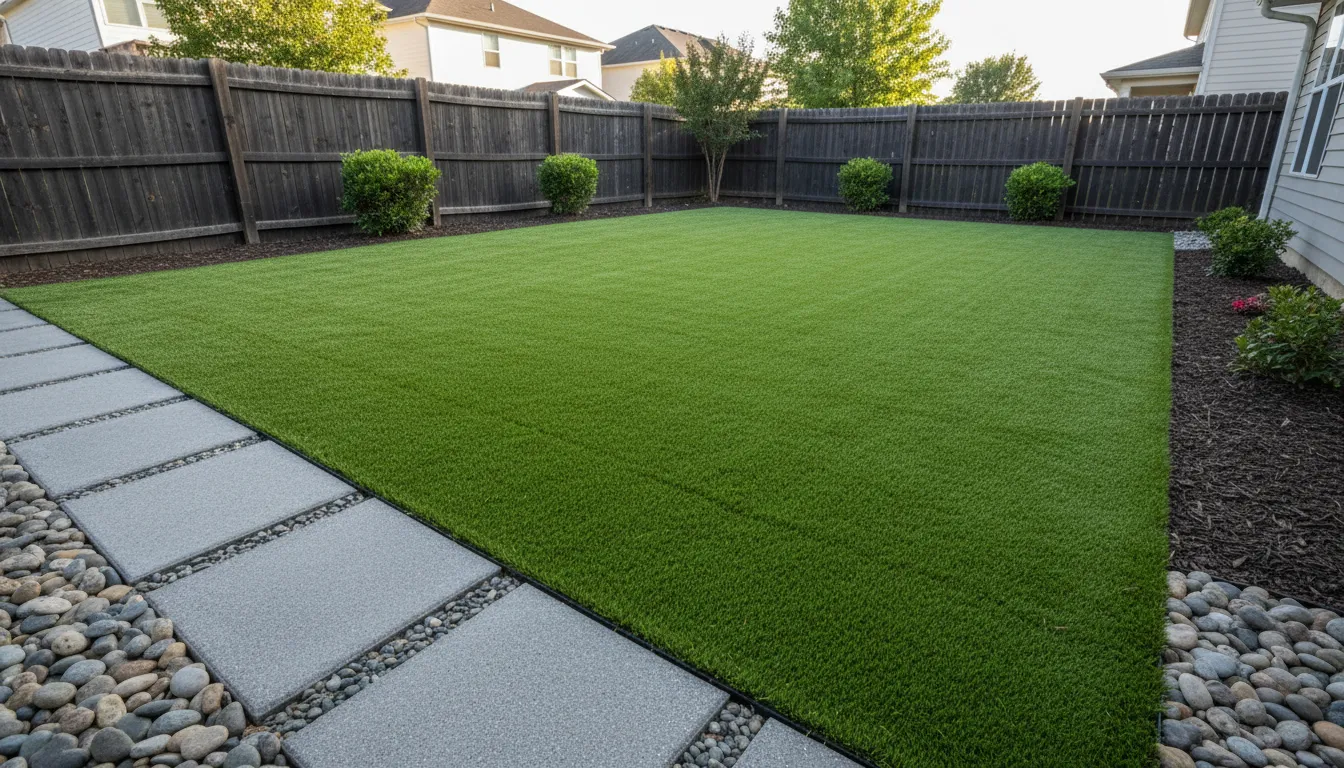
Find the Best Sod and Turf Lawn Installers for Your Business
No obligation • Fast responses • Nationwide coverage

Why you can trust Landscape Atlas
Landscape Atlas is a leading United States resource for evaluating landscaping, lawn care, and outdoor service providers. Our team researches each category in depth, focusing on service quality, safety, and customer experience. Listings and rankings are based on independent criteria and user feedback, and companies cannot pay to influence our assessments or recommendations.
Search providers near you
Best Sod and Turf Lawn Installers in Hawaii Ranked
Transforming your outdoor space with a lush, green lawn is a dream for many Hawaii homeowners. Whether you're looking to establish a vibrant natural grass area or opt for a low-maintenance artificial surface, a new lawn installation is a significant project that requires careful planning. The unique tropical climate of Hawaii presents specific opportunities and challenges for turf establishment. This guide will help you understand the key considerations for sod and turf installation in the Aloha State, from selecting the right materials to proper site preparation and long-term care, so you can make an informed decision and connect with experienced local professionals.
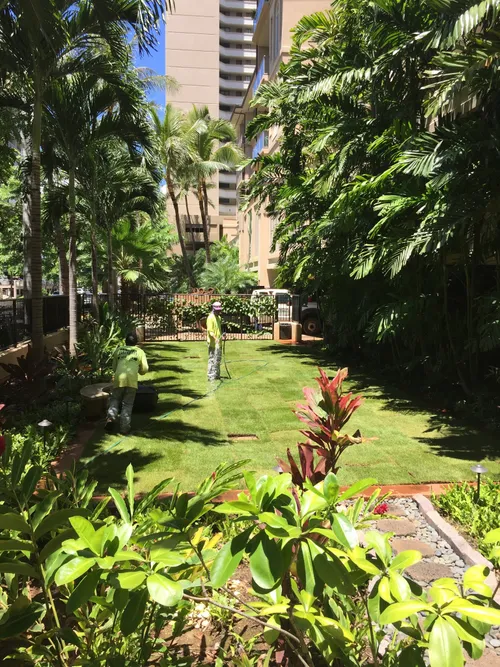
Hawaiian Turfgrass
94-840 Lanikuhana Ave, Mililani, HI 96789
Hawaiian Turfgrass is a local provider based in Mililani, serving Honolulu, HI, and the surrounding islands. They specialize in sod installation, artificial turf, sprinkler installation, and irrigation services for home lawns, sports fields, and golf courses. Their offerings include site preparation, dependable delivery, and expert installation, featuring grass varieties like Captiva® St. Augustine and El Toro Zoysia known for shade tolerance and drought resistance. Hawaiian Turfgrass supports online ordering 24/7 and delivers throughout O'ahu and the outer islands.
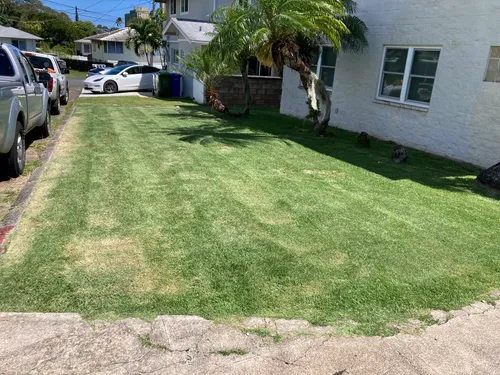
Don's Lawn Care
Honolulu, HI
Don's Lawn Care is a lawn care and landscaping company serving Honolulu, HI. They offer a wide range of services including yard mowing, total yard cleanup, tree trimming, planting and seeding, weed control, sod installation, rock installation, and junk removal. Don's Lawn Care focuses on personalized service, attention to detail, and environmentally friendly practices to maintain and enhance outdoor spaces. The company is fully insured and operates primarily as a small, dedicated team led by Don himself, ensuring quality and reliable yard maintenance.
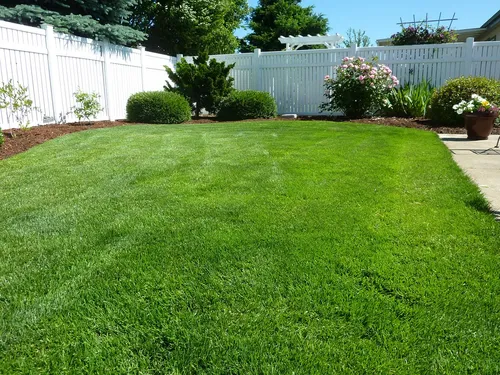
Yard Man Hawaii LLC
Honolulu, HI
Yard Man Hawaii LLC offers yard cleanup, sod installation, and sprinkler system services in Honolulu, HI. They use quality sod from Southern Turf Hawaii and focus on proper installation to support healthy grass growth. The company emphasizes honest service and works closely with customers to ensure satisfactory results.
Hawaii Harmony Gardens Landscaping
1419 Piikoi St, Honolulu, HI 96822
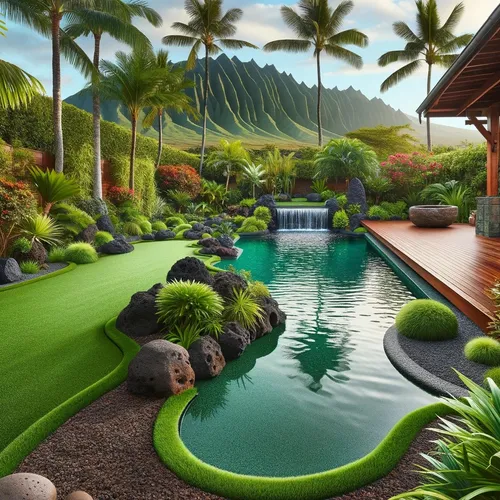
Hawaii Harmony Gardens Landscaping is a full-service landscaping company based in Honolulu, HI. They provide a wide range of services including lawn mowing, fertilization, weed control, sod and synthetic turf installation, landscape lighting, irrigation system design and repair, tree services, and hardscaping such as patios and retaining walls. Their expertise includes sustainable landscaping with native Hawaiian plants and smart irrigation systems that optimize water use while maintaining healthy lawns and gardens. They serve both residential and commercial clients in Honolulu, offering personalized landscape design and maintenance solutions. The company also provides 24/7 tree removal services for emergencies.
Aloha `Aina Landscaping LLC
41-668 Kakaina St, Waimanalo, HI 96795
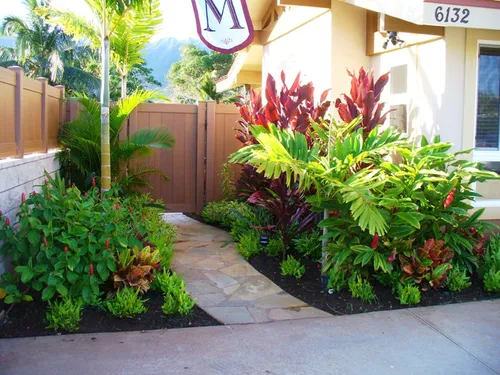
Aloha `Aina Landscaping LLC is a licensed and insured landscaping company based in Honolulu, HI. They offer a comprehensive range of services including landscape design and planting, irrigation system installation, lawn installation, drainage and grading, masonry and fencing construction, landscape lighting, and yard care. Their nursery grows high-quality plants to support vibrant outdoor spaces. The company emphasizes transparent communication and partnership to meet client project visions with cost-effective solutions. Aloha `Aina Landscaping is known for their masonry construction capabilities such as driveway and walkway paving.
Choosing the Right Surface for Hawaii's Climate
Hawaii's year-round warm temperatures, high humidity, and varied rainfall patterns demand careful selection of your lawn material. The two primary options are natural sod (grass) and synthetic turf, each with distinct advantages.
Natural Sod (Warm-Season Grasses): For a traditional living lawn, warm-season grasses are essential for success in Hawaii's heat. These varieties thrive in temperatures above 80°F and are more drought-tolerant than cool-season types.
- Zoysia Grass: A top choice known for its dense, carpet-like growth, good drought tolerance, and ability to withstand foot traffic.
- Seashore Paspalum: Exceptionally salt-tolerant, making it ideal for properties near the ocean 1.
- Bermuda Grass: Establishes quickly and handles high traffic well, but requires more frequent mowing.
- Buffalo Grass: A native option in some areas, valued for its low water needs once established.
Artificial Turf: Synthetic grass has become a popular alternative, especially in areas with water restrictions or for homeowners seeking a perpetually green, low-maintenance yard. Modern products are designed to withstand intense UV exposure and heat, common in Hawaii 2. The key benefit is dramatic water savings, but it requires a specific installation process for proper drainage and longevity.
Critical Site Preparation: The Foundation for Success
Regardless of your choice, proper site preparation is the most crucial step for a long-lasting, beautiful lawn. Rushing this phase is the leading cause of lawn failure.
Preparing for Natural Sod:
- Remove Existing Vegetation: Completely kill and remove any old grass, weeds, or plants. This can be done with a non-residual herbicide or by solarization.
- Till the Soil: Loosen the soil to a depth of 4 to 6 inches. This alleviates compaction, allows for better root penetration, and improves water infiltration 3.
- Amend the Soil: Based on a soil test, add necessary amendments. Incorporating 1 to 2 inches of quality compost or topsoil is generally recommended to improve soil structure and fertility 4 5. Hawaii's soils can be acidic; lime may be needed to adjust pH.
- Grade and Level: Rake the area smooth, creating a slight grade (about a 1-2% slope) away from buildings to ensure proper drainage. Avoid creating low spots where water will pool.
- Initial Compaction: Lightly roll the prepared soil with a water-filled roller to create a firm, level base for laying sod, preventing future uneven settling.
Preparing for Artificial Turf: The base for synthetic grass is engineered for drainage and stability.
- Excavate: Remove 3 to 4 inches of existing soil and vegetation.
- Install Base Material: Add and compact a 3-4 inch layer of crushed rock or decomposed granite. This aggregate base is critical for drainage and preventing wrinkles or dips.
- Grade and Slope: Precisely grade the compacted base to ensure a minimum 1% slope for water runoff.
- Lay Weed Barrier: Install a high-quality permeable landscape fabric over the compacted base to prevent weed growth.
Find the perfect sod and turf lawn installers for your needs
Get personalized recommendations and expert advice
Installation and Establishment Process
Laying Natural Sod: Install sod as soon as it's delivered. Start along a straight edge, like a driveway or sidewalk, laying rolls or slabs in a staggered brick-like pattern. Butt edges tightly together without overlapping. Use a sharp knife to trim around curves and obstacles. Immediately after laying a section, roll it again to ensure good soil-to-sod contact, which is vital for root establishment.
Installing Artificial Turf: Synthetic grass rolls are laid over the weed barrier, trimmed to fit, and seamed together using specialized tape and adhesive. Once positioned, it is secured around the perimeter with landscaping spikes or nails. The final and essential step is spreading and brushing in the infill material (often silica sand or crumb rubber), which helps the blades stand upright, adds weight, and provides cushioning.
Watering and Initial Care Schedule
For New Natural Sod: The first two to three weeks are critical. The goal is to keep the sod and the top inch of soil constantly moist to prevent shrinkage and encourage roots to grow into the native soil 6 7.
- Weeks 1-2: Water 2 to 3 times per day for shorter periods (e.g., 10-15 minutes), depending on sun and wind exposure. Avoid saturating to the point of runoff.
- Weeks 3-4: Begin to transition. Reduce frequency to once per day, but water more deeply. Start to allow the soil surface to dry slightly between waterings.
- After 1 Month: The lawn should be established. Shift to a mature lawn watering schedule of 1 to 1.5 inches of water per week, applied in one or two deep watering sessions to encourage deep, drought-resistant roots 8.
For New Artificial Turf: Watering is minimal. A light rinse after installation removes dust and helps settle the infill. Occasional rinsing is recommended to cool the surface on very hot days and to clean away pet waste or debris.
Long-Term Maintenance for a Lasting Lawn
Maintaining Natural Sod:
- Mowing: Begin mowing once the grass reaches about one-third higher than its recommended height. Never remove more than one-third of the blade at a time. Mow Zoysia and Bermuda at 1-2 inches, Paspalum slightly higher.
- Fertilizing: Conduct a soil test to guide your program. Generally, warm-season grasses in Hawaii benefit from a balanced, slow-release fertilizer applied in late spring as they enter peak growth 9 10. Avoid over-fertilizing, which can lead to thatch and disease.
- Aeration: Annual core aeration helps relieve soil compaction and improves water and nutrient movement to the roots.
Maintaining Artificial Turf:
- Regular Brushing: Use a stiff-bristled broom or power brush to keep the blades standing upright and redistribute infill.
- Rinsing: Periodically rinse the turf to remove dust, pollen, and spills.
- Spot Cleaning: Promptly clean pet waste and rinse the area.
- Infill Top-Ups: Over many years, infill may settle or diminish and need to be replenished to maintain cushion and blade support.
Understanding Costs and Investment
The cost of a new lawn in Hawaii varies significantly based on size, materials, site complexity, and labor.
- Natural Sod Installation: Costs typically range from a few dollars per square foot for a DIY project to $2 to $4+ per square foot for professional installation, which includes soil prep, sod, and labor 11. For a quarter-acre lot (about 10,900 sq ft), this can translate to a project cost of $8,000 or more. The price is influenced by the specific grass variety chosen and the accessibility of the yard.
- Artificial Turf Installation: This involves a higher upfront investment due to material and specialized installation. Total installed costs often range from $10 to $20+ per square foot 12 13. This investment is offset by the near-elimination of water bills for irrigation, and savings on mowing, fertilizing, and other lawn care services over its 15-20 year lifespan.
Frequently asked questions
Sources
Footnotes
-
How to Grow Grass in Hawaii's Tropical Climate - https://www.lawnstarter.com/blog/hawaii/how-to-grow-grass-in-hawaii/ ↩
-
Pros and Cons of Artificial Grass For Your Backyard - Patio Productions - https://www.patioproductions.com/blog/features/pros-and-cons-of-artificial-grass-for-your-backyard/ ↩
-
Starting a New Lawn from Seed or Sod - https://soilutions.net/blogs/lawn-care/starting-a-new-lawn-from-seed-or-sod ↩
-
Sod Installation - https://massage.lymsungkim.com/sod-installation/ ↩
-
Calculating topsoil requirements | Rolawn - https://www.rolawn.co.uk/information-advice/topsoil/choosing-topsoil/calculating-requirements/ ↩
-
Residential - Southern Turf Hawaii - https://southernturfhawaii.com/residential/ ↩
-
Lawn Watering Tips - Scotts Miracle-Gro - https://scottsmiraclegro.com/en-us/learn/lawn-care/lawn-watering-tips---when-is-the-best-time-to-water-your-lawn.html ↩
-
Sod Installation - https://hawaiianturfgrass.com/services/sod-installation/ ↩
-
Fertilizing - Lawn Problem Solver - Kansas State University - https://www.k-state.edu/turf/resources/lawn-problem-solver/maintenance/fertilizing/ ↩
-
Turf fertilizers for Hawaii's landscapes - CTAHR - https://www.ctahr.hawaii.edu/oc/freepubs/pdf/tm-13.pdf ↩
-
How Much Does Sod Installation Cost? (2026) - HomeGuide - https://homeguide.com/costs/sod-installation-cost ↩
-
Understanding The Cost Of Artificial Turf - https://www.turftekusa.com/blog/understanding-the-cost-of-artificial-turf ↩
-
Is Artificial Turf Worth the Cost? - EcoGrass - https://www.ecograssus.com/blog/is-artificial-turf-worth-the-cost ↩