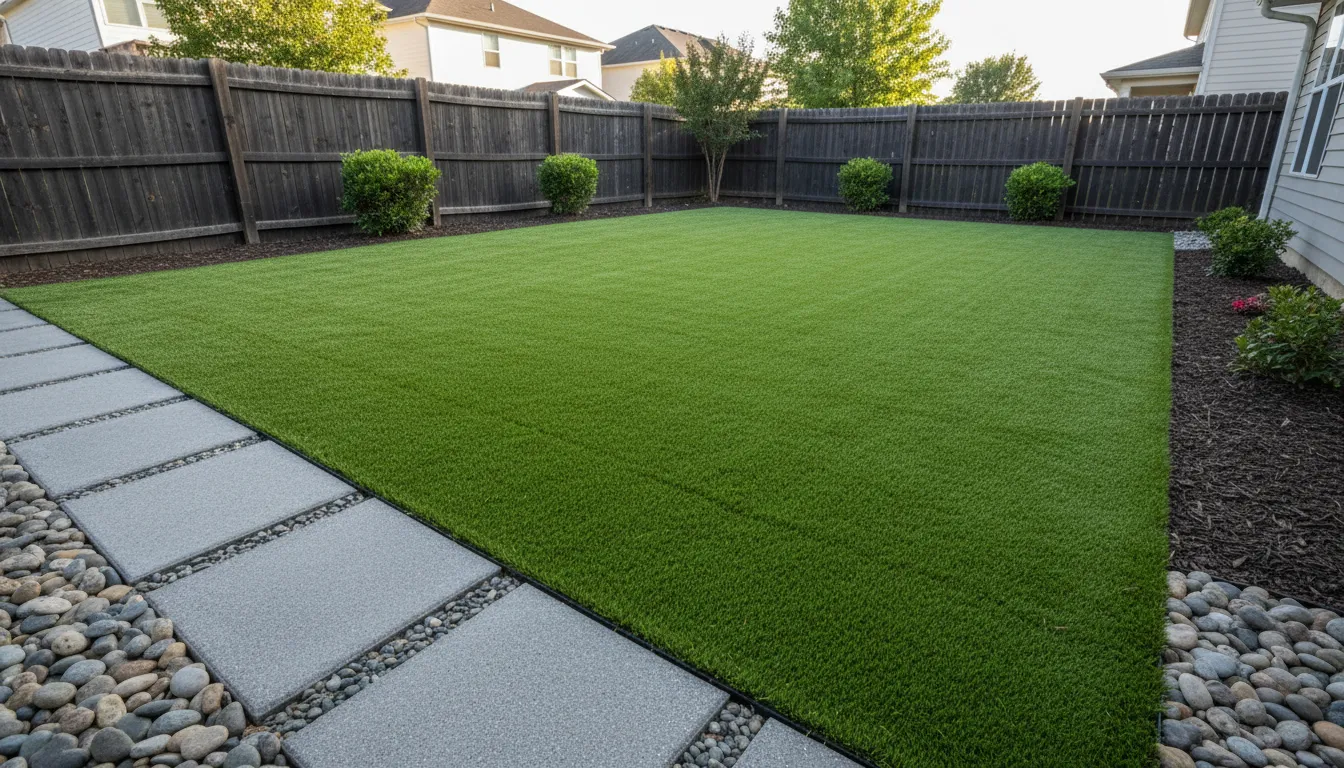
Find the Best Sod and Turf Lawn Installers for Your Business
No obligation • Fast responses • Nationwide coverage

Why you can trust Landscape Atlas
Landscape Atlas is a leading United States resource for evaluating landscaping, lawn care, and outdoor service providers. Our team researches each category in depth, focusing on service quality, safety, and customer experience. Listings and rankings are based on independent criteria and user feedback, and companies cannot pay to influence our assessments or recommendations.
Search providers near you
Best Sod and Turf Lawn Installers in Nevada Ranked
Establishing a new lawn in Nevada's unique desert climate is a significant investment in your property's beauty and value. Whether you choose natural sod or artificial turf, the key to long-term success lies in selecting the right materials and ensuring expert installation tailored to the arid environment. This guide explains the critical considerations for Nevada homeowners, from water conservation and soil preparation to material selection and costs, helping you make an informed decision and connect with qualified local professionals for your project.
Festival Turf Las Vegas
4204 W Cheyenne Ave Suite 110, North Las Vegas, NV 89032
Festival Turf Las Vegas provides artificial turf installation services in Las Vegas, NV, catering to both residential and commercial clients. They specialize in synthetic grass solutions designed to withstand the desert climate, offering options such as pet-friendly turf, custom putting greens, and durable surfaces for high-traffic areas. Their products are UV-resistant and feature advanced drainage systems to maintain cleanliness and safety. Serving the entire Las Vegas Valley, including Henderson, North Las Vegas, and Summerlin, Festival Turf Las Vegas supports water conservation efforts by providing low-maintenance, eco-conscious alternatives to natural lawns. They assist with design approvals to meet HOA guidelines and help clients create green spaces that remain vibrant year-round without watering or mowing.
New View Landscapes, LLC
4262 Blue Diamond Rd #102-435, Las Vegas, NV 89139
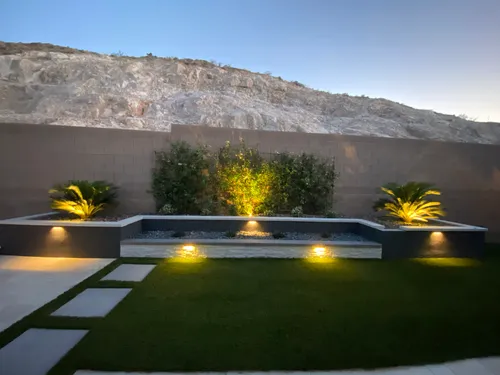
New View Landscapes, LLC is a landscaping company based in Las Vegas, NV, specializing in landscape design, sod and artificial turf installation, outdoor lighting, yard drainage, grading, and hardscaping. They serve areas including Summerlin, Henderson, and Southern Highlands. Their services include custom landscape designs that incorporate low-glare lighting, water features, and curated plant palettes, along with precise grading and masonry work for drainage and aesthetic appeal. With over 20 years of experience, they focus on creating refined and functional outdoor environments that complement the desert landscape and homeowners' lifestyles.
Peak Services
4710 W Dewey Dr Suite 106, Las Vegas, NV 89118
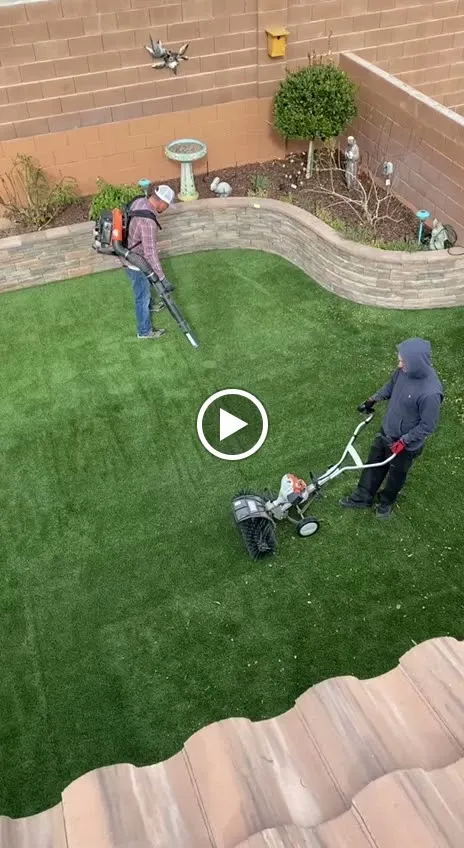
Peak Services is a landscaping and hardscaping company based in Las Vegas, NV. They offer landscape design and construction services including artificial turf installation, pavers, retaining walls, fire and water features for residential and commercial properties. Their service area includes Las Vegas and nearby communities such as Henderson, Green Valley, North Las Vegas, Enterprise, and Summerlin. Peak Services has expanded from turf cleaning and pigeon control into full-scale landscape design and construction, bringing nearly a decade of experience to their projects. They are also involved in local community support and sponsorships.
Casino Tree Service and landscaping LLC
720 Redeye Ln, Las Vegas, NV 89110
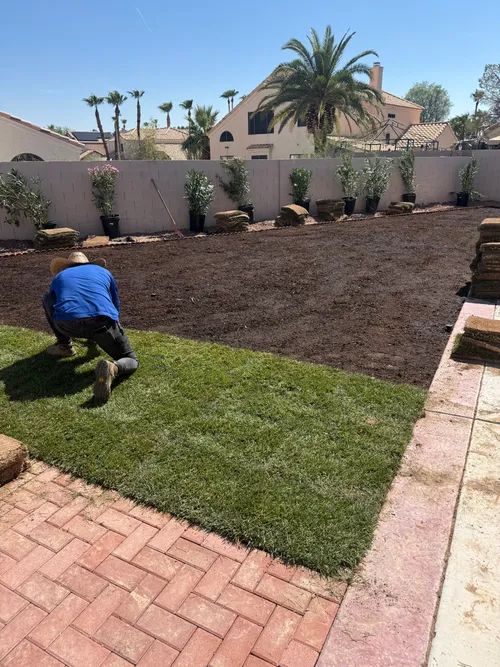
Casino Tree Service and Landscaping LLC is a landscaping and tree care company based in Las Vegas, NV. They offer a wide range of services including tree trimming, removal, stump grinding, palm tree care, custom paver installation, landscape renovations, and artificial turf installation. Their certified arborists provide expert tree health and disease prevention services, and they specialize in creating durable and attractive outdoor spaces suited to the Las Vegas climate. The company also provides 24/7 emergency tree removal and clean-up services to protect properties after storms.
TurFresh
3110 Polaris Ave # 17, Las Vegas, NV 89102
TurFresh is a lawn care company based in Las Vegas, NV, offering lawn fertilization, weed control, sod installation, and artificial turf services. They provide customized service plans tailored to different yard sizes and usage frequencies. Their capabilities include debris removal, decompacting, weed removal, seam repairs, and odor treatment for turf. Customers in Las Vegas can expect consistent results supported by a freshness guarantee.
Understanding Your Options: Natural Sod vs. Artificial Turf
In Nevada, your primary choice is between natural sod, which provides a living grass surface, and artificial turf, a synthetic alternative. Each has distinct advantages and challenges in the desert.
Natural Sod offers a traditional, cool, living lawn. In Nevada, success depends entirely on choosing a desert-adapted grass variety. The two main types are warm-season grasses like Bermuda, which thrive in the intense summer heat of Las Vegas and lower valleys, and cool-season grasses like Tall Fescue, better suited for the slightly cooler climates of Reno and higher elevations. The major commitment with sod is water; establishing a new lawn requires intensive, consistent irrigation.
Artificial Turf provides a perpetually green, low-maintenance surface that conserves water-a major priority in Nevada. Modern synthetic lawns are designed with UV inhibitors to resist fading and specialized backing for drainage. The upfront installation is more involved and costly, but it eliminates ongoing watering, mowing, and fertilizing, making it a popular long-term solution for water-conscious homeowners.
Critical Considerations for Nevada's Climate
Nevada's hot, dry conditions dictate specific practices for any lawn installation.
- Water Conservation: This is the foremost concern. Natural sod requires a substantial amount of water to establish and maintain its green appearance through summer. Local water restrictions and costs are significant factors. Artificial turf addresses this issue directly, using no irrigation after installation.
- Extreme Heat & Sun: Both sod and turf must withstand intense UV radiation. Sod grasses can go dormant and brown under heat stress without ample water. High-quality artificial turf is manufactured with UV stabilization to prevent fading and degradation.
- Soil & Drainage: Nevada soil is often rocky, compacted, and alkaline. Proper site preparation is non-negotiable. Furthermore, excellent drainage is crucial to prevent water pooling, which can drown sod roots or create soggy spots under artificial turf after rare heavy rains or irrigation.
Site Preparation: The Foundation for Success
Regardless of your choice, meticulous ground preparation is the most critical step for a durable, attractive, and functional lawn.
- Clear and Grade: Remove all existing grass, weeds, rocks, and debris. The area must be graded to ensure a slight slope (about 1-2%) away from your home's foundation and other structures to promote runoff 1.
- Address Soil Quality: For sod, the native soil must be improved. This involves aerating to relieve compaction, amending with compost or topsoil based on a soil test to improve nutrient content and structure, and finally tilling to mix amendments deeply.
- Create a Firm, Level Surface: After tilling, the area must be rolled and leveled to create a smooth, firm seedbed. Any dips or mounds will be visible in the finished lawn and can cause uneven watering.
For artificial turf, preparation is different. After clearing, contractors typically excavate several inches of soil and install a 3-4 inch base of decomposed granite or crushed rock. This base is meticulously compacted and leveled to create a stable, permeable foundation that ensures superior drainage-a vital step in desert installations 2.
Installation Processes Explained
Installing Natural Sod
Once the soil is prepared, rolls of pre-grown grass are delivered and must be installed quickly.
- Layout: Sod rolls are laid in a staggered brick-like pattern, with edges tightly knit together to avoid gaps.
- Watering Protocol: Immediate and consistent watering is paramount. New sod in Nevada typically requires 1-2 inches of water daily for the first week to prevent the roots from drying out. For the next 2-3 weeks, reduce to about 1 inch daily until the sod is firmly rooted. After establishment, watering can transition to a deep, less frequent schedule aiming for about 1 inch of water per week from all sources 3.
- Initial Care: Avoid foot traffic for several weeks. The first mowing should wait until the roots have anchored.
Installing Artificial Turf
This is a multi-step technical process best left to professionals for optimal results.
- Base & Weed Barrier: After the compacted gravel base is installed, a geotextile weed barrier is laid down to prevent vegetation from growing through the turf 4.
- Turf Layout & Seaming: Rolls of synthetic grass are laid out, trimmed, and seamed together using specialized tape and adhesive. Proper seaming is an art that makes seams virtually invisible.
- Infill Application: 1-2 pounds per square foot of infill material (usually silica sand or crumb rubber) is spread over the turf and brushed deep into the fibers. This weighs down the turf, keeps the blades upright, and provides cushioning 5 6.
- Final Grooming: A final brushing lifts the turf fibers, giving the lawn a natural, lush appearance.
Find the perfect sod and turf lawn installers for your needs
Get personalized recommendations and expert advice
Cost Breakdown for Nevada Installations
Costs vary widely based on project size, material quality, site complexity, and your location in the state.
Natural Sod:
- Sod Material: $0.50 - $2.00+ per square foot, depending on the grass variety.
- Installation Labor: $2.00 - $5.00+ per square foot. This typically includes basic site preparation (clearing, tilling, grading). Significant soil amendment or complex grading will add cost 7 8.
Artificial Turf:
- Turf Material: $1.35 - $6.80+ per square foot for the synthetic grass itself. Higher-quality, more realistic turf with better durability and drainage costs more.
- Installation Labor: $7.00 - $12.00+ per square foot for professional labor, which includes excavation, base installation, seaming, and infill.
- Total Installed Cost: A full professional artificial turf installation in Nevada typically ranges from $5 to $20+ per square foot. The wide range accounts for the quality of materials, the complexity of the site preparation, and the scope of the project 9 10 11.
Long-Term Maintenance & Sustainability
Your long-term commitment differs dramatically between the two options.
- Sod Maintenance: Requires ongoing mowing, fertilization, aeration, and weed control. The largest recurring cost is water. Maintaining a green sod lawn in the desert summer requires consistent, deep irrigation, impacting your water bill and resource use.
- Turf Maintenance: Primarily involves occasional rinsing to remove dust and debris, brushing to keep fibers upright, and topping up infill material every few years. It uses no water for irrigation, no gasoline for mowers, and no chemical fertilizers, offering significant long-term savings and environmental benefits in a drought-prone region.
Choosing the Right Professional
Given the technical demands of Nevada's environment, selecting an experienced installer is crucial. Look for professionals who:
- Specialize in either sod or artificial turf and understand local climate challenges.
- Provide detailed quotes that clearly separate material and labor costs, and specify site preparation steps.
- Can show examples of past work and offer references.
- For turf, inquire about the warranty on both materials and installation labor.
- Understand and comply with local municipal codes and any HOA guidelines.
Frequently asked questions
Sources
Footnotes
-
The Ultimate Guide to Preparing Soil for Turf Installation - https://lavingtonturf.com/the-ultimate-guide-to-preparing-soil-for-turf-installation/ ↩
-
A Step-by-Step Guide to Installing Artificial Turf Grass - Lowe's - https://www.lowes.com/n/how-to/install-artificial-grass ↩
-
How Often to Water New Landscaping? - https://cutterslandscape.com/how-often-to-water-new-landscaping/ ↩
-
How to Install Artificial Grass | Wickes.co.uk - https://www.wickes.co.uk/how-to-guides/garden-landscaping/install-artificial-grass ↩
-
How to Install Artificial Turf: Step-by-Step Guide for Homeowners - https://lasvegassyntheticlawns.com/how-to-install-artificial-turf-a-step-by-step-guide-for-homeowners/ ↩
-
INSTALLATION GUIDE - Island Block & Paving - https://www.islandblock.com.au/images/artificial-grass/Installation_Guide.pdf ↩
-
Sod Installation in Reno, NV: Tailored Lawn Care's Guide - https://www.tailoredlawncarenv.com/blog-post/your-complete-guide-to-professional-sod-installation-in-reno-nevada ↩
-
New Lawn Installation | Servicing Reno, Sparks, & Tahoe - https://www.moananursery.com/timely-tips/tm-1-new-lawn-installation/ ↩
-
How Much Does Artificial Turf Cost in Las Vegas? - https://sparklyturf.com/artificial-turf-cost-in-las-vegas/ ↩
-
How Much Does Artificial Turf Cost in Las Vegas? - https://bigbullyturf.com/artificial-turf-cost-las-vegas/ ↩
-
What's the Price of Artificial Grass in Las Vegas? - https://www.installartificial.com/how/artificial-grass-las-vegas-prices ↩