Find the Best Sod and Turf Lawn Installers for Your Business
No obligation • Fast responses • Nationwide coverage

Why you can trust Landscape Atlas
Landscape Atlas is a leading United States resource for evaluating landscaping, lawn care, and outdoor service providers. Our team researches each category in depth, focusing on service quality, safety, and customer experience. Listings and rankings are based on independent criteria and user feedback, and companies cannot pay to influence our assessments or recommendations.
Search providers near you
Best Sod and Turf Lawn Installers in Delaware Ranked
A lush, green lawn is a cornerstone of Delaware's beautiful home landscapes, but establishing one from scratch requires careful planning and execution. Whether you choose the instant gratification of sod or the low-maintenance appeal of artificial turf, professional installation is key to long-term success. This guide provides essential information on both options, helping you understand the process, timing, and care needed for a durable and attractive lawn in the First State. You can use this resource to evaluate your needs and connect with experienced local professionals who can bring your vision to life.
Understanding Your Options: Natural Sod vs. Artificial Turf
The first major decision in new lawn installation is choosing between natural grass sod and synthetic artificial turf. Each has distinct advantages, maintenance requirements, and costs, making them suitable for different lifestyles and property goals.
Natural Sod provides a living, breathing lawn that cools the environment, supports local ecology, and offers that classic feel underfoot. In Delaware, cool-season grasses like Kentucky Bluegrass, Tall Fescue, and Perennial Ryegrass are the standard choices, as they thrive in the state's climate. The installation provides an "instant lawn," but it requires an ongoing commitment to watering, mowing, and seasonal care.
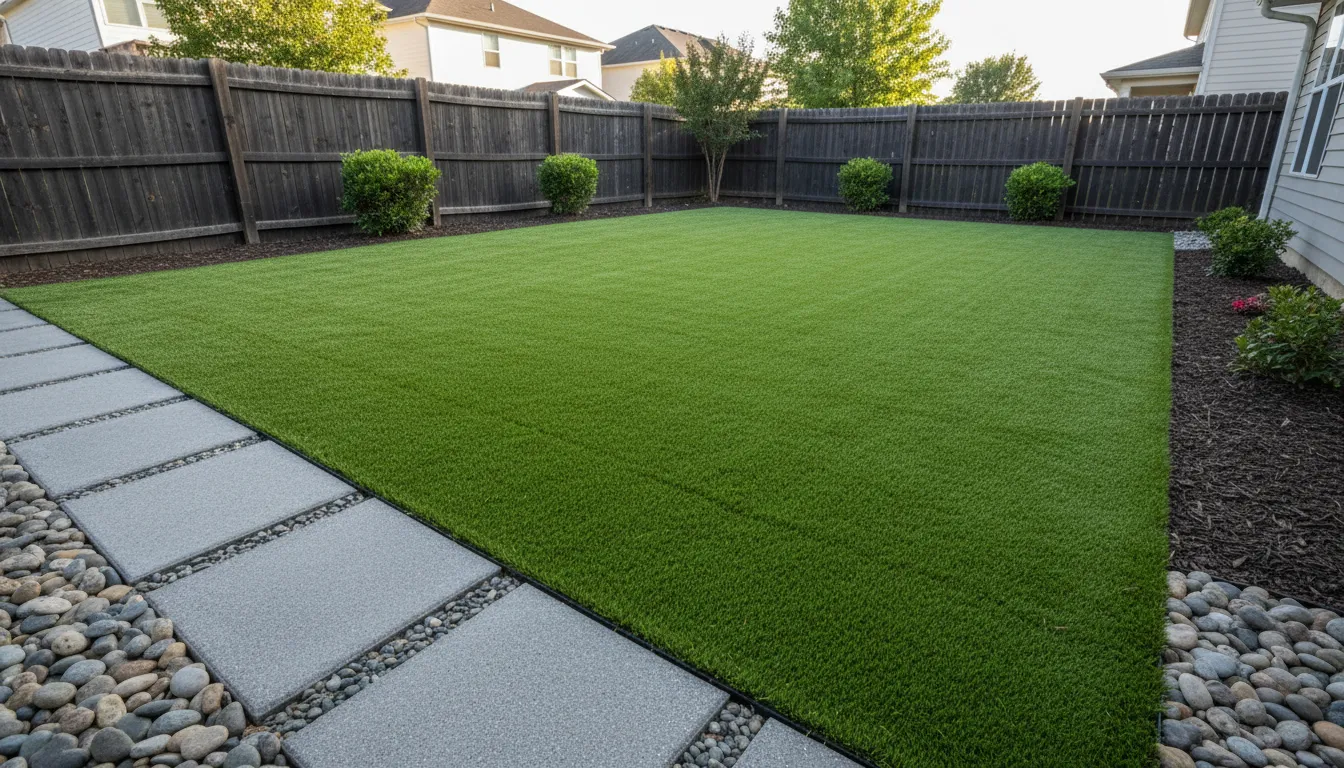
Artificial Turf is a synthetic surface designed to mimic the look of grass without the need for water, mowing, or fertilizers. It stays green year-round and is ideal for areas with heavy use, poor growing conditions, or for homeowners seeking to minimize water usage and lawn maintenance chores. Its installation is more akin to a landscaping project, involving significant site preparation to ensure proper drainage and stability.
Best Time for Installation in Delaware
Timing your installation correctly is crucial for the health of a natural sod lawn and can impact the efficiency of an artificial turf project.
- For Natural Sod: The ideal windows are spring and fall. Fall is often considered the best time because cooler temperatures and typically more consistent rainfall reduce heat stress on the new grass and allow the root system to establish strongly before summer 1. Spring installation is also successful but requires diligent watering as temperatures rise. Summer installation is generally discouraged due to the high risk of heat stress and the increased water demand to keep the sod alive 1.
- For Artificial Turf: Installation can typically be performed year-round, provided the ground is not frozen or overly saturated. Professional installers can work in most conditions to prepare a proper base.
Critical Steps: Site Preparation
Regardless of which option you choose, proper site preparation is the most important factor for a long-lasting, good-looking result. Cutting corners here leads to problems like poor drainage, uneven surfaces, and weed infiltration.
Preparing for Natural Sod
A successful sod lawn starts from the ground up. Follow these key steps, often best handled by a professional:
- Soil Testing: Begin with a soil test through the University of Delaware Cooperative Extension or a local lab. This will tell you the soil's pH and nutrient levels, providing a blueprint for amendments.
- Clearing and Grading: Remove all existing vegetation, rocks, and debris. The area must be graded to ensure a slight slope (about 1-2%) away from structures for proper drainage 2.
- Amending and Tilling: Based on your soil test, add amendments like compost, lime (to raise pH), or sulfur (to lower pH). These should be tilled into the top 4 to 6 inches of soil to create a fertile, loose seedbed.
- Leveling and Firming: Rake the area smooth and then lightly roll or tamp it to create a firm, level surface that is not compacted. This prevents depressions where water can pool.
- Applying Starter Fertilizer: Just before the sod arrives, apply a starter fertilizer high in phosphorus to encourage rapid root growth.
Preparing for Artificial Turf
Artificial turf installation requires constructing a stable, permeable base system.
- Excavation: Remove existing grass and soil to a depth of 4 to 6 inches.
- Weed Barrier: Lay a geotextile landscape fabric over the exposed soil to prevent weeds from growing up through the turf.
- Base Layer: Add a 3 to 4-inch layer of compacted crushed stone or aggregate (often called Type 1 stone). This layer provides stability and critical drainage.
- Leveling Layer: Add a 1-inch layer of decomposed granite or coarse sand. This is meticulously leveled and compacted to create a perfectly smooth, hard surface for the turf to lie on.
The Installation Process
With the site prepared, the installation of the material itself begins.
- Laying Sod: Sod rolls are delivered fresh and should be installed within 24 hours. Professionals stagger the seams (like brickwork), ensure tight edges, and cut pieces to fit around curves and obstacles. The newly laid sod is then lightly rolled to ensure good soil-to-root contact 3.
- Installing Artificial Turf: Synthetic rolls are laid out, trimmed, and seamed together using specialized tape and adhesive. The turf is then secured around the perimeter. Finally, an infill material-usually silica sand or crumb rubber-is spread over the surface and brushed deep into the pile. This infill weighs the turf down, helps the blades stand upright, and can aid in heat dissipation.
Find the perfect sod and turf lawn installers for your needs
Get personalized recommendations and expert advice
Post-Installation Care and Maintenance
The work isn't over once the last piece is placed. Proper follow-up care ensures your investment thrives.
Caring for New Sod
The first few weeks are critical for root establishment.
- Watering Schedule: For the first 2-3 weeks, water daily or even multiple times a day to keep the sod and the top inch of soil consistently moist. Avoid flooding. After roots have established (you can check by gently lifting a corner), transition to deeper, less frequent watering 4 5.
- Mowing: Wait until the grass has grown to about 3-3.5 inches tall and is firmly rooted before the first mow. Never cut more than one-third of the grass blade at a time.
- Long-Term Maintenance: A mature cool-season lawn in Delaware typically needs about 1 to 1.5 inches of water per week, including rainfall, during the growing season 6. Follow a seasonal fertilization, aeration, and overseeding schedule to keep it healthy.
Maintaining Artificial Turf
Artificial turf requires a different type of care to keep it looking its best.
- Regular Cleaning: Remove leaves and debris with a leaf blower or plastic rake. Rinse the surface occasionally to remove dust and pollen.
- Brushing: Periodically brush the turf fibers against the grain with a stiff-bristled broom to keep the blades standing upright and redistribute the infill.
- Infill Top-Ups: Over many years, infill may settle or diminish and need to be replenished to maintain cushioning and stability.
Understanding Costs in Delaware
Installation costs vary based on the size of your yard, site conditions, material quality, and labor. The following are general price ranges; always get detailed quotes from local professionals.
- Natural Sod Installation: Professional installation, including soil preparation, sod, and labor, typically ranges from $1.00 to $2.50+ per square foot 7 8. The final cost depends on the complexity of grading, the amount of soil amendment needed, and the specific type of grass sod chosen.
- Artificial Turf Installation: This is a more significant upfront investment, with professional installation usually costing between $3.00 to $7.00+ per square foot 9 10 11. The price reflects the cost of the synthetic grass product, the extensive base materials (crushed stone, sand), specialized labor for seaming and finishing, and the infill material.
Frequently asked questions
Sources
Footnotes
-
When is the Best Time to Lay Sod & New Sod Care Tips - https://www.saratogasod.com/news/laying-new-sod-get-tips-on-the-best-time-to-install-new-sod-care/ ↩ ↩2
-
The Ultimate Guide to Preparing Soil for Turf Installation - https://lavingtonturf.com/the-ultimate-guide-to-preparing-soil-for-turf-installation/ ↩
-
Buying and Installing Certified Sod | Cooperative Extension - https://www.udel.edu/academics/colleges/canr/cooperative-extension/fact-sheets/buying-and-installing-certified-sod/ ↩
-
What Kind of Maintenance Is Required After I Install Sod From a Sod Farm in Indianapolis? - https://genesissodfarms.com/what-kind-of-maintenance-is-required-after-i-install-sod-from-a-sod-farm-in-indianapolis/ ↩
-
How to Care For New Sod - https://www.lawnstarter.com/blog/lawn-care-2/how-to-care-for-new-sod/ ↩
-
Best Practices For Watering Lawns in PA and DE - https://dtltotalturf.com/lawn-care-guides/best-practices-for-watering-lawns-in-pa-and-de/ ↩
-
Year-Round Lawn Care Tips for Delaware - LawnStarter - https://www.lawnstarter.com/blog/delaware/lawn-care-tips-delaware/ ↩
-
Yes, You CAN Sod Your Lawn in Autumn! - BB Hoffmansod - https://www.bbhoffmansod.com/yes-you-can-sod-your-lawn-in-autumn/ ↩
-
How to lay artificial grass - Forever Green Lawns - https://www.forevergreenlawns.co.uk/faq/how-to-lay-artificial-grass/ ↩
-
The Ultimate Guide to Successfully Install Artificial Turf - https://pristinelandscapingandlighting.com/the-ultimate-guide-to-successfully-install-artificial-turf/ ↩
-
Denver, Colorado Artificial Turf | ArtificialTurfSupply.com - https://www.artificialturfsupply.com/artificial-grass-locations/colorado/denver.html ↩