Find the Best Sod and Turf Lawn Installers for Your Business
No obligation • Fast responses • Nationwide coverage

Why you can trust Landscape Atlas
Landscape Atlas is a leading United States resource for evaluating landscaping, lawn care, and outdoor service providers. Our team researches each category in depth, focusing on service quality, safety, and customer experience. Listings and rankings are based on independent criteria and user feedback, and companies cannot pay to influence our assessments or recommendations.
Search providers near you
Best Sod and Turf Lawn Installers in Maine Ranked
Transforming a patch of bare earth or an old, tired lawn into a vibrant, green carpet is a major upgrade for any Maine property. Whether you choose the classic beauty of natural sod or the low-maintenance appeal of modern artificial turf, a new lawn installation enhances curb appeal, provides a space for recreation, and can even help with soil erosion. This guide is designed to help Maine homeowners understand the process, materials, and considerations for a successful project, connecting you with the knowledge needed to plan effectively and find qualified local professionals for the job.
Choosing Your Lawn Type: Natural Sod vs. Artificial Turf
The first and most significant decision is selecting the material for your new lawn. Maine's distinct climate and your property's specific conditions will heavily influence the best choice for long-term satisfaction.
Natural Sod: The Traditional Green Carpet
Natural sod involves installing pre-grown grass that has been cultivated on a farm, cut into rolls or slabs, and transported to your site for immediate installation. It provides an instant, mature lawn.
- Best for: Homeowners who desire the authentic look, feel, and environmental benefits of real grass, and who have a suitable site (adequate sunlight, decent soil).
- Grass Types for Maine: Maine's climate is ideal for cool-season grasses. The most common sod varieties include Kentucky Bluegrass (known for its rich color and density), Fine Fescues (excellent for shadier or poorer soils), and Perennial Ryegrass (valued for its quick establishment and wear tolerance). Most sod sold in Maine is a blend of these species, offering resilience against disease and varying conditions 1.
- Key Considerations: Sod requires consistent sunlight (typically 6+ hours daily for best results), regular watering-especially during establishment-and ongoing seasonal care like mowing, fertilizing, and aeration.
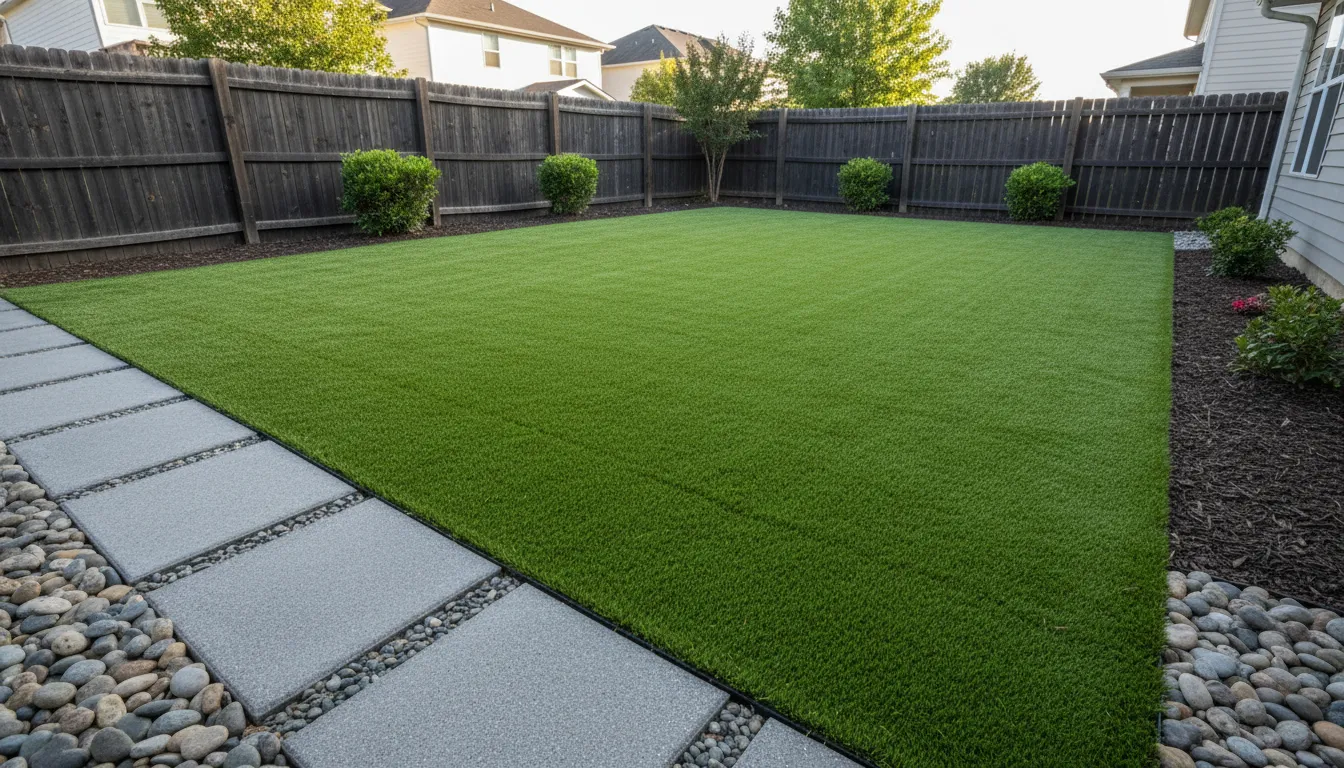
Artificial Turf: The Modern, Low-Maintenance Alternative
Modern synthetic turf has evolved to look remarkably realistic and is designed for durability. It consists of synthetic blades tufted into a backing, often filled with sand or rubber granules for stability.
- Best for: Areas with heavy foot traffic, persistent shade where grass struggles to grow, or for homeowners seeking to drastically reduce water usage and lawn maintenance chores like mowing and fertilizing.
- Key Considerations: Proper installation is critical for drainage and longevity. Artificial turf can become hot in direct, intense sunlight. It requires an initial investment that is often higher than sod, but eliminates many recurring costs. Occasional rinsing is needed to clean away dust and debris 2 3.
Critical Site Preparation: The Foundation for Success
Regardless of your choice between sod and turf, meticulous site preparation is the single most important factor determining the longevity and health of your new lawn. Rushing this step often leads to problems like poor drainage, uneven surfaces, or failed establishment.
Step-by-Step Ground Preparation
- Measure and Test: Precisely measure the area to calculate material needs. Crucially, conduct a soil test through the University of Maine Cooperative Extension or a local garden center. This test will reveal your soil's pH and nutrient levels, providing a scientific basis for amendments.
- Clear and Till: Remove all existing vegetation, rocks, roots, and debris. For sod, till the soil to a depth of 4 to 6 inches to break up compaction and create a loose, workable seedbed. For artificial turf, the existing soil is often removed to make way for a compacted aggregate base.
- Amend the Soil: Based on your soil test results, incorporate organic matter. For natural sod, mixing in 2 to 4 inches of compost or loam improves soil structure, fertility, and water retention. Lime or sulfur may be needed to adjust pH.
- Grade and Level: Shape the soil to create a gentle slope (about a 1-2% grade) away from your home's foundation and other structures to ensure proper surface drainage. Use a landscape rake to create a smooth, level surface, removing any large clumps or stones 4 5 6.
- Firm the Base: For sod, lightly roll the prepared soil with a lawn roller (one-third full of water) to firm the surface and reveal any low spots that need filling. For artificial turf, the crushed stone or sand base must be meticulously compacted and leveled.
- Moisten: Before laying either material, lightly water the prepared soil. This helps the sod roots make immediate contact with moist earth and settles the base for turf.
Find the perfect sod and turf lawn installers for your needs
Get personalized recommendations and expert advice
The Installation Process
Installing Natural Sod
Sod is a perishable product and must be installed the same day it is delivered, ideally within 24 hours of being cut.
- Laying: Start along a straight edge, like a driveway or sidewalk. Stagger the seams in a brick-like pattern, ensuring pieces are snug but not overlapping. Use a sharp knife to cut pieces to fit around curves or obstacles.
- Watering Protocol: This is non-negotiable. New sod requires about 1 inch of water per day initially, split into 2-3 light waterings to keep it constantly moist. After the first week, you can gradually reduce frequency but increase the amount of water to encourage deep root growth. Proper watering for the first 2-3 weeks is critical to prevent the sod from drying out and dying 7.
- Initial Care: Avoid heavy foot traffic for the first few weeks. Wait until the sod is firmly rooted (you can gently tug on a corner) before giving the first mowing.
Installing Artificial Turf
Professional installation is highly recommended for artificial turf due to the precision required for drainage and seams.
- Base Layer: A sub-base of crushed granite or gravel (typically 3-4 inches deep) is installed, compacted, and leveled to create a stable, permeable foundation 8.
- Weed Barrier: A geotextile fabric is laid over the compacted base to prevent weed growth.
- Turf Rolling & Seaming: The turf rolls are laid out, trimmed, and seamed together using specialized tape and adhesive. Seams must be invisible and secure.
- Infill & Brushing: Silica sand or rubber granules are spread across the turf and brushed deep into the pile. This infill weighs down the turf, keeps the blades upright, and provides cushioning.
Timing, Costs, and Working with Professionals
Best Time for Installation in Maine
For natural sod, the ideal windows are during the cool, moist periods of late summer to early fall (late August through September) or late spring (May to early June). These times allow the grass to establish strong roots without the extreme heat of summer or the freezing temperatures of winter 9 10 11.
Artificial turf can typically be installed anytime the ground is not frozen, allowing for proper excavation and base compaction.
Understanding Costs
Pricing for new lawn installation is highly variable and depends on site accessibility, the amount of preparation required, the materials chosen, and labor rates.
- Sod Installation: Costs include the sod itself, soil amendments (loam, compost), delivery, and labor. As a broad estimate, professionally installed sod in Maine can range from $1 to $3 or more per square foot, with total project costs scaling with size and complexity 12 13.
- Artificial Turf Installation: This often involves a higher initial material cost plus significant labor for site prep and precise installation. It's best to get detailed quotes for comparison.
- The Value of Quotes: Contacting several licensed and insured Maine landscapers or turf specialists for on-site estimates is the only way to get an accurate price for your specific project. They can assess your soil, grade, and access to provide a detailed breakdown 14.
Frequently asked questions
Sources
Footnotes
-
Best Grass Seed for Maine: Expert Picks for Lush Lawns - https://lawnsynergy.com/blogs/lawn-guides/best-grass-seed-for-maine ↩
-
Installing Sod in Spring: 5 Best Secrets for Success - https://mcleodlandscaping.com/installing-sod-in-spring/ ↩
-
How to Install Artificial Grass: Easy Guide - https://familygrass.ie/how-to-install-artificial-grass-a-step-by-step-guide-with-family-grass/ ↩
-
Grass Sod Installation: Ultimate Lush Lawn 2025 - https://randalllandscaping.com/grass-sod-installation-guide-2025/ ↩
-
The Ultimate Guide to Preparing Soil for Turf Installation - https://lavingtonturf.com/the-ultimate-guide-to-preparing-soil-for-turf-installation/ ↩
-
How to Prepare Your Lawn For Sod & DIY Sodding - https://primecutlandscaping.net/how-to-prepare-your-lawn-for-sod-diy-sodding/ ↩
-
Water Requirements - A Guide On Watering Your New Grass - https://www.turfmastersod.com/water-requirements ↩
-
Installation Process [Turf Installer Texas] // IDEAL TURF - https://ideal-turf.com/artificial-grass/installation-process/ ↩
-
Bulletin #2367, Establishing a Home Lawn in Maine - https://extension.umaine.edu/publications/2367e/ ↩
-
New Lawns - YardScaping.org - Maine DACF - https://www.maine.gov/dacf/php/pesticides/yardscaping/lawn/new-lawn.shtml ↩
-
How To Seed Your Lawn in Maine in 10 Easy Steps - https://www.allegrolawn.com/blog/how-seed-lawn-maine ↩
-
Maine, Vermont, & New Hampshire Sod Installation Guide - https://mainesodco.com/sod-installation-guide ↩
-
How Much Does Sod Installation Cost in Phoenix, AZ? | Angi - https://www.angi.com/articles/how-much-does-it-cost-lay-sod/az/phoenix ↩
-
Seeding a New Lawn in Maine: A How To | Beaulieu Industries of ... - https://biconstruction.wordpress.com/2012/02/24/seeding-a-new-lawn-in-maine-a-how-to/ ↩