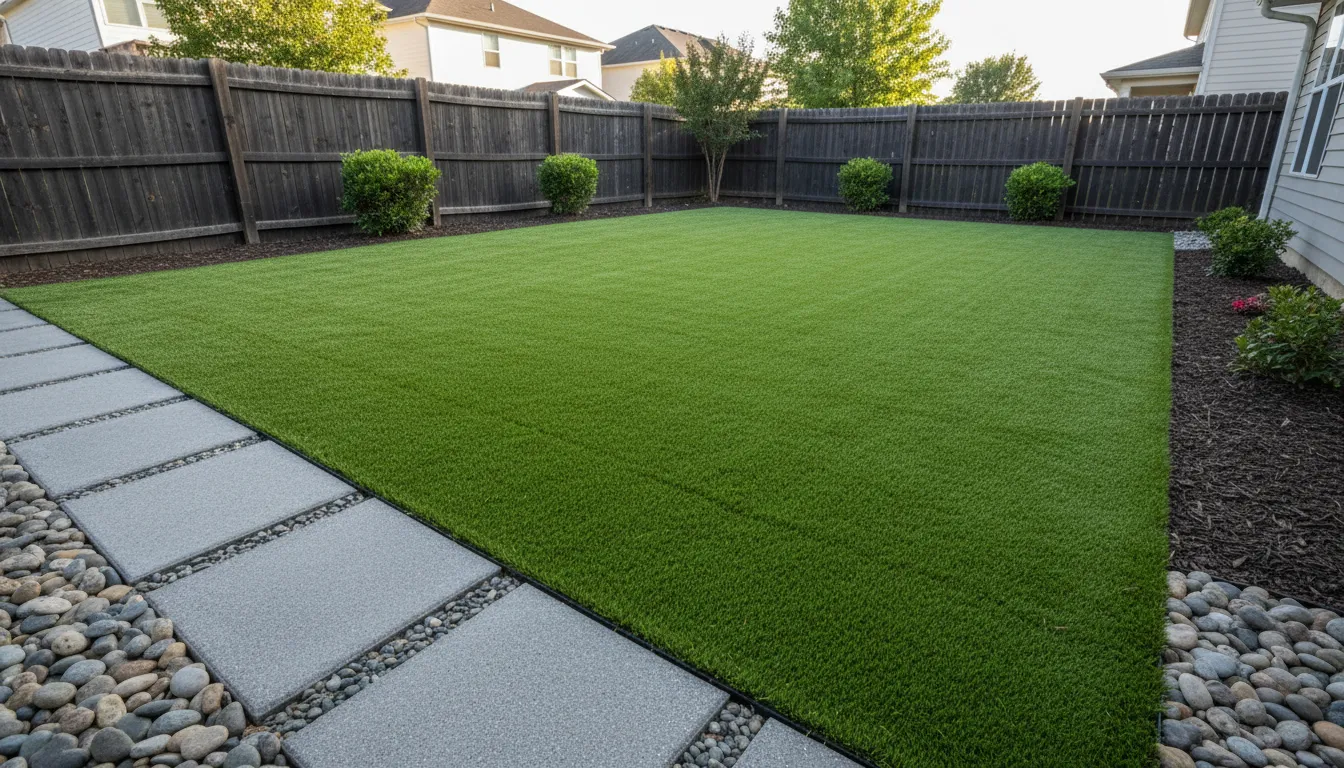
Find the Best Sod and Turf Lawn Installers for Your Business
No obligation • Fast responses • Nationwide coverage

Why you can trust Landscape Atlas
Landscape Atlas is a leading United States resource for evaluating landscaping, lawn care, and outdoor service providers. Our team researches each category in depth, focusing on service quality, safety, and customer experience. Listings and rankings are based on independent criteria and user feedback, and companies cannot pay to influence our assessments or recommendations.
Search providers near you
Best Sod and Turf Lawn Installers in Tennessee Ranked
A lush, green lawn can transform your Tennessee property, providing a beautiful space for family activities and boosting curb appeal. Whether you're starting from scratch or renovating a patchy yard, installing new sod or artificial turf is a significant project that requires careful planning and execution. This guide covers the essential steps, from choosing the right grass type for your region to proper site preparation and long-term care, helping you understand the process and connect with local professionals who can bring your vision to life.
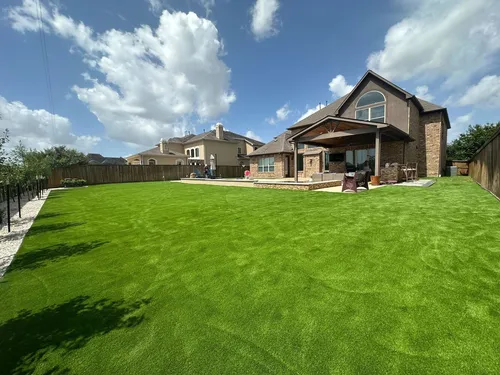
Southern Turf Co.® Nashville Artificial Turf
331 Wilhagan Rd, Nashville, TN 37217
Southern Turf Co.® Nashville Artificial Turf specializes in artificial turf installation for residential and commercial properties in Nashville, TN. They offer tailored turf solutions focused on beauty, durability, and sustainability. Their services include professional installation of high-quality artificial grass backed by up to a 15-year warranty. Southern Turf Co. aims to provide minimal maintenance turf options that enhance outdoor spaces with lasting impact.
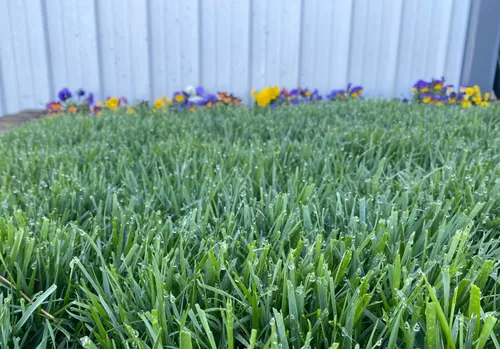
Super-Sod of Nashville
177 Center Point Rd S, Hendersonville, TN 37075
Super-Sod of Nashville is a lawn care and landscaping provider located in Nashville, TN. They offer a range of services including sod installation, lawn fertilization, weed control, and hardscaping with pavers and retaining walls. The company supplies farm-fresh sod available for pickup or delivery in the Nashville and Middle Tennessee areas. Their expertise includes consulting on sod installation and grass selection, supported by a sod display garden for in-person comparisons. They also provide various lawn care products such as fertilizers, pesticides, and weed control herbicides, along with landscaping tools and materials.
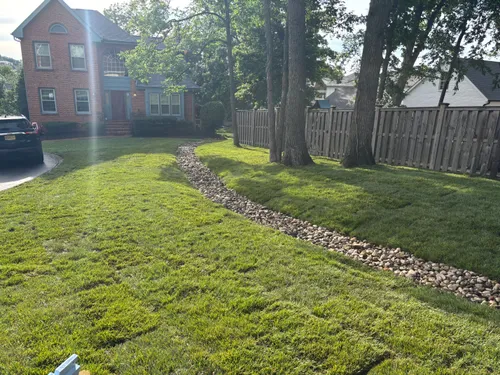
Nashville Dirt Works, LLC
Nashville, TN
Nashville Dirt Works, LLC is a landscaping company based in Nashville, TN, serving White House, Hendersonville, Brentwood, and surrounding areas. They offer a range of services including sod installation, landscape design, yard drainage, and grading to prepare land for construction or improve existing landscapes. With over 10 years of experience, the company is fully licensed and insured, using professional equipment and industry best practices to complete projects. Their service area includes Davidson, Sumner, Robertson, Wilson, and Williamson counties.
Dumford Irrigation
Nashville, TN
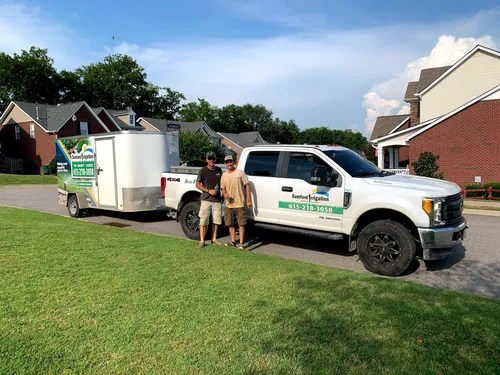
Dumford Irrigation is a Nashville, TN-based company specializing in irrigation system installation, sprinkler repair, sod installation, and outdoor lighting services. They serve areas including Franklin, Spring Hill, Brentwood, and Nolensville, TN. The company offers irrigation system winterization, weather system installation, site preparation, and low voltage lighting installation. Dumford Irrigation handles both installation and maintenance of lawn sprinkler systems, helping customers maintain healthy, well-watered lawns.
TruePoint Land Management
1803 Murfreesboro Rd, Lebanon, TN 37090
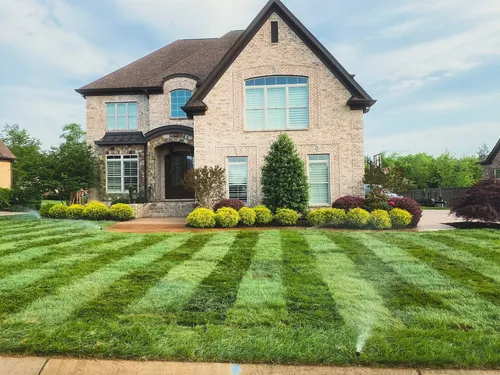
TruePoint Land Management is a lawn care company based in Nashville, TN, specializing in sod installation, irrigation systems, hydroseeding, and yard drainage services. They serve residential and commercial clients across Nashville and surrounding communities including Brentwood, Franklin, Murfreesboro, Spring Hill, Lebanon, and Mount Juliet. TruePoint installs various types of sod such as tall fescue, bermudagrass, and zoysia, using fresh turf sourced from trusted local farms to ensure healthy, durable lawns. Their services include thorough site preparation with grading and soil amendments, as well as irrigation system installation to support sod health and growth. Hydroseeding is also offered for large or sloped areas to promote faster grass establishment and erosion control.
Choosing Between Natural Sod and Artificial Turf
The first major decision is selecting the type of lawn surface. Each option has distinct advantages and considerations for Tennessee homeowners.
Natural Sod offers a traditional, living lawn. It provides cooling effects, a natural feel underfoot, and environmental benefits like oxygen production and soil stabilization. For Tennessee, you'll choose between warm-season and cool-season grasses. Warm-season varieties like Bermuda and Zoysia thrive in the summer heat and full sun, going dormant and turning brown after the first frost. Cool-season grasses, such as Tall Fescue, perform best in the state's cooler regions and shaded areas, staying green longer into the fall and greening up earlier in spring. The ideal installation times are late spring to early summer for warm-season grasses and early fall for cool-season types, allowing roots to establish in favorable temperatures.
Artificial Turf is a synthetic alternative that provides a consistently green appearance year-round with minimal maintenance. It doesn't require mowing, watering, or fertilizing, making it a water-conserving option. Modern artificial grass is designed to handle heat well and drain efficiently, though it requires a properly constructed base to prevent issues. While the upfront cost is higher, it eliminates ongoing water and lawn care expenses, which can be a significant long-term consideration.
Critical Site Preparation Steps
Proper preparation is the most crucial factor for a successful and long-lasting lawn installation, whether natural or synthetic. Rushing this phase can lead to drainage problems, poor root establishment, and an uneven surface.
1. Clear and Rough Grade
Begin by removing all existing grass, weeds, rocks, and debris. For sod, this often means using a sod cutter or herbicide. Next, establish a rough grade. The slope should direct water away from your home's foundation-a minimum of a 2% slope is recommended 1. This step is vital in Tennessee to manage the state's sometimes heavy rainfall and prevent pooling water, which can drown grass roots or cause synthetic turf to buckle.
2. Till and Amend the Soil
For a natural sod lawn, tilling the soil to a depth of 6-8 inches is essential. This loosens compacted earth, improves drainage, and allows new grass roots to penetrate deeply 2. Soil testing is non-negotiable. A test from your local University of Tennessee Extension office will reveal your soil's pH and nutrient levels. Tennessee soils are often acidic, requiring the application of lime to raise the pH to the optimal range for grass growth (typically between 6.0 and 7.0) 3. Based on the test, you may also need to add specific fertilizers (like those containing phosphorus (P) and potassium (K)) and organic matter such as compost to create a fertile seedbed 2 3.
For artificial turf, the "soil" preparation involves creating a stable, permeable base. This usually entails excavating several inches of soil and replacing it with a compacted base of crushed stone or gravel, topped with a layer of fine aggregate like decomposed granite or sand, all meticulously graded for drainage.
3. Final Grade and Pre-Installation
Rake the prepared area to create a smooth, final grade. For sod, it's beneficial to lightly roll the soil with a lawn roller (empty or partially filled with water) to firm the surface and reveal any low spots that need filling. This ensures your new sod will lie flat without voids underneath. The prepared surface should be about 1 inch below surrounding hardscapes like sidewalks or driveways to accommodate the thickness of the new sod.
Find the perfect sod and turf lawn installers for your needs
Get personalized recommendations and expert advice
Installation Processes
Laying Natural Sod
Sod is perishable and should be installed within 24 hours of delivery. Start laying pieces along a straight edge, like a driveway or sidewalk. Stagger the joints in a brick-like pattern, ensuring edges are tight together without overlapping. Use a sharp knife to cut pieces around curves or obstacles. Immediately after laying a section, roll it with a lawn roller (filled with water) to ensure solid contact between the sod roots and the soil beneath 4. Watering begins immediately: the new lawn must be kept consistently moist.
Installing Artificial Turf
After the aggregate base is perfectly graded and compacted, a weed barrier fabric is typically laid down. The synthetic turf rolls are then positioned, seams are trimmed and joined with adhesive and seaming tape, and the perimeter is secured with nails or spikes. Once secured, infill material-usually silica sand or a sand/rubber crumb mix-is spread across the surface and brushed deep into the turf fibers. This infill weighs the turf down, helps the blades stand upright, and contributes to the system's durability and feel.
Watering and Initial Care
For Natural Sod: The first two weeks are critical. Water daily, or even multiple times on very hot days, applying enough water to keep the soil beneath the sod consistently moist (typically 1-2 inches of total water per week) 5. The goal is to prevent the sod and the soil underneath from drying out. After two weeks, gently tug on the grass; if it resists, roots are establishing. You can then begin to transition to a deeper, less frequent watering schedule, aiming for about 1 inch of water per week, including rainfall.
Water Conservation in Tennessee: Consider integrating the "Tennessee Yardstick" principles from the UT Institute of Agriculture. This approach encourages managing stormwater runoff from your property by using practices like rain gardens to capture and filter water, or rain barrels to collect it for irrigation, turning a potential drainage issue into a resource 6.
For Artificial Turf: No watering is needed for the grass itself. However, occasional rinsing can help clean the surface and cool it on very hot days. The primary maintenance involves regular brushing to keep the fibers upright and removing debris like leaves.
Understanding Costs and Investment
Pricing for lawn installation in Tennessee varies based on project size, accessibility, materials, and site preparation complexity.
- Natural Sod (Installed): Costs typically range from $2 to $5+ per square foot for a full professional installation, which includes site prep, soil amendments, the sod itself, and labor 7 8. The sod material alone can cost between $0.50 and $2.00 per square foot, depending on the grass variety 9.
- Artificial Turf (Installed): This is a higher upfront investment, generally ranging from $5 to $15+ per square foot for a complete professional installation 10 11. This price encompasses excavation, the engineered base materials, the synthetic turf product, infill, and labor. Complex designs or extensive site work will be at the higher end.
The key financial consideration is the cost over time. Natural sod requires ongoing investment in water, mowing, fertilizing, and weed control. Artificial turf eliminates most of these recurring costs but represents a larger initial outlay.
Long-Term Lawn Management
A new lawn is an investment to protect. For sod, follow a seasonal care calendar: fertilize based on soil test recommendations, mow at the recommended height for your grass type (never removing more than 1/3 of the blade at once), and aerate periodically to relieve soil compaction 12. For artificial turf, an annual deep cleaning and periodic replenishment of infill may be needed to maintain its appearance and longevity.
Frequently asked questions
Sources
Footnotes
-
Prepare Soil For Sod | Complete Guide From Ideal Rockaway! - https://idealrockaway.com/blog/how-to-prepare-soil-for-sod-complete-guide/ ↩
-
The Ultimate Guide to Preparing Soil for Turf Installation - https://lavingtonturf.com/the-ultimate-guide-to-preparing-soil-for-turf-installation/ ↩ ↩2
-
Fertilizing - Lawn Problem Solver - Kansas State University - https://www.k-state.edu/turf/resources/lawn-problem-solver/maintenance/fertilizing/ ↩ ↩2
-
Installing New Grass Sod: Ultimate Success 2025 - https://mcleodlandscaping.com/installing-new-grass-sod/ ↩
-
How to Lay Sod | Tri-Turf Sod Farms, Inc. Paris, TN - https://triturfsod.com/how-to-lay-sod/ ↩
-
The Tennessee Yardstick Workbook - UT Institute of Agriculture - https://utia.tennessee.edu/publications/wp-content/uploads/sites/269/2023/10/W219.pdf ↩
-
Price Guide for Sod Installation: Average Costs in 2025 - https://hisworkmanshiplabor.com/price-guide-for-sod-installation-average-costs-in-2025/ ↩
-
Sod Installation Cost 2025: 7 Powerful Pricing Secrets - https://stevesservicesllc.com/sod-installation-cost/ ↩
-
How to Lay Sod - Lowe's - https://www.lowes.com/n/how-to/sod-buying-guide ↩
-
What is the Cost for an Artificial Lawn in 2023? - https://www.rynolawncare.com/cost-for-artificial-lawn/ ↩
-
Cost Comparison: Artificial Grass vs. Natural Grass in Florida - https://artificialturffactoryoutlet.com/cost-comparison-artificial-grass-vs-natural-grass-in-florida/ ↩
-
Chapter 10- Turfgrass Management in Tennessee - https://mastergardener.tennessee.edu/chapter-10-turfgrass-management-in-tennessee/ ↩