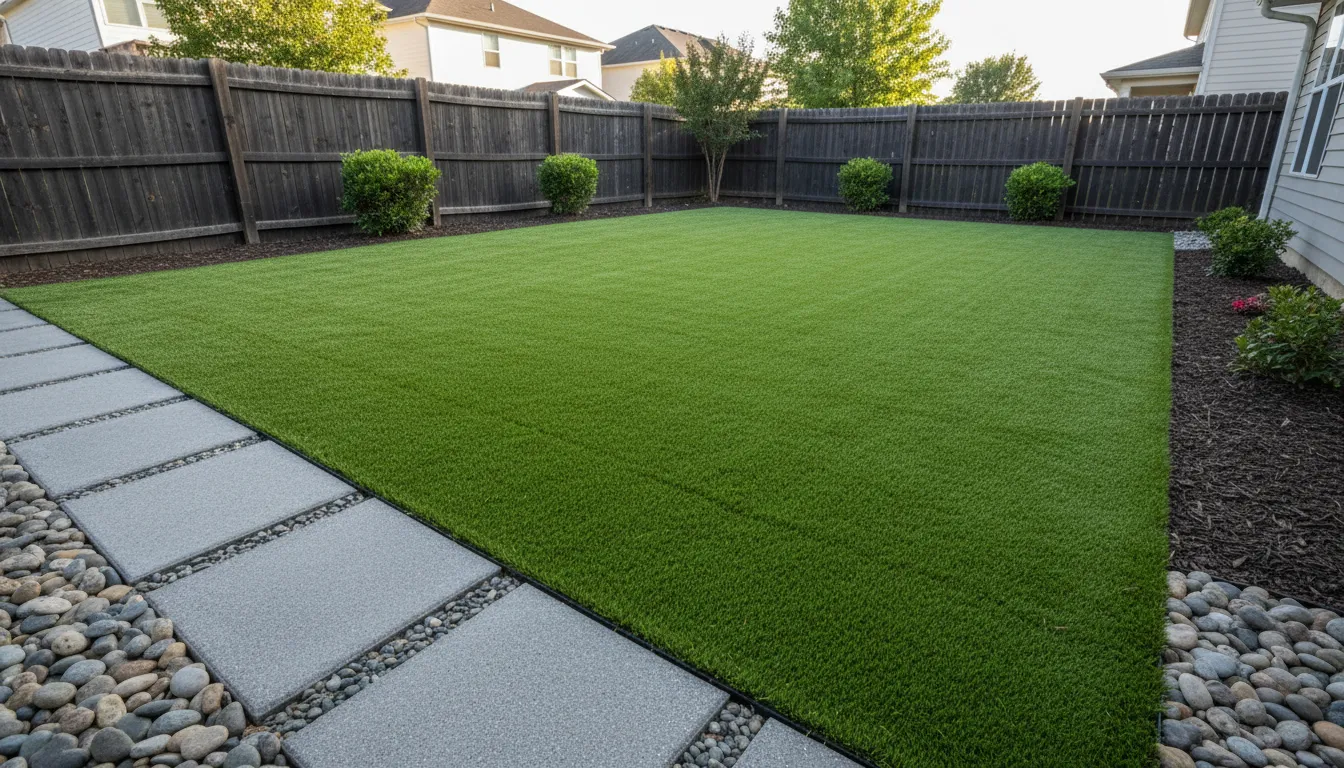
Find the Best Sod and Turf Lawn Installers for Your Business
No obligation • Fast responses • Nationwide coverage

Why you can trust Landscape Atlas
Landscape Atlas is a leading United States resource for evaluating landscaping, lawn care, and outdoor service providers. Our team researches each category in depth, focusing on service quality, safety, and customer experience. Listings and rankings are based on independent criteria and user feedback, and companies cannot pay to influence our assessments or recommendations.
Search providers near you
Best Sod and Turf Lawn Installers in Kansas Ranked
A lush, green lawn can transform your Kansas property, providing a beautiful outdoor space for family and relaxation. Whether you're starting from scratch or renovating a tired yard, installing new sod or artificial turf are two effective paths to an instant, vibrant lawn. This process involves careful planning, from soil preparation to selecting the right grass type for the local climate. For Kansas homeowners, understanding the steps and options can help you create a durable, attractive landscape that suits your lifestyle and maintenance preferences. The following guide outlines key considerations and methods to help you plan your project and connect with experienced local professionals who can ensure a successful installation.
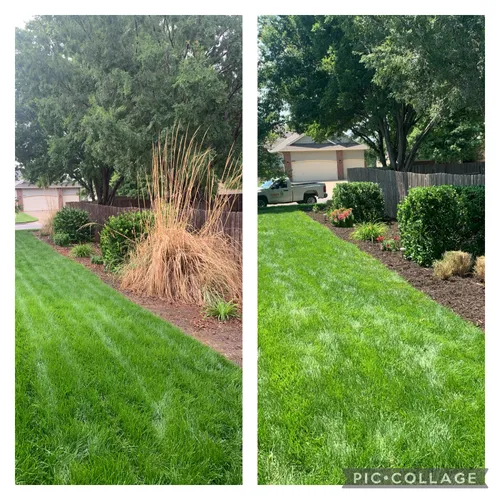
Ferry Lawnscapes LLC
10100 W Maple St Suite 305, Wichita, KS 67209
Ferry Lawnscapes LLC is a family-owned lawn and landscaping company based in Wichita, KS. With over 20 years of experience, they provide a wide range of services including lawn mowing, sod installation, landscape design, tree removal, stump grinding, and general lawn care. Their capabilities cover everything from mulch and rock installation to aeration and over-seeding, making them a full-service option for residential and commercial landscaping needs.
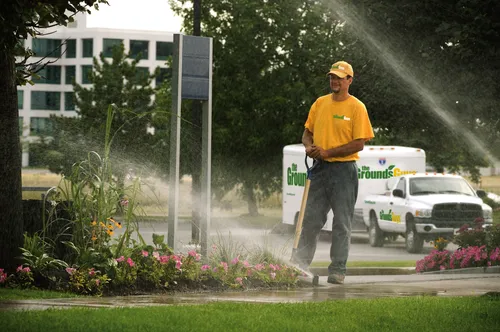
The Grounds Guys of Wichita
1816 N Wabash Ave, Wichita, KS 67214
The Grounds Guys of Wichita provides comprehensive landscaping and lawn care services in Wichita, KS. Their offerings include lawn mowing, fertilization, weed control, irrigation installation and repair, landscape design, hardscaping such as patios and retaining walls, tree services, and yard drainage solutions. They specialize in eco-friendly and drought-tolerant landscaping options, incorporating water-smart irrigation and permeable hardscaping to conserve resources. The company delivers tailored landscape maintenance programs that include mowing, pruning, aeration, and seasonal cleanups to keep properties well-maintained year-round. Their team also offers custom landscape designs with 2D and 3D previews to help clients visualize projects before installation. The Grounds Guys are part of a national network, providing local expertise with a broad range of landscaping capabilities.
Divine Lawns
5025 E Kellogg Dr #100, Wichita, KS 67218
Divine Lawns is a landscaping and lawn care company based in Wichita, KS, serving Wichita, Andover, El Dorado, and nearby areas. They offer a wide range of services including lawn mowing, fertilization, weed control, sod installation, tree trimming, removal, and stump grinding, as well as snow plowing and landscape design. Their team focuses on creating and maintaining healthy, vibrant outdoor spaces using skilled craftsmanship and environmentally conscious methods. Divine Lawns also provides specialized capabilities such as overseeding, dethatching, aeration, and professional mulch installation to enhance lawn health and appearance.
Green Outdoors Landscape
Wichita, KS
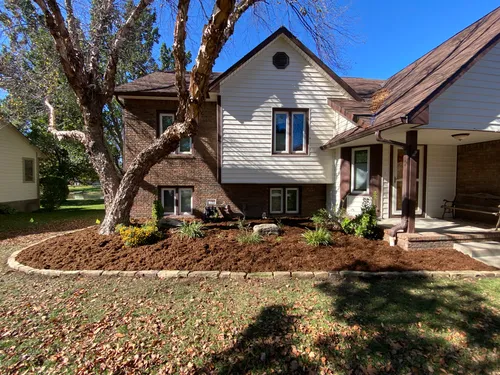
Green Outdoors Landscape is a family-owned landscaping company serving Wichita, KS, with 20 years of experience. They offer a wide range of services including landscape design and installation, hardscaping with patios and retaining walls, turf care such as sod installation and lawn fertilization, tree trimming, yard drainage solutions, and seasonal maintenance. Their expertise includes custom patio design and installation, along with stormwater management and regrading to address drainage issues. The company emphasizes working closely with clients to bring their outdoor visions to life through creative and dedicated service.
Greenbelt Lawns
813 N Cedar Park St, Wichita, KS 67235
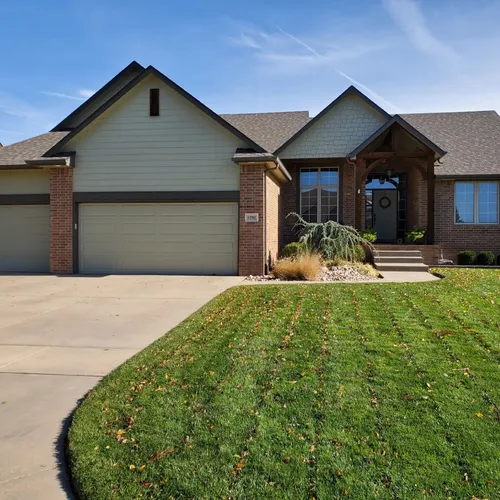
Greenbelt Lawns is a full-service lawn care and landscaping company serving Wichita, KS. They provide a wide range of services including lawn mowing, fertilization, weed control, sod installation, landscape lighting, tree care, sprinkler system maintenance, and hardscaping. The company also offers seasonal yard cleanups, gutter cleaning, Christmas light installation, and snow removal. Greenbelt Lawns specializes in creating and maintaining attractive outdoor spaces for residential homes, commercial properties, and community areas. Their capabilities include expert sod installation and comprehensive sprinkler system services. Founded by Paul Wells, Greenbelt Lawns aims to help clients enjoy beautiful green spaces without the hassle of yard work.
Understanding Your Options: Natural Sod vs. Artificial Turf
The first major decision is choosing between natural sod and synthetic turf. Each offers distinct benefits and considerations for Kansas homeowners.
Natural Sod provides a living, breathing lawn. In Kansas, cool-season grasses like Kentucky Bluegrass, Tall Fescue, and Perennial Ryegrass are the standard choices as they thrive in the region's variable climate with hot summers and cold winters 1. A sod installation offers immediate curb appeal and a natural feel underfoot. The primary ongoing requirement is consistent watering, especially during establishment and dry summer periods. While the upfront material cost for sod can be moderate, the long-term investment includes water, fertilizer, and regular mowing.
Artificial Turf is a synthetic alternative designed to mimic the look of natural grass with significantly reduced maintenance. The major benefits are substantial water savings-nearly eliminating outdoor irrigation needs-and a consistently green appearance year-round, regardless of drought or weather 2. It requires no mowing, fertilizing, or chemical treatments. The upfront installation cost is typically higher due to material expenses and the extensive site preparation required, but many homeowners find long-term savings on water bills and lawn care services.
Critical First Step: Site Preparation
Proper ground preparation is the most crucial factor for the longevity and success of both sod and artificial turf. Rushing this stage can lead to drainage issues, uneven surfaces, and premature failure.
Clearing and Grading: Begin by removing all existing vegetation, rocks, roots, and debris. The next step is grading, which establishes the final shape and slope of your lawn. It's essential to create a slight grade of 1-2% away from your home's foundation and other structures to ensure proper surface drainage and prevent water pooling 3 4 5.
Soil Testing and Amendment (For Sod): For a natural lawn, a soil test is highly recommended. Kansas State University Extension advises testing to check pH levels (ideal range is 6.0 to 7.0 for most grasses) and nutrient deficiencies 6 7. Based on the results, you may need to add lime to raise pH or sulfur to lower it. Tilling the soil to a depth of 4 to 12 inches and incorporating organic matter like compost improves soil structure, drainage, and provides a healthy environment for roots to establish 6.
Base Preparation (For Artificial Turf): Synthetic turf requires a stable, compacted base. After clearing, a weed barrier fabric is often laid down. Then, a base of 2 to 4 inches of compacted gravel or crushed stone is installed. This aggregate base provides critical drainage and a firm, stable surface for the turf to lie on, preventing shifting and wrinkles 8.
The Installation Process
With the site fully prepared, the installation method differs significantly between the two materials.
Laying Natural Sod: Sod is typically delivered in rolls or slabs. Installation should happen quickly after delivery. Start laying pieces along a straight edge, like a driveway or sidewalk, in a staggered "brick-like" pattern to avoid continuous seams. Butting the pieces tightly together without stretching them is key. Immediately after an area is laid, it must be watered thoroughly to ensure the soil underneath is moist and to prevent the sod from drying out 9 10.
Installing Synthetic Turf: The synthetic turf rolls are laid out over the prepared base, trimmed to fit the area, and seamed together. Once positioned, an infill material is spread across the surface and brushed down into the turf blades. Infill is essential; it weighs the turf down, helps the blades stand upright, and provides cushioning. Common infill materials include silica sand, crumb rubber (often used in play areas), or organic options.
Find the perfect sod and turf lawn installers for your needs
Get personalized recommendations and expert advice
Watering and Initial Care
Post-installation care dictates the success of your new lawn, especially for natural sod.
Caring for New Sod: The first two to three weeks are critical. New sod requires light, frequent watering to keep the soil consistently moist (but not soggy) to a depth of several inches. This encourages the roots to grow down into the native soil. Watering daily, or even multiple times a day in hot weather, may be necessary 11 12. After the sod is firmly rooted (you can check by gently tugging on a corner), you can transition to a deeper, less frequent watering schedule, aiming for about 1 inch of water per week, including rainfall.
Maintaining Artificial Turf: Artificial turf requires minimal care. Occasional rinsing with a hose removes dust and pollen. Brushing the turf with a stiff broom or a specialized power brush helps keep the blades upright and redistributes the infill. For pet owners, solid waste should be picked up, and the area can be rinsed with water or a mild, turf-safe disinfectant.
Cost Considerations and Long-Term Value
Costs can vary widely based on yard size, site complexity, material quality, and labor.
- Natural Sod: The project cost includes site prep (clearing, grading, soil amendment), the sod itself, installation labor, and an irrigation system (if not already present). While the initial outlay can be significant, the major long-term costs are ongoing: water, fertilizer, mowing equipment or service, and potential pest/disease treatments 13.
- Artificial Turf: This is generally a premium upfront investment. Costs encompass extensive site excavation and base preparation, the turf material (which varies in quality, pile height, and density), specialized installation labor, and infill material 14. The long-term value comes from drastically reduced water bills, the elimination of lawn care service costs, and the multi-year durability of the product.
Choosing between sod and turf ultimately depends on your budget, desired maintenance level, and how you intend to use your outdoor space. A well-executed installation of either type provides immediate beauty and enhances your property's value.
Frequently asked questions
Sources
Footnotes
-
Irrigating - Lawn Problem Solver - Kansas State University - https://www.k-state.edu/turf/resources/lawn-problem-solver/maintenance/irrigating/ ↩
-
The Essential Residential Artificial Turf Installation Guide - https://www.turftekusa.com/blog/the-essential-residential-artificial-turf-installation-guide ↩
-
How to Lay Sod in Kansas: A Step-by-Step Guide - https://wetlandsirrigationllc.com/how-to-lay-sod-in-kansas-a-step-by-step-guide/ ↩
-
Prepare Your Lawn for Sod Installation: A Step-By-Step Guide - https://www.southdallasturfandsupply.com/blog/prepare-your-lawn-for-sod/ ↩
-
Ground Prep & Sod Installation Instructions - Horizon Turf Nursery - https://www.horizonturfnursery.com/ground-prep-sod-installation-instructions/ ↩
-
MF1126 Planting a Home Lawn - KSRE Bookstore - https://bookstore.ksre.ksu.edu/pubs/planting-a-home-lawn_MF1126.pdf ↩ ↩2
-
Sod grass in Kansas City: Your Ultimate Guide to a Lush Lawn - https://doctorslawn.com/the-ultimate-guide-everything-you-need-to-know-about-sod-grass-in-kansas-city/ ↩
-
How to Prepare Ground for Artificial Turf Installation - https://www.turfkingz.com/articles/how-to-prepare-ground-for-artificial-turf ↩
-
Establishment | General Lawn Maintenance | Lawn Problem Solver | Kansas State University - https://www.k-state.edu/turf/resources/lawn-problem-solver/maintenance/establishment/ ↩
-
How to Lay Sod in Kansas: A Step-by-Step Guide - Wetlands Irrigation - https://www.wetlandsirrigationllc.com/blog/how-to-lay-sod ↩
-
MF2802 Watering New Lawns - KSRE Bookstore - https://bookstore.ksre.ksu.edu/pubs/watering-new-lawns_MF2802.pdf ↩
-
How to Care for New Sod - https://lawnlove.com/blog/how-to-care-for-new-sod/ ↩
-
Lawn Installation FAQ for KC Homeowners: Top 10 Buyer ... - https://www.scapesart.com/lawn-installation-faq-for-kc-homeowners-top-10-buyer-questions-answered ↩
-
Artificial Turf Installation: A Smart Way To Save Money - Lawn Kings - https://lawnkingsinc.com/how-artificial-turf-installation-saves-you-money/ ↩