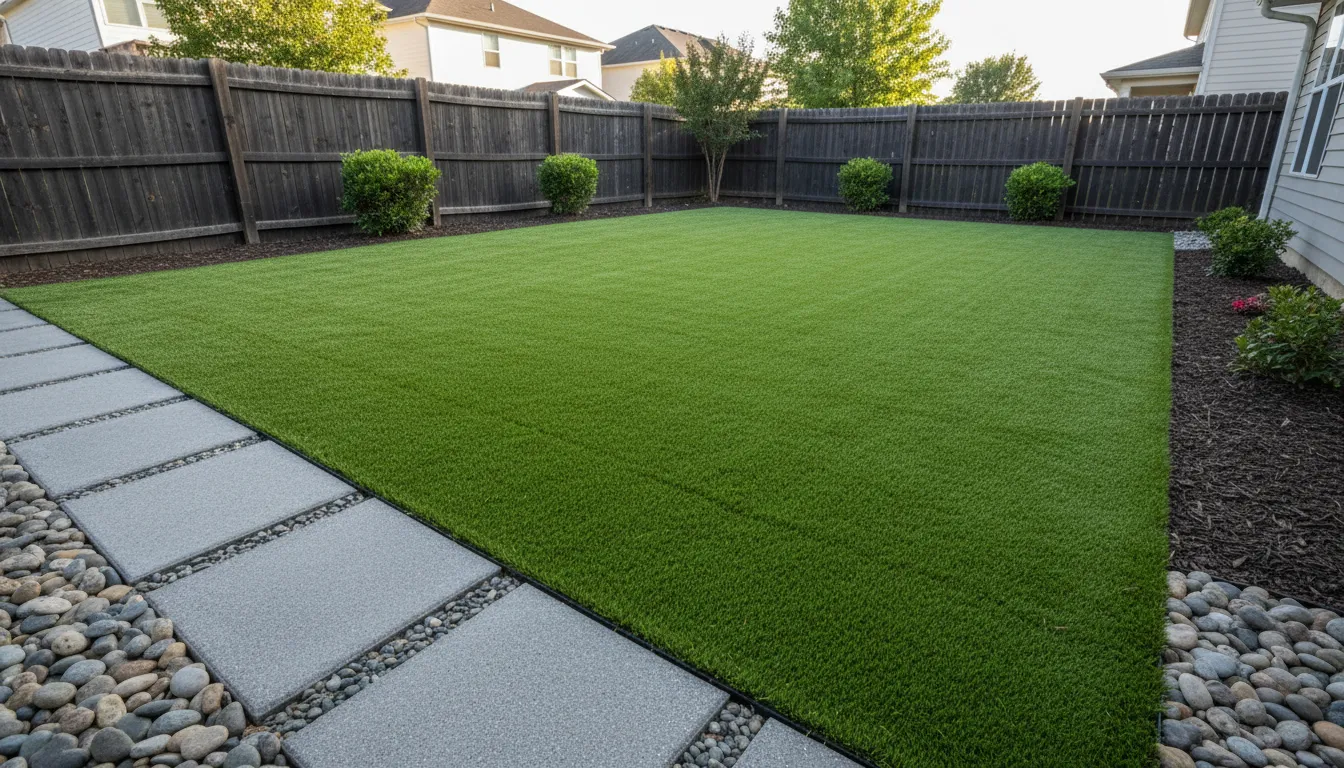
Find the Best Sod and Turf Lawn Installers for Your Business
No obligation • Fast responses • Nationwide coverage

Why you can trust Landscape Atlas
Landscape Atlas is a leading United States resource for evaluating landscaping, lawn care, and outdoor service providers. Our team researches each category in depth, focusing on service quality, safety, and customer experience. Listings and rankings are based on independent criteria and user feedback, and companies cannot pay to influence our assessments or recommendations.
Search providers near you
Best Sod and Turf Lawn Installers in Virginia Ranked
Transforming a patch of bare earth or a tired, weedy lawn into a lush, green carpet is a major home improvement. In Virginia, you have two primary paths: installing natural sod or synthetic turf. Each option offers distinct benefits and considerations, from climate suitability and maintenance to long-term cost and environmental impact. This guide provides the essential information you need to make an informed decision and connect with qualified local professionals who can bring your vision to life.
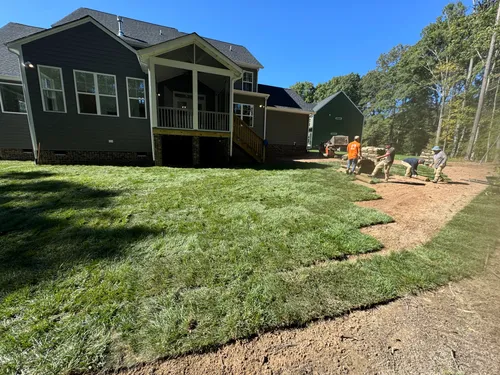
Sod & irrigation exclusive
9513 Kennesaw Rd, North Chesterfield, VA 23236
Sod & Irrigation Exclusive is a Richmond, VA-based company specializing in sod installation and irrigation services. They focus on installing locally grown and harvested turf, including varieties such as Fescue, Zoysia, and Bermudagrass, tailored to suit different climates and lifestyles. Their expertise covers both residential lawns and larger outdoor spaces, providing professional sod and sprinkler system installations. The team offers downloadable contracts and sod care guidance to ensure clear communication and proper maintenance.
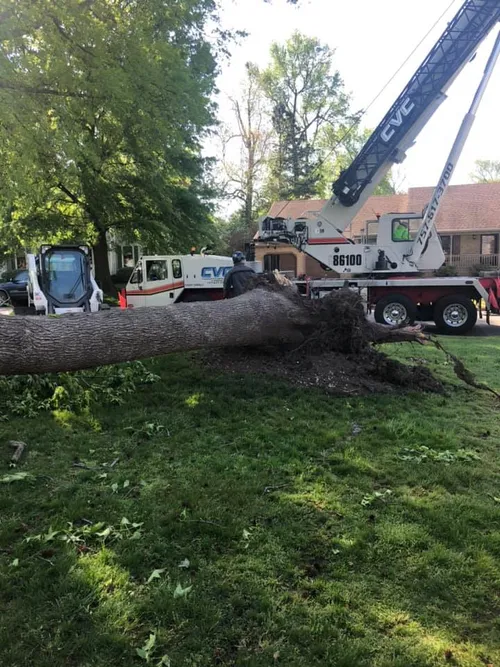
Aubrey's Tree Service & Landscaping
630 Carter Rd, Chesapeake, VA 23322
Aubrey's Tree Service & Landscaping is a family-owned business serving Chesapeake, VA, and the Hampton Roads area for over 25 years. They offer a wide range of services including tree removal, stump grinding, landscape design and installation, hardscaping, sod installation, irrigation, drainage system installation, and lot clearing. Their team is certified by OSHA and ISA and provides 24/7 emergency tree services to address urgent needs promptly. With extensive experience and comprehensive capabilities, they handle projects from concept to completion, including commercial and residential properties.
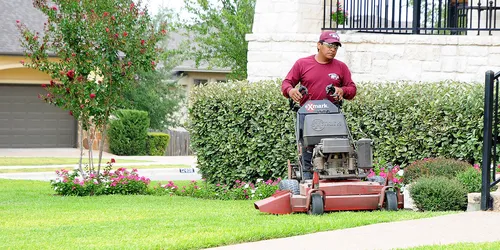
Reyes Lawncare Rva LLC
9026 Weldon Dr, Richmond, VA 23229
Reyes Lawncare Rva LLC is a lawn care and landscaping company based in Richmond, VA. They offer a wide range of services including lawn mowing, fertilization, weed control, sod installation, tree removal, stump grinding, sprinkler system installation and repair, and landscape design. Their team also provides customized irrigation systems to promote healthy lawn growth while conserving water. With over 15 years in business, Reyes Lawncare Rva LLC has completed more than 2,500 projects and serves both residential and commercial clients in the Richmond area.

Impact Landscaping
5041 Jakeman St, Virginia Beach, VA 23455
Impact Landscaping is a landscaping company based in Virginia Beach, VA, offering a wide range of outdoor services including sod and artificial turf installation, fence and hardscape construction, landscape lighting, tree and yard maintenance, sprinkler system installation, and land clearing. They specialize in custom garden design, concrete and paver work, and drainage solutions using industry-leading products. The team also provides property rehabilitation and real estate rescue services to restore and enhance outdoor spaces. Impact Landscaping partners with local experts for irrigation and custom deck and fence installations to deliver comprehensive outdoor improvements. Their skilled crew focuses on quality craftsmanship and personalized service, working on projects throughout Virginia Beach and nearby areas. Phone support is available 24/7, and they operate on-site daily from dawn to dusk.
Tk’s Landscaping
1446 Dam Neck Rd, Virginia Beach, VA 23452
Tk's Landscaping is a landscaping and lawn care company based in Virginia Beach, VA. They offer a range of services including lawn fertilization, weed control, sod installation, artificial turf, landscape design, tree removal, stump grinding, land clearing, brush removal, and mulch installation. Their work covers both new lawn establishment and ongoing yard maintenance, with a focus on improving curb appeal and soil health through quality mulch and plant care. The company is known for attentive project planning and thorough cleanup, with a reputation for accommodating customer needs efficiently.
Choosing Between Natural Sod and Artificial Turf
The first and most significant decision is selecting the type of lawn. Your choice will be influenced by Virginia's climate, your desired maintenance level, budget, and how you plan to use the space.
Cool-Season Sod for Virginia Climates Virginia's climate is well-suited for cool-season grasses. The most common and recommended sod type is Tall Fescue, known for its durability, deep root system, and tolerance for both sun and partial shade. These grasses grow most actively in the cool temperatures of spring and fall. While they provide a classic, natural feel and cool the surrounding air, they require consistent care, especially during Virginia's hot, often dry summers, where they need significant water to stay green and healthy.
Artificial Turf as a Modern Alternative Synthetic grass offers a consistently green, low-maintenance lawn year-round. It's an excellent solution for areas with poor soil, heavy shade where grass struggles, or for homeowners seeking to eliminate watering, mowing, and fertilizing. Modern artificial turf is more realistic than ever and can be a great choice for pet areas, putting greens, or high-traffic zones. The primary considerations are the higher initial investment and the need for proper installation with adequate drainage and infill materials that can help mitigate heat retention on sunny days.
Critical Preparation: The Foundation for Success
Whether you choose sod or turf, meticulous site preparation is the single most important factor for a long-lasting, beautiful result. Rushing this step can lead to drainage issues, uneven surfaces, and premature failure.
Preparing for Natural Sod Installation
Proper soil preparation ensures your sod roots quickly and establishes a resilient lawn.
- Clear and Grade: Remove all existing grass, weeds, rocks, and debris. The area should be graded to direct water away from your home's foundation and to eliminate any low spots where water can pool.
- Conduct a Soil Test: This is a crucial, often overlooked step. A soil test from the Virginia Cooperative Extension or Virginia Tech will tell you your soil's pH and nutrient levels 1 2. Virginia soils often tend to be acidic, so the target pH for grass is typically between 6.2 and 6.5 1 3.
- Amend the Soil: Based on your soil test results, you may need to add lime to raise the pH or sulfur to lower it. Incorporating 1-2 inches of compost or topsoil across the area improves soil structure, fertility, and water retention 4.
- Till and Level: Use a rototiller to mix the amendments into the top 4 to 6 inches of soil. After tilling, rake the area smooth, creating a fine, level seedbed. A light rolling with a lawn roller can help firm the surface just before laying sod.
Preparing for Artificial Turf Installation
Artificial turf requires a stable, well-draining base to prevent shifting, wrinkling, and water accumulation.
- Excavate: Remove the top layer of soil and vegetation to a specified depth, usually between 3 to 4 inches, depending on the base materials.
- Install a Aggregate Base: A layer of compacted crushed stone or gravel (often ¾" minus road base) is installed and meticulously leveled. This layer provides stability and critical drainage.
- Add a Fine Layer: A top layer of fine sand or decomposed granite is often added, leveled, and compacted to create a perfectly smooth surface on which the turf will rest.
Find the perfect sod and turf lawn installers for your needs
Get personalized recommendations and expert advice
Installation and Cost Considerations
Sod Installation Fresh sod should be installed the same day it's delivered. Planks are laid in a staggered brick-like pattern, with seams tightly butted together. After laying, it's essential to roll the entire area to ensure good soil-to-root contact. Immediate and thorough watering is critical. On average, the cost for sod installation in Virginia ranges from $1.00 to $3.00 per square foot, which typically includes materials, delivery, and professional installation 5.
Artificial Turf Installation The synthetic turf is rolled out, trimmed to fit, and seamed together. It is then secured around the perimeter with nails or staples. Specialized infill (like silica sand or crumb rubber) is brushed into the turf blades to help them stand upright, provide cushioning, and add ballast. Due to the labor-intensive site prep and material costs, artificial turf installation is a more significant upfront investment, generally ranging from $10.00 to $15.00 or more per square foot for a full professional installation 6 7.
Ongoing Maintenance and Care
Caring for Your New Sod Lawn The first few weeks are critical. New sod requires deep, frequent watering to prevent the roots from drying out. A general guideline is to keep the soil moist to a depth of several inches. After establishment, Virginia lawns typically need about 1 to 2 inches of water per week, including rainfall, with increased watering during summer heat waves 8 9. Regular mowing, fertilization based on soil test recommendations, and aeration will keep your sod lawn healthy.
Maintaining Artificial Turf Artificial turf requires no watering for irrigation, mowing, or fertilizing. Basic maintenance involves periodically rinsing it to remove dust and debris, brushing the fibers to keep them upright, and occasionally topping off the infill material. It may need a deeper clean for pet areas. A key consideration in Virginia's summer sun is heat; choosing lighter-colored turf and specialty infills designed to reflect heat can make the surface more comfortable 10.
Frequently asked questions
Sources
Footnotes
-
Chapter 11: Lawns - Virginia Cooperative Extension ... - https://pressbooks.lib.vt.edu/emgtraining/chapter/11/ ↩ ↩2
-
A Virginian's Year-Round Guide to Yard Care - https://www.dcr.virginia.gov/soil-and-water/document/yardcare.pdf ↩
-
C-SSM-06 Sodding - enCodePlus - https://online.encodeplus.com/regs/deq-va/doc-viewer.aspx?secid=716 ↩
-
How to Prepare Virginia Lawns for New Plant Installs Like a Pro - https://ekglawn.com/2023/08/17/preparing-for-professional-plant-installs/ ↩
-
How to Prepare Soil for Sod Installation in Virginia - https://www.meadowsfarms.com/blog/lawn-sod-preparation-maintenance/ ↩
-
Complete 2022 Guide to Artificial Grass - Solid Structures - https://solidstructuresva.com/artificial_grass/ ↩
-
Understanding the Cost Comparison: Artificial vs. Real Grass - https://smartturf.com/artificial-vs-real-grass ↩
-
A Virginian's Year-Round Guide to Yard Care - https://www.dcr.virginia.gov/state-parks/document/yardcare.pdf ↩
-
Irrigation & Water Management Tips For Your Virginia Lawn | Blog ... - https://nuleaflawncare.com/blog/virginia-irrigation-watering-tips ↩
-
How to Install Artificial Grass in Virginia - Global Syn-Turf - https://www.globalsynturf.com/virginia ↩