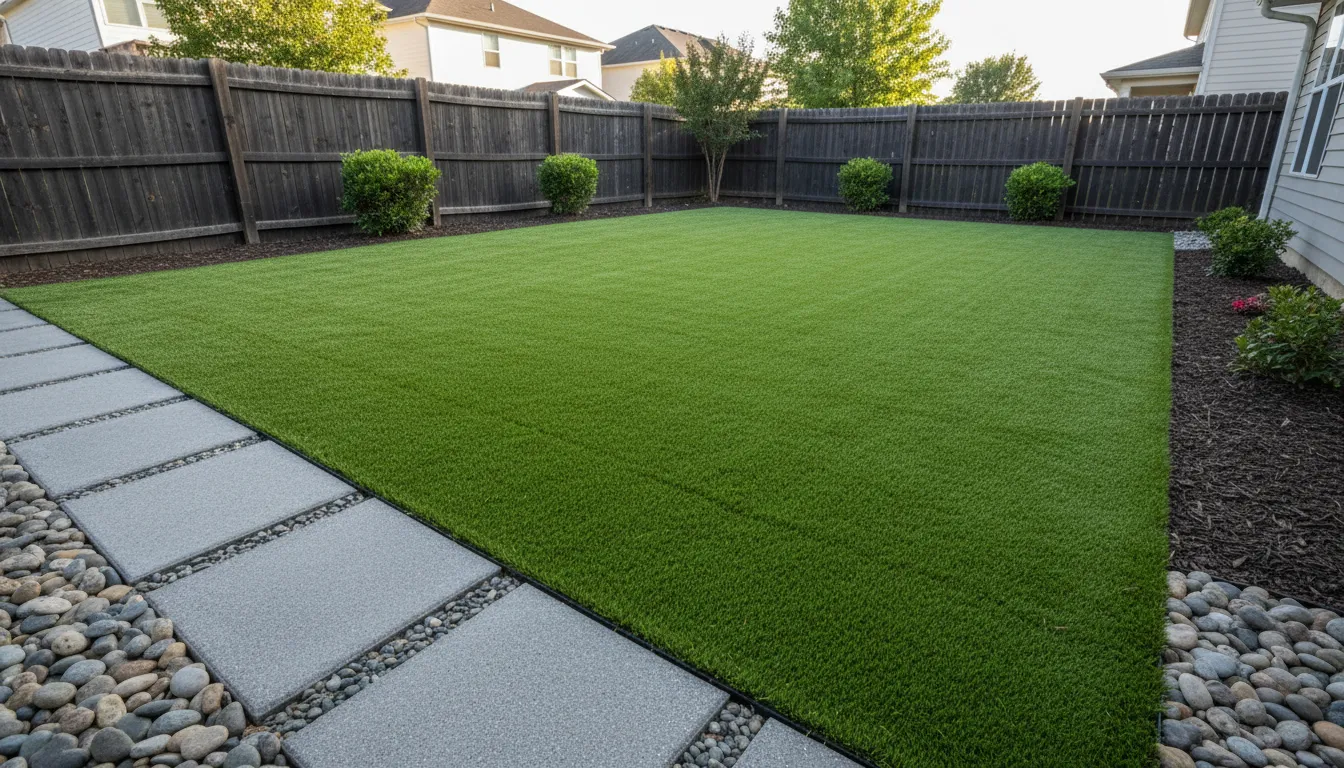
Find the Best Sod and Turf Lawn Installers for Your Business
No obligation • Fast responses • Nationwide coverage

Why you can trust Landscape Atlas
Landscape Atlas is a leading United States resource for evaluating landscaping, lawn care, and outdoor service providers. Our team researches each category in depth, focusing on service quality, safety, and customer experience. Listings and rankings are based on independent criteria and user feedback, and companies cannot pay to influence our assessments or recommendations.
Search providers near you
Best Sod and Turf Lawn Installers in Kentucky Ranked
A vibrant, healthy lawn is a cornerstone of Kentucky's beautiful landscapes, providing a lush space for family activities and enhancing your home's curb appeal. Whether you're repairing bare spots or starting from scratch, installing new sod or turf is a significant investment that requires careful planning and proper technique. This guide provides essential information on timing, preparation, installation, and care for a successful new lawn in the Bluegrass State, helping you connect with local professionals who can bring your vision to life.
EternaTurf Louisville
9428 Norton Commons Blvd, Prospect, KY 40059
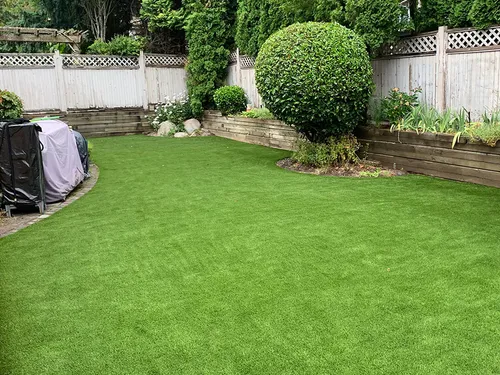
EternaTurf Louisville specializes in artificial turf installation for residential, commercial, sports fields, putting greens, playgrounds, and pet areas in Louisville, KY. Established in 2017, they offer custom turf solutions designed to fit unique property needs using premium materials. Their licensed and bonded team provides reliable warranty coverage and focuses on creating low-maintenance, durable lawns that maintain a natural look. EternaTurf Louisville also supports sustainable practices through organic food sales and tree planting initiatives.
Angel's Tree Service and Landscaping
90 Hill-N-Dale Dr, Shelbyville, KY 40065
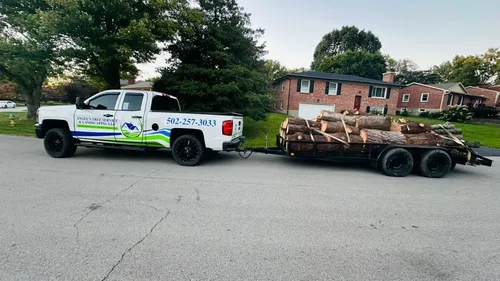
Angel's Tree Service and Landscaping is a full-service tree care and landscaping company based in Louisville, KY. They offer a wide range of services including tree removal, pruning, stump grinding, lawn care, sod installation, fence installation, hardscaping such as retaining walls and paver installation, as well as landscape design and maintenance. With over 11 years of experience, the team focuses on enhancing the beauty and value of properties while emphasizing environmental sustainability. Their capabilities include lot and land clearing, gutter and roof cleaning, and snow removal, providing comprehensive outdoor solutions.
Helm's Seeding and Sodding
4308 Old Heady Rd, Louisville, KY 40299
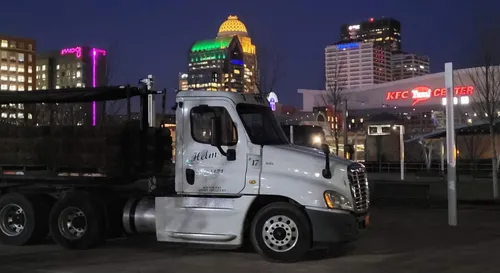
Helm's Seeding and Sodding is based in Louisville, KY, offering sod installation and artificial turf services. With over 50 years of experience, they specialize in transforming outdoor spaces for both residential and commercial properties. The company focuses on using high-quality products to ensure durable and attractive lawns.
Absolute Stump Grinding
6008 Northwood Dr, Crestwood, KY 40014
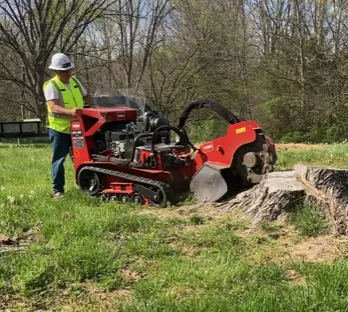
Absolute Stump Grinding is a Louisville, KY-based company specializing in stump grinding and removal, along with landscape design and construction services. They offer a range of outdoor solutions including irrigation system installation, sod and seed installation, planting, fencing, and hardscaping features. Their commercial-grade stump grinder is designed for maneuverability in tight spaces and uses advanced technology to minimize lawn damage and control debris. Founded in 1997 as Absolute Land Construction LLC, the business has over 40 years of experience under owner Bryan, who started in lawn maintenance in 1983. The company is fully licensed and insured, providing services for properties of all sizes.
SYNLawn Kentucky
626 Myrtle St, Louisville, KY 40208
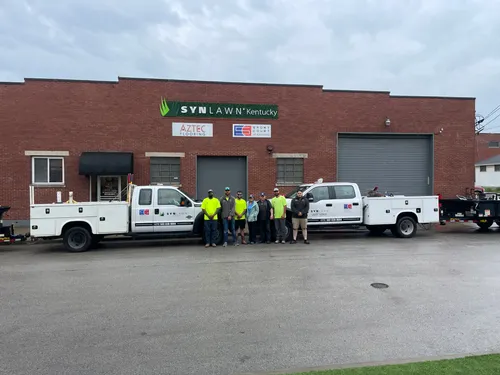
SYNLawn Kentucky provides artificial grass sales and installation services in Louisville, KY, and across the state. They offer synthetic turf solutions for residential lawns, commercial properties, pet areas, putting greens, playgrounds, and more. Their products are made in the USA, and the company has completed over 200,000 installations since 2005. SYNLawn Kentucky also offers custom putting green design and specializes in pet-friendly turf options. All installations are performed in-house, allowing them to provide a lifetime warranty on their products.
Understanding Your Lawn Installation Options
When planning a new lawn in Kentucky, you have two primary material choices: natural sod or artificial turf. Each offers distinct benefits and considerations.
Natural sod involves installing pre-grown grass that's been cultivated on a farm. It provides an instant, mature lawn and is the traditional choice for most residential properties. Kentucky's climate is well-suited for cool-season grasses like Kentucky Bluegrass, Tall Fescue, and perennial ryegrass, which are commonly available as sod. The immediate gratification comes with a need for diligent initial watering and soil preparation.
Artificial turf, or synthetic grass, is a manufactured surface that mimics the look of natural grass. It has gained popularity for areas where water conservation, high traffic, or low maintenance are top priorities. While the upfront cost is higher, it eliminates the need for mowing, watering, and most fertilizing. The installation process is more complex, involving a specialized base for drainage and stability.
The Best Time to Install in Kentucky
Timing is critical for the success of a natural sod installation. The goal is to give the grass roots time to establish firmly in the soil before facing extreme weather.
- Fall (Ideal): Mid-August to late September is the optimal window. The warm soil encourages root growth, while cooler air temperatures reduce heat stress on the grass blades. Fall also typically brings more consistent rainfall, lessening the burden of manual watering.
- Spring (Good Alternative): Early spring, as soon as the ground is workable, is the second-best time. This allows the sod to establish before the summer heat arrives. Be prepared for potentially more competition from weeds.
- Summer (Challenging): Installing sod in the peak of Kentucky's summer is possible but requires an intense, vigilant watering schedule to prevent the sod from drying out and succumbing to heat stress or disease 1. It's generally not recommended for DIY projects.
- Artificial Turf: Installation can occur year-round, as it is not dependent on grass growth cycles. However, avoid frozen ground or periods of heavy, sustained rain that can complicate site preparation.
Critical Site Preparation Steps
Proper soil preparation is the most important factor for a long-lasting, healthy lawn, whether you choose sod or artificial turf. Skipping or rushing this step can lead to drainage issues, poor root establishment, and an uneven surface.
For Natural Sod Installation
- Clear & Rough Grade: Remove all existing grass, weeds, rocks, and debris. Use a non-selective herbicide if needed, following label instructions. Perform a rough grade to ensure water will drain away from your home's foundation and avoid low spots where water can pool 2.
- Till the Soil: Loosen the top 4 to 6 inches of soil with a rototiller. This breaks up compaction, allowing new grass roots to penetrate deeply and access water and nutrients 3 4.
- Test and Amend the Soil: Conduct a soil test through your local county extension office. This will tell you the soil's pH and nutrient levels. Kentucky soils often lean acidic, so applying lime to raise the pH may be necessary 5 6. Based on the test results, work in recommended amendments like compost, which improves soil structure and fertility.
- Final Grade and Settle: Rake the area smooth, removing any remaining rocks or clumps. Lightly water the soil to help it settle, and fill any depressions that appear. The final grade should be about 1 inch below any adjacent sidewalks or driveways to accommodate the sod's thickness.
- Apply Starter Fertilizer: Just before laying sod, apply a high-phosphorus starter fertilizer to give the new roots a vital boost.
For Artificial Turf Installation
- Excavation: Remove existing grass and soil to a depth of 3 to 4 inches.
- Base Installation: A stable, permeable base is crucial. This typically involves installing and compacting a layer of crushed stone or gravel (often 3/8" minus gravel) to create a firm, well-draining foundation.
- Weed Barrier: Lay a geotextile weed barrier fabric over the compacted base to prevent weeds from growing up through the turf.
- Final Grade: Add a leveling layer of fine decomposed granite or sand over the base, compacting and grading it to a smooth, precise finish that ensures proper drainage.
Find the perfect sod and turf lawn installers for your needs
Get personalized recommendations and expert advice
Installation and Watering Guide
Laying Natural Sod
Begin laying sod along a straight edge, like a driveway or sidewalk. Stagger the seams in a brick-like pattern, ensuring pieces are snug but not overlapping. Use a sharp knife to trim around curves and obstacles. Immediately after installing a section, roll the sod with a lawn roller (half-filled with water) to ensure good soil-to-root contact and eliminate air pockets 7.
Watering is non-negotiable for new sod:
- First 1-2 Weeks: Water daily, or even multiple times a day during hot, dry, or windy weather. The goal is to keep the sod and the top inch of soil consistently moist. In peak heat, this may require up to 2 inches of water daily 8 9.
- Weeks 3-4: Begin to taper off. Water deeply every other day, encouraging roots to grow downward in search of moisture.
- After 1 Month: Transition to a standard lawn watering schedule of about 1 to 1.5 inches of water per week (including rainfall), delivered in 1-2 deep watering sessions 10. Avoid frequent, shallow watering.
Installing Artificial Turf
The turf rolls are laid out, trimmed, and seamed together using specialized tape and adhesive. Seams must be invisible and secure. Once positioned, the perimeter is fastened with landscaping spikes or nails. Finally, a layer of silica sand infill is brushed into the turf blades. This helps the fibers stand upright, adds weight for stability, and provides some cooling.
Cost Considerations for Kentucky Homeowners
Costs can vary widely based on your location in Kentucky, the size and slope of your yard, the quality of materials, and labor rates.
- Sod (Material Only): The sod itself typically costs between $0.60 and $1.00+ per square foot. It's often sold by the pallet, with a standard pallet covering 450-500 square feet costing approximately $300 to $500, plus delivery fees 11.
- Sod (Full Installation): Professional installation, including site prep, materials, and labor, generally ranges from $1.00 to $2.00+ per square foot 12 13. A simple, small, flat yard will be on the lower end, while a large, sloped yard with poor soil requiring extensive amendment will be higher.
- Artificial Turf (Full Installation): This is a more significant investment due to the complex base work and specialized materials. Installed costs typically range from $10 to $20+ per square foot 14 15. While expensive upfront, the long-term savings on water, mowing, and fertilizers can offset the initial cost over many years.
Long-Term Lawn Care and Maintenance
For a Sod Lawn:
- First Mowing: Wait until the grass reaches about 3.5 inches tall, then mow it down to 3 inches. Ensure your mower blade is sharp.
- Fertilizing: Apply a balanced, slow-release fertilizer about 6-8 weeks after installation, following soil test recommendations.
- Ongoing: Maintain a regular mowing, watering, and seasonal fertilization schedule to keep your Kentucky lawn dense and healthy.
For an Artificial Turf Lawn:
- Routine Care: Regularly remove leaves and debris with a leaf blower or plastic rake. Rinse occasionally to remove dust and pollen.
- Brushing: Periodically brush the turf fibers against the grain to keep them standing upright.
- Sanitation: Pet waste should be picked up and the area rinsed with water.
Frequently asked questions
Sources
Footnotes
-
When is the Best Time to Lay Sod & New Sod Care Tips - https://www.saratogasod.com/news/laying-new-sod-get-tips-on-the-best-time-to-install-new-sod-care/ ↩
-
How to Prepare Soil for Sod | Site Preparation Tips - Saratoga Sod Farm - https://www.saratogasod.com/tips-resources/site-preparation/ ↩
-
Prepare Soil For Sod | Complete Guide From Ideal Rockaway! - https://idealrockaway.com/blog/how-to-prepare-soil-for-sod-complete-guide/ ↩
-
The Ultimate Guide to Preparing Soil for Turf Installation - https://lavingtonturf.com/the-ultimate-guide-to-preparing-soil-for-turf-installation/ ↩
-
AGR-50: Lawn Establishment in Kentucky - Extension Publications - https://publications.mgcafe.uky.edu/files/AGR50.pdf ↩
-
Sodding Landscaping: Top 5 Powerful Benefits 2025 - https://salcorplandscaping.com/sodding-landscaping/ ↩
-
Your Kentucky Bluegrass Sod Installation Guide - https://www.thompsonbrotherssod.com/2023/02/07/your-kentucky-bluegrass-sod-installation-guide/ ↩
-
When and How to Lay Sod and Plant Grass Seed in Kentucky - https://www.anythinggroes.com/when-and-how-to-lay-sod-and-plant-grass-seed-in-kentucky/ ↩
-
Water Requirements - A Guide On Watering Your New Grass - https://www.turfmastersod.com/water-requirements ↩
-
Guide To Watering Your Lawn - The Sodfather Sod Supply - https://www.sodfatheryyc.com/blogs/the-history-of-kentucky-bluegrass-sod/watering-your-lawn ↩
-
Harmony 500 sq. ft. Fescue Sod (1-Pallet) HH500F1 - https://www.homedepot.com/p/Harmony-500-sq-ft-Fescue-Sod-1-Pallet-HH500F1/206664675 ↩
-
How Much Does Sod Installation Cost? (2026) - HomeGuide - https://homeguide.com/costs/sod-installation-cost ↩
-
Sod Installation Cost Per Square Foot: Best 10 Insights 2024 - https://salcorplandscaping.com/sod-installation-cost-per-square-foot/ ↩
-
How to Install Sod: The Complete Guide to a Lush, Green Lawn - https://ctsod.com/f/sod-installation-tips?blogcategory=Sod+Installation ↩
-
How Much Does a New Lawn Cost? - https://www.bobvila.com/articles/how-much-does-a-new-lawn-cost/ ↩