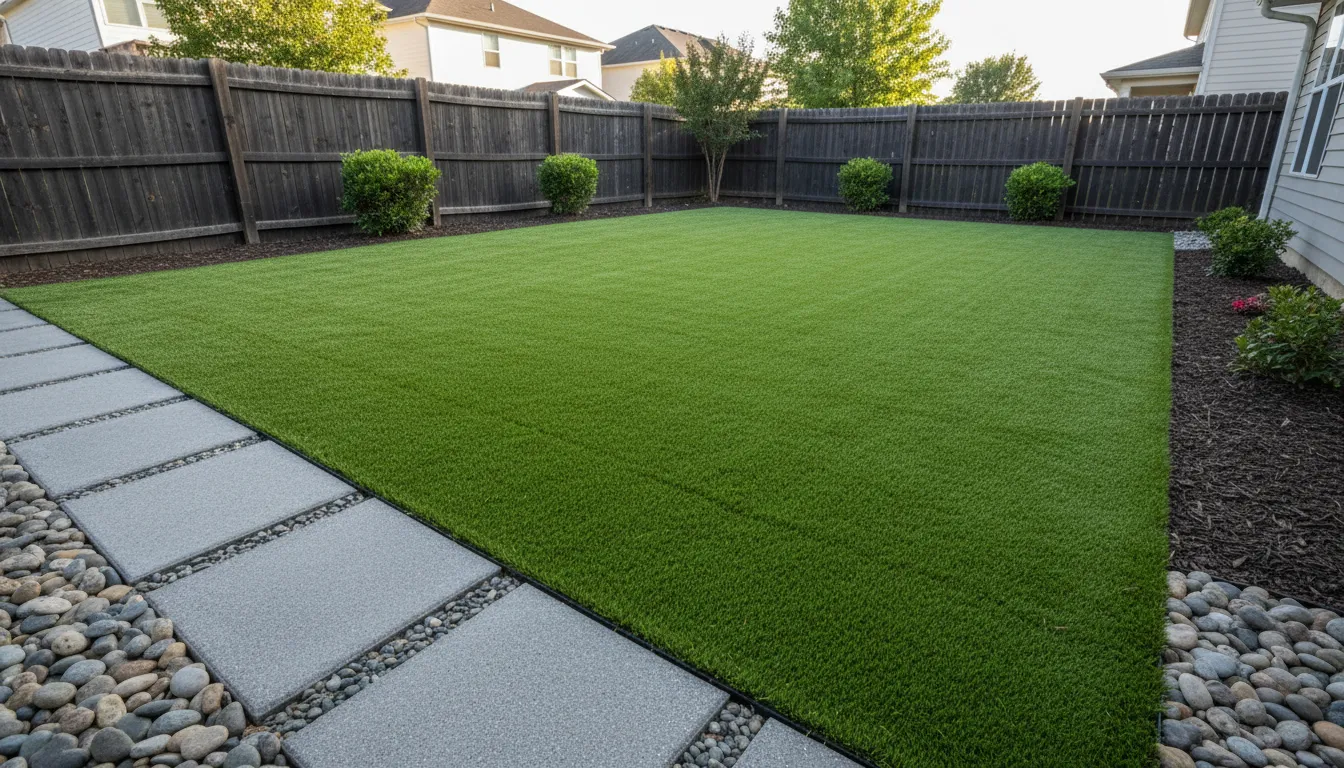
Find the Best Sod and Turf Lawn Installers for Your Business
No obligation • Fast responses • Nationwide coverage

Why you can trust Landscape Atlas
Landscape Atlas is a leading United States resource for evaluating landscaping, lawn care, and outdoor service providers. Our team researches each category in depth, focusing on service quality, safety, and customer experience. Listings and rankings are based on independent criteria and user feedback, and companies cannot pay to influence our assessments or recommendations.
Search providers near you
Best Sod and Turf Lawn Installers in Wisconsin Ranked
A lush, green lawn is a cornerstone of Wisconsin's beautiful home landscapes, but establishing one from scratch requires careful planning and execution. Whether you choose the instant gratification of sod or the low-maintenance appeal of artificial turf, professional installation ensures a durable, attractive result that can withstand the state's distinct seasons. This guide provides essential information on timing, preparation, costs, and maintenance for turf and sod installation in Wisconsin, helping you connect with qualified local professionals who understand regional soil and climate challenges.
Waukesha Lawn Service
675 N Brookfield Rd #107, Brookfield, WI 53045
Waukesha Lawn Service is a family-owned lawn care and landscaping company based in Milwaukee, WI. They provide full-season yard care services including lawn maintenance, landscape design, sod installation, yard drainage solutions, and snow removal. Serving the Waukesha County area and surrounding communities, they focus on creating healthy, well-maintained lawns and custom landscape renovations. Their team has over 30 years of experience and uses premium products to ensure lasting results. Waukesha Lawn Service offers year-round availability, including snow removal during winter months.
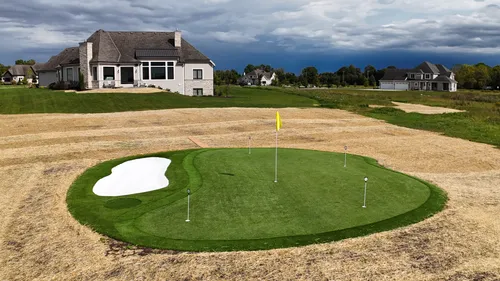
Premier Turf & Greens
20090 W Lincoln Ave, New Berlin, WI 53146
Premier Turf & Greens is a family-owned landscaping company based in Milwaukee, WI, specializing in artificial turf installation and landscaping services. Serving the Milwaukee area and much of southeast Wisconsin, they are an authorized dealer and installer of Celebrity Greens premier artificial grass products. Their services include custom backyard putting greens, artificial lawns, playgrounds, pet turf, and sports fields. With over 45 years of experience, Premier Turf & Greens focuses on low-maintenance, eco-friendly synthetic turf solutions that eliminate the need for watering, mowing, and fertilizing. The company is known for its skilled installation of high-quality synthetic turf and has earned an A+ rating from the Better Business Bureau.
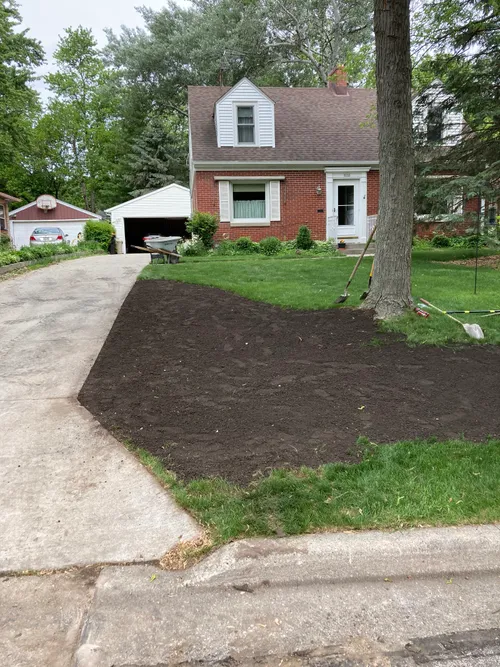
Albor Group LLC - concrete, landscaping and snowplow services
Milwaukee, WI
Albor Group LLC - concrete, landscaping and snowplow services is based in Milwaukee, WI, offering a range of concrete and landscaping services. They specialize in durable retaining walls, custom concrete driveways, and sod installation to enhance both residential and commercial properties. Established in 2016, the company provides comprehensive solutions including lawn maintenance and snow plowing to maintain properties year-round. Their expertise covers concrete craftsmanship and landscaping design, ensuring functional and visually appealing outdoor spaces.
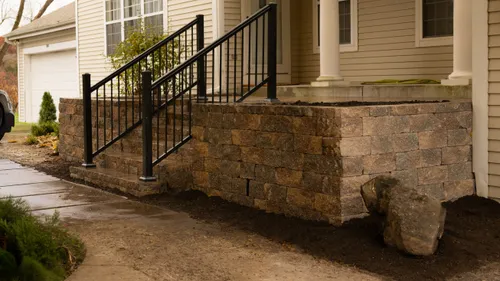
Hernandez Landscaping llc
2507 W Grant St, Milwaukee, WI 53215
Hernandez Landscaping llc is a landscaping company based in Milwaukee, WI, offering a wide range of lawn care and landscape services. Their expertise includes lawn mowing, fertilization, weed control, sod installation, landscape lighting, hardscaping, drainage solutions, sprinkler installation and repair, and comprehensive landscape design and construction. They provide year-round commercial landscape maintenance with services such as weekly mowing, seasonal clean-ups, and 24/7 snow and ice removal. Their capabilities also include grading, retaining walls, and energy-efficient outdoor lighting installation. Hernandez Landscaping llc emphasizes a strategic approach to maintaining healthy and attractive commercial properties, including site audits and horticultural care.
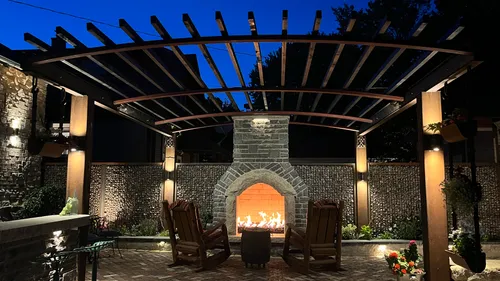
Ginkgo Stonescapes LLC
Milwaukee, WI
Ginkgo Stonescapes LLC is a landscaping and outdoor space company based in Milwaukee, WI. They offer a wide range of services including lawn care, sod installation, fence and hardscape construction, landscape design, and yard drainage solutions. Their capabilities include building stone and brick features like patios, walkways, retaining walls, and firepits, as well as metal and carpentry work such as pergolas, fences, and decks. The company is run by a husband and wife team who focus on creating functional, unique outdoor spaces tailored to client needs. They manage projects from start to finish with a dedicated team and emphasize clear communication throughout the process.
Understanding Your Options: Sod vs. Artificial Turf
Choosing between natural sod and synthetic turf is the first major decision. Each offers distinct benefits suited to different Wisconsin lifestyles and property goals.
Natural Sod provides an immediate, living lawn. In Wisconsin, cool-season grasses like Kentucky Bluegrass are the standard, as they thrive in the state's climate 1. It offers a traditional look and feel, can improve soil health, and helps manage stormwater. However, it requires consistent watering, seasonal fertilization, and regular mowing.
Artificial Turf is a synthetic surface designed to mimic the appearance of natural grass. It has become a popular solution in Wisconsin for areas with heavy use, poor growing conditions, or for homeowners seeking to eliminate watering and mowing chores entirely 2. While the initial investment is higher, it saves significant time and reduces long-term water costs.
The Best Time for Installation in Wisconsin
Timing is critical for the success of your new lawn, especially for natural sod.
For Sod Installation: The optimal window in Wisconsin is late summer to early fall, typically from late August through September. During this period, warm soil and cooler air temperatures encourage rapid root growth, and increased rainfall reduces irrigation demands. This gives the sod ample time to establish a strong root system before the winter freeze and the stress of the following summer. Spring installation is possible but requires more vigilant watering to combat summer heat.
For Artificial Turf: Installation can typically proceed once the ground has thawed and is workable, from spring through early fall. Since there are no living plants to establish, the primary concern is avoiding frozen or excessively wet ground during the base preparation phase.
Critical First Step: Site Preparation
Proper ground preparation is the most important factor for the longevity and appearance of both sod and artificial turf. Rushing this step can lead to drainage problems, uneven surfaces, and premature failure.
1. Clear and Rough Grade: Begin by removing all existing vegetation, rocks, and debris. For a natural lawn, this may involve using a sod cutter or herbicide. The area should then be rough-graded to establish a slope of 1-2% away from your home's foundation and other structures to ensure proper drainage 3 4.
2. Soil Testing and Amendment (For Sod): Conduct a soil test to check pH and nutrient levels. Wisconsin soils often lean acidic and may require lime application. For sod, experts recommend adding and tilling in 4 to 6 inches of quality topsoil or compost to create a fertile, well-draining seedbed 5 6.
3. Base Preparation (For Artificial Turf): After clearing and grading, a stable base is constructed. This usually involves installing a sub-base of compacted gravel or crushed rock, topped with a layer of finer decomposed granite or stone dust. A geotextile fabric (weed barrier) is laid over this to prevent weed growth and stabilize the base.
4. Final Grading: The final surface must be smooth and level. For sod, the topsoil should be finely raked and lightly rolled to eliminate footprints and air pockets. For artificial turf, the aggregate base must be meticulously screeded and compacted to create a firm, even surface that will not settle.
Find the perfect sod and turf lawn installers for your needs
Get personalized recommendations and expert advice
Installation Process and Key Considerations
Laying Natural Sod
Once the soil is prepared, sod installation moves quickly. Rolls or slabs of fresh sod should be laid in a staggered brick-like pattern, with seams tightly butted together. It's crucial to avoid stretching the sod and to keep it moist during the installation process. A starter fertilizer high in phosphorus is often applied just before laying the sod to encourage rapid root development 7 8. After laying, the entire area should be lightly rolled to ensure good soil-to-sod contact.
Installing Artificial Turf
The synthetic grass rolls are laid out over the prepared base and trimmed to fit. Seams are joined with specialized tape and adhesive. Once secured, an infill material-typically silica sand or crumb rubber-is brushed deep into the turf fibers. This infill is essential; it weighs down the turf, keeps the blades upright, and provides cushioning. The final step is a thorough brushing to lift the fibers and achieve a natural appearance.
Watering and Immediate Aftercare
Post-installation care differs dramatically between the two options.
New Sod Care: Watering is non-negotiable. The new sod should receive about 1 inch of water immediately after installation 9. For the first two weeks, the soil beneath must be kept consistently moist, which may require daily watering during hot or windy weather. After this establishment period, watering can transition to a deeper, less frequent schedule of about 1 inch per week, encouraging deeper root growth.
Artificial Turf Care: No watering is needed for irrigation. The primary maintenance involves occasional rinsing to remove dust or pet waste, regular brushing to keep the fibers standing upright, and ensuring drainage systems remain clear.
Understanding the Costs in Wisconsin
Professional installation costs vary based on yard size, site complexity, and materials.
- Natural Sod Installation: For a typical residential project, professional sod installation in Wisconsin can range from $1,000 to $6,000 or more. This price generally includes soil preparation, delivery of sod, labor for installation, and initial fertilization 10. Cost per square foot is influenced by the grass variety and the amount of site prep required.
- Artificial Turf Installation: This typically involves a higher upfront investment due to material and base construction costs. Installed prices often range from $3,000 to $10,000+, or $3 to $10+ per square foot 11 12. While costly initially, it eliminates ongoing expenses for water, fertilizer, mowing, and seeding.
Long-Term Maintenance and Seasonal Considerations
A Natural Sod Lawn in Wisconsin follows an annual cycle: core aeration in fall, fertilization in spring and fall, regular mowing at the proper height (2.5-3.5 inches for Kentucky Bluegrass), and overseeding to repair thin areas 13 14. It remains dormant and brown in winter.
Artificial Turf requires year-round, low-level maintenance: removing leaves and debris, brushing the fibers, and occasionally sanitizing. It retains its green color year-round, even under snow. In winter, avoid using metal shovels or ice melt products that can damage the fibers; plastic shovels are recommended for snow removal.
Frequently asked questions
Sources
Footnotes
-
Establishing a Lawn in Madison, WI. Grass Seed or Sod? - https://www.aspengardenandlandscape.com/blog/2017/2/12/to-seed-or-to-sod-establishing-a-lawn-in-madison-wi ↩
-
Best Time To Install Sod In Southeast Wisconsin - https://www.brantslawncare.com/best-time-to-install-sod-in-southeast-wisconsin/ ↩
-
How to Prepare Ground for Artificial Turf Installation - https://www.turfkingz.com/articles/how-to-prepare-ground-for-artificial-turf ↩
-
Essential Steps for Preparing Your Yard for Sod Installation - https://southernlovelandscaping.com/2025/02/24/how-to-prepare-a-yard-for-sod-installation/ ↩
-
Establishing a Lawn From Sod - Purdue Extension - https://www.extension.purdue.edu/extmedia/ay/ay-28-w.pdf ↩
-
The Ultimate Guide to Preparing Soil for Turf Installation - https://lavingtonturf.com/the-ultimate-guide-to-preparing-soil-for-turf-installation/ ↩
-
Lawn Establishment and Renovation - Extension Barron County - https://barron.extension.wisc.edu/files/2023/02/Lawn-Establishment-and-Renovation.pdf ↩
-
Turfgrass Installation Guide - Seven Cities Sod - https://sevencitiessod.com/wp-content/uploads/2020/05/turfgrass_installation.pdf ↩
-
Prep and Installation of Sod|920-984-3313 - Black Creek Sod - https://www.blackcreeksod.com/prep-and-installation-of-sod.html ↩
-
Turf Lawn Installation in Southeast Wisconsin - Nelson Landscape - https://www.nelsonlandscape.com/Services/Turf-Installation ↩
-
A Step-by-Step Guide to Installing Artificial Turf Grass - Lowe's - https://www.lowes.com/n/how-to/install-artificial-grass ↩
-
Complete Guide To Artificial Grass Installation - https://amazingturfandlawn.com/artificial-grass/blog-your-guide-to-artificial-grass-installation/ ↩
-
Wisconsin Lawn Care Calendar - https://hort.extension.wisc.edu/articles/wisconsin-lawn-care-calender/ ↩
-
Lawn Maintenance - Wisconsin Horticulture - https://hort.extension.wisc.edu/articles/lawn-maintenance/ ↩