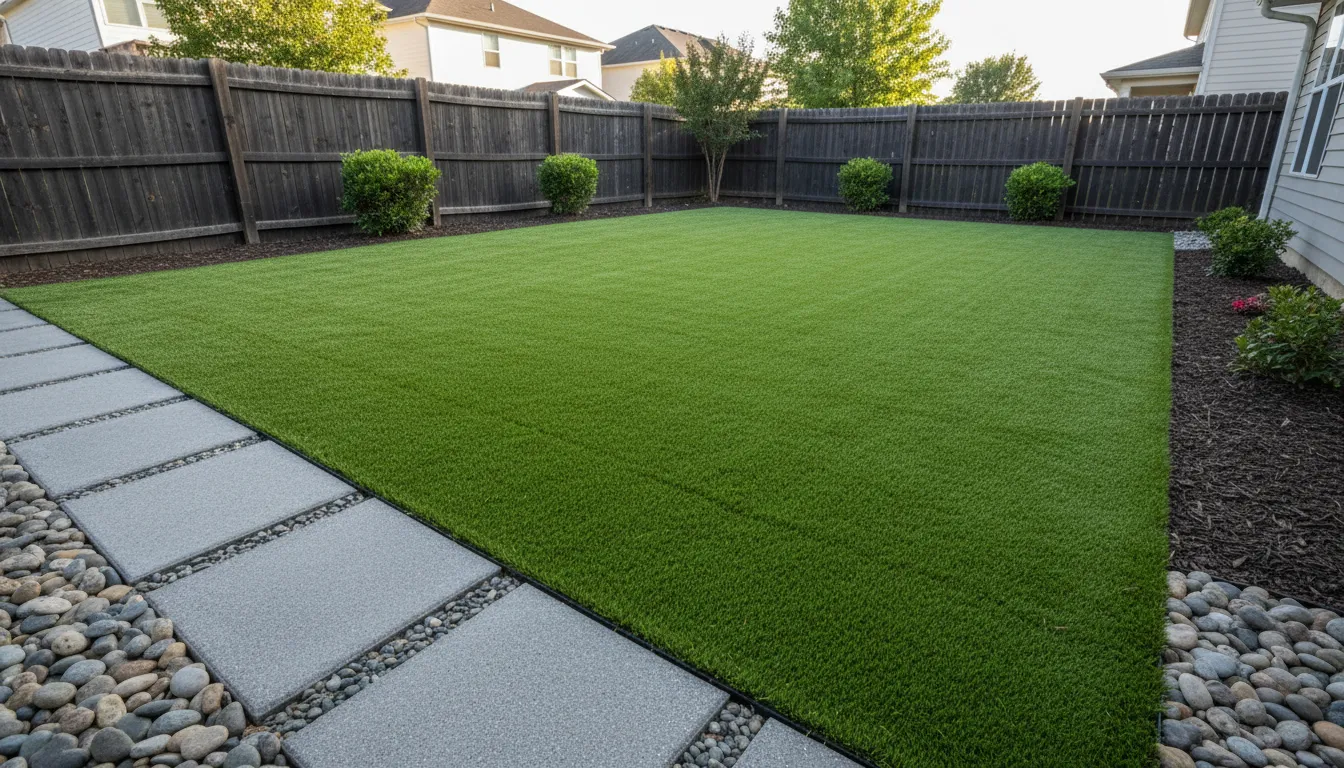
Find the Best Sod and Turf Lawn Installers for Your Business
No obligation • Fast responses • Nationwide coverage

Why you can trust Landscape Atlas
Landscape Atlas is a leading United States resource for evaluating landscaping, lawn care, and outdoor service providers. Our team researches each category in depth, focusing on service quality, safety, and customer experience. Listings and rankings are based on independent criteria and user feedback, and companies cannot pay to influence our assessments or recommendations.
Search providers near you
Top Sod and Turf Lawn Installers in Milwaukee, Wisconsin Ranked
A lush, green lawn is the centerpiece of a beautiful Milwaukee home, but establishing one from scratch is a significant project. New lawn installation, whether with natural sod or modern artificial turf, transforms your outdoor space by providing an instant, usable surface. The process involves critical steps like site preparation, grading for drainage, and professional installation to ensure long-term success. This guide will help you understand the key considerations, processes, and local factors for installing a new lawn in Milwaukee, empowering you to make an informed decision and connect with qualified professionals for your project.
Waukesha Lawn Service
675 N Brookfield Rd #107, Brookfield, WI 53045
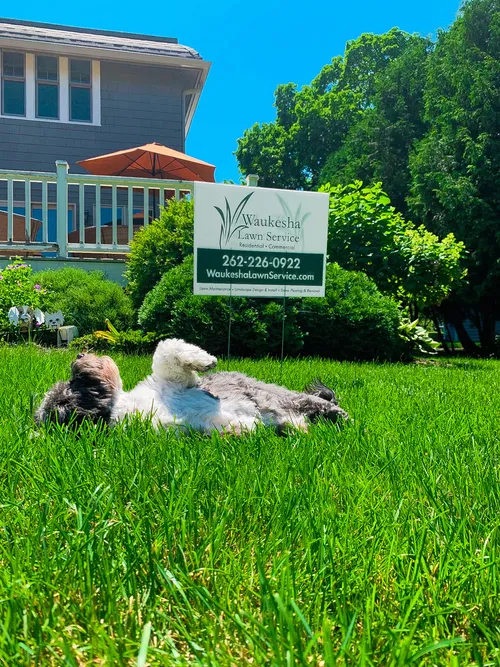
Waukesha Lawn Service is a family-owned lawn care and landscaping company based in Milwaukee, WI. They provide full-season yard care services including lawn maintenance, landscape design, sod installation, yard drainage solutions, and snow removal. Serving the Waukesha County area and surrounding communities, they focus on creating healthy, well-maintained lawns and custom landscape renovations. Their team has over 30 years of experience and uses premium products to ensure lasting results. Waukesha Lawn Service offers year-round availability, including snow removal during winter months.
Premier Turf & Greens
20090 W Lincoln Ave, New Berlin, WI 53146
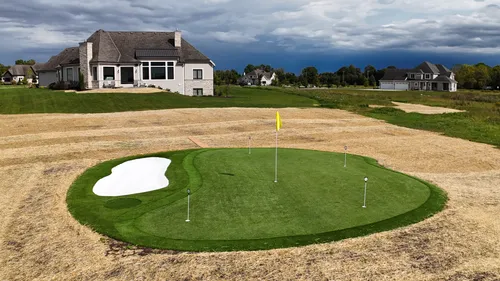
Premier Turf & Greens is a family-owned landscaping company based in Milwaukee, WI, specializing in artificial turf installation and landscaping services. Serving the Milwaukee area and much of southeast Wisconsin, they are an authorized dealer and installer of Celebrity Greens premier artificial grass products. Their services include custom backyard putting greens, artificial lawns, playgrounds, pet turf, and sports fields. With over 45 years of experience, Premier Turf & Greens focuses on low-maintenance, eco-friendly synthetic turf solutions that eliminate the need for watering, mowing, and fertilizing. The company is known for its skilled installation of high-quality synthetic turf and has earned an A+ rating from the Better Business Bureau.
Albor Group LLC - concrete, landscaping and snowplow services
Milwaukee, WI
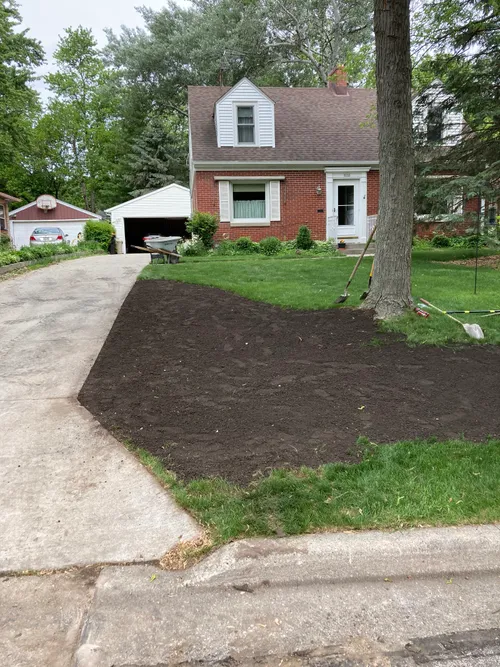
Albor Group LLC - concrete, landscaping and snowplow services is based in Milwaukee, WI, offering a range of concrete and landscaping services. They specialize in durable retaining walls, custom concrete driveways, and sod installation to enhance both residential and commercial properties. Established in 2016, the company provides comprehensive solutions including lawn maintenance and snow plowing to maintain properties year-round. Their expertise covers concrete craftsmanship and landscaping design, ensuring functional and visually appealing outdoor spaces.
Hernandez Landscaping llc
2507 W Grant St, Milwaukee, WI 53215
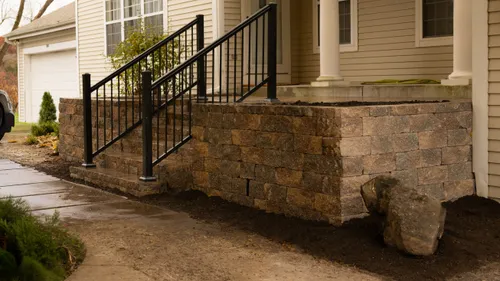
Hernandez Landscaping llc is a landscaping company based in Milwaukee, WI, offering a wide range of lawn care and landscape services. Their expertise includes lawn mowing, fertilization, weed control, sod installation, landscape lighting, hardscaping, drainage solutions, sprinkler installation and repair, and comprehensive landscape design and construction. They provide year-round commercial landscape maintenance with services such as weekly mowing, seasonal clean-ups, and 24/7 snow and ice removal. Their capabilities also include grading, retaining walls, and energy-efficient outdoor lighting installation. Hernandez Landscaping llc emphasizes a strategic approach to maintaining healthy and attractive commercial properties, including site audits and horticultural care.
Ginkgo Stonescapes LLC
Milwaukee, WI
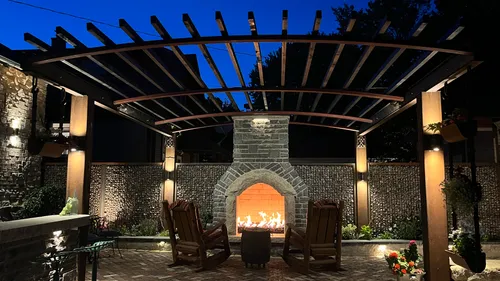
Ginkgo Stonescapes LLC is a landscaping and outdoor space company based in Milwaukee, WI. They offer a wide range of services including lawn care, sod installation, fence and hardscape construction, landscape design, and yard drainage solutions. Their capabilities include building stone and brick features like patios, walkways, retaining walls, and firepits, as well as metal and carpentry work such as pergolas, fences, and decks. The company is run by a husband and wife team who focus on creating functional, unique outdoor spaces tailored to client needs. They manage projects from start to finish with a dedicated team and emphasize clear communication throughout the process.
Understanding Your Lawn Installation Options
When planning a new lawn in Milwaukee, your primary choice is between natural sod and synthetic turf. Each option serves the same fundamental purpose-creating a durable, attractive green space-but they differ dramatically in material, maintenance, and long-term performance. Natural sod involves rolls of pre-grown grass that establish roots into your prepared soil, offering a traditional look and feel. Artificial turf, on the other hand, is a manufactured surface made from synthetic fibers designed to mimic grass, installed over a layered base system. Your decision will hinge on factors like budget, desired maintenance level, intended use, and the specific conditions of your yard.
The Appeal of Natural Sod
For many homeowners, the classic beauty and environmental benefits of real grass are unmatched. A sod installation provides immediate curb appeal without the wait of seeding. In Milwaukee's climate, cool-season grasses like Kentucky bluegrass or fescue blends are common choices for sod, as they are well-suited to handle the region's cold winters and warm summers. The key to success with sod lies in the preparation of the underlying soil and a consistent watering schedule during the critical root establishment period, which typically lasts several weeks.
The Benefits of Artificial Turf
Synthetic grass has evolved into a sophisticated landscaping solution, especially popular for areas that see high foot traffic, have poor soil, or where water conservation is a priority. Modern artificial turf looks remarkably realistic and provides a consistently green lawn year-round, regardless of weather or shade. It's an immediate-use surface, meaning your family can enjoy the space as soon as installation is complete, with no grow-in period required. This makes it a compelling option for putting greens, pet areas, or simply a low-maintenance backyard.
Critical First Step: Site Preparation and Grading
Regardless of which material you choose, proper site preparation is the non-negotiable foundation for a successful lawn installation. Skipping or skimping on this phase is the most common cause of lawn failure, whether that's sod dying or artificial turf buckling.
For a Sod Lawn: The goal is to create a fertile, well-graded seedbed. This involves:
- Clearing and Tilling: Removing all existing grass, weeds, and debris, then tilling the soil to loosen it.
- Soil Amendment: Testing the soil and adding necessary nutrients or organic matter to promote healthy root growth.
- Grading for Drainage: This is paramount. The site must be graded to ensure water runs away from your home's foundation and avoids creating low spots where water can pool, which will drown grass roots 1. A slope of about 1-2% is generally recommended.
For an Artificial Turf Lawn: Preparation is even more intensive, as you are building a stable, multi-layered base.
- Excavation: Removing several inches of existing topsoil and vegetation.
- Sub-Base Installation: Compacting a layer of crushed stone or gravel. This layer provides structural stability and is critical for drainage, allowing water to percolate down and away.
- Leveling Layer: Adding a top layer of decomposed granite or fine sand to create a perfectly smooth, firm surface.
- Weed Barrier: Laying a geotextile fabric over the base to prevent weeds from growing up through the turf.
Find the perfect sod and turf lawn installers for your needs
Get personalized recommendations and expert advice
The Installation Process and Timeline
Understanding the project timeline helps set realistic expectations. The complexity of your site and the size of the area are the biggest factors.
Sod Installation Timeline: A sod installation for a typical residential yard can often be completed in 1-2 days for the actual laying of the grass rolls. However, the overall project timeline includes the site prep work (clearing, grading, amending soil), which may add additional days. After installation, the critical "establishment period" begins. While the lawn is usable sooner than seed, it requires weeks of careful, frequent watering to encourage the roots to knit into the soil below before it can handle heavy play or traffic 2.
Artificial Turf Installation Timeline: The installation of synthetic grass is a more involved construction process. The site preparation-excavation, installing and compacting the base layers-constitutes the majority of the labor and can take several days to over a week, depending on the area and site challenges. Once the base is perfect, laying, seaming, and securing the turf rolls and adding infill (sand or rubber granules that keep blades upright) is relatively swift. The significant advantage is that once the final nail is driven, the lawn is ready for immediate and heavy use with no grow-in period 3.
Cost Considerations for Milwaukee Homeowners
Investing in a new lawn is a significant home improvement. Prices are typically quoted per square foot and encompass materials, labor, and site work.
Artificial Turf Costs: In the Milwaukee area, you can expect a professional artificial turf installation to range from $8 to $12 or more per square foot 4 5. This wide range accounts for:
- Turf Quality: Higher-end, more realistic, and durable fibers cost more.
- Site Complexity: Steep slopes, poor access, or extensive existing landscaping removal add to labor costs.
- Base Preparation: A proper, deep gravel base is essential for longevity and drainage but adds material and labor expense.
Sod Installation Costs: Installing a natural sod lawn is generally less expensive upfront, with costs often ranging from $2 to $5+ per square foot for materials and professional installation 6 7. The final price depends on:
- Grass Type: Premium sod varieties cost more.
- Soil Prep: The need for extensive grading, tilling, or soil amendment will increase the price.
- Project Scale: Larger areas may benefit from a lower per-square-foot rate.
It's highly recommended to obtain multiple detailed quotes from local Milwaukee landscapers. A reputable professional will provide a breakdown that includes all aspects of site prep, materials, and labor, giving you a clear picture of your investment.
Long-Term Care and Maintenance
Your responsibilities shift dramatically once the installation crew leaves.
Caring for Your New Sod Lawn: The first few weeks are critical. You'll need to water the sod deeply and frequently to prevent the seams and edges from drying out. After the roots establish, maintenance transitions to a regular schedule of mowing, fertilizing (particularly in fall and spring for Milwaukee's climate), aerating, and overseeding to keep it thick and healthy. You'll also manage weeds and pests as they arise.
Maintaining Your Artificial Turf: Synthetic grass requires minimal but specific upkeep. Regular brushing with a stiff broom keeps the blades standing upright and looking natural. You'll need to rinse it occasionally to remove dust or pollen and promptly clean up pet waste. While it never needs mowing or watering, inspecting the infill levels every few years and topping it off may be necessary to maintain cushion and blade support.
Frequently asked questions
Sources
Footnotes
-
How to Prepare Ground for Artificial Grass: 2025 Expert Guide - LawnPop - https://www.lawnpop.com/how-to-prepare-the-ground-before-laying-artificial-grass/ ↩
-
How Much Does Artificial Turf Cost? 2025 Complete Breakdown - https://www.turfkingz.com/articles/how-much-does-artificial-turf-cost ↩
-
What is the Timeline for Installing New Artificial Turf For Your School? - https://themotzgroup.com/sport_blog/what-is-the-timeline-for-installing-new-artificial-turf-for-your-school/ ↩
-
Artificial Turf Installers in Milwaukee, WI - https://premierturfgreens.com/services/artificial/ ↩
-
Cost of Artificial Grass Installation - 2024 Price Breakdown - https://www.youtube.com/watch?v=GohvQzEselI&t=1 ↩
-
Turf Lawn Installation in Southeast Wisconsin - https://www.nelsonlandscape.com/Services/Turf-Installation ↩
-
How Much Does Artificial Grass Cost? | LazyLawn - https://www.lazylawn.co.uk/guide/how-much-does-artificial-grass-cost/ ↩