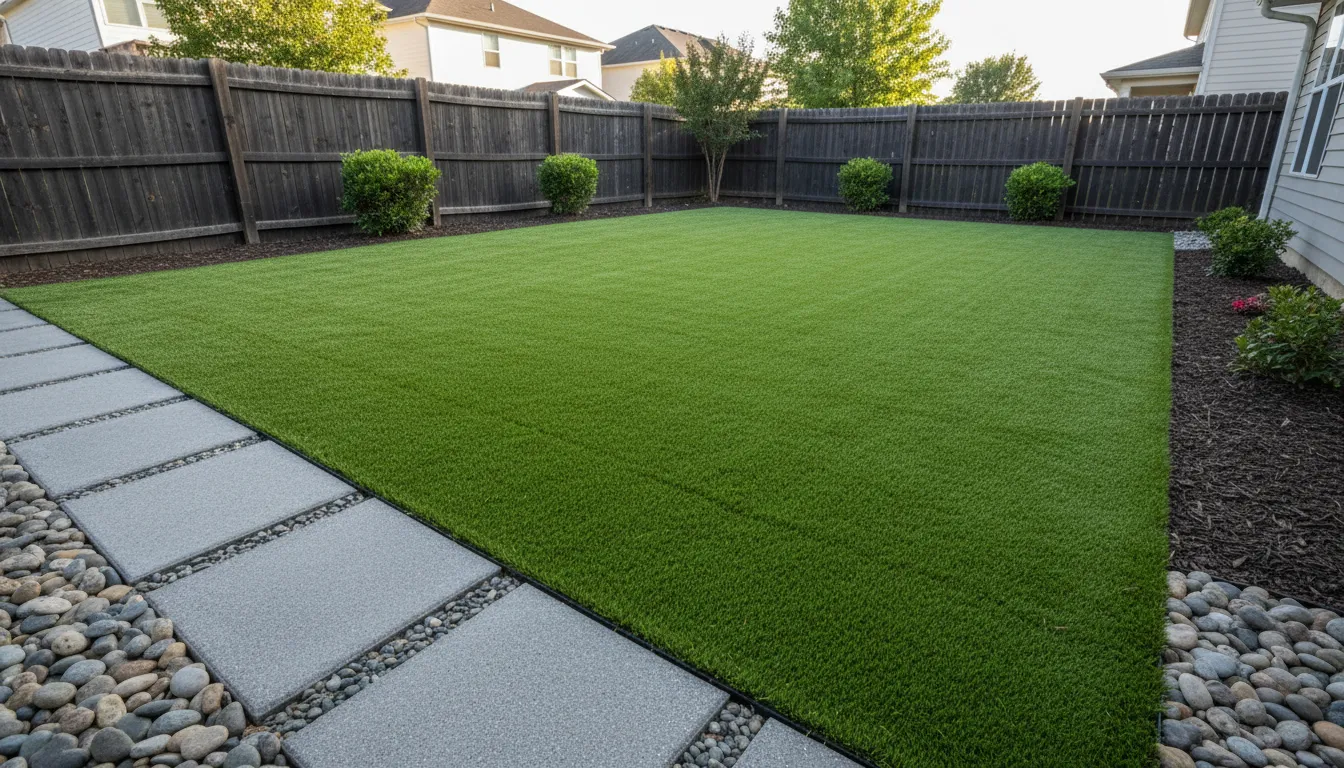
Find the Best Sod and Turf Lawn Installers for Your Business
No obligation • Fast responses • Nationwide coverage

Why you can trust Landscape Atlas
Landscape Atlas is a leading United States resource for evaluating landscaping, lawn care, and outdoor service providers. Our team researches each category in depth, focusing on service quality, safety, and customer experience. Listings and rankings are based on independent criteria and user feedback, and companies cannot pay to influence our assessments or recommendations.
Search providers near you
Best Sod and Turf Lawn Installers in New Mexico Ranked
Creating a lush, green lawn in New Mexico is a rewarding project that enhances your property's beauty and value. However, the state's unique climate-characterized by intense sun, heat, and drought-requires careful planning and the right approach to ensure success. Whether you're starting from scratch or renovating an existing yard, understanding your options for turfgrass or artificial turf is the first step. This guide provides the essential information you need to make an informed decision and connect with local professionals who can bring your vision to life.
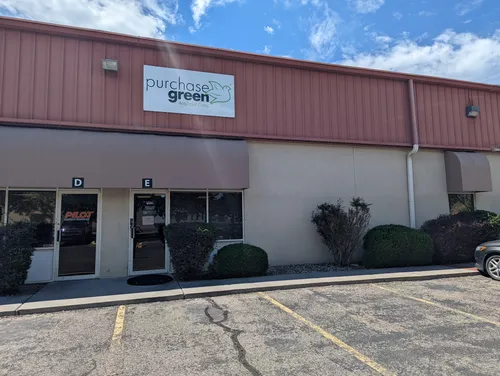
Purchase Green Artificial Grass
5821 Midway Park Blvd NE Suite E, Albuquerque, NM 87109
Purchase Green Artificial Grass is an artificial turf installer based in Albuquerque, NM. They provide high-quality artificial grass and synthetic turf products suitable for lawns, sports fields, and other outdoor areas. Their turf is designed to withstand Albuquerque's arid, sunny, and dry climate, as well as occasional heavy rainfall and snowfall. Purchase Green Artificial Grass offers solutions that help save water and maintain a green lawn year-round.
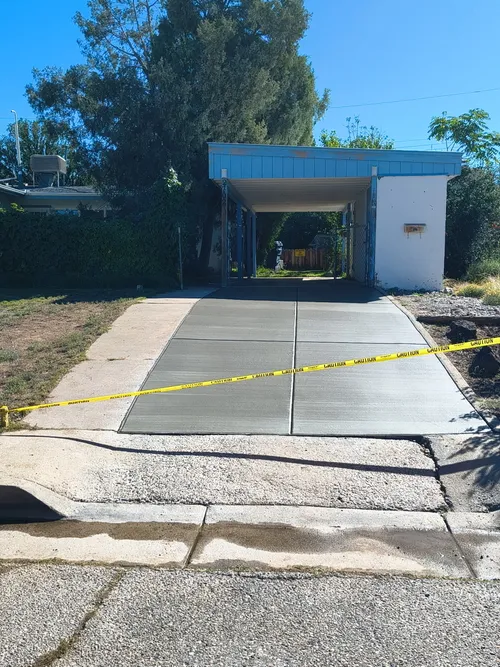
Mountain Side Contractors, LLC
Albuquerque, NM
Mountain Side Contractors, LLC is a family-owned construction company serving Albuquerque, NM. They specialize in residential and commercial concrete, masonry, stucco, landscaping, and home additions. With over 20 years of experience, they offer a full range of services including driveway and patio construction, retaining walls, stucco installation with a 10-year warranty, sod and turf installation, and tenant build-outs. Their work emphasizes quality, durability, and clear communication throughout each project.
Lannen's Lawn & Sprinkler LLC
3600 Osuna Rd NE STE 401, Albuquerque, NM 87109
Lannen's Lawn & Sprinkler LLC is a veteran-owned company based in Albuquerque, NM, offering a wide range of lawn and sprinkler services. They specialize in sprinkler installation and repair, including broken valve replacements and drip line fixes, as well as sod installation, tree trimming, yard cleanup, and lawn fertilization with weed control. Their certified irrigation technicians provide customized repairs tailored to each property, aiming to reduce manual watering and maintenance efforts. With decades of industry experience, Lannen's Lawn & Sprinkler focuses on quality workmanship and customer satisfaction.
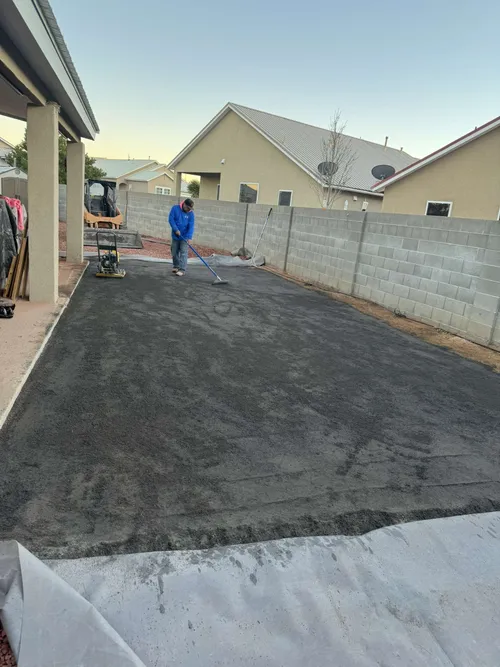
JPR CONSTRUCTION LLC
9608 El Patron Rd SW, Albuquerque, NM 87121
JPR CONSTRUCTION LLC is based in Albuquerque, NM, offering a wide range of outdoor construction services including concrete work, decorative concrete, block walls, pavers, artificial turf installation, flagstone, gravel, and wrought iron features. Serving Albuquerque, Rio Rancho, and surrounding areas, the company provides durable and visually appealing solutions for residential and commercial properties. Their expertise includes custom wrought iron gates and fences, as well as premium artificial turf installations designed for low maintenance and year-round greenery.
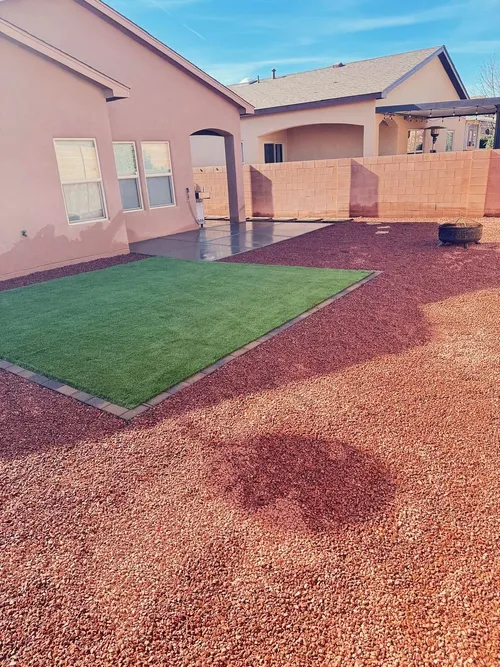
C&E Construction LLC
612 Tanager Dr SW, Albuquerque, NM 87121
C&E Construction LLC is a landscaping company based in Albuquerque, NM. They specialize in artificial turf installation and backyard landscaping, providing services that enhance outdoor spaces. The team is known for clear communication and efficient project completion, with a focus on turf installation as a key capability.
Understanding Your Lawn Options in New Mexico's Climate
New Mexico's arid environment demands resilient landscaping choices. For a traditional green lawn, you have three primary paths: seeding, laying sod, or installing artificial turf. Each has distinct advantages, costs, and maintenance profiles suited to different goals and budgets.
- Seeding: This is the most economical upfront option. It involves sowing grass seed directly onto prepared soil. While cost-effective, it requires significant patience and diligent care, including consistent watering to keep the seedbed moist during germination and establishment, which can be challenging in New Mexico's dry climate.
- Sod Installation: Sod offers an "instant lawn" effect. It involves laying pre-grown rolls of grass and soil. This method provides immediate erosion control, weed suppression, and a usable lawn much faster than seed. It's a popular middle-ground choice, though it still requires a substantial amount of water to establish the root system.
- Artificial Turf: For maximum water conservation and minimal ongoing maintenance, synthetic grass is an increasingly popular choice. It provides a consistently green appearance year-round without mowing, fertilizing, or watering. The initial investment is higher, but it eliminates long-term water bills and lawn care chores, aligning perfectly with xeriscaping principles 1 2.
Choosing the Right Grass for a Natural Lawn
Selecting a grass species that can thrive in New Mexico's conditions is critical for a healthy, sustainable natural lawn. The key is to choose drought-tolerant varieties that can handle high temperatures and full sun.
Tall Fescue is highly recommended for much of New Mexico. It is a cool-season grass known for its deep root system, which helps it access water from deeper in the soil and better withstand drought and heat stress. It also has good wear tolerance, making it suitable for families and pets. When installing sod, Tall Fescue is a common and reliable choice.
For those considering seeding, it's essential to select a seed mix specifically formulated for the Southwest. Always follow best practices for seeding rates and timing, typically in the early fall or spring when temperatures are more moderate.
Critical First Step: Site Preparation
Proper ground preparation is the most important factor for long-term success, whether you choose natural sod or artificial turf. Skipping or rushing this step can lead to drainage issues, uneven surfaces, and poor establishment.
Preparing for Natural Sod or Seed
A healthy lawn starts with healthy soil. For natural grass, the goal is to create a nutrient-rich, well-draining seedbed.
- Clear and Grade: Remove all existing grass, weeds, rocks, and debris. Grade the area to ensure proper drainage away from your home's foundation 3.
- Amend the Soil: New Mexico's native soil often needs improvement. Till the soil to a depth of 4 to 6 inches. Incorporate 2 to 3 inches of organic matter, such as compost, peat moss, or well-aged manure. This improves soil structure, water retention, and nutrient availability.
- Test and Fertilize: A soil test is optional but highly recommended to determine pH and specific nutrient needs. Before laying sod or seeding, apply a starter fertilizer to give new grass roots the nutrients they need to grow strong 4.
- Final Grade and Compact: Rake the surface smooth, removing any remaining clumps or stones. Lightly compact the soil with a lawn roller or by walking over it to create firm, even contact for sod roots or seeds 5.
Preparing for Artificial Turf
Artificial turf installation requires a stable, well-draining base, not fertile soil.
- Excavate: Remove existing turf and dig down 2 to 4 inches to allow space for the base materials.
- Install Weed Barrier: Lay a geotextile weed barrier fabric over the compacted native soil to prevent weeds from growing up through the turf.
- Build the Base Layer: Add a 2- to 4-inch layer of decomposed granite or crushed rock (often 3/8" minus). This material compacts firmly to create a stable, permeable foundation. It must be thoroughly compacted in layers to prevent future settling.
- Add a Leveling Layer: Spread a thin top layer of fine gravel or sand over the compacted base. This creates a perfectly smooth, level surface for the turf to lie on 6.
Find the perfect sod and turf lawn installers for your needs
Get personalized recommendations and expert advice
Installation and Establishment Care
The work doesn't end once the grass is down. Proper follow-up care ensures your investment pays off.
For New Sod:
- Watering is Crucial: New sod needs frequent, shallow watering to prevent the roots and soil from drying out. For the first two weeks, water daily, or even twice daily in extreme heat. The goal is to keep the soil beneath the sod consistently moist 7 8.
- Transition to Deep Watering: After roots have established (typically when you can't easily lift a corner of the sod), transition to a deep, infrequent watering schedule. This encourages deeper root growth. In summer, this may mean watering once or twice a week, applying enough water to moisten the soil 6-8 inches deep 9 10.
- First Mowing: Wait until the grass has grown to about 3-4 inches tall, then mow, removing no more than one-third of the blade height.
For Artificial Turf:
- Infill Application: After the turf is rolled out, seamed, and secured, a silica sand or rubber infill is brushed into the blades. This helps the fibers stand upright, adds weight, and aids in drainage.
- Brushing: A final stiff brushing brings the blades up for a natural look.
- Maintenance: Routine care involves occasionally rinsing off dust, brushing to lift flattened fibers, and removing debris.
Cost Considerations for Your New Mexico Lawn
Your budget will play a significant role in determining the best approach.
- Seeding has the lowest material cost but requires more time, labor, and water to achieve results.
- Sod Installation involves moderate material costs plus professional installation fees for most homeowners. It provides immediate value and beauty.
- Artificial Turf carries the highest upfront cost due to materials and the specialized labor required for proper base preparation and installation. However, it offers significant long-term savings on water, fertilizer, mowing, and other lawn care services 11 12 13.
Frequently asked questions
Sources
Footnotes
-
Residential Artificial Grass Lawns & Landscaping | SynLawn® New Mexico - https://newmexicoartificialgrass.com/service/residential-landscaping/ ↩
-
Sod vs. Artificial Turf: Which is Better for My Sarasota Yard? - https://tropicalgardenslandscape.com/blog/sod-vs.-artificial-turf-which-better-for-sarasota-yard ↩
-
Prepare Your Lawn for Sod Installation: A Step-By-Step Guide - https://www.southdallasturfandsupply.com/blog/prepare-your-lawn-for-sod/ ↩
-
New Lawn from Seed or Sod - Albuquerque - Soilutions - https://soilutions.net/pages/new-lawn-from-seed-or-sod ↩
-
The Ultimate Guide to Preparing Soil for Turf Installation - https://lavingtonturf.com/the-ultimate-guide-to-preparing-soil-for-turf-installation/ ↩
-
How to Install Artificial Grass: A Step-by-Step Guide - https://syntheticturfofpugetsound.com/blog/how-to-install-artificial-grass-a-step-by-step-guide ↩
-
How to Install Sod in New Mexico - Albuquerque Real Estate - https://www.nmhometeam.com/blog/how-to-install-sod-in-new-mexico.html ↩
-
Sod Made Simple: Everything You Need to Know for a Healthy, Green Lawn - https://mahoneysgarden.com/sod-made-simple-everything-you-need-to-know-for-a-healthy-green-lawn/ ↩
-
Turfgrass Establishment | New Mexico State University - https://pubs.nmsu.edu/_h/H509/index.html ↩
-
Turfgrasses for New Mexico - BE BOLD. Shape the Future. - https://pubs.nmsu.edu/_h/H508/index.html ↩
-
How to Prepare Ground for Artificial Turf Installation - https://www.turfkingz.com/articles/how-to-prepare-ground-for-artificial-turf ↩
-
Best Ways to Grow Grass Fast - Lawn Love - https://lawnlove.com/blog/best-ways-to-grow-grass-fast/ ↩
-
Can I Just Throw Grass Seed Down on Existing Lawn? - https://lawnsynergy.com/blogs/lawn-guides/can-i-just-throw-grass-seed-down-on-existing-lawn ↩