Find the Best Sod and Turf Lawn Installers for Your Business
No obligation • Fast responses • Nationwide coverage

Why you can trust Landscape Atlas
Landscape Atlas is a leading United States resource for evaluating landscaping, lawn care, and outdoor service providers. Our team researches each category in depth, focusing on service quality, safety, and customer experience. Listings and rankings are based on independent criteria and user feedback, and companies cannot pay to influence our assessments or recommendations.
Search providers near you
Best Sod and Turf Lawn Installers in Rhode Island Ranked
Transforming a patch of bare earth or a tired, weedy lawn into a vibrant, green space is a major upgrade for any Rhode Island property. Whether you choose the instant gratification of sod or the modern, low-maintenance appeal of artificial turf, professional installation is key to long-term success and beauty. This guide explains the core considerations for turf and sod installation in the Ocean State, helping you understand the process, timing, and what to look for in a qualified local specialist.
Understanding Your Options: Natural Sod vs. Artificial Turf
The first decision is choosing between a living lawn and a synthetic one. Each has distinct advantages and fits different lifestyles and property goals.
Natural Sod provides an immediate, living lawn. It's real grass, grown on a farm and delivered in rolls or slabs. Once installed, it roots into your soil, offering a cooling, natural surface that feels and smells like traditional grass. It requires ongoing maintenance like mowing, watering, and fertilizing but contributes to local ecology and soil health.
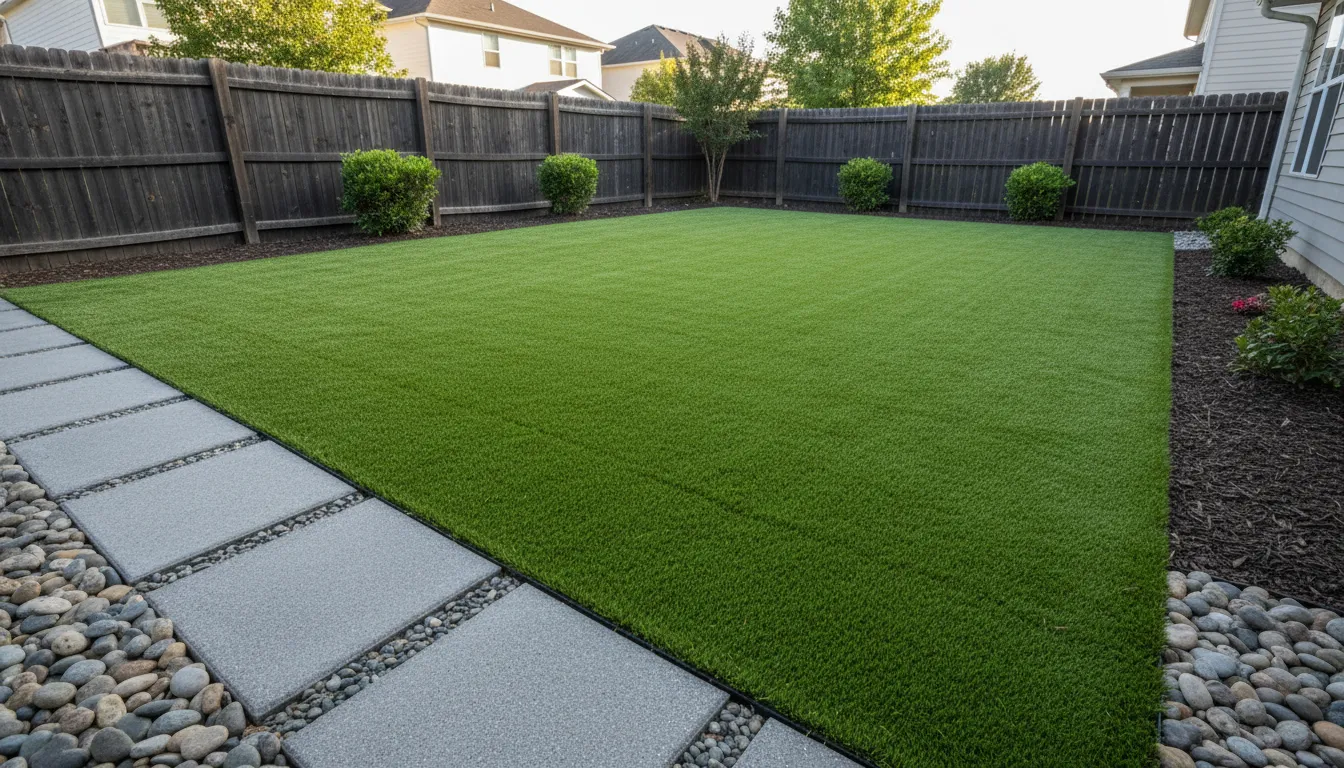
Artificial Turf is a manufactured surface made to look like grass. Modern versions are highly realistic and designed for durability. It eliminates the need for mowing, watering, and chemical treatments, making it an attractive option for areas with water restrictions, heavy shade, or high foot traffic where grass struggles. The upfront investment is higher, but long-term maintenance is minimal.
Optimal Timing for Installation in Rhode Island
Rhode Island's coastal climate offers specific windows for successful installation.
For natural sod, the ideal seasons are spring (April to June) and early fall (August to October). These periods provide the moderate temperatures and consistent moisture that new grass needs to establish strong roots before summer heat or winter frost sets in. Installing sod in the peak summer increases water stress, while winter installation is not recommended as the grass is dormant and may not root.
Artificial turf can be installed anytime the ground is not frozen or overly saturated. This provides much greater scheduling flexibility. Spring and fall are still popular for comfort, but a synthetic lawn project can often proceed in summer or during a dry winter spell.
Critical Site Preparation: The Foundation for Success
Proper preparation is the most crucial step for both sod and turf, ensuring drainage, stability, and longevity. Rushing this phase leads to problems like pooling water, uneven surfaces, or poor root establishment.
Preparing for Natural Sod
A healthy sod lawn starts with great soil. The goal is to create a loose, nutrient-rich, and level seedbed.
- Clear and Grade: Remove all existing vegetation, rocks, and debris. Grade the area to ensure a gentle slope (about 1-2%) away from your home's foundation and other structures to prevent water pooling 1.
- Test and Amend Soil: A soil test is highly recommended. Rhode Island soils often benefit from amendments. The ideal pH for grass is between 6.0 and 7.5 2. Based on test results, you may need to add lime to raise pH or sulfur to lower it. Incorporating 1-2 inches of compost improves soil structure and fertility 3.
- Till and Loosen: Use a rototiller to loosen the top 4 to 6 inches of soil. This breaks up compaction and allows new grass roots to penetrate easily 4.
- Final Grade and Firm: Rake the area smooth, removing any remaining clumps or stones. Use a lawn roller (filled one-third with water) to lightly firm the soil, creating a stable but not compacted surface. Check for and fill any low spots.
- Moisten Soil: Lightly water the prepared soil a day before sod delivery. This gives the sod a moist environment to start rooting into immediately.
Preparing for Artificial Turf
The base for artificial grass is designed for perfect drainage and a stable, level surface.
- Excavate: Remove 3 to 4 inches of existing soil and vegetation.
- Install Sub-Base: Add a 3-4 inch layer of crushed rock or gravel (often 3/8" minus gravel). This layer is critical for drainage. Compact it thoroughly with a plate compactor to create a solid, stable foundation 5.
- Add Leveling Layer: Spread a 1-inch layer of finer material like decomposed granite or stone dust over the compacted base. This creates a smooth, level surface for the turf to lie on. Compact this layer as well.
The Installation Process
With the site perfectly prepared, the installation can begin.
For Sod:
- Sod should be installed within 24 hours of delivery, ideally the same day. Unroll the slabs, staggering the seams in a brick-like pattern and butting edges tightly together without overlapping.
- Crucial First Step: Water the new sod thoroughly within 30 minutes of installation. The water should soak through the sod and into the prepared soil below.
For Artificial Turf:
- Roll out the turf sheets, allowing them to acclimate and relax. Trim and cut to fit the area precisely, leaving a slight margin for final trimming.
- Seam pieces together using manufacturer-recommended tape and adhesive for a nearly invisible join.
- Secure the perimeter with landscape spikes or nails.
- Spread infill material (typically silica sand or crumb rubber) evenly across the surface and brush it into the turf fibers. This helps the blades stand upright, adds weight, and protects the backing 6.
Find the perfect sod and turf lawn installers for your needs
Get personalized recommendations and expert advice
Post-Installation Care and Establishment
New Sod Care: The first two weeks are critical. Keep the sod consistently moist. Water daily, or even twice daily in hot weather, for the first 7-10 days, ensuring the soil beneath stays damp 3-4 inches deep 7. Avoid puddling. After two weeks, gently tug on the grass; if it resists, roots are establishing. Gradually reduce watering frequency and increase the amount to encourage deep roots. Avoid heavy foot traffic for the first 2-3 weeks, and hold off on mowing until the grass reaches about 3 inches tall 8.
Artificial Turf Care: After installation, simply brush the turf to evenly distribute the infill and help the fibers stand up. Routine maintenance involves occasionally rinsing off dust or debris, brushing to maintain loft, and promptly cleaning up pet waste. No watering, mowing, or fertilizing is ever needed 9.
Understanding Costs in Rhode Island
Costs can vary based on site accessibility, size, and material quality. Always get detailed quotes from local Rhode Island contractors for your specific project 10 11.
- Natural Sod (Professional Installation): The cost typically ranges from $0.86 to $1.75 per square foot. This price generally includes soil preparation, the sod itself, delivery, installation, and initial watering.
- Artificial Turf (Professional Installation): This is a larger upfront investment, usually ranging from $5.00 to $12.50 per square foot 12. The price includes site excavation, the engineered base materials, the synthetic turf product, infill, and professional installation. The long-term savings on water, fuel, and lawn care products can offset this initial cost over time.
Why Professional Expertise Matters
While DIY is possible, professional installers bring expertise that prevents costly mistakes. They correctly grade for drainage, know how to amend Rhode Island soils, have the right equipment for proper compaction, and understand the precise installation techniques for seamless sod or flawless turf. Their work often comes with a warranty, giving you peace of mind that your investment is protected.
Frequently asked questions
Sources
Footnotes
-
How to Install Sod: The Complete Guide to a Lush, Green Lawn - https://ctsod.com/f/sod-installation-tips?blogcategory=Sod+Installation ↩
-
Healthy Lawn Care - URI Home-A-Syst - https://web.uri.edu/safewater/protecting-water-quality-at-home/sustainable-landscaping/healthy-lawn-care/ ↩
-
Prepare Your Lawn for Sod Installation: A Step-By-Step Guide - https://www.southdallasturfandsupply.com/blog/prepare-your-lawn-for-sod/ ↩
-
Essential Steps for Preparing Your Yard for Sod Installation - https://southernlovelandscaping.com/2025/02/24/how-to-prepare-a-yard-for-sod-installation/ ↩
-
How to Prepare Ground for Artificial Turf Installation - https://www.turfkingz.com/articles/how-to-prepare-ground-for-artificial-turf ↩
-
Artificial Grass Guidelines - https://www.purchasegreen.com/artificial-grass/product-info/installation/guidelines ↩
-
How do I sod my lawn? - New England Turf - http://www.newenglandturf.com/how-do-i-sod-my-lawn/ ↩
-
Soil Preparation - Seven Cities Sod - https://sevencitiessod.com/installation/soil-preparation/ ↩
-
Lawn Maintenance Guidelines from the RI Water Resources Board - https://wrb.ri.gov/lawnmaintenance/index.html ↩
-
Statewide Lawn Management Guidelines - RI Water ... - https://wrb.ri.gov/policy_guidelines_lawnmanagement.html ↩
-
Sod Installation Guide | Turf Inc RI Turf and Sod Farm - https://turf-inc.com/sod-installation/ ↩
-
The Essential Residential Artificial Turf Installation Guide - https://www.turftekusa.com/blog/the-essential-residential-artificial-turf-installation-guide ↩