Find the Best Sod and Turf Lawn Installers for Your Business
No obligation • Fast responses • Nationwide coverage

Why you can trust Landscape Atlas
Landscape Atlas is a leading United States resource for evaluating landscaping, lawn care, and outdoor service providers. Our team researches each category in depth, focusing on service quality, safety, and customer experience. Listings and rankings are based on independent criteria and user feedback, and companies cannot pay to influence our assessments or recommendations.
Search providers near you
Best Sod and Turf Lawn Installers in Washington Ranked
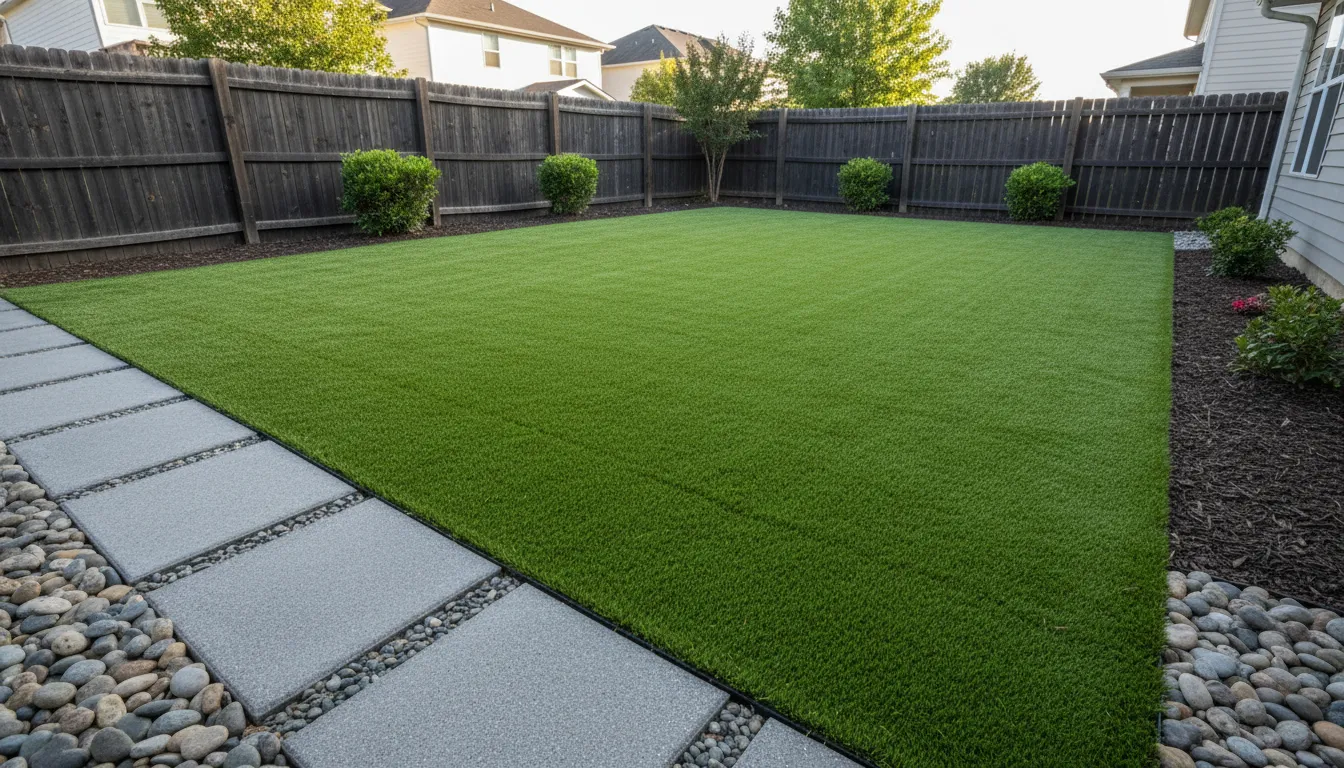
A lush, green lawn can transform your Washington property, providing a beautiful space for relaxation and play. New lawn installation, whether with natural sod or modern artificial turf, is a significant investment that requires careful planning and proper execution to ensure long-term success. This guide provides essential information on the process, timing, costs, and maintenance for both options, helping you connect with qualified local professionals who understand the unique climate and soil conditions of the Evergreen State.
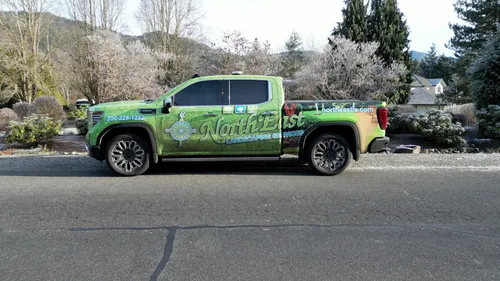
North East Landscaping Services
12259 155th Ave SE, Renton, WA 98059
North East Landscaping Services is a family-owned landscaping company with over 20 years of experience serving residential and commercial clients in Seattle, WA. They provide a comprehensive range of outdoor services including lawn care, fertilization, weed control, sod and artificial turf installation, fence and deck construction, landscape lighting, tree services, yard drainage, sprinkler installation and repair, as well as hardscaping like pavers and retaining walls. The company emphasizes quality workmanship and building lasting relationships with clients, handling projects of all sizes with care and honesty.
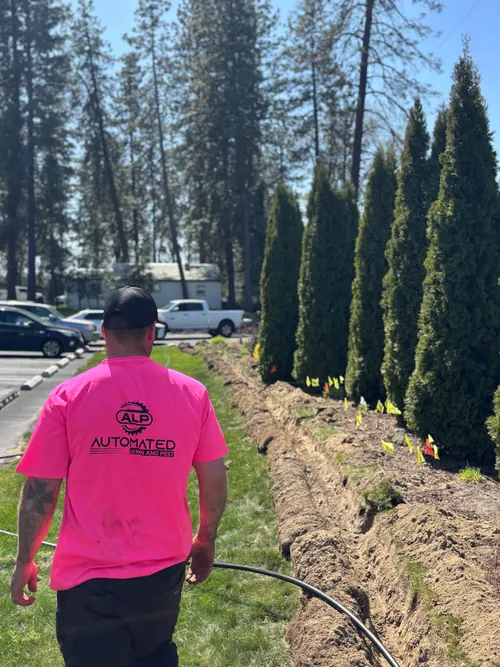
Automated Lawn & Pest, LLC
1908 E Mallon Ave, Spokane, WA 99202
Automated Lawn & Pest, LLC is a locally owned lawn care and pest control company based in Spokane, WA. Founded in 2021, they provide a wide range of services including lawn mowing, fertilization, weed control, pest management, sprinkler installation and repair, landscape design and construction, sod installation, and tree services. Serving both residential and commercial clients in Spokane and Coeur d'Alene, the company emphasizes tailored solutions and environmentally friendly practices. One notable capability is their comprehensive vegetation management, which includes targeted shrub bed weed control to maintain healthy and attractive landscapes. Automated Lawn & Pest also offers full-service yard cleanups and seasonal snow removal, supporting year-round property maintenance.
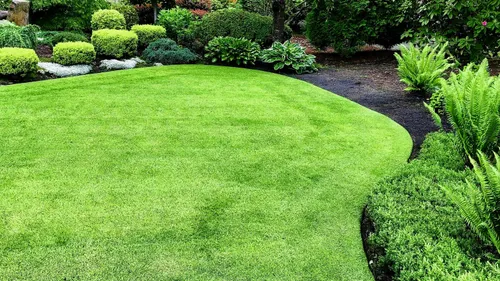
Green City Lawn Care
7021 NE 182nd St, Kenmore, WA 98028
Green City Lawn Care is a lawn and landscape maintenance company based in Seattle, WA, serving North/Northeast King County and South Snohomish County. They offer a variety of services including lawn mowing, pruning, landscape design, sod installation, and aerating to maintain and improve outdoor spaces. Their expertise includes professional sod installation to create lush, green lawns. Green City Lawn Care focuses on customer communication and care to meet client needs.
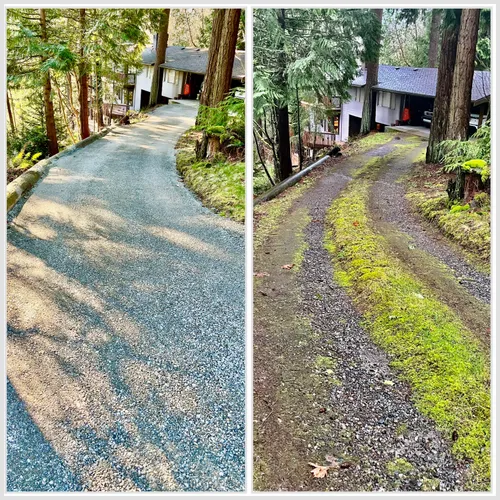
Precision Landscape LLC
16203 122nd Ave SE, Renton, WA 98058
Precision Landscape LLC is a landscaping company based in Seattle, WA, offering a wide range of services including sod installation, artificial turf, tree removal, stump grinding, yard drainage, grading, land clearing, and brush removal. Serving residential and commercial clients throughout King County, they provide customized landscaping solutions supported by specialized equipment to improve efficiency and project outcomes. Their capabilities include comprehensive tree services and land clearing to prepare properties for various uses. With over 15 years of experience, Precision Landscape LLC is licensed, bonded, and insured to handle diverse landscaping needs.
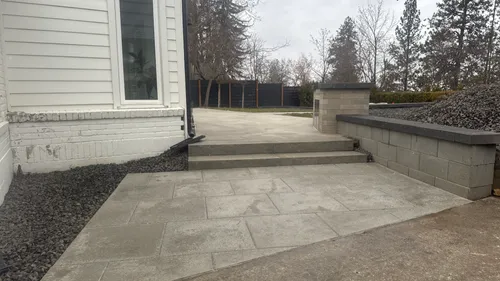
Cornerstone Landscape, LLC
Spokane, WA
Cornerstone Landscape, LLC is a landscaping company based in Spokane, WA, offering a wide range of services including sod and artificial turf installation, fence installation, landscape design, sprinkler system installation and repair, and hardscaping such as patios and retaining walls. They serve residential clients in Spokane and the surrounding areas, providing custom outdoor living spaces like pergolas and waterfall features. Their expertise includes comprehensive patio services and sprinkler system maintenance, ensuring well-designed and functional outdoor environments.
Understanding Your Options: Natural Sod vs. Artificial Turf
Choosing between natural sod and synthetic turf is the first major decision. Each has distinct advantages and considerations, particularly in Washington's varied climate.
Natural Sod provides an instant, living lawn. It cools the air, produces oxygen, and feels soft underfoot. In Washington, cool-season grass varieties like Kentucky Bluegrass, Perennial Ryegrass, and Fine Fescues are commonly used because they thrive in the region's temperate, wet winters and drier summers. The key to success is matching the grass type to your specific location-whether it's the wetter western side or the drier eastern side of the state.
Artificial Turf offers a consistently green, low-maintenance surface that requires no mowing, watering, or fertilizing. It's an excellent solution for areas with heavy shade, poor soil, or for homeowners seeking to significantly reduce their outdoor water usage. Modern synthetic grass looks remarkably realistic and is durable enough for active families and pets. The initial investment is higher, but it can pay off over time through reduced maintenance costs and water savings.
The Critical Role of Soil Preparation
Regardless of which option you choose, proper ground preparation is the single most important factor for a successful and long-lasting installation. Skipping or rushing this step can lead to drainage problems, uneven surfaces, and premature failure of your new lawn.
Step-by-Step Site Preparation
- Clear and Grade: Begin by removing all existing grass, weeds, rocks, and debris. This is a crucial step to prevent old growth from competing with your new lawn. Next, grade the soil to ensure water drains away from your home's foundation. The final grade should be about 1 inch below any adjacent hardscapes, like sidewalks or driveways, to accommodate the thickness of the new sod or turf 1.
- Till and Amend: Use a rototiller to loosen compacted soil to a depth of at least 2 inches. This allows for better root growth and water penetration. For natural sod, amending the soil is vital. Incorporate 4 to 6 inches of a high-quality topsoil and compost mix into the native soil. This improves fertility, drainage, and provides a healthy environment for grass roots to establish 2 3.
- Level and Compact: After tilling and amending, rake the area smooth to eliminate high and low spots. Lightly water the soil to help it settle, then use a lawn roller (filled halfway with water) to create a firm, level base. Repeat the process of raking, watering, and rolling until the surface is perfectly even and firm.
Find the perfect sod and turf lawn installers for your needs
Get personalized recommendations and expert advice
Installing Natural Sod in Washington
Best Time for Installation
Timing is everything with natural grass. In Washington, the ideal windows are during the moderate temperatures of spring (mid-April through June) and early fall (September through October). The soil is warm enough for rapid root growth, and seasonal rains help with establishment, reducing the need for constant manual watering. Avoid installing sod during the heat of summer or the freezing temperatures of winter 4.
The Installation Process
Once your soil is prepared, lay the sod rolls in a staggered brick-like pattern, ensuring all seams are tight together. Avoid stretching the sod. Use a sharp knife to trim around curves and obstacles. Immediately after installation, roll the entire lawn again to ensure good soil-to-sod contact. Apply a starter fertilizer high in phosphorus to encourage strong root development 5.
Critical Post-Installation Care
The first two weeks are crucial. Your new sod needs deep, infrequent watering to encourage roots to grow downward. Water immediately after installation, soaking the soil to a depth of 4 to 6 inches. For the first 7-10 days, water once or twice daily to keep the sod and top 2 inches of soil consistently moist (but not soggy). Avoid walking on the sod during this period. After about two weeks, you can gently tug on the grass; if it resists, roots have begun to establish. You can then gradually reduce watering frequency 6.
Installing Artificial Turf in Washington
Emphasizing Drainage
Washington's famous rainfall makes drainage the paramount concern for artificial turf installation. A professional installation will include excavating several inches of soil, compacting a sub-base, and installing a layer of crushed rock or gravel (often called "class II road base") that is meticulously graded and compacted. A geotextile weed barrier is typically laid on top before the turf is secured. This complex base system is designed to allow water to percolate through the turf and drain away quickly, preventing puddles and mud.
Installation and Infill
The synthetic grass is rolled out, trimmed, and seamed together. It is then secured around the perimeter with nails or staples. Silica sand or crumb rubber infill is brushed into the turf blades. This infill weighs down the turf, helps the blades stand upright, and provides cushioning. A professional installer will have the tools and expertise to create invisible seams and a perfectly natural-looking finish.
Cost Considerations for Washington Homeowners
Understanding the cost breakdown helps in budgeting for your project. Prices can vary based on yard size, accessibility, and the quality of materials.
- Natural Sod (DIY): If you prepare the site yourself, the cost is primarily for materials. Sod typically costs $0.30 to $0.85 per square foot, plus delivery. You would also need to rent tools like a sod cutter, rototiller, and lawn roller.
- Natural Sod (Professional Installation): A full-service professional installation, including site prep, materials, and labor, generally ranges from $1,000 to $6,000 for an average-sized yard. This cost reflects the significant labor involved in proper soil preparation and installation.
- Artificial Turf (Professional Installation): This is a more substantial investment due to the materials and intensive site work required. In Washington, expect to pay between $12 and $25 per square foot for a complete, high-quality installation. For an average lawn, total project costs often fall between $12,000 and $25,000. This price includes excavation, the drainage base, premium turf, infill, and labor 7 8.
Maintaining Your Washington Lawn
For Natural Sod: After establishment, transition to a deep watering schedule of about 1 inch of water per week, which encourages drought-tolerant roots. Mow regularly with a sharp blade, never removing more than one-third of the grass height. Fertilize based on soil test recommendations, typically in spring and fall. Aerate compacted areas annually to improve air and water movement 9.
For Artificial Turf: Maintenance is minimal but important. Regularly remove leaves and debris with a leaf blower or plastic rake. Rinse the turf occasionally to remove dust and pollen. Brush the turf fibers against the grain once a month to keep them standing upright. For pet owners, solid waste should be picked up, and the area can be rinsed with water or a mild, turf-safe disinfectant.
Frequently asked questions
Sources
Footnotes
-
Soil Preparation For A Beautiful Lawn - https://www.awsod.com/keep-in-touch-with-site-visitors-and-boost-loyalty ↩
-
How to Prepare Your Soil for a Successful Sod Installation? - https://mccallsodfarm.net/how-do-i-install-a-new-lawn/ ↩
-
Soil Preparation - Seven Cities Sod - https://sevencitiessod.com/installation/soil-preparation/ ↩
-
What's the Best Time of Year to Plant Grass in Washington? - https://ncountylandscape.com/blog/best-time-of-year-to-plant-grass/ ↩
-
How to Install Sod | Washington Sod and Turf - https://www.washingtonsod.com/how-to-install-sod ↩
-
Sod Installation in Spokane, WA | The Grounds Guys - https://www.groundsguys.com/spokane/residential-services/lawn-bed-maintenance/sod-installation/ ↩
-
How Much Does Artificial Grass Cost? | Seattle, Bellevue & The ... - https://www.syntheticturfnorthwest.com/how-much-does-artificial-grass-cost/ ↩
-
Learn How Much Synthetic Turf Installation Costs in 2025 - https://syntheticturfofpugetsound.com/blog/average-cost-for-synthetic-turf-installation-in-tacoma ↩
-
Ecologically Sound Lawn Care for the Pacific Northwest - https://www.seattle.gov/documents/Departments/SPU/EnvironmentConservation/Archive/ecological_200312021255394.pdf ↩