Find the Best Sod and Turf Lawn Installers for Your Business
No obligation • Fast responses • Nationwide coverage

Why you can trust Landscape Atlas
Landscape Atlas is a leading United States resource for evaluating landscaping, lawn care, and outdoor service providers. Our team researches each category in depth, focusing on service quality, safety, and customer experience. Listings and rankings are based on independent criteria and user feedback, and companies cannot pay to influence our assessments or recommendations.
Search providers near you
Best Sod and Turf Lawn Installers in West Virginia Ranked
A lush, green lawn can transform your West Virginia property, providing a beautiful space for family activities and enhancing your home's curb appeal. Whether you're starting from scratch or renovating a tired yard, installing new sod or artificial turf is a significant project that requires careful planning and proper technique. This guide covers the essential steps, from choosing the right grass for the Mountain State's climate to preparing your soil and ensuring long-term success, helping you connect with the knowledge and local professionals needed for a flawless result.
Choosing Between Sod and Artificial Turf in West Virginia
The first major decision is selecting the right surface for your lifestyle and property. Each option offers distinct advantages and considerations, especially within West Virginia's unique climate.
Natural Sod provides the classic look and feel of a real grass lawn. For West Virginia, cool-season grasses like Kentucky Bluegrass, Tall Fescue, and Perennial Ryegrass are the standard choices, as they thrive in temperatures between 60-75°F. These grasses offer a resilient, living surface but require consistent maintenance, including regular mowing, fertilization, and a dedicated watering schedule. They are best for homeowners who enjoy gardening and want a traditional lawn that can handle foot traffic and play.
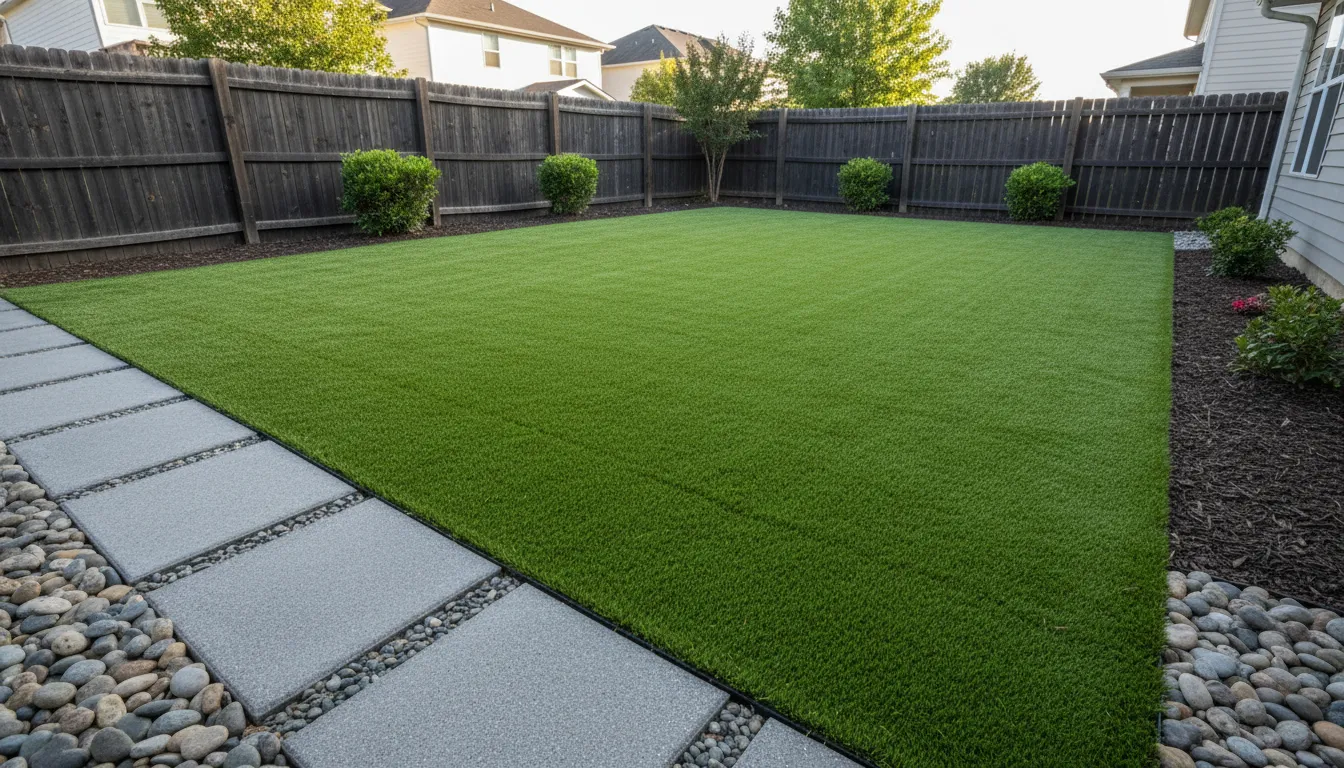
Artificial Turf, on the other hand, offers a modern, low-maintenance solution. It requires zero watering, no mowing, and stays green year-round, making it an excellent choice for water conservation and for properties with challenging conditions like steep slopes or heavy shade. The initial investment is higher, but the long-term savings on water bills and lawn care products can be substantial. It's ideal for those seeking a pristine appearance with minimal upkeep.
Understanding West Virginia's Climate for Lawn Success
West Virginia's humid continental climate presents specific considerations for lawn installation. Summers can be warm and occasionally humid, while winters are cold. This climate is perfectly suited for cool-season grasses, which experience their peak growth in the spring and fall.
However, these grasses can experience stress during hot, dry summer periods. When choosing a sod variety, opt for heat- and drought-tolerant cultivars of Tall Fescue or Kentucky Bluegrass to improve summer resilience. Proper soil preparation and a consistent watering plan are critical to helping your new lawn survive its first summer. For artificial turf, the climate is less of a factor, though proper drainage in the base layer is essential to handle West Virginia's rainfall and prevent pooling.
The Critical First Step: Soil Preparation
Regardless of whether you choose sod or turf, success is rooted in the ground beneath it. Skipping or skimping on soil prep is the leading cause of lawn failure. A proper base ensures drainage, provides nutrients, and creates a stable foundation.
1. Clear the Area: Begin by removing all existing grass, weeds, rocks, and debris. This can be done with a sod cutter, shovel, or non-selective herbicide, followed by tilling. A completely clean slate is crucial 1 2.
2. Test and Amend the Soil: This is a vital step often overlooked. Contact your local WVU Extension office for a soil test kit. The test will reveal your soil's pH and nutrient levels. Most grasses prefer a pH between 6.0 and 7.0. If your soil is too acidic (common in WV), you'll need to add lime. If it's alkaline, sulfur may be required. Based on the test results, you'll also know what fertilizers to incorporate.
3. Add Organic Matter: Improve soil structure, drainage, and nutrient-holding capacity by tilling in 2-4 inches of compost, well-rotted manure, or topsoil across the entire area 3 4. This is especially important for heavy clay soils common in parts of the state.
4. Till and Grade: Use a rototiller to mix the amendments into the top 4 to 6 inches of soil. After tilling, use a landscape rake and a leveling tool to grade the surface. The final grade should have a gentle slope of about 2% (a 2-inch drop over 8 feet) away from your home's foundation and other structures to ensure proper drainage 5 6.
5. Final Compaction and Smoothing: For a sod installation, lightly roll the area with a lawn roller to firm the soil and reveal any low spots that need filling. The goal is a firm but not concrete-like surface. For artificial turf, the compaction process is more rigorous and follows the creation of a stone base.
Find the perfect sod and turf lawn installers for your needs
Get personalized recommendations and expert advice
Installation Process: Sod vs. Artificial Turf
The installation methods diverge significantly after soil preparation.
Installing Natural Sod
- Timing: Lay sod as soon as it's delivered, ideally on a cool, overcast day. Spring and early fall are the best seasons in West Virginia.
- Layout: Start along a straight edge, like a driveway or sidewalk. Stagger the seams in a brick-like pattern to avoid continuous lines. Ensure pieces are snug but not overlapping.
- Watering: This is the most critical step. Water the newly laid sod immediately and deeply. The goal is to moisten the soil beneath to a depth of 3-4 inches. For the first week, the sod and soil must never dry out.
Installing Artificial Turf
- Base Construction: After grading, install a 2-4 inch base of compacted crushed rock or gravel (often Class II road base or decomposed granite). This layer must be meticulously leveled and compacted with a plate compactor to create a stable, permeable foundation 7.
- Turf Roll-Out: Unroll the turf and let it acclimate. Trim edges to fit your space. Seams are joined with specialized seam tape and adhesive.
- Securing and Infill: Secure the perimeter with landscape spikes or nails. Then, spread silica sand or crumb rubber infill across the surface and use a power broom to brush it into the turf blades. This weighs down the turf, keeps blades upright, and provides cushioning 8.
Watering and Initial Care Schedule
Proper aftercare ensures your investment takes root and thrives.
New Sod Watering Schedule:
- First 3 Days: Apply approximately 1 inch of water total per day, split into 3-4 short watering sessions to prevent runoff and ensure deep penetration 9 10.
- Days 4-7: Reduce to about 1/2 inch of water every other day, monitoring soil moisture.
- Week 2 Onward: Transition to deeper, less frequent watering to encourage deep root growth. Ensure the soil stays moist 3-4 inches deep.
- First Mow: Wait until the grass reaches about 3.5 inches tall and mow no more than 1/3 of the blade height.
Artificial Turf Care:
- Watering: None required for the grass. Occasionally rinse the surface to remove dust or pollen.
- Maintenance: Regularly brush the turf with a stiff broom or power broom to keep blades standing upright. Remove leaves and debris to maintain drainage and appearance.
Cost Considerations for West Virginia Homeowners
Understanding the cost factors helps in budgeting for your project. Prices can vary based on site accessibility, slope, and the quality of materials chosen.
- Natural Sod Installation: The total installed cost typically ranges from $2 to $5+ per square foot in the West Virginia region. This price usually includes soil preparation (amendments may be extra), the sod itself, delivery, labor for installation, and initial watering 11.
- Artificial Turf Installation: This is a more significant initial investment, with total installed costs generally ranging from $8 to $20+ per square foot. This comprehensive cost covers site preparation, the engineered stone base, the turf material, seam installation, infill, and labor 12 13. The wide range accounts for the quality and pile height of the turf, the complexity of the base work, and the project size.
Frequently asked questions
Sources
Footnotes
-
Essential Steps for Preparing Your Yard for Sod Installation - https://southernlovelandscaping.com/2025/02/24/how-to-prepare-a-yard-for-sod-installation/ ↩
-
Prepare Your Lawn for Sod Installation: A Step-By-Step Guide - https://www.southdallasturfandsupply.com/blog/prepare-your-lawn-for-sod/ ↩
-
Soil Preparation - Seven Cities Sod - https://sevencitiessod.com/installation/soil-preparation/ ↩
-
Why every New Lawn Installation needs Soil Preparation - https://westernturffarms.com/news/why-soil-preparation-is-a-great-idea-for-a-new-lawn-installation/ ↩
-
The Essential Residential Artificial Turf Installation Guide - https://www.turftekusa.com/blog/the-essential-residential-artificial-turf-installation-guide ↩
-
Establishing a Lawn - WVU Extension - West Virginia University - https://extension.wvu.edu/lawn-gardening-pests/lawn/establishing-a-lawn ↩
-
How to Prepare Ground for Artificial Turf Installation - https://www.turfkingz.com/articles/how-to-prepare-ground-for-artificial-turf ↩
-
New Lawn Installation: How to Plant Grass - Landscaping Network - https://www.landscapingnetwork.com/lawns/installing.html ↩
-
DIY Guide: How to Prepare Soil for Sod Installation in Virginia - https://www.meadowsfarms.com/blog/lawn-sod-preparation-maintenance/ ↩
-
Water Requirements - A Guide On Watering Your New Grass - https://www.turfmastersod.com/water-requirements ↩
-
Sod Prices: 7 Factors to Evaluate the Installation Cost - https://falconslandscaping.com/blog/sod-prices-how-much-is-sod/ ↩
-
Complete 2022 Guide to Artificial Grass - Solid Structures - https://solidstructuresva.com/artificial_grass/ ↩
-
Artificial Grass Installation Cost | Artificial Turf Cost - https://www.fixr.com/costs/artificial-grass-installation ↩