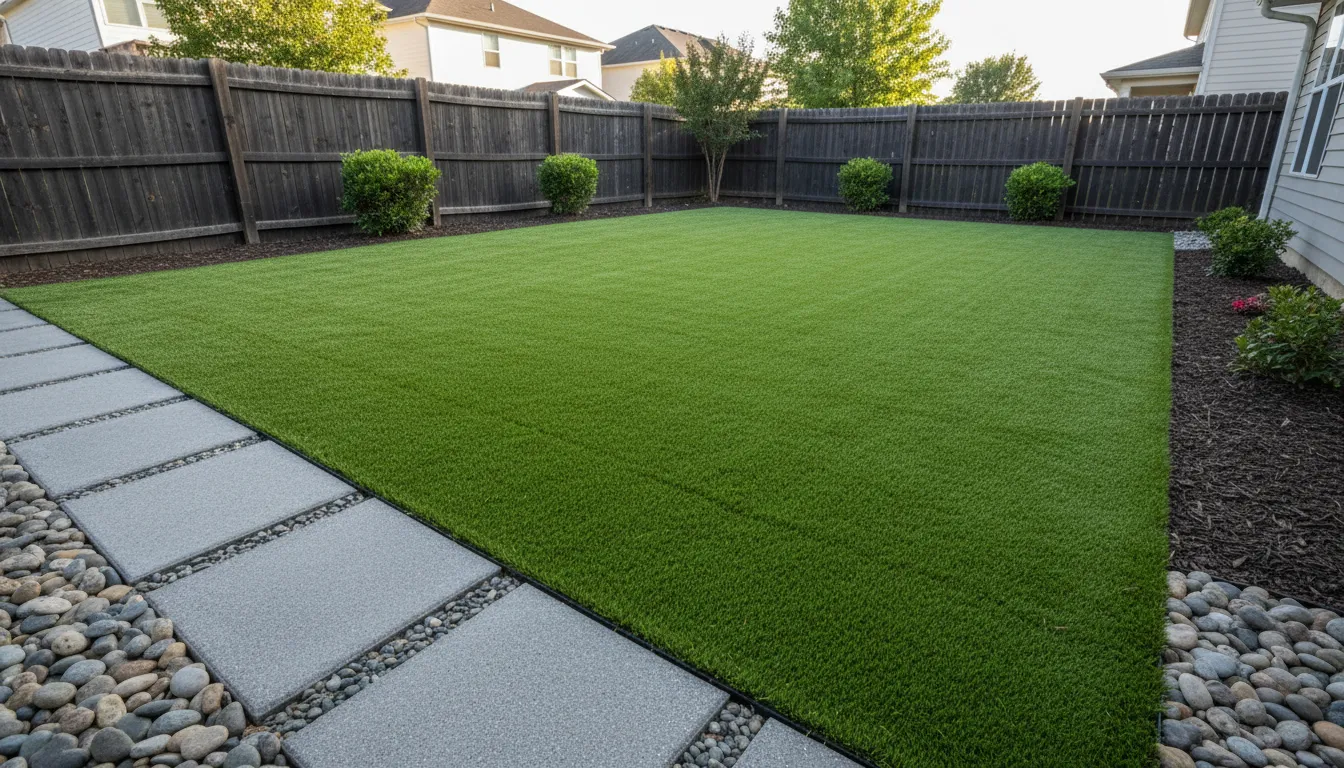
Find the Best Sod and Turf Lawn Installers for Your Business
No obligation • Fast responses • Nationwide coverage

Why you can trust Landscape Atlas
Landscape Atlas is a leading United States resource for evaluating landscaping, lawn care, and outdoor service providers. Our team researches each category in depth, focusing on service quality, safety, and customer experience. Listings and rankings are based on independent criteria and user feedback, and companies cannot pay to influence our assessments or recommendations.
Search providers near you
Best Sod and Turf Lawn Installers in Colorado Ranked
Installing a new lawn in Colorado is a significant investment that can dramatically enhance your property's beauty and value. Whether you choose natural sod or synthetic turf, the key to long-term success lies in meticulous site preparation and selecting the right materials for Colorado's unique climate. This guide provides a detailed overview of the process, costs, and considerations for both sod and turf installation, helping you understand what to expect and how to find qualified local professionals for your project.
Grass!365 Denver
5180 Fox St Ste 5, Denver, CO 80216
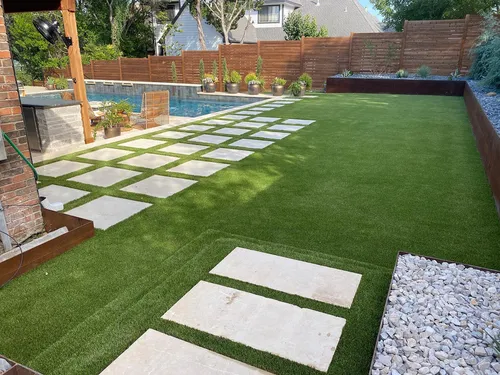
Grass!365 Denver specializes in artificial turf installation for residential and commercial properties in Denver, CO. They offer a range of synthetic grass solutions including playground surfaces, sports fields, pet turf, and backyard putting greens. With expertise in durable and fast-draining turf systems, they design installations that withstand Denver's seasonal weather and provide low-maintenance, year-round green spaces. Operating since 2008, Grass!365 Denver brings over 25 years of global experience in turf installation combined with local knowledge. The company is locally owned and emphasizes quality craftsmanship and customer communication.
Hawkins Brothers Lawn and Sprinkler, Inc.
23700 E Alameda Ave, Aurora, CO 80018
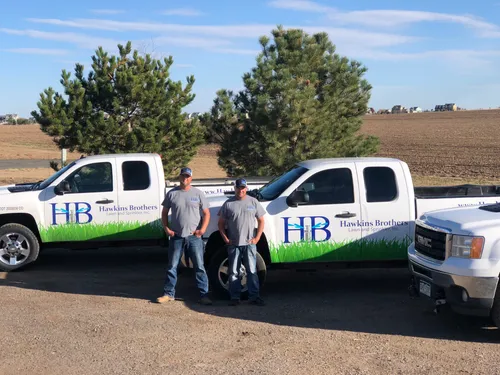
Hawkins Brothers Lawn and Sprinkler, Inc. has been serving Denver, CO, and nearby areas for 29 years. They offer a full range of lawn care services including lawn mowing, sod and artificial turf installation, as well as sprinkler system installation and repair. Their team brings over 60 years of combined experience, focusing on reliable scheduling with one-hour appointment windows to minimize wait times.
Alpine Landscaping LLC
1618 Calvert Ave, Colorado Springs, CO 80904
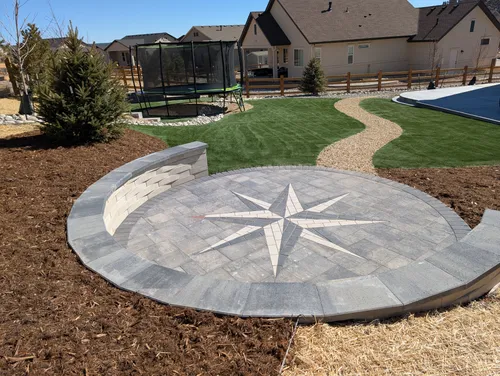
Alpine Landscaping LLC is a landscaping company based in Colorado Springs, CO, offering a wide range of services including landscape design, sod and xeriscaping installation, hardscaping, tree services, irrigation, and outdoor lighting. They specialize in creating sustainable, water-efficient landscapes using native plants and smart irrigation techniques. Their expertise includes custom patios, retaining walls, fire pits, outdoor kitchens, and artificial turf installation, designed to enhance both residential and commercial outdoor spaces. The company uses 3D modeling to help clients visualize projects before installation and provides solutions for challenging terrain and drainage issues.
Birdies Landscape & Lighting
Denver, CO
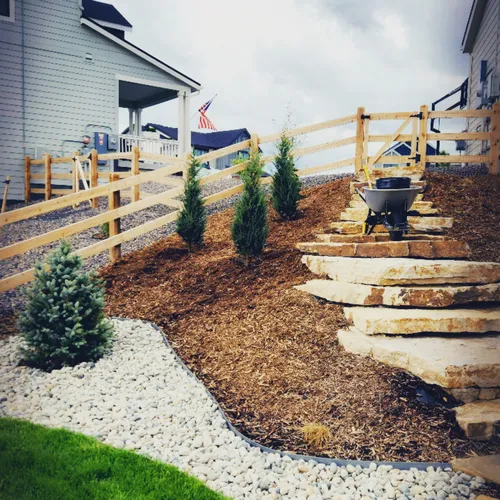
Birdies Landscape & Lighting is a landscaping and outdoor lighting company serving Denver, CO. They provide a wide range of services including landscape design and installation, sod installation, fence installation, hardscaping with paver patios and retaining walls, stump grinding, and professional Christmas light installation. Their hardscaping work is noted for using a thicker, more compacted base to ensure long-term stability. The company has multiple years of experience maintaining and enhancing outdoor spaces for both homes and businesses in the area.
My Son’s Landscape Group
679 S Reed Ct, Lakewood, CO 80226
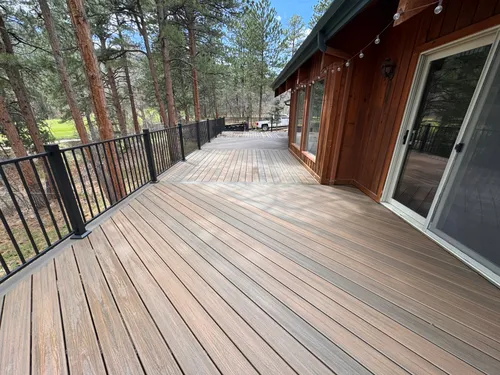
My Son's Landscape Group is a landscaping and fencing company based in Denver, CO. They specialize in landscape design, installation, and maintenance, as well as fence installation, sprinkler system services, artificial turf installation, and hardscaping including pavers and retaining walls. The company focuses on sustainable landscaping practices tailored to Denver's unique flora and offers ongoing landscape maintenance to keep outdoor spaces well-maintained over time.
Understanding Your Options: Natural Sod vs. Artificial Turf
Choosing between a living lawn and a synthetic one is the first major decision. Each has distinct advantages and maintenance profiles suited to different lifestyles and Colorado's semi-arid environment.
Natural Sod provides a classic, living lawn that cools the air and feels soft underfoot. In Colorado, successful sodding requires selecting drought-tolerant grass varieties like Tall Fescue or Buffalograss that can withstand dry spells and temperature fluctuations 1 2. The establishment phase is water-intensive, requiring deep, frequent watering to encourage strong root growth before the ground freezes. Once established, it requires regular mowing, fertilizing, and seasonal care.
Artificial Turf offers a consistently green, low-maintenance surface that requires no mowing or regular watering. It's an excellent option for areas with poor growing conditions, heavy use, or for homeowners seeking to conserve water. Modern synthetic grass looks more realistic than ever and primarily needs periodic rinsing to remove dust and debris. It can be installed in almost any season, as it doesn't need time for roots to establish before winter.
Critical Site Preparation for Any Lawn
Proper ground preparation is the most crucial step for both sod and turf, ensuring drainage, stability, and longevity. Skipping or rushing this phase is the leading cause of lawn failure.
Clearing and Grading: The process begins by removing all existing vegetation, rocks, and debris. The next step is to establish a "rough grade," ensuring the soil slopes gently away from your home's foundation and other structures to prevent water pooling. This grade is critical in Colorado to manage spring runoff and summer storms.
Soil Preparation for Sod: For natural grass, soil health is paramount. The subsoil should be tilled to a depth of 4 to 6 inches to loosen compaction. Colorado's native soils often benefit from amending with 2 to 4 inches of compost or other organic matter, which improves aeration, nutrient content, and water retention 3 4. After amending, the area is raked level and firmed, creating a smooth seedbed that sits about half an inch below surrounding sidewalks or driveways. Lightly watering this prepared soil a day before sod delivery helps with firming and gives the sod a moist bed to root into.
Base Preparation for Artificial Turf: Synthetic grass requires a stable, permeable base. This involves excavating the area to a depth sufficient for base materials-typically 4 to 6 inches. A layer of crushed rock or gravel is installed and compacted, followed by a layer of finer material like decomposed granite. This multi-layer base provides critical drainage, preventing water from pooling on the synthetic surface.
The Installation Process
With the site perfectly prepared, the installation of your chosen material can begin.
Laying Natural Sod: Sod must be installed immediately upon delivery. Rolls are laid in a staggered, brick-like pattern to avoid long, continuous seams. Each piece is patted down firmly to ensure good soil contact and eliminate air pockets that can dry out roots. The most critical step happens immediately after: a thorough, deep watering to soak both the sod and the soil beneath it.
Installing Synthetic Turf: Rolls of artificial grass are laid out, trimmed to fit the space, and seamed together. The perimeter is securely fastened. Finally, an infill material-usually silica sand or a sand/rubber mix-is spread across the surface and brushed into the turf blades. This infill weighs down the turf, helps the blades stand upright, and contributes to the surface's feel and durability.
Find the perfect sod and turf lawn installers for your needs
Get personalized recommendations and expert advice
Cost Considerations for Colorado Lawns
The total investment for a new lawn varies widely based on size, materials, site complexity, and labor. Understanding the cost components helps in budgeting.
Natural Sod Costs: The price for sod itself typically ranges from $1.50 to over $4.00 per square foot, depending on the grass variety 5. However, the installed cost, which includes site preparation, labor, and initial fertilization, generally ranges from $4 to $10 or more per square foot. Factors like adding or modifying irrigation systems, difficult site access, or significant soil amendment needs will increase the total project cost.
Artificial Turf Costs: Synthetic grass has a higher upfront material and installation cost. Installed prices in Colorado typically range from $10 to $20 or more per square foot 6 7. This comprehensive cost includes excavation, the multi-layer base, the turf material, infill, and labor. While more expensive initially, the long-term savings on water, fertilizer, and lawn care equipment can offset the investment over time.
Climate and Seasonal Timing
Colorado's climate plays a defining role in lawn installation planning.
Best Time for Sod Installation: The ideal windows are late spring (after the last frost) and early fall. These periods provide warm soil for root growth and more moderate temperatures, reducing the stress of establishment watering. Installing sod in the heat of summer requires vigilant, multiple-times-daily watering to prevent the new grass from drying out and dying 8. The goal for fall installation is to have the sod firmly rooted before the first hard freeze.
Artificial Turf Installation: Synthetic grass installation is less constrained by season, as it doesn't involve living plants. It can be installed whenever the ground is not frozen, allowing for more flexible project scheduling. Warmer, drier months are often preferred for ease of working with the base materials.
Long-Term Maintenance and Care
Your responsibilities shift from installation to care once the project is complete.
New Sod Care: The first two weeks are critical. New sod requires heavy watering-often multiple times per day-to keep the soil consistently moist several inches down. Gradually, over several weeks, watering frequency is reduced while increasing the depth of watering to train roots to grow deep into the soil, creating a more drought-resistant lawn 9 10. Avoid heavy foot traffic and mowing until the sod is firmly rooted (typically 2-3 weeks).
Artificial Turf Care: Maintenance is minimal but important. Regularly rinse the surface to remove dust, pollen, and pet waste. Periodically brush the turf fibers to keep them standing upright. Inspect seams and edges annually. While it doesn't need water to live, an occasional rinse on hot days can help cool the surface.
Finding the Right Professional
Given the complexity and importance of proper preparation and installation, working with an experienced professional is highly recommended. Look for providers with specific experience in Colorado's soil and climate conditions. They should be able to clearly explain their preparation process, provide detailed quotes, offer guidance on material selection, and show examples of past work. A reputable installer will also handle necessary permits and ensure the project complies with local water-use regulations, which can be particularly important for sod installations in some Colorado municipalities.
Frequently asked questions
Sources
Footnotes
-
The Best Grass Types for Colorado: Pros, Cons, and Rankings - https://www.americanturfandtreecare.com/blog/best-grass-types-colorado ↩
-
The Ultimate Guide to Sod and Seed in Your Colorado Lawn - https://www.fisklawnscapes.com/blog/guide-to-sod-and-seed-your-lawn ↩
-
Prepare Soil For Sod | Complete Guide From Ideal Rockaway! - https://idealrockaway.com/blog/how-to-prepare-soil-for-sod-complete-guide/ ↩
-
Laying Sod & How to Prepare Soil For Sod | The Home Depot - https://www.youtube.com/watch?v=eWHdd7omgDs&t=19 ↩
-
The Cost of Sod - What's the price in 2025? - https://renoquotes.com/en/blog/landscaping-price-peat ↩
-
Ground Prep & Sod Installation Instructions - https://www.horizonturfnursery.com/ground-prep-sod-installation-instructions/ ↩
-
Artificial Grass Los Angeles Guide: Installation, Purchase, Maintenance - https://www.installartificial.com/how/artificial-grass-los-angeles-guide-installation-purchase-maintenance ↩
-
Achieving a Great Lawn in Denver and Fort Collins - Korby Sod - https://korbysod.com/sod-installation-guide-achieving-a-great-lawn/ ↩
-
1517 - Sodding a Lawn - PlantTalk Colorado - https://planttalk.colostate.edu/topics/lawns/1517-sodding-lawn/ ↩
-
Denver Metro Colorado Springs Sod - Sod Care - The Sod Guy - https://www.thesodguy.com/sod-care/ ↩