Find the Best Sod and Turf Lawn Installers for Your Business
No obligation • Fast responses • Nationwide coverage

Why you can trust Landscape Atlas
Landscape Atlas is a leading United States resource for evaluating landscaping, lawn care, and outdoor service providers. Our team researches each category in depth, focusing on service quality, safety, and customer experience. Listings and rankings are based on independent criteria and user feedback, and companies cannot pay to influence our assessments or recommendations.
Search providers near you
Best Sod and Turf Lawn Installers in North Dakota Ranked
Transforming a patch of dirt or an old, tired lawn into a vibrant, green space is a major upgrade for any North Dakota property. Whether you choose the instant gratification of sod or the low-maintenance appeal of artificial turf, a new lawn installation is a significant project that requires careful planning and execution. This guide will walk you through the key considerations, preparation steps, and maintenance needs for both sod and turf in North Dakota's unique climate, helping you understand the process so you can connect with the right local expertise for your project.
Understanding Your Options: Natural Sod vs. Artificial Turf
The first and most critical decision is choosing between a natural grass lawn and a synthetic one. Each has distinct advantages and considerations, especially in North Dakota.
Natural Sod provides an immediate, lush lawn. It's living grass that has been pre-grown on a farm, cut into strips, and delivered for installation. In North Dakota, sod offers a traditional look and feel, cools the surrounding area, and contributes to the local ecosystem. However, it requires a consistent commitment to watering, mowing, and seasonal care. It will go dormant and turn brown in the winter, which is a natural process for cold-hardy grasses.
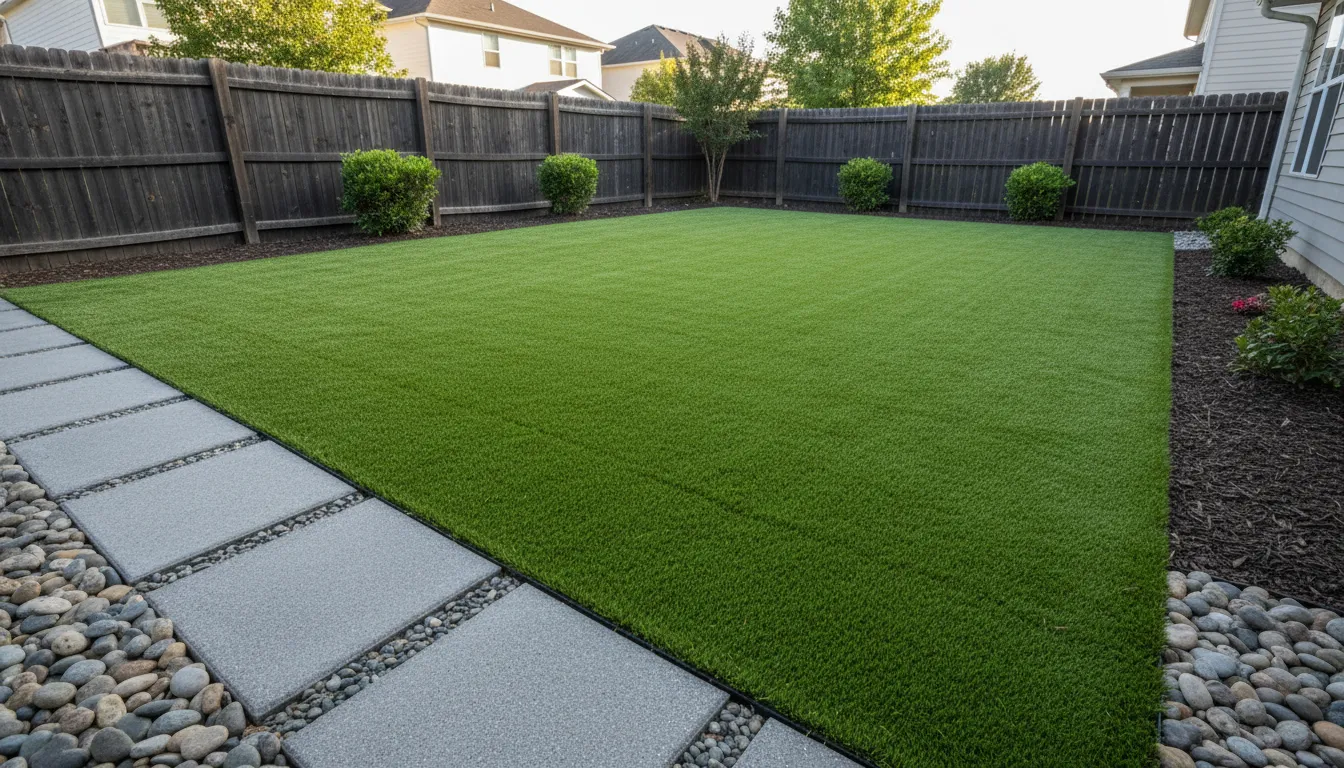
Artificial Turf is a synthetic surface designed to look like natural grass. Its primary benefit in North Dakota's climate is the dramatic reduction in water usage-it requires zero watering after installation, a significant advantage during dry summers 1. It stays green year-round with no mowing, fertilizing, or seasonal dormancy. The trade-off is a higher initial material cost and the need for a meticulously prepared base to ensure proper drainage and longevity 2 3.
Critical First Steps: Site Evaluation and Soil Testing
Before a single piece of sod or turf is laid, proper ground preparation is non-negotiable. This phase is arguably the most important for the long-term success of your new lawn.
- Clear the Site: Begin by removing all existing vegetation, weeds (including roots), rocks, and debris. For sod, this ensures the new roots can make direct contact with the soil. For artificial turf, it creates a clean slate for the base layers.
- Conduct a Soil Test: This is a crucial, often overlooked step for natural sod. North Dakota State University (NDSU) Extension Service provides soil testing that will reveal your soil's pH level and nutrient content (like phosphorus and potassium) 4. The ideal pH for grass is between 6.0 and 7.5. If your soil is too acidic, you'll need to add lime; if it's deficient in nutrients, a starter fertilizer will be recommended. Amending the soil based on a test prevents guesswork and gives your sod the best foundation 4.
- Till and Amend: Till the soil to a depth of 4 to 6 inches to loosen compaction and incorporate any necessary amendments, such as compost or topsoil, to improve texture and fertility 5 6. For artificial turf, tilling may be part of creating a stable subgrade.
Grading and Base Preparation for Proper Drainage
North Dakota experiences everything from spring thaws to heavy summer rains. Ensuring water flows away from your home and foundation is paramount for both lawn types.
- Create a Slope: Grade your prepared soil so it slopes gently away from your house and other structures. A slope of 1-2% (about a 1-2 inch drop per 8 feet) is typically sufficient to prevent pooling water 7 8.
- The Final Grade: After rough grading, go over the area with a rake or leveling tool to create a smooth, fine-grade surface. Remove any small stones or clumps. For sod installation, the soil should be firm but not compacted-you can lightly roll it to create an even surface for optimal sod-to-soil contact 9.
- Base for Artificial Turf: The base for synthetic grass is more involved. It typically involves installing and compacting a layer of crushed rock or gravel, followed by a layer of fine sand or stone dust. This multi-layer system is meticulously graded and compacted to provide stability, drainage, and a cushioning effect.
Find the perfect sod and turf lawn installers for your needs
Get personalized recommendations and expert advice
Installation Techniques and Immediate Aftercare
The installation process differs significantly between the two materials, and the first 24-48 hours are critical.
For Natural Sod:
- Install Quickly: Sod is perishable. Lay it on the prepared soil immediately after delivery, staggering the seams like bricks to avoid long, continuous lines.
- Water Immediately and Deeply: This is the single most important step. Begin watering the new sod within 30 minutes of installation. The goal is to soak both the sod and the top inch of soil beneath it. This initial deep watering is essential for root establishment 10.
- Initial Maintenance: Keep the sod consistently moist (but not soggy) for the first two weeks. Avoid heavy foot traffic during this establishment period. A light rolling after installation can help ensure good root-to-soil contact 11.
For Artificial Turf:
- Lay and Seam: The synthetic turf rolls are laid over the prepared base. Seams are carefully joined and secured with adhesive and seaming tape to create an invisible bond.
- Infill and Brush: Silica sand or rubber infill is spread across the turf and brushed down into the blades. This helps the fibers stand upright, adds weight for stability, and provides cushioning.
- Initial Care: Simply rinse off the surface to remove any dust or debris. No watering is needed.
Seasonal Timing and Climate Considerations in North Dakota
North Dakota's cold climate and distinct seasons influence the ideal installation window.
- Best Time for Sod: The optimal periods are late spring (after the last frost when soil is workable) and early fall. Fall installation allows the sod to establish roots in the cooler, moist soil before winter dormancy, giving it a head start for the following spring. Avoid midsummer installation due to extreme heat and evaporation stress.
- Installation for Artificial Turf: Synthetic turf can be installed anytime the ground is not frozen, allowing for more scheduling flexibility. However, professional installers may prefer drier conditions for optimal base preparation.
Understanding Cost Factors
Pricing for a new lawn varies based on materials, site preparation, and labor. Here's a general breakdown:
- Natural Sod Costs: Typically involves material cost plus installation. Sod material itself can range from $1.00 to $3.00+ per square foot, depending on the grass variety. Professional installation, which includes all site preparation (clearing, tilling, grading, amending), generally adds another $1.00 to $3.00+ per square foot 12.
- Artificial Turf Costs: This is a higher upfront investment, with total installed costs typically ranging from $5.00 to $15.00+ per square foot. This price includes the synthetic turf material, the complex base preparation (gravel, sand, compaction), infill, and labor 13 14 15. The long-term savings come from the elimination of watering, mowing, and fertilizing costs.
Long-Term Maintenance and Care
Your responsibilities after installation depend entirely on your choice.
Maintaining a Sod Lawn:
- Watering: After establishment, transition to deeper, less frequent watering to encourage deep root growth. This is especially important during North Dakota's dry spells.
- Mowing: Begin mowing once the grass reaches about 3-3.5 inches tall, never removing more than one-third of the blade at a time.
- Seasonal Care: Fertilize based on soil test recommendations, typically in fall and spring. Aerate periodically to relieve soil compaction 16.
Maintaining Artificial Turf:
- Routine Care: Mainly involves rinsing off dust, pollen, and pet waste. Occasional brushing keeps the blades upright.
- Durability: High-quality turf can last 15-20 years with minimal maintenance. It won't fade significantly in the sun and drains rainwater effectively through the prepared base.
Choosing between sod and turf is a balance between desired aesthetics, maintenance commitment, budget, and environmental considerations. By understanding the full process from soil prep to long-term care, you can make an informed decision and ensure your North Dakota property gains a beautiful, functional outdoor space that meets your needs for years to come.
Frequently asked questions
Sources
Footnotes
-
Artificial Turf Vs Sod In Raleigh NC: Cost & Lawn Guide - https://peaksodding.com/artificial-turf-vs-sod-raleigh-nc-comparing-lawn-options-for-triangle-homeowners/ ↩
-
How To Install Artificial Grass For Beginners? - https://konzeptgarden.com/blogs/garden-guides/how-to-install-artificial-grass-for-beginners ↩
-
Turf Base Preparation Service by Creative Grass Turf Corp - https://www.creativegrass.com/artificial-turf-services/turf-base-preparation/ ↩
-
Evaluating, Preparing and Amending - Lawn and Garden Soil - https://www.library.nd.gov/statedocs/NDSUExtensionService/h132520100324.pdf ↩ ↩2
-
The Ultimate Guide to Preparing Soil for Turf Installation - https://lavingtonturf.com/the-ultimate-guide-to-preparing-soil-for-turf-installation/ ↩
-
Topsoil for Laying Turf - Online Soil - https://www.onlinesoil.co.uk/knowledge-base/general-info/topsoil-for-laying-turf ↩
-
Prepare Soil For Sod | Complete Guide From Ideal Rockaway! - https://idealrockaway.com/blog/how-to-prepare-soil-for-sod-complete-guide/ ↩
-
Your Guide to Lawn Seeding in Fargo - LawnStarter - https://www.lawnstarter.com/blog/north-dakota/fargo-nd/lawn-seeding-fargo/ ↩
-
Sod Installation Guide - Cliff's Landscaping Supplies - https://www.cliffslandscaping.com/sod-installation-guide.html ↩
-
THE FIRST 5 STEPS TO TAKE AFTER YOUR NEW SOD IS INSTALLED - https://www.turfmastersodfarm.com/the-first-5-steps-to-take-after-your-new-sod-is-installed ↩
-
New Lawn Installation Step 8: Light Roll, Then Continuous Watering ... - https://www.youtube.com/watch?v=E1eI5hi2DZo&t=11 ↩
-
laying sod nd Archives - BB Hoffmansod - https://www.bbhoffmansod.com/tag/laying-sod-nd/ ↩
-
Grass Sod Installation: Ultimate Lush Lawn 2025 - https://randalllandscaping.com/grass-sod-installation-guide-2025/ ↩
-
Synthetic Lawn Turf: Top 5 Best Options in 2025 - https://bostonlandscapeco.com/synthetic-lawn-turf/ ↩
-
How Much Does Artificial Turf Cost? A Complete Guide - https://www.re-thinkingthefuture.com/technologies/gp2931-how-much-does-artificial-turf-cost-a-complete-guide/ ↩
-
Dakota Gardener: It's a great time to fertilize your lawn - NDSU Agriculture - https://www.ag.ndsu.edu/news/columns/dakota-gardener/dakota-gardener-it2019s-a-great-time-to-fertilize-your-lawn ↩