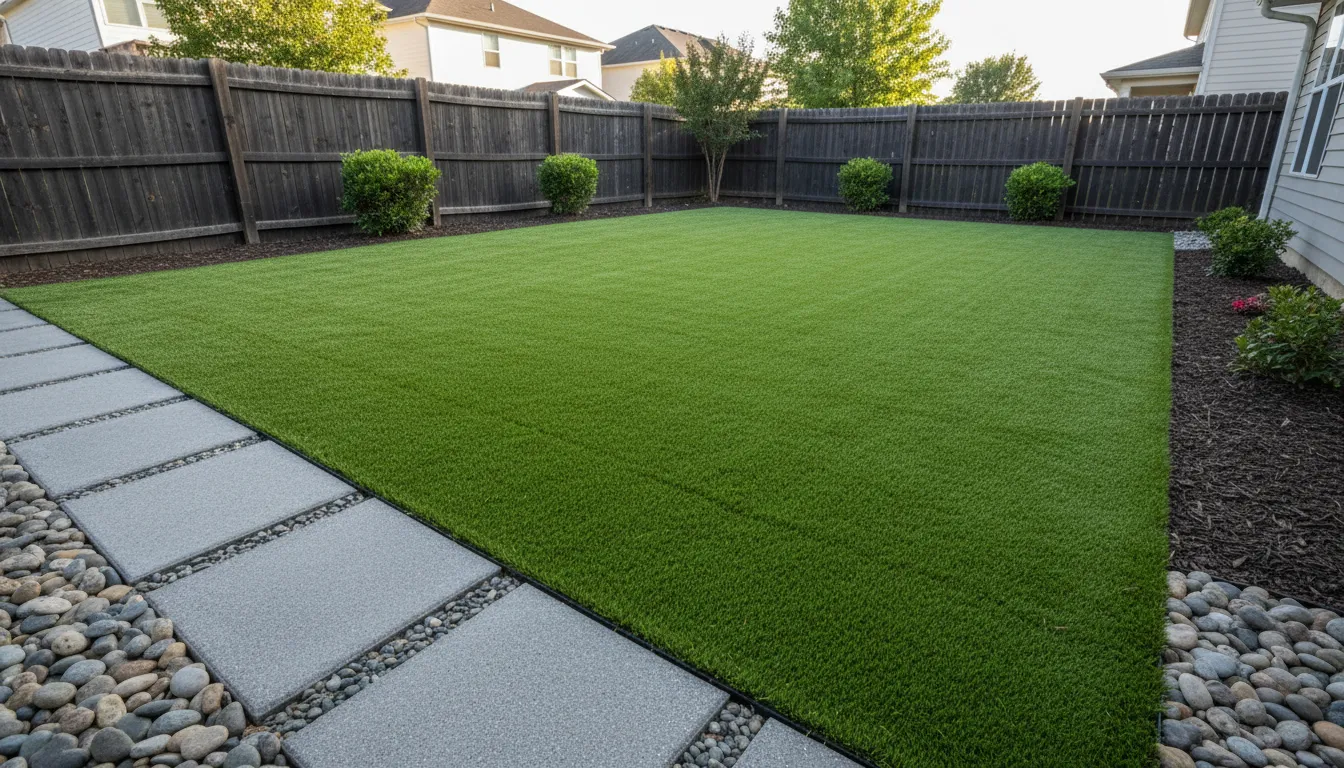
Find the Best Sod and Turf Lawn Installers for Your Business
No obligation • Fast responses • Nationwide coverage

Why you can trust Landscape Atlas
Landscape Atlas is a leading United States resource for evaluating landscaping, lawn care, and outdoor service providers. Our team researches each category in depth, focusing on service quality, safety, and customer experience. Listings and rankings are based on independent criteria and user feedback, and companies cannot pay to influence our assessments or recommendations.
Search providers near you
Best Sod and Turf Lawn Installers in Montana Ranked
Transforming a patch of Montana dirt into a lush, green lawn is a rewarding project that enhances your property's beauty and usability. Whether you choose the instant gratification of sod or the low-maintenance appeal of artificial turf, a successful installation hinges on proper planning and preparation. This guide provides clear, practical steps for homeowners to understand the process, from selecting the right materials to final care, helping you make informed decisions and connect with local expertise for your project.
Choosing the Right Lawn for Montana's Climate
Montana's climate presents unique challenges for lawns, with cold winters, dry summers, and significant temperature swings. Your choice between natural sod and artificial turf will define your lawn's look, feel, and long-term care requirements.
Cool-Season Sod Grasses For natural grass, cool-season varieties are best suited to Montana. The most common and recommended types are blends of Kentucky Bluegrass and Fine Fescues. These grasses are drought-tolerant to a degree and can survive harsh winters, but they require consistent moisture, especially during establishment and hot, dry periods. The ideal times for sod installation are late spring (after the last frost) and early fall, when cooler temperatures and more reliable rainfall support strong root growth without the stress of summer heat 1.
Artificial Turf Considerations Artificial turf offers a water-free alternative that stays green year-round without mowing or fertilizing. This can be an attractive option in arid regions of the state or for areas with poor soil. However, a significant consideration in Montana's sunny summers is heat retention; synthetic surfaces can become extremely hot in direct sunlight 2. Modern products often include cooling infills and technologies to mitigate this, making it a viable option for sunny, low-traffic areas or where water conservation is a top priority.
Essential Site Preparation: The Foundation for Success
Proper ground preparation is the most critical step for both sod and artificial turf. Rushing this stage can lead to drainage problems, uneven surfaces, and poor establishment. Plan to dedicate significant time to preparing your site.
Step 1: Clear and Grade the Area Begin by removing all existing vegetation, rocks, and debris. For sod, this means eliminating old grass and weeds completely to prevent them from growing through your new lawn. Next, establish proper grading. The finished grade should have a minimum slope of 1% (about a 1-inch drop over 8 feet) away from your home's foundation and other structures to ensure water drains effectively and doesn't pool 3 4. Use a long level or string level to check your grade.
Step 2: Till and Amend the Soil (For Sod) For a natural sod lawn, the next step is to cultivate the soil. Till the area to a depth of 4 to 6 inches to loosen compacted earth, which allows new grass roots to penetrate deeply and access water and nutrients. This is also the time to amend your soil. Incorporating 1 to 2 inches of compost across the tilled area improves soil structure, fertility, and water retention 5. Also, apply a starter fertilizer high in phosphorus to encourage rapid root development once the sod is laid.
Step 3: Final Leveling and Firming After tilling and amending, rake the soil smooth, breaking up any large clods and filling in low spots. The goal is a fine, level seedbed. Then, lightly roll the area with a lawn roller (filled one-third with water) to firm the soil. It should be firm enough that your footprint is shallow, but not so hard that it's compacted 6. This provides a stable, even surface for the sod roots to make immediate contact with the soil.
Base Preparation (For Artificial Turf) Artificial turf installation requires a different base. After clearing and grading, a sub-base of compacted gravel (typically 3-4 inches deep) is installed for stability and drainage. A weed barrier fabric is laid over this compacted base to prevent vegetation from growing up through the turf. This creates a stable, long-lasting foundation for the synthetic material.
Find the perfect sod and turf lawn installers for your needs
Get personalized recommendations and expert advice
Installation Techniques for Sod and Turf
Laying Sod: A Race Against Time Sod is perishable and should be installed on the same day it's delivered. Start laying strips along the longest straight edge of your yard, such as a driveway or sidewalk. Stagger the joints in a brick-like pattern, ensuring edges are tightly knit together without overlapping. Use a sharp knife to trim pieces around curves and obstacles. As you lay each piece, avoid walking on the prepared soil or the newly laid sod as much as possible to prevent depressions 7.
Securing Artificial Turf Artificial turf rolls are laid out over the prepared base and trimmed to fit. Seams between rolls are joined with specialized seam tape and adhesive. Once positioned, the perimeter is secured with landscaping spikes or nails. Finally, an infill material-often silica sand or crumb rubber-is brushed into the turf blades. This infill weighs the turf down, helps the blades stand upright, and can provide cooling properties.
Critical Watering and Initial Care Schedule
Watering New Sod: The First Few Weeks Immediately after installation, water your new sod thoroughly. The goal is to soak the sod itself and moisten the top inch of soil beneath it 8. For the first 7-10 days, the sod and soil must stay consistently moist. This often means watering lightly 2-3 times per day to prevent the shallow roots from drying out. After this initial period, you can begin to water more deeply but less frequently to encourage roots to grow down into the native soil. Transition to watering about 1 inch per session, every 2-3 days, depending on weather 8 9. Once established (after about 3-4 weeks), you can adopt a deeper, less frequent watering schedule to promote drought tolerance.
Maintaining Artificial Turf Artificial turf requires no watering for the grass itself. Occasional rinsing can help clean the surface and cool it down on hot days. Maintenance primarily involves brushing the turf periodically to keep the blades upright and redistributing the infill material. You should also remove leaves and debris to keep it looking its best.
Understanding Project Costs
The total cost for a new lawn in Montana varies widely based on size, materials, site complexity, and whether you do it yourself or hire a professional.
- DIY Sod Installation: If you handle the labor, your costs are primarily for materials (sod, soil amendments, fertilizer) and any equipment rentals (tiller, roller). For a typical yard, material costs can range from $700 to $1,900.
- Professional Sod Installation: Hiring a professional includes labor, expertise, and materials. For a full installation-including site prep, sod, and initial care-costs typically range from $1,000 to $6,000 or more, with sod itself costing between $1 and $6 per square foot installed 10.
- Artificial Turf Installation: This is generally a higher upfront investment. Professional installation of artificial turf, including the complex base work, quality turf material, and infill, often ranges from $5 to $15 or more per square foot 11 12. For a 1,000-square-foot area, this translates to a total project cost of $5,000 to $15,000+.
Frequently asked questions
Sources
Footnotes
-
Montana's Climate - Gallatin Valley Sod - https://gvsod.com/montanas-climate/ ↩
-
Prepare Your Lawn for Sod Installation: A Step-By-Step Guide - https://www.southdallasturfandsupply.com/blog/prepare-your-lawn-for-sod/ ↩
-
Essential Steps for Preparing Your Yard for Sod Installation - https://southernlovelandscaping.com/2025/02/24/how-to-prepare-a-yard-for-sod-installation/ ↩
-
Planning and Planting Successful Lawns in Montana - MSU Extension - https://apps.msuextension.org/montguide/guide.html?sku=MT202003AG ↩
-
How to Prepare Your Soil for a Successful Sod Installation? - https://mccallsodfarm.net/how-do-i-install-a-new-lawn/ ↩
-
How to Install a New Lawn: Top 5 Easy Steps in 2024 - https://stevesservicesllc.com/how-to-install-a-new-lawn/ ↩
-
Grass Sod Installation: Ultimate Lush Lawn 2025 - https://randalllandscaping.com/grass-sod-installation-guide-2025/ ↩
-
Water: When... How... How Much | Top Notch Turf | Kalispell, MT - https://topnotchturf.com/sod-information/water-when-how-how-much/ ↩ ↩2
-
How Often Should I Water New Sod? | Tampa Sod Firm - https://www.freshsod.com/how-often-should-i-water-new-sod/ ↩
-
Cost Comparison: Artificial Grass vs. Natural Grass in Florida - https://artificialturffactoryoutlet.com/cost-comparison-artificial-grass-vs-natural-grass-in-florida/ ↩
-
Planning and Planting Successful Lawns in Montana - https://www.montana.edu/extension/powderriver/documents/generalgardeninfo/MT202003.pdf ↩
-
How Much Does Artificial Turf Cost? A Complete Guide - https://www.re-thinkingthefuture.com/technologies/gp2931-how-much-does-artificial-turf-cost-a-complete-guide/ ↩