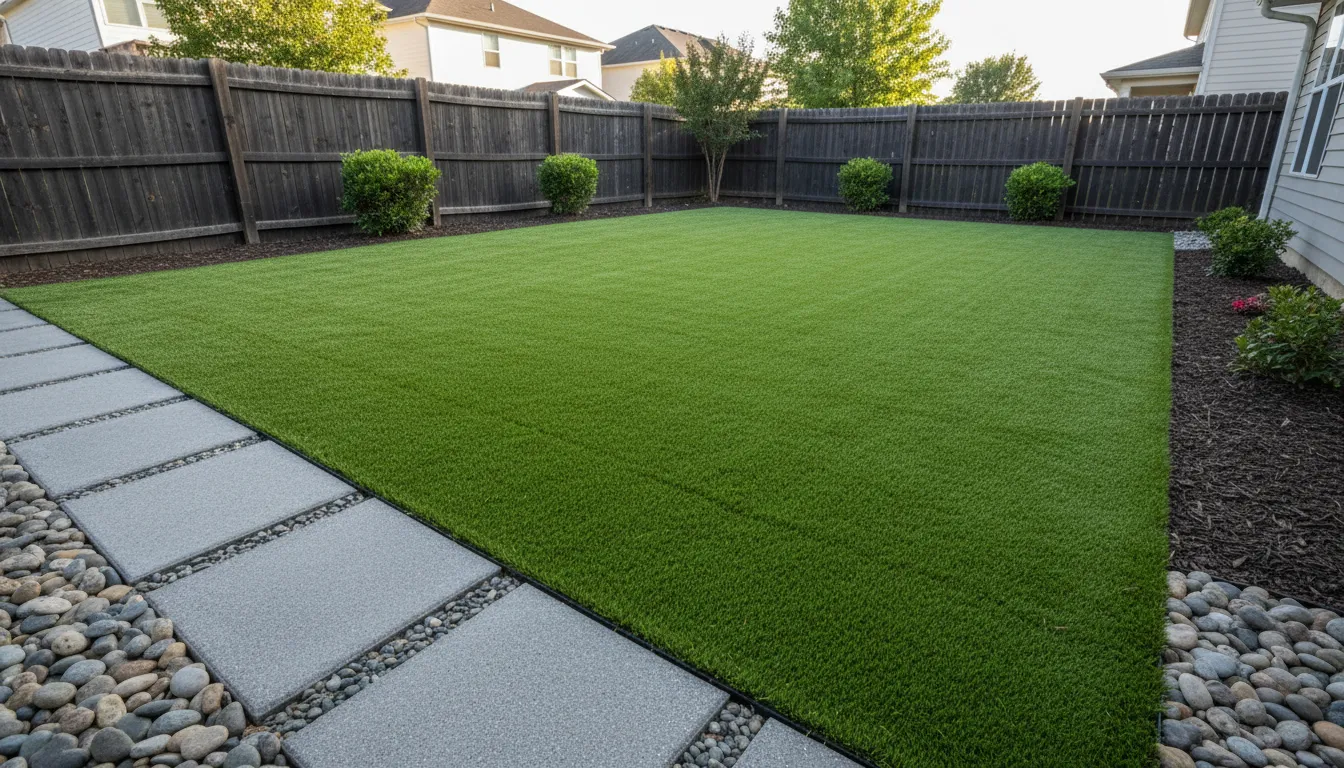
Find the Best Sod and Turf Lawn Installers for Your Business
No obligation • Fast responses • Nationwide coverage

Why you can trust Landscape Atlas
Landscape Atlas is a leading United States resource for evaluating landscaping, lawn care, and outdoor service providers. Our team researches each category in depth, focusing on service quality, safety, and customer experience. Listings and rankings are based on independent criteria and user feedback, and companies cannot pay to influence our assessments or recommendations.
Search providers near you
Best Sod and Turf Lawn Installers in Minnesota Ranked
Transforming a patch of dirt or an old, tired lawn into a lush, green carpet is a major upgrade for any Minnesota property. Whether you choose natural sod or modern artificial turf, a professionally installed lawn provides immediate beauty, enhances curb appeal, and creates a durable outdoor living space. This guide explains the key considerations for new lawn installation in Minnesota, helping you understand the process, timing, and care required to make an informed decision for your home.
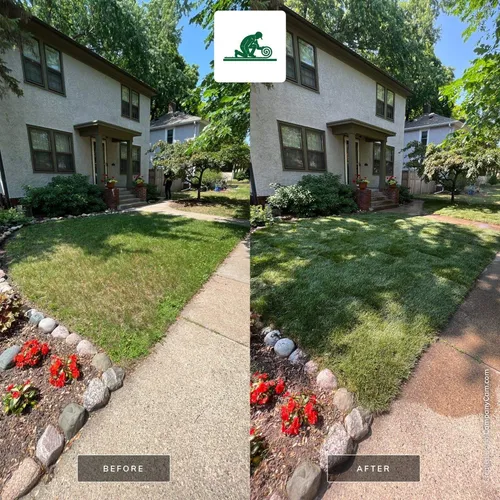
Sod Smith LLC
6417 Penn Ave S Ste. 8, Richfield, MN 55423
Sod Smith LLC is a lawn care company based in Minneapolis, MN, specializing in sod installation and a variety of lawn maintenance services. They offer efficient sod installation that provides instant curb appeal and support new lawns with a proprietary Establishment Plan to promote healthy root growth. The company also installs digital sprinkler systems designed to reduce water use by up to 50%, contributing to sustainable lawn irrigation. Sod Smith emphasizes precise soil preparation and tailored care suited to Minnesota's conditions to ensure successful lawn transformations. Their services are available throughout Minneapolis, with quick booking and transparent communication to keep customers informed throughout the process.
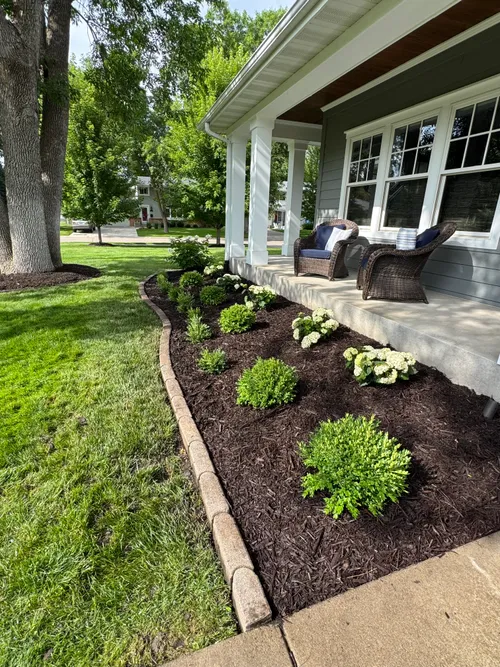
Cortez Landscaping
Minneapolis, MN
Cortez Landscaping is a landscaping company based in Minneapolis, MN. They provide a range of services including sod installation, artificial turf installation, hardscaping with pavers and retaining walls, as well as hedge trimming, mulch installation, edging, and rock installations. Their portfolio showcases recent projects such as paver patios and retaining walls, highlighting their capability in both landscaping and hardscaping.
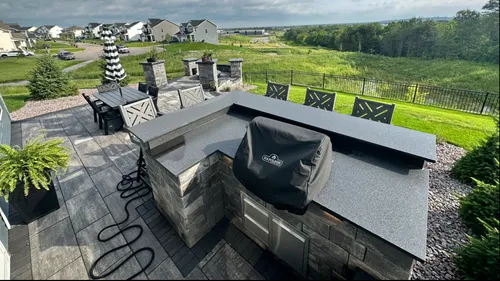
Pioneer Landscaping LLC
1694 Ivory Ave N, Lake Elmo, MN 55042
Pioneer Landscaping LLC is a full-service landscaping company based in St Paul, MN, offering a wide range of services including hardscaping, outdoor living spaces, sod and irrigation installation, sport court and pool installation, and year-round property maintenance for both residential and commercial clients. They serve the St Paul area along with nearby communities such as Lake Elmo, Woodbury, Stillwater, and White Bear Lake. Founded in 2020, the company emphasizes dedicated crews and specialized managers to deliver precise results and sustainable practices. Pioneer Landscaping also provides 24/7 emergency services, ensuring support through all seasons.
Sota Landscaping
Minneapolis, MN
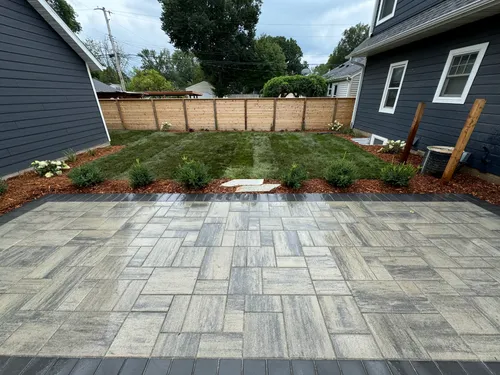
Sota Landscaping is a full-service landscaping company based in Minneapolis, MN. They provide a wide range of services including sod installation, artificial turf installation, landscape design, lawn care, hardscaping such as pavers and retaining walls, and commercial property maintenance. The company also offers snow and ice management services to handle winter weather conditions. Sota Landscaping emphasizes clear communication and client satisfaction throughout each project, ensuring outdoor spaces are both beautiful and functional.
C & J's Lawn Care LLC
St Paul, MN
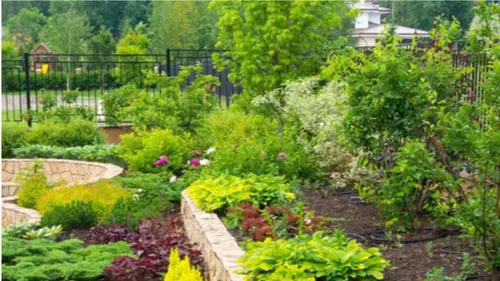
C & J's Lawn Care LLC is a lawn care and landscaping company serving St Paul, MN, and nearby communities including Oakdale and Little Canada. With 14 years of experience, they offer a wide range of services such as lawn mowing, sod installation, artificial turf, landscape design, hardscaping with pavers and retaining walls, as well as snow removal. Their capabilities include customized landscaping projects like garden and rock installations, designed to enhance property value and outdoor aesthetics. Snow removal services are also available to help manage winter conditions safely.
Choosing Between Natural Sod and Artificial Turf
The first major decision is selecting the type of lawn surface. Each option has distinct advantages suited to different Minnesota lifestyles and property goals.
Natural Sod provides the classic look and feel of real grass. For Minnesota's climate, cool-season grasses like Kentucky Bluegrass blends and Fine or Tall Fescues are the standard choices, as they are bred to survive harsh winters and thrive in cooler temperatures. The tangible benefits include natural cooling, a soft surface for play, and environmental perks like oxygen production. However, it demands seasonal maintenance: regular mowing, fertilizing, and a strict watering schedule, especially during establishment and dry summer spells.
Artificial Turf offers a consistently green, low-maintenance lawn year-round. Modern synthetic grass looks remarkably realistic and is unaffected by Minnesota's freeze-thaw cycles, drought, or heavy foot traffic 1. It eliminates the need for mowing, watering, and chemical treatments, though it requires occasional rinsing and brushing. The initial investment is higher, but for many homeowners, the long-term savings on water, lawn care products, and equipment justify the cost.
Optimal Timing for Installation in Minnesota
Minnesota's distinct seasons create specific installation windows critical for success.
For natural sod, timing is everything. The ideal periods are late summer (mid-August to mid-September) and spring (once the ground has thawed and is workable). Installing in late summer allows the sod to establish strong roots in the warm soil and cooler air before the ground freezes. Spring installation is also effective, but it requires diligent watering to combat summer heat stress as the new grass roots.
Artificial turf installation is more flexible but still has preferred times. It can be installed whenever the ground is not frozen. Many professionals recommend fall, as the cooler temperatures are pleasant for working and the prepared base has time to settle before winter. Spring is also a popular time, allowing homeowners to enjoy a pristine, mud-free lawn all summer long.
Critical Soil Preparation Steps
Proper ground preparation is the most important phase of any lawn installation, accounting for a significant portion of the project's long-term success. Skipping or rushing this step can lead to drainage issues, uneven surfaces, and poor turf health.
- Clear and Kill Existing Vegetation: Remove all old grass, weeds, rocks, and debris. For natural sod, existing weeds can be killed with a non-selective herbicide or removed via sod-cutting 2.
- Conduct a Soil Test: For natural lawns, a soil test from the University of Minnesota Extension is highly recommended. It will reveal your soil's pH and nutrient levels, providing a blueprint for necessary amendments like lime or sulfur.
- Grade and Slope: The entire area must be graded to ensure proper drainage. A slope of 1-2% away from your home's foundation is standard to prevent water pooling 3 4. This step is crucial for both sod and artificial turf to avoid a soggy, unstable base.
- Amend and Till Soil (for Sod): Based on the soil test, till in compost, peat, or other organic matter to a depth of 4-6 inches. This improves soil structure, nutrient content, and water retention for the new sod roots 5.
- Create a Stable Base (for Artificial Turf): After grading, a base of compacted crushed rock (often Class II road base or decomposed granite) is installed. This layer is meticulously leveled and compacted to create a firm, stable, and permeable foundation.
- Final Leveling and Compaction: For sod, the tilled soil should be lightly raked level and then firmed with a lawn roller to eliminate air pockets and ensure solid sod-to-soil contact. For artificial turf, the rock base is compacted and leveled one final time before the weed barrier and turf are laid.
Find the perfect sod and turf lawn installers for your needs
Get personalized recommendations and expert advice
Installation and Watering Protocols
Sod Installation: Fresh sod should be installed within 24 hours of delivery. Rolls are laid in a staggered brick-like pattern, with seams tightly knit together. Edges are trimmed to fit, and the entire area is lightly rolled again to press roots into the soil. Immediate watering is critical.
Artificial Turf Installation: The synthetic rolls are laid over a weed barrier fabric, seamed together with specialized tape and adhesive, and trimmed to fit. Infill material (typically silica sand or crumb rubber) is brushed deep into the turf blades to weigh it down, keep fibers upright, and provide cushioning.
Post-Installation Care:
- New Sod Watering Schedule: The first two weeks are critical. Water new sod 2-3 times daily (or as needed) to keep the soil consistently moist 1-2 inches deep. After about two weeks, when the sod doesn't pull up easily, gradually reduce frequency to every other day, applying about 1/3 to 1/2 inch of water per session 6. Once fully rooted, transition to a deep, infrequent watering schedule to encourage drought-resistant roots.
- Artificial Turf Care: Water is only needed occasionally to rinse off dust or pet waste. Primary maintenance involves regular brushing to keep blades lifted and redistributing the infill material.
Understanding Cost Factors
The total cost of a new lawn in Minnesota depends on the square footage, site accessibility, and amount of prep work required.
- Natural Sod Installation: Professionally installed sod typically costs between $2 and $6 per square foot 7 8. This price usually includes soil preparation, the sod itself, delivery, installation, and an initial watering. For a standard 1,000-square-foot lawn, homeowners can expect a range of approximately $2,000 to $6,000.
- Artificial Turf Installation: This is a larger initial investment, with professional installation costs ranging up to $20 per square foot 9 10. The price encompasses site preparation, the specialized rock base, weed barrier, high-quality turf product, seaming, infill, and labor. While costly upfront, it eliminates ongoing water and maintenance expenses for 15-20 years.
Long-Term Maintenance and Seasonal Considerations
A new lawn is a long-term investment that requires an appropriate care regimen.
Natural Sod follows an annual cycle in Minnesota: spring aeration and fertilization, summer mowing (at a height of 3-3.5 inches) and diligent watering, fall fertilization and dethatching, and winter dormancy. Protecting newly installed sod from heavy use before it's fully rooted and ensuring it enters winter well-hydrated are keys to its survival 11 12.
Artificial Turf maintenance is seasonally consistent. In fall, clear leaves to prevent staining and decomposition. In winter, snow can be left to melt naturally; use a plastic shovel for removal if needed, avoiding metal blades that can cut the turf. Spring and summer may require more frequent rinsing to cool the surface and maintain cleanliness.
Frequently asked questions
Sources
Footnotes
-
Is Fall the Best Time of Year to Install Artificial Turf? - https://returf.com/autumn-best-season-install-artificial-grass/ ↩
-
Renovating a lawn for quality and sustainability | UMN Extension - https://extension.umn.edu/lawn-care/renovating-lawn-quality-and-sustainability ↩
-
How to Prepare Ground for Artificial Turf Installation - https://www.turfkingz.com/articles/how-to-prepare-ground-for-artificial-turf ↩
-
Step-by-Step Guide to Preparing for Sod Installation - https://truedesignlandscape.com/step-by-step-guide-to-preparing-for-sod-installation/ ↩
-
The Ultimate Guide to Preparing Soil for Turf Installation - https://lavingtonturf.com/the-ultimate-guide-to-preparing-soil-for-turf-installation/ ↩
-
Seeding and sodding home lawns | UMN Extension - https://extension.umn.edu/lawn-care/seeding-and-sodding-home-lawns ↩
-
How Much Does Sod Installation Cost in Minneapolis, MN? - https://www.angi.com/articles/how-much-does-it-cost-lay-sod/mn/minneapolis ↩
-
Grass Installation Cost: What Homeowners Should Know - https://warelandscaping.com/resources/grass-installation-cost ↩
-
The Essential Residential Artificial Turf Installation Guide - https://www.turftekusa.com/blog/the-essential-residential-artificial-turf-installation-guide ↩
-
The Ultimate Guide to Successfully Install Artificial Turf - https://pristinelandscapingandlighting.com/the-ultimate-guide-to-successfully-install-artificial-turf/ ↩
-
How Late Can I Lay Sod in Minnesota? - BB Hoffmansod - https://www.bbhoffmansod.com/how-late-can-i-lay-sod-in-minnesota/ ↩
-
Sod Care Guide - Apple Valley, MN - https://www.applevalleymn.gov/DocumentCenter/View/19488/Sod-Care-Guide-Apple-Valley ↩