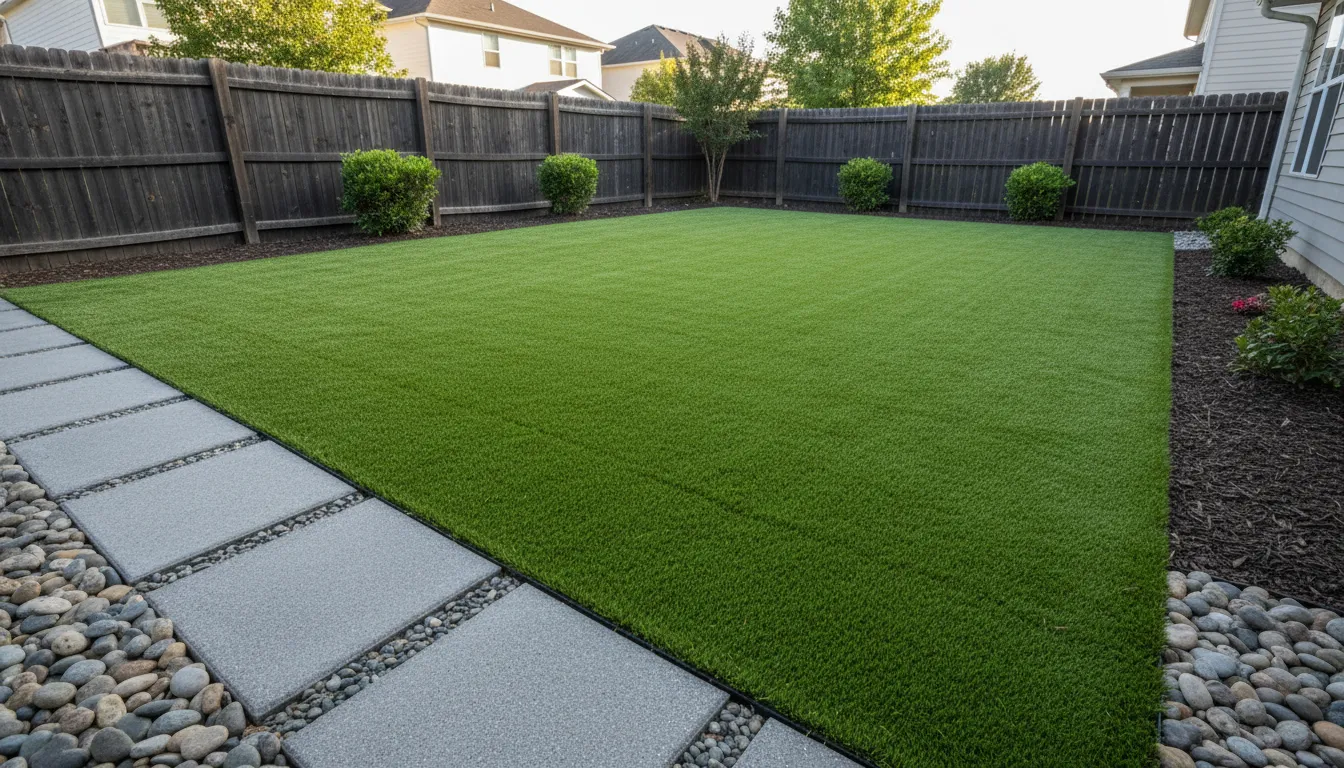
Find the Best Sod and Turf Lawn Installers for Your Business
No obligation • Fast responses • Nationwide coverage

Why you can trust Landscape Atlas
Landscape Atlas is a leading United States resource for evaluating landscaping, lawn care, and outdoor service providers. Our team researches each category in depth, focusing on service quality, safety, and customer experience. Listings and rankings are based on independent criteria and user feedback, and companies cannot pay to influence our assessments or recommendations.
Search providers near you
Top Sod and Turf Lawn Installers in Minneapolis, Minnesota Ranked
A lush, green lawn can transform your Minneapolis property, providing a beautiful outdoor space for relaxation and play. New lawn installation, whether with natural sod or artificial turf, is a significant landscaping project that requires careful planning and expert execution to ensure long-term success. This guide will help you understand the key considerations, processes, and local factors involved in turf installation, empowering you to make informed decisions and connect with qualified professionals for your project.
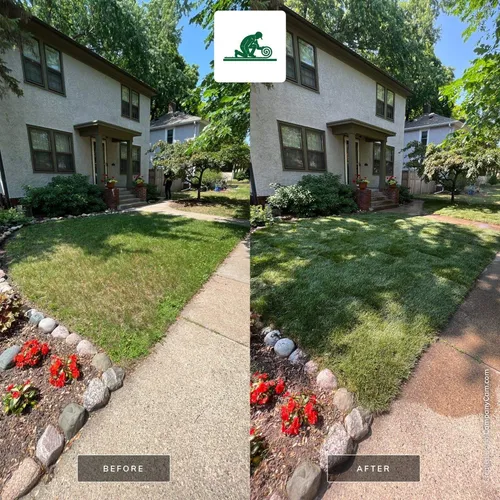
Sod Smith LLC
6417 Penn Ave S Ste. 8, Richfield, MN 55423
Sod Smith LLC is a lawn care company based in Minneapolis, MN, specializing in sod installation and a variety of lawn maintenance services. They offer efficient sod installation that provides instant curb appeal and support new lawns with a proprietary Establishment Plan to promote healthy root growth. The company also installs digital sprinkler systems designed to reduce water use by up to 50%, contributing to sustainable lawn irrigation. Sod Smith emphasizes precise soil preparation and tailored care suited to Minnesota's conditions to ensure successful lawn transformations. Their services are available throughout Minneapolis, with quick booking and transparent communication to keep customers informed throughout the process.
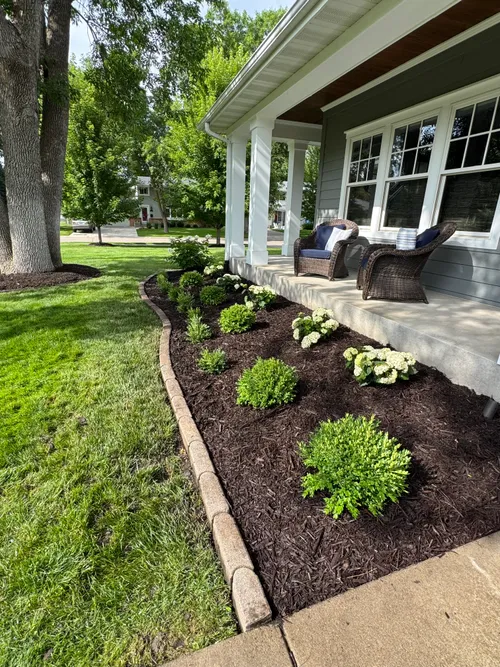
Cortez Landscaping
Minneapolis, MN
Cortez Landscaping is a landscaping company based in Minneapolis, MN. They provide a range of services including sod installation, artificial turf installation, hardscaping with pavers and retaining walls, as well as hedge trimming, mulch installation, edging, and rock installations. Their portfolio showcases recent projects such as paver patios and retaining walls, highlighting their capability in both landscaping and hardscaping.
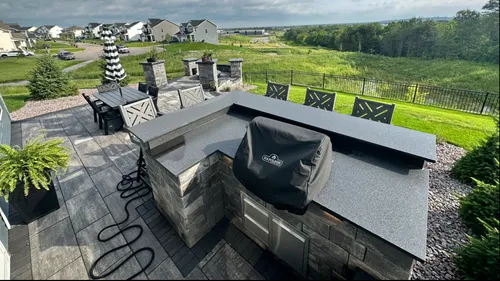
Pioneer Landscaping LLC
1694 Ivory Ave N, Lake Elmo, MN 55042
Pioneer Landscaping LLC is a full-service landscaping company based in St Paul, MN, offering a wide range of services including hardscaping, outdoor living spaces, sod and irrigation installation, sport court and pool installation, and year-round property maintenance for both residential and commercial clients. They serve the St Paul area along with nearby communities such as Lake Elmo, Woodbury, Stillwater, and White Bear Lake. Founded in 2020, the company emphasizes dedicated crews and specialized managers to deliver precise results and sustainable practices. Pioneer Landscaping also provides 24/7 emergency services, ensuring support through all seasons.
Sota Landscaping
Minneapolis, MN
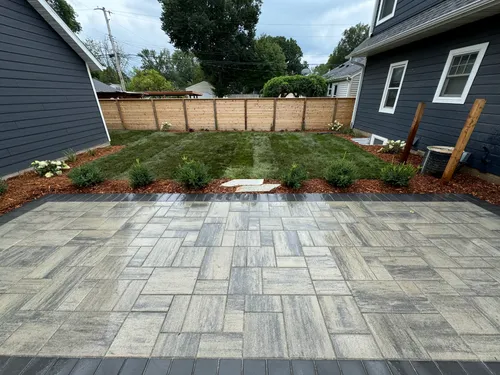
Sota Landscaping is a full-service landscaping company based in Minneapolis, MN. They provide a wide range of services including sod installation, artificial turf installation, landscape design, lawn care, hardscaping such as pavers and retaining walls, and commercial property maintenance. The company also offers snow and ice management services to handle winter weather conditions. Sota Landscaping emphasizes clear communication and client satisfaction throughout each project, ensuring outdoor spaces are both beautiful and functional.
C & J's Lawn Care LLC
St Paul, MN
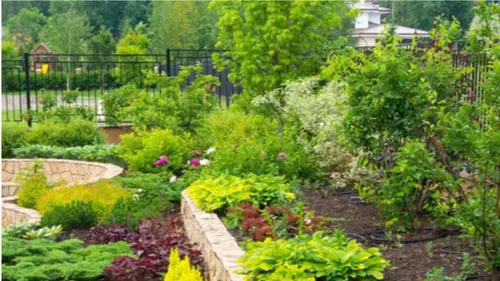
C & J's Lawn Care LLC is a lawn care and landscaping company serving St Paul, MN, and nearby communities including Oakdale and Little Canada. With 14 years of experience, they offer a wide range of services such as lawn mowing, sod installation, artificial turf, landscape design, hardscaping with pavers and retaining walls, as well as snow removal. Their capabilities include customized landscaping projects like garden and rock installations, designed to enhance property value and outdoor aesthetics. Snow removal services are also available to help manage winter conditions safely.
Understanding Your Options: Natural Sod vs. Artificial Turf
The first major decision in your lawn replacement project is choosing between natural grass sod and synthetic turf. Each has distinct advantages, costs, and maintenance profiles that are important to weigh for the Minneapolis climate.
Natural Sod involves installing rolls or slabs of pre-grown grass that includes soil and a root system. In Minnesota, cool-season grasses like Kentucky Bluegrass are popular for their durability and ability to thrive in the local temperature swings. A sod lawn provides a classic look, feels natural underfoot, and helps cool the surrounding area. However, it requires consistent watering, especially during establishment and in summer heat, along with regular mowing and seasonal fertilization.
Artificial Turf is a synthetic surface made to look like natural grass. Its primary benefits are extremely low maintenance (no mowing, watering, or fertilizing) and a consistently green appearance year-round, regardless of drought or weather. The upfront investment is significantly higher, but for homeowners seeking a pristine, low-effort lawn, it can be a compelling solution. The key to a successful artificial lawn is exceptional base preparation to ensure proper drainage and longevity.
The Critical Importance of Site Preparation
Proper ground preparation is the most crucial phase of any new lawn project, whether for sod or synthetic grass. Skipping or rushing this step is the leading cause of lawn failure, including poor drainage, uneven surfaces, and weak root establishment.
Clearing and Rough Grading: The process begins with removing all existing vegetation, debris, and rocks. The area is then "rough graded" to establish the correct slope. In Minneapolis, ensuring water drains away from your home's foundation is paramount. Professionals aim for a slope of 1-2% (a 1-2 inch drop per 10 feet) to direct surface runoff effectively 1 2.
Soil Tilling and Amendment: Next, the soil is tilled to break up compaction and allow for root penetration and water absorption. For natural sod, a soil test is often recommended to check pH and nutrient levels; amendments like compost or topsoil are then worked in to create a fertile, well-structured seedbed for the new grass roots 3.
Fine Grading and Base Installation: The final step before laying turf is "fine grading," which creates a perfectly smooth, even surface. For sod, the final grade is typically set about one inch below adjacent hardscapes like walkways or patios to accommodate the sod's thickness. For artificial turf, this stage involves installing and meticulously compacting a base layer of crushed stone or gravel, which is critical for drainage and stability.
Navigating Drainage in the Twin Cities
Minneapolis's clay-heavy soils and seasonal precipitation can lead to significant water pooling. Addressing drainage during the installation phase prevents a host of future problems, including drowned grass, muddy artificial turf, and foundation issues.
If significant pooling is identified, installers may integrate subsurface drainage solutions. A common method is installing a French drain-a perforated pipe surrounded by gravel that collects and redirects groundwater. For surface water, shaping the land to include gentle swales (broad, shallow channels) can guide runoff to a safe discharge point. While these solutions add to the project's cost and timeline, they are often essential for a durable, functional lawn in our local environment.
Find the perfect sod and turf lawn installers for your needs
Get personalized recommendations and expert advice
Project Timeline: From Start to Green
Understanding the timeline helps set realistic expectations. The duration depends heavily on the size of your yard, the complexity of the site prep, and the type of turf chosen.
For Natural Sod Installation: On a typical residential property, the actual laying of the sod rolls can often be completed in 1-3 days. However, the extensive preparation work-clearing, grading, tilling, and amending-can add several more days to the project timeline. The total project from start to a walkable lawn usually spans one to two weeks.
For Artificial Turf Installation: Synthetic lawn projects generally take longer, typically between 2 to 5 days or more. The extra time is due to the precise work required for the compacted stone base, securing the turf seams, and applying infill (tiny granules that help the blades stand upright). The result is an immediately usable surface that requires no growing-in period.
Cost Considerations for Minneapolis Homeowners
Budgeting for a new lawn requires an understanding of the variables that influence price. Costs are typically calculated per square foot and encompass materials, labor, and site preparation.
Sod Installation Costs: For natural sod, homeowners can expect a total cost ranging from $1 to $4.50 or more per square foot. This wide range accounts for the quality of sod (with Kentucky Bluegrass materials and labor often falling between $1.35 and $2.40 per sq ft), the complexity of soil preparation, and any necessary drainage work. A simple installation on good soil will be at the lower end, while a project requiring extensive regrading and soil amendment will be higher.
Artificial Turf Installation Costs: Synthetic turf represents a larger upfront investment, with prices that can reach $20 or more per square foot. The final cost depends on the quality and pile height of the turf product, the complexity of the base installation, and the size of the area. While the initial outlay is higher than sod, the long-term savings on water, lawn care equipment, and maintenance services can offset the cost over time 4 5.
The Best Time for Installation in Minnesota
Timing your project correctly greatly impacts the success of a natural sod lawn and can affect the scheduling and process for artificial turf.
Ideal Seasons for Sod: The best windows for laying sod in Minneapolis are during the mild, moist conditions of spring (April through June) and fall (September through October). These seasons provide the cool temperatures and adequate rainfall that help new grass roots establish strongly without the stress of summer heat or winter freeze. It is possible to lay sod in summer, but it demands vigilant, sometimes multiple-times-daily watering to prevent the sod from drying out and dying before it roots 6 7 8.
Artificial Turf Installation Timing: Synthetic grass installation is less constrained by weather. It can be installed throughout the year, provided the ground is not frozen, which would prevent proper excavation and base compaction. Spring and fall remain popular times as the pleasant weather is easier for work crews and homeowners.
Long-Term Care and Maintenance
Your responsibilities change once the installation crew leaves, and they differ dramatically based on your choice of turf.
Caring for a New Sod Lawn: The first few weeks are critical. New sod requires deep, frequent watering to keep the root zone consistently moist and encourage downward growth. After the roots have established (typically when the sod can no longer be easily lifted), you can gradually transition to a normal watering schedule. Regular mowing, seasonal aeration, and fertilization will be part of your ongoing lawn care regimen to keep it healthy through Minnesota's seasons.
Maintaining Artificial Turf: Synthetic lawns are prized for their low upkeep. Maintenance primarily involves occasionally rinsing the surface to remove dust, brushing the blades to keep them upright, and topping off the infill material every few years. You'll also need to promptly remove leaves and organic debris to prevent mold and maintain drainage. A well-installed artificial lawn should last 15-20 years with minimal intervention.
Frequently asked questions
Sources
Footnotes
-
Sod Installation in Metro Minneapolis | LNG-Hartigan - https://lnglandscapes.com/sod-installation/ ↩
-
Prepare Soil For Sod | Complete Guide From Ideal Rockaway! - https://idealrockaway.com/blog/how-to-prepare-soil-for-sod-complete-guide/ ↩
-
How to soil prep for sod - Green Valley Turf, Residential - https://gvt.net/resources/how-to-soil-prep-for-sod/ ↩
-
Grass Installation Cost: What Homeowners Should Know - https://warelandscaping.com/resources/grass-installation-cost ↩
-
How Much Does Sod Installation Cost in Minneapolis, MN? - https://www.angi.com/articles/how-much-does-it-cost-lay-sod/mn/minneapolis ↩
-
When is the Best Time to Lay Sod & New Sod Care Tips - https://www.saratogasod.com/news/laying-new-sod-get-tips-on-the-best-time-to-install-new-sod-care/ ↩
-
How Late Can I Lay Sod in Minnesota? - BB Hoffmansod - https://www.bbhoffmansod.com/how-late-can-i-lay-sod-in-minnesota/ ↩
-
At What Temperatures Can You Lay Sod? - Emerald Sod Farms - https://emeraldsodfarms.com/golf-course/temperatures-lay-sod/ ↩