Find the Best Sod and Turf Lawn Installers for Your Business
No obligation • Fast responses • Nationwide coverage

Why you can trust Landscape Atlas
Landscape Atlas is a leading United States resource for evaluating landscaping, lawn care, and outdoor service providers. Our team researches each category in depth, focusing on service quality, safety, and customer experience. Listings and rankings are based on independent criteria and user feedback, and companies cannot pay to influence our assessments or recommendations.
Search providers near you
Best Sod and Turf Lawn Installers in Iowa Ranked
A lush, green lawn can transform your Iowa property, providing a beautiful space for family activities and boosting curb appeal. Whether you're starting from bare dirt or replacing a struggling yard, installing new sod or artificial turf offers a fast-track to a finished lawn. This guide covers the key considerations for Iowa homeowners, from seasonal timing and soil preparation to watering and long-term costs, helping you understand the process and connect with local professionals who can bring your vision to life.
Choosing Between Natural Sod and Artificial Turf
The first major decision is selecting the type of lawn surface. Natural sod and artificial turf serve the same fundamental purpose but have vastly different characteristics in terms of installation, maintenance, and long-term investment.
Natural Sod involves rolls of pre-grown grass, complete with soil and roots, that are laid onto prepared ground. It provides an instant, living lawn. In Iowa, cool-season grasses like Kentucky bluegrass, fine fescue, and perennial ryegrass are common choices for sod. The result is a traditional, soft lawn that feels and smells natural.
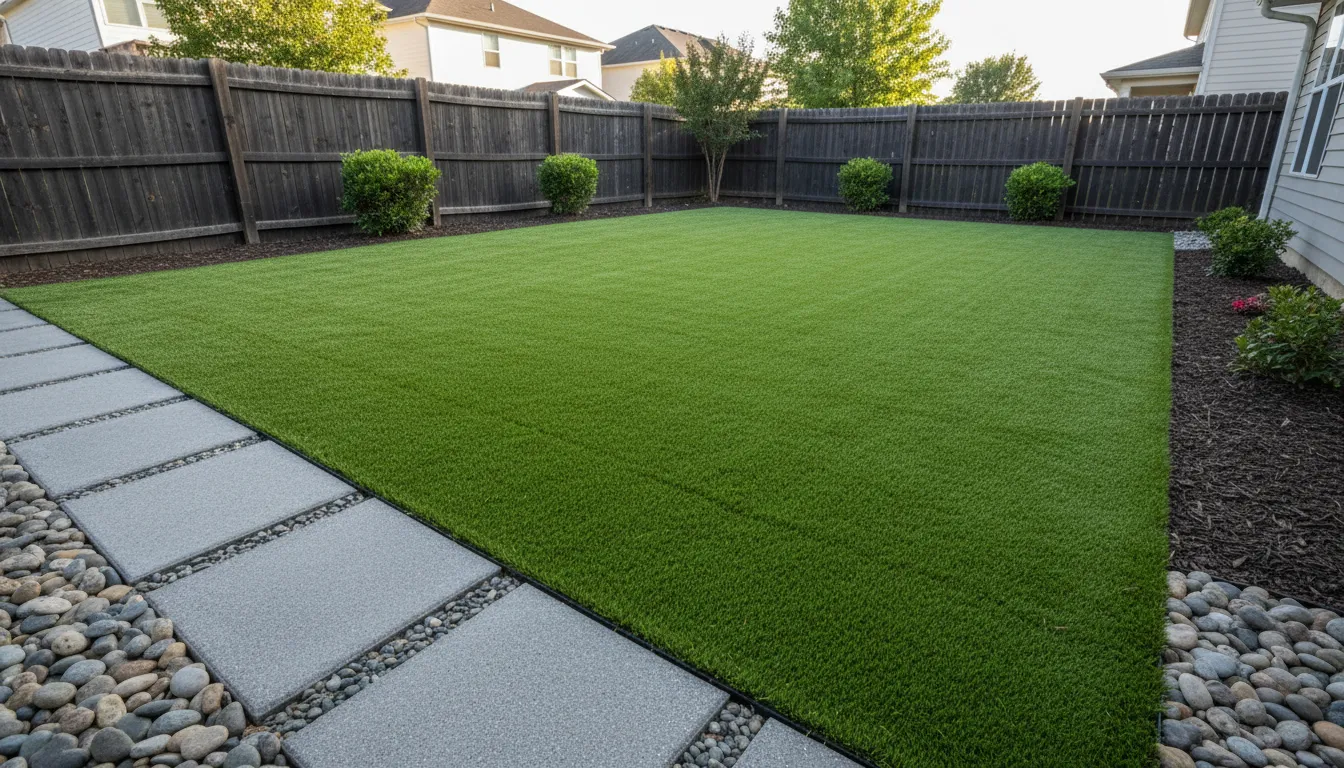
Artificial Turf is a synthetic surface made to look like real grass. Modern versions are highly realistic, durable, and designed to withstand heavy use. It requires a more complex installation process to create a stable, draining base but offers a consistently green appearance with minimal ongoing care.
Your choice will depend on your priorities: the immediate natural beauty and feel of sod versus the low-maintenance, evergreen look of artificial turf.
Optimal Installation Timing for Iowa's Climate
Iowa's distinct seasons play a critical role in the success of your lawn installation, especially for natural sod.
Best Time for Sod Installation
For natural sod, timing is everything. The ideal windows are during the spring (April to May) and fall (September to October) 1. During these periods, the soil is warm enough to encourage root growth, while the air temperatures are cooler, reducing the stress of heat and evaporation on the new grass. This gives the sod's roots time to establish firmly into the native soil before the extreme heat of summer or the freezing ground of winter sets in 2. Installing sod outside these windows is possible but requires much more vigilant watering and care.
Installing Artificial Turf
Artificial turf installation is less constrained by seasons, as you are not establishing living plants. It can be installed throughout the year, provided the ground is not frozen or excessively wet. However, professional installers note that proper sub-base drainage is crucial in Iowa to handle freeze-thaw cycles, preventing heaving or shifting of the turf panels.
Critical Ground Preparation Steps
Proper site preparation is the most important factor for the longevity and health of both sod and turf. Rushing this stage leads to problems like poor drainage, uneven surfaces, and failed root establishment.
Preparing for Natural Sod
- Clear and Grade: Remove all existing weeds, grass, rocks, and debris. The final grade should slope gently away from your home's foundation and other structures-about a 4-6 inch drop over 10 feet is a good target to prevent water pooling.
- Test and Amend Soil: Conduct a soil test (available through Iowa State University Extension) to determine pH and nutrient needs. Typically, you'll need to incorporate 4 to 6 inches of quality topsoil. Till in any recommended amendments like compost or starter fertilizer to a depth of about 6 inches to create a loose, nutrient-rich bed for roots 3 4.
- Final Leveling: Rake the prepared soil smooth, removing any large clumps or stones. The surface should be firm but not compacted, about 1 inch below the level of sidewalks or driveways to accommodate the sod's thickness.
Preparing for Artificial Turf
The base for artificial turf is engineered for stability and drainage.
- Excavate: Remove existing vegetation and excavate the area to a depth of 2 to 4 inches.
- Install Weed Barrier: Lay a geotextile fabric over the excavated soil to prevent weeds from growing up through the turf.
- Build the Base Layer: Add a 2 to 4-inch layer of crushed stone or gravel (like decomposed granite). This layer is meticulously compacted to create a solid, stable foundation that will not settle 5.
- Add Leveling Layer: A final layer of leveling sand or fine aggregate is spread, compacted, and smoothed to create a perfectly even surface for the turf to be seamed together on top.
Find the perfect sod and turf lawn installers for your needs
Get personalized recommendations and expert advice
Watering and Initial Care Regimens
The first few weeks after installation are critical. The care protocols for sod and artificial turf could not be more different.
Establishing New Sod
Watering is the single most important task for new sod. The goal is to keep the root zone consistently moist to encourage deep rooting.
- Immediately After Installation: Water heavily so that the soil underneath is moist to a depth of 3-4 inches 6.
- First Week: Water lightly (about 1/4 inch) daily, or even twice daily if the weather is hot and windy, to prevent the sod from drying out.
- Weeks 2-4: Gradually reduce the frequency but increase the amount of water per session. Start watering every other day, then move to every third day, ensuring you apply enough water to moisten the soil several inches deep.
- Long-Term Goal: Aim for about 1 to 1.5 inches of total water per week, applied in one or two deep watering sessions rather than frequent light sprinklings. This trains the roots to grow deep, creating a more drought-resistant lawn 7.
Avoid heavy foot traffic on new sod for at least 3-4 weeks until it is firmly rooted.
Caring for New Artificial Turf
Artificial turf requires minimal ongoing maintenance, but the initial care involves the installation process itself. Water is sometimes used during the base installation for dust control and to help settle the crushed rock 8. After installation, the turf may need a rinse to clean off any dust or debris from the worksite. Beyond that, it requires no watering for the grass itself, though occasional rinsing can help keep it looking fresh 8.
Understanding Cost and Long-Term Value
The financial picture for these two options unfolds differently over time.
Natural Sod typically has a moderate initial cost, which includes the price of the sod rolls themselves and professional installation labor. The long-term costs are recurring: water, fertilizer, mowing (fuel or equipment maintenance), and potential pest or disease treatments. The maintenance time commitment is high.
Artificial Turf involves a significantly higher upfront investment. This cost covers the high-quality synthetic grass material, the extensive site preparation (excavation, base materials, compaction), and skilled installation, especially for proper seaming and edging 9. However, the long-term costs are very low. You eliminate expenses for watering, mowing, and fertilizing. The primary maintenance is occasional brushing and rinsing 10. For many Iowa homeowners, the decision comes down to prioritizing lower upfront cost (sod) versus lower long-term cost and time commitment (artificial turf).
Finding the Right Professional for Your Project
Whether you choose sod or turf, professional installation is highly recommended. For sod, professionals ensure proper grading, soil amendment, and seamless laying to avoid gaps. For artificial turf, the precision of the base preparation and seaming is what separates a durable, good-looking lawn from a problematic one.
Look for Iowa-based providers with proven experience in your chosen type of lawn installation. Check for licenses, insurance, and a portfolio of completed projects. Ask for detailed quotes that break down material and labor costs, and don't hesitate to ask for references from projects completed in a similar Iowa season.
Frequently asked questions
Sources
Footnotes
-
When is the best time to lay sod in Iowa? - Yard and Garden - https://yardandgarden.extension.iastate.edu/faq/when-best-time-lay-sod-iowa ↩
-
Yes, You CAN Sod Your Lawn in Autumn! - BB Hoffmansod - https://www.bbhoffmansod.com/yes-you-can-sod-your-lawn-in-autumn/ ↩
-
Seeding a New Lawn | Yard and Garden - Iowa State University - https://yardandgarden.extension.iastate.edu/how-to/seeding-new-lawn ↩
-
Soil Preparation - Seven Cities Sod - https://sevencitiessod.com/installation/soil-preparation/ ↩
-
How to Prepare Ground for Artificial Turf Installation - https://www.turfkingz.com/articles/how-to-prepare-ground-for-artificial-turf ↩
-
Blue Grass Enterprises-Establishing New Sod | Iowa - https://www.bgsod.com/establishing-new-sod ↩
-
Watering Home Lawns | Yard and Garden - Iowa State University - https://yardandgarden.extension.iastate.edu/how-to/watering-home-lawns ↩
-
The Ultimate Guide to Installing and Maintaining Artificial Grass 101 - https://smartturf.com/artificial-grass-101-guide ↩ ↩2
-
Artificial Turf Cost in 2026 | How Much Does Fake Grass Cost? - https://aglgrass.com/blogs/artificial-turf-cost/ ↩
-
Understanding the Cost Comparison: Artificial vs. Real Grass - https://smartturf.com/artificial-vs-real-grass ↩