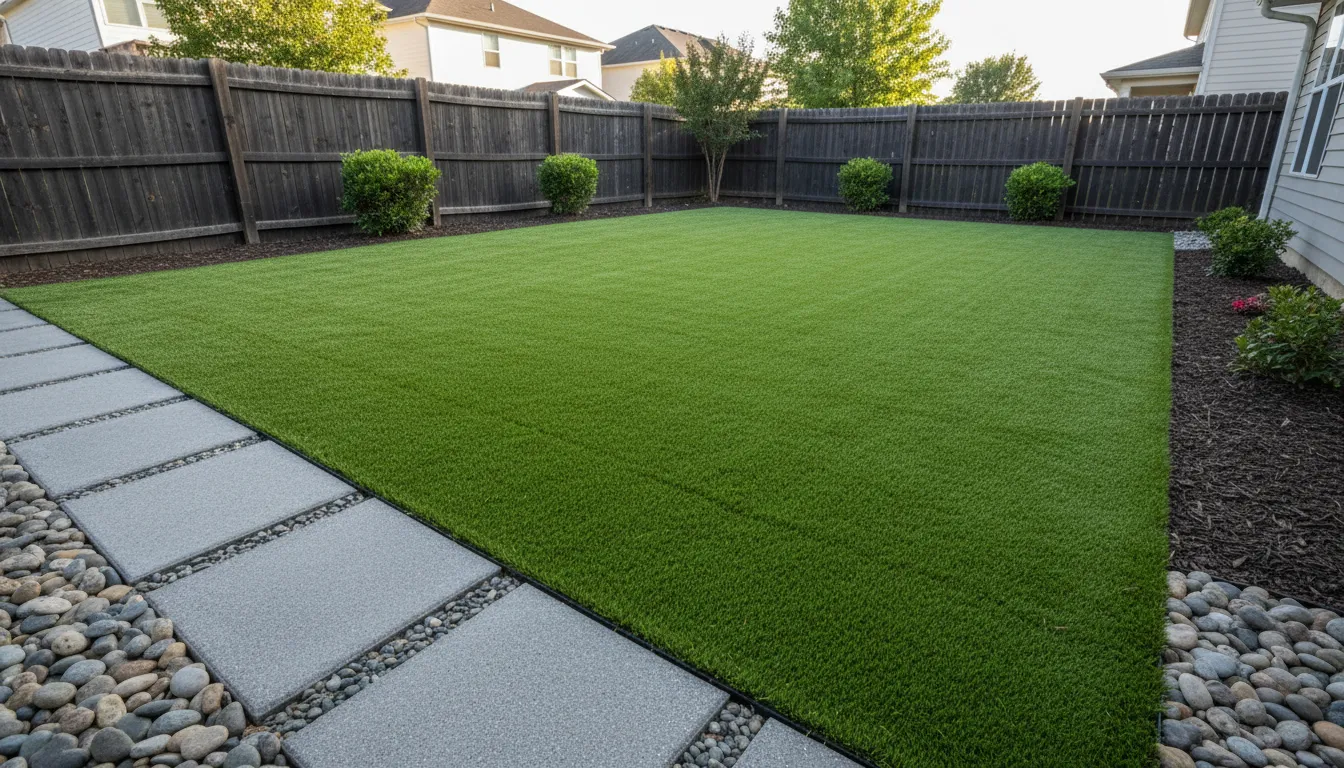
Find the Best Sod and Turf Lawn Installers for Your Business
No obligation • Fast responses • Nationwide coverage

Why you can trust Landscape Atlas
Landscape Atlas is a leading United States resource for evaluating landscaping, lawn care, and outdoor service providers. Our team researches each category in depth, focusing on service quality, safety, and customer experience. Listings and rankings are based on independent criteria and user feedback, and companies cannot pay to influence our assessments or recommendations.
Search providers near you
Best Sod and Turf Lawn Installers in Pennsylvania Ranked
A lush, green lawn is a cornerstone of Pennsylvania's beautiful home landscapes. Whether you're looking for the instant gratification of sod or the low-maintenance appeal of artificial turf, installing a new lawn is a significant project that requires careful planning and execution. This guide provides clear, practical information on both options, helping you understand the process, timing, and key considerations. Use this resource to make informed decisions and connect with local professionals who can bring your vision to life.
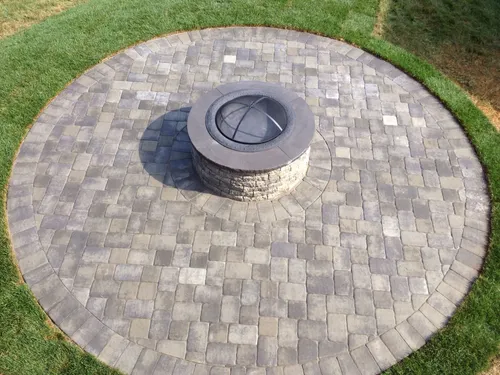
Michael's Landscape Design
750 Maple Ave, Southampton Township, NJ 08088
Michael's Landscape Design is a landscaping and hardscaping company serving the Philadelphia, PA area and South Jersey, including Burlington, Mercer, and Camden counties. Founded in 1997, the company offers a range of services such as landscape design, patio and paver installation, grading, drainage solutions, landscape lighting, and sod installation. They specialize in hand-laid brick and interlocking paver work and handle projects from small garden pathways to large property makeovers with an owner-operated approach ensuring attention to detail throughout the process.
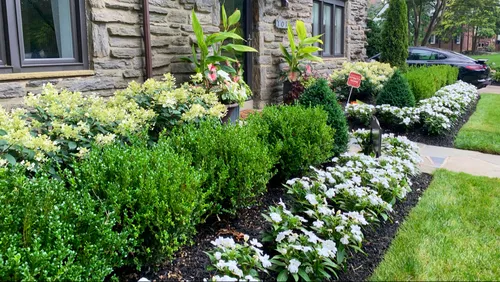
Beerman and Sons Landscaping
230 Bells Lake Rd, Turnersville, NJ 08012
Beerman and Sons Landscaping is based in Turnersville, NJ, serving Philadelphia, PA, and surrounding counties. Founded by Bill Beerman, a Penn State graduate with over 20 years of experience, the company offers comprehensive landscaping services including landscape design, hardscaping with durable pavers and natural stone, sod installation, grading, drainage solutions, lawn establishment, and landscape lighting. Their approach combines formal horticultural education with practical expertise to create outdoor spaces that thrive year-round and enhance residential properties.
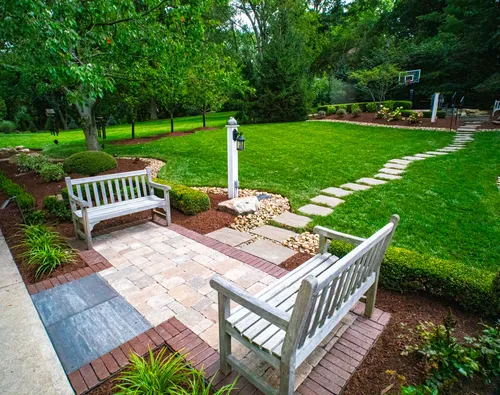
Dream Greener Lawn & Landscape
4991 Library Rd, Bethel Park, PA 15102
Dream Greener Lawn & Landscape is a comprehensive lawn care and landscaping company serving Pittsburgh, PA, and nearby communities. They offer a wide range of services including lawn fertilization, weed control, sod installation, landscape lighting, tree services, yard drainage, hardscaping, and landscape design. The company operates with a science-based approach to lawn and plant health, supported by their own plant nursery and materials stock, which helps ensure quality and timely project completion. Founded in 2013 by Jon Stanton, a nationally recognized turf specialist, Dream Greener Lawn & Landscape combines expert knowledge with advanced technology to provide personalized and environmentally conscious outdoor solutions. Their team includes certified arborists and licensed technicians, and they emphasize ongoing monitoring and integrated pest management to maintain healthy landscapes.
UDS Philly Landscaping and Removal
4455 N 6th St, Philadelphia, PA 19140
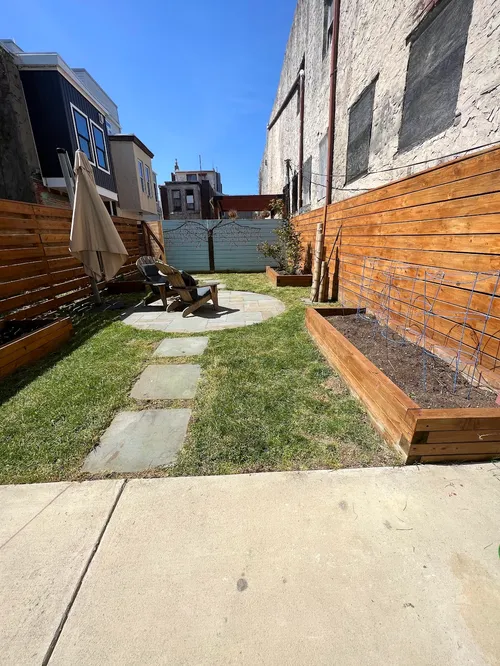
UDS Philly Landscaping and Removal is a landscaping and removal company based in Philadelphia, PA. They offer a wide range of services including lawn fertilization, weed control, sod installation, artificial turf, landscape lighting, tree removal, stump grinding, land clearing, and hardscaping such as pavers and retaining walls. Their expertise includes complete landscape design and installation, integrating features like fire pits, pergolas, and custom planters to create functional and attractive outdoor spaces. Founded in 2022, UDS focuses on enhancing urban environments while empowering local workers through training and development.
J&J Lawn Maintenance
13 Bainbridge Ln, Sewell, NJ 08080
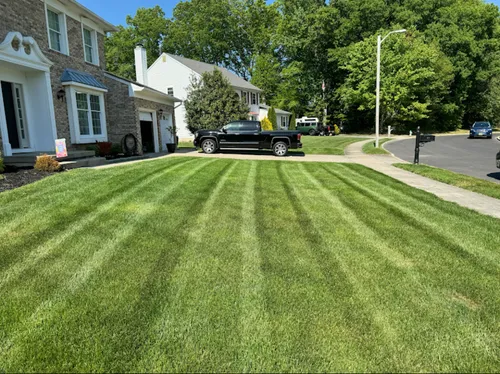
J&J Lawn Maintenance is a lawn care and landscaping company serving Philadelphia, PA, and nearby communities. They offer a range of services including weekly lawn mowing, fertilization, weed control, sod installation, shrub trimming, and tree removal. The company also handles property cleanups and commercial lawn maintenance, providing comprehensive outdoor care. Known for their professional approach, J&J Lawn Maintenance has been trusted by local homeowners for several years to maintain and enhance their lawns and landscapes.
Choosing Between Natural Sod and Artificial Turf
The first major decision is selecting the type of surface. Natural sod and artificial turf serve different needs and lifestyles, each with distinct advantages and long-term commitments.
Natural sod provides a living, breathing lawn. It offers that classic feel underfoot, cools the surrounding area, and contributes to the local ecosystem. However, it demands ongoing care: regular watering, mowing, fertilizing, and seasonal maintenance to thrive in Pennsylvania's climate 1. The initial cost is generally lower, but you invest time and resources into its upkeep.
Artificial turf, or synthetic grass, delivers a consistently green appearance with virtually no maintenance. It requires no watering, mowing, or chemical treatments, making it an attractive option for saving time and reducing water usage 2. The upfront installation cost is higher due to the need for a specialized base, but it eliminates recurring lawn care expenses. It's ideal for high-traffic areas, shady spots where grass struggles, or for homeowners seeking a low-maintenance solution.
Optimal Timing for Installation in PA
Pennsylvania's climate dictates the best times for lawn installation to ensure success.
-
For Natural Sod: The ideal windows are early spring (April to early May) and early fall (late August to September). These periods allow cool-season grasses like Kentucky Bluegrass and Fescue to establish strong root systems before the stress of summer heat or winter dormancy sets in 3 4. Installing during hot, dry summers requires intensive, vigilant watering to prevent the new sod from drying out and dying.
-
For Artificial Turf: Installation can technically happen year-round, as there is no living grass to establish. However, the process involves extensive ground preparation. Favorable weather conditions-avoiding frozen ground or excessively muddy soil-make the base work (excavation, grading, and compaction) much easier and more effective 5. Late spring through early fall often provides the most reliable working conditions.
Step-by-Step: Preparing for Natural Sod Installation
Proper soil preparation is the single most critical factor for a healthy, long-lasting sod lawn. Rushing this stage can lead to poor drainage, weak roots, and weed problems.
- Test Your Soil: Begin with a soil test through the Penn State Extension. This will tell you the soil pH (aim for 6.0 to 7.5 for cool-season grasses) and nutrient levels, providing specific amendment recommendations.
- Clear the Area: Remove all existing grass, weeds, and debris. Using a sod cutter is the most effective method, as it avoids residual herbicides that can hinder new grass growth.
- Till and Amend: Loosen the soil to a depth of 4 to 6 inches. Incorporate 1 to 2 inches of organic matter, such as compost or peat moss, into the topsoil. This improves soil structure, drainage, and nutrient retention.
- Grade and Level: Create a smooth, firm grade that slopes away from your home's foundation (about a 1-inch drop for every 4 feet is standard). The final soil level should be about 1 inch below any sidewalks or driveways to accommodate the sod's thickness. Use a lawn roller to lightly compact the soil, eliminating air pockets 6.
- Apply Starter Fertilizer: Just before laying sod, apply a starter fertilizer high in phosphorus to encourage rapid root development. Lightly rake it into the top layer of soil and give the area a light watering 7 8.
Find the perfect sod and turf lawn installers for your needs
Get personalized recommendations and expert advice
Step-by-Step: Preparing for Artificial Turf Installation
The longevity and appearance of artificial turf depend entirely on a stable, well-draining base. This process is more akin to building a patio than planting a lawn.
- Excavate and Clear: Remove the existing lawn and soil to a specified depth (typically 3-4 inches) to make room for the base materials.
- Create Drainage Slope: Ensure the excavated area has a slight slope (usually 1% to 2%) to direct water away from structures and prevent pooling 9.
- Install the Base Layer: Add a 2 to 3-inch layer of crushed stone or gravel (often 3/8" minus decomposed granite). This material compacts firmly to create a solid, stable foundation.
- Compact and Level: Use a mechanical plate compactor to thoroughly compact the base material. Then, rake it perfectly smooth and level before compacting it a final time. An optional geotextile fabric can be laid over the compacted base to prevent weed growth and separate the soil from the stone.
Critical Watering Guide for New Sod
The first two weeks are crucial for sod survival. The goal is to keep the roots and the soil beneath them consistently moist to prevent shrinkage and encourage deep rooting.
- First 10 Days (Warm Weather, above 70°F): Water three times daily (e.g., 10 am, 1 pm, 4 pm) for about 15-20 minutes per session. The sod should never dry out.
- First 10 Days (Cooler Weather, below 70°F): Water once daily (midday is best) for 20-30 minutes.
- After Root Establishment (10-14 days): Begin to reduce frequency. Tug gently on the grass; if it resists, roots have taken hold. Transition to a deep, infrequent watering schedule (about 1 inch of water per week) to train roots to grow deeper into the soil 10.
Understanding Cost Considerations
Costs can vary widely based on yard size, site conditions, materials, and labor.
- DIY Sod Installation: If you handle the labor yourself, costs are primarily for sod rolls, soil amendments, fertilizer, and equipment rentals. This can range from $700 to $1,900 for an average-sized yard.
- Professional Sod Installation: Hiring a professional includes labor, expertise, and often a warranty. For a full lawn, professional installation typically ranges from $1,000 to $6,000 or more, depending on complexity 11.
- Artificial Turf Installation: This has a higher upfront cost due to the materials (the turf itself) and the intensive labor required for site preparation and base installation. While the initial investment is significant, it offsets future water, mowing, and fertilization expenses.
Long-Term Care & Maintenance
Your responsibilities change dramatically based on your choice.
A natural sod lawn enters a regular maintenance cycle after establishment: mowing at the correct height, seasonal fertilization (based on soil tests), aeration, overseeding in the fall, and proactive weed and pest control. It's a living system that responds to the seasons 12.
Artificial turf requires minimal but specific care: periodic rinsing to remove dust and pollen, brushing the fibers to keep them upright, and promptly cleaning up pet waste. It won't need water, fertilizer, or gasoline for mowers.
Frequently asked questions
Sources
Footnotes
-
Sod Installation & Maintenance Guide - https://sportingvalleyturf.com/our-sod/installing-maintaining-sod/ ↩
-
A Practical Guide to Laying Sod This Spring | LV Home & Garden - https://www.lvhgc.com/post/guide-to-laying-sod-this-spring ↩
-
Prep Tips for Professional Sod Installation in Pennsylvania - https://www.lawnsandbeyondlandscaping.com/sod/sod-installation-prep-tips/ ↩
-
When is the Best Time to Install Sod in Pennsylvania? - https://countywidelandscape.com/blog/when-is-the-best-time-to-install-sod-in-pennsylvania/ ↩
-
Is Fall the Best Time of Year to Install Artificial Turf? - https://returf.com/autumn-best-season-install-artificial-grass/ ↩
-
Grass Sod Installation: Ultimate Lush Lawn 2025 - https://randalllandscaping.com/grass-sod-installation-guide-2025/ ↩
-
Prepare Your Lawn for Sod Installation: A Step-By-Step Guide - https://www.southdallasturfandsupply.com/blog/prepare-your-lawn-for-sod/ ↩
-
Pre-Sod Installation Checklist - Bethel Farms - https://bethelfarms.com/blogs/bethel-blog/ready-for-sod-follow-this-pre-sod-installation-checklist ↩
-
How to Prepare Ground for Artificial Turf Installation - https://www.turfkingz.com/articles/how-to-prepare-ground-for-artificial-turf ↩
-
How to Lay Sod - The Home Depot - https://www.homedepot.com/c/ah/how-to-lay-sod/9ba683603be9fa5395fab90b32edd1e ↩
-
Artificial Turf Installation Made Simple: A Step-by-Step Homeowner ... - https://growcycle.com/learn/artificial-turf-installation-made-simple-a-step-by-step-homeowner-guide ↩
-
Lawn Establishment - Penn State Extension - https://extension.psu.edu/lawn-establishment ↩