Find the Best Sod and Turf Lawn Installers for Your Business
No obligation • Fast responses • Nationwide coverage

Why you can trust Landscape Atlas
Landscape Atlas is a leading United States resource for evaluating landscaping, lawn care, and outdoor service providers. Our team researches each category in depth, focusing on service quality, safety, and customer experience. Listings and rankings are based on independent criteria and user feedback, and companies cannot pay to influence our assessments or recommendations.
Search providers near you
Best Sod and Turf Lawn Installers in Vermont Ranked
Transforming a patch of bare earth or an old, tired lawn into a vibrant, green space is a major upgrade for any Vermont property. Whether you choose the natural feel of fresh sod or the low-maintenance appeal of artificial turf, a professionally installed lawn provides immediate curb appeal, usable outdoor space, and can even help with soil erosion control. This guide explains the key considerations for new lawn installation in Vermont, helping you understand the process, costs, and local factors so you can make an informed decision and connect with experienced professionals who can bring your vision to life.
Understanding Your Options: Natural Sod vs. Artificial Turf
The first and most significant decision is choosing between a living lawn and a synthetic one. Each has distinct advantages suited to different needs and Vermont landscapes.
Natural Sod provides an instant, mature lawn using rolls of pre-grown grass. It offers the authentic look, feel, and environmental benefits of real grass, such as cooling the air and supporting soil health. In Vermont, cool-season grass blends like Kentucky Bluegrass, Fine Fescue, and Perennial Ryegrass are common, as they are hardy enough to survive the cold winters and thrive in the summer. The primary commitment with sod is the initial establishment period, which requires diligent watering.
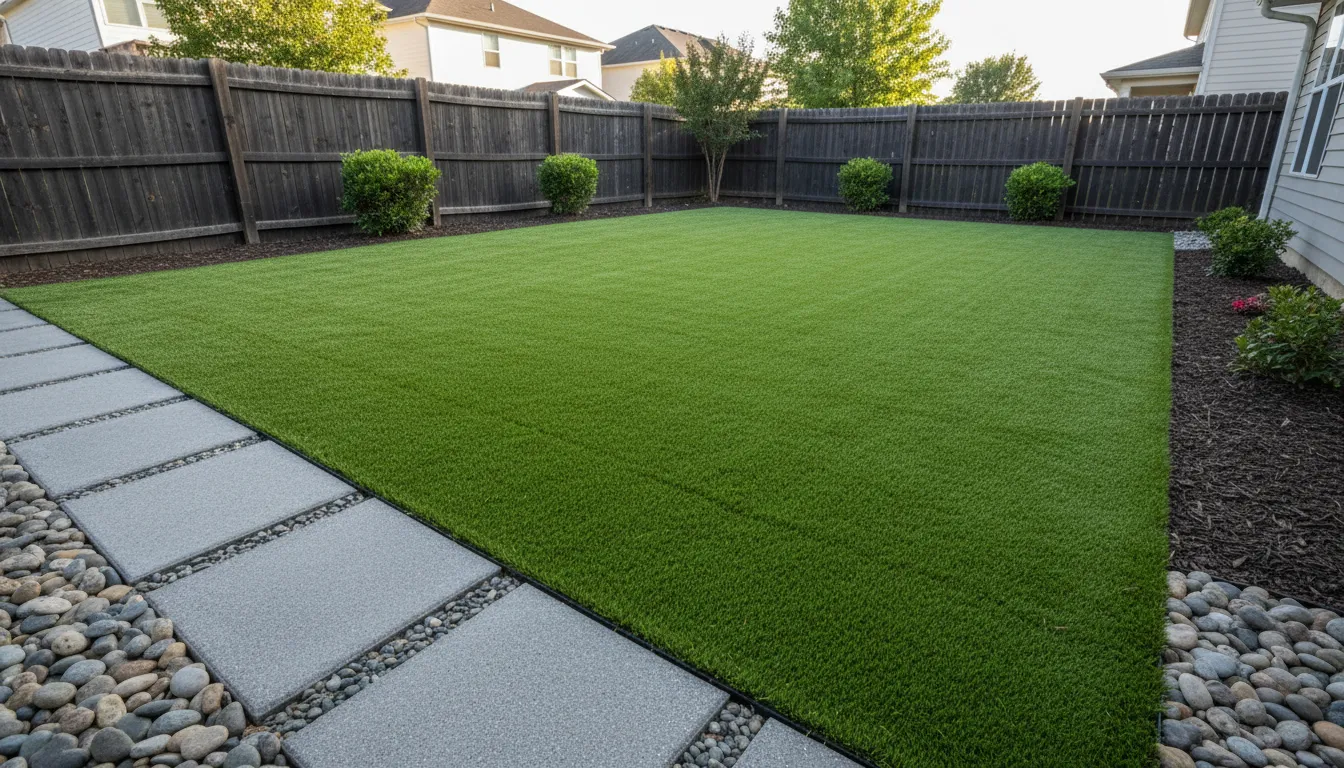
Artificial Turf is a synthetic surface made to look like natural grass. Its biggest advantage is drastically reduced long-term maintenance: no mowing, fertilizing, or regular watering is needed. It provides a consistently green appearance year-round, regardless of weather or foot traffic. This makes it an excellent choice for high-use areas, shady spots where grass struggles, or properties where water conservation is a priority. However, it requires a significant upfront investment and proper installation is critical for drainage and longevity.
Critical First Step: Site Preparation is Everything
Regardless of which option you select, success is determined long before the first roll of sod or turf is laid. Proper site preparation is the non-negotiable foundation for a durable, good-looking lawn.
- Clear the Area: Start by removing all existing vegetation, weeds, rocks, and roots. For sod, this often means using a sod cutter or herbicide to kill the old lawn. For artificial turf, a more thorough excavation is typically required to create space for the base layers 1.
- Test Your Soil (Crucial for Sod): This is an essential step for natural grass. Vermont soils are often acidic. A soil test will reveal your pH level (aim for 6.0 to 7.0 for optimal sod growth) and nutrient deficiencies. Based on the results, you may need to amend the soil with lime to raise the pH or with specific fertilizers.
- Grade for Drainage: Ensure the prepared area has a slight slope (about 1-2%) away from your home's foundation and other structures. Proper grading prevents water from pooling, which can drown sod roots or create a soggy mess under artificial turf 2 3.
- Amend and Till the Soil (For Sod): For a natural lawn, till the soil to a depth of 4 to 6 inches to loosen it. Incorporate 2-3 inches of quality compost or topsoil to improve nutrient content, soil structure, and drainage. This creates an ideal "bed" for the sod roots to penetrate and establish.
- Create a Stable Base (For Artificial Turf): Synthetic turf requires a different foundation. After excavation, a base of compacted gravel (often crushed stone) is installed, followed by a layer of sharp sand. A weed barrier fabric is laid on top to prevent growth through the turf. This multi-layer system ensures stability, drainage, and a level surface.
- Final Smoothing: Rake the prepared surface (soil for sod, sand base for turf) to create a perfectly smooth and level finish. Remove any final debris like stones or twigs. For sod, the final soil level should be about one inch below any adjacent paved surfaces like walkways or driveways.
The Installation Process
With the site perfectly prepared, installation can begin.
Laying Natural Sod: Sod is perishable and should be installed on the same day it's delivered. Start by laying rolls along a straight edge, like a driveway or sidewalk. Stagger the seams in a brick-like pattern to avoid continuous lines. Butt the edges together tightly without overlapping, and use a sharp knife to cut pieces to fit around curves or obstacles. Immediately after an area is laid, it should be lightly rolled to ensure good soil-to-root contact and then watered thoroughly.
Installing Artificial Turf: The synthetic rolls are laid out and positioned, allowing time for the material to relax and flatten. Seams are carefully joined using specialized tape and adhesive. The perimeter is secured with landscaping spikes or nails. Once secured, an infill material-usually silica sand or crumb rubber-is brushed into the turf blades. This infill weighs the turf down, helps the blades stand upright, and provides cushioning 4.
Find the perfect sod and turf lawn installers for your needs
Get personalized recommendations and expert advice
Watering and Initial Care: Getting Your Lawn Established
Post-installation care is where natural sod and artificial turf drastically diverge.
New Sod Watering Schedule: The first two weeks are critical. Your new sod has a very shallow root system and needs constant moisture to knit with the soil below and avoid drying out.
- First 10-14 Days: Water deeply immediately after installation. For the first week, plan to water lightly 2-3 times per day, keeping the sod and top inch of soil consistently moist. The goal is to apply about 1 inch of water per day during this establishment phase 5.
- After 2 Weeks: You can begin to reduce the frequency and increase the depth of watering. This encourages roots to grow deeper into the soil. Test by gently lifting a corner of sod; if roots are beginning to grip the soil, you're on the right track.
- Mature Lawn Care: Once established, a Vermont lawn typically needs about 1 to 1.5 inches of water per week from rainfall or irrigation. Deep, infrequent watering is better than daily light sprinklings 6.
Artificial Turf Maintenance: After installation, artificial turf requires minimal care. Simply rinse it off occasionally to remove dust or pollen, and brush the pile periodically with a stiff broom or a specialized power brush to keep the blades standing upright and redistribute the infill. It does not require water, fertilizer, or mowing 7.
Cost Considerations for Vermont Homeowners
Understanding the cost breakdown helps in budgeting for your project. Prices can vary based on property access, slope, and the specific materials chosen.
Natural Sod Installation Costs:
- Sod Material: The grass itself typically costs between $0.70 and $2.50+ per square foot, depending on the grass variety and supplier 8.
- Total Installed Cost: When you factor in professional labor, site preparation (clearing, tilling, amending soil), delivery, and the sod material, the total price generally ranges from $2.50 to $7.00+ per square foot 9. For a standard 1,000-square-foot lawn, this translates to a rough total of $2,500 to $7,000+.
Artificial Turf Installation Costs: Artificial turf has a wider price range due to the variety of materials (pile height, density, face weight) and the complexity of the base preparation.
- Turf Material: Quality synthetic grass can cost between $2 and $10+ per square foot.
- Total Installed Cost: Including excavation, the compacted gravel and sand base, weed barrier, installation labor, seam work, and infill, the total project cost is often comparable to or higher than premium sod installations. It's not uncommon for full professional installation to range from $8 to $20+ per square foot, with a 1,000-square-foot area costing $8,000 to $20,000+ 10. The trade-off is decades of very low maintenance and no water bills for lawn care.
Vermont-Specific Factors to Consider
- Climate & Hardiness: Choose sod blends specifically rated for USDA hardiness zones in Vermont (primarily zones 4-5). These grasses are bred to survive freezing temperatures and rebound in the spring.
- Soil Acidity: As mentioned, proactively testing and amending Vermont's typically acidic soil is a key step for sod success that shouldn't be skipped 11.
- Drainage: Vermont's spring thaw and heavy rains make excellent drainage paramount. This is critical for both options-to prevent crown rot in sod and to avoid a spongy, unstable base under artificial turf.
- Snow & Ice: For artificial turf, most snow can be left to melt naturally. Avoid using metal shovels or ice melt products with strong dyes or chemicals, as they can damage the fibers. For sod, winterizing with a final mow and fall fertilizer application helps ensure a healthy spring green-up.
Frequently asked questions
Sources
Footnotes
-
Preparing your soil for new turf - Lawn Solutions Australia - https://lawnsolutionsaustralia.com.au/lawn-care/preparing-soil-laying-turf/ ↩
-
Maine, Vermont, & New Hampshire Sod Installation Guide - https://mainesodco.com/sod-installation-guide ↩
-
Prepare Soil For Sod | Complete Guide From Ideal Rockaway! - https://idealrockaway.com/blog/how-to-prepare-soil-for-sod-complete-guide/ ↩
-
Grass Sod Installation: Ultimate Lush Lawn 2025 - https://randalllandscaping.com/grass-sod-installation-guide-2025/ ↩
-
Water Requirements - A Guide On Watering Your New Grass - https://www.turfmastersod.com/water-requirements ↩
-
Lawn Watering Tips - Scotts Miracle-Gro - https://scottsmiraclegro.com/en-us/learn/lawn-care/lawn-watering-tips---when-is-the-best-time-to-water-your-lawn.html ↩
-
Your Guide to Artificial Turf: Installation, Uses & FAQs | Hamilton Builders' Supply - https://hamiltonbuilders.ca/blog/the-ultimate-guide-to-artificial-turf-installation-best-uses-faqs-more/ ↩
-
How to Install Sod: The Complete Guide to a Lush, Green Lawn - https://ctsod.com/f/sod-installation-tips?blogcategory=Sod+Installation ↩
-
How Much Does It Cost to Lay 1000 Sq Ft Sod - https://wilsonslawncare.com/how-much-does-it-cost-to-lay-1000-sq-ft-sod/2024/ ↩
-
A Complete Budget Guide for Your Artificial Turf Yard - https://www.ergeon.com/blog/post/artificial-turf-cost ↩
-
Soil Fertility and Fertilization Guidelines for Lawn Turf in ... - http://uvm.edu/d10-files/documents/2024-10/UVMExt_Soil_Fertility_Recommendations_for_Vt_Lawns_7p.pdf ↩