Find the Best Sod and Turf Lawn Installers for Your Business
No obligation • Fast responses • Nationwide coverage

Why you can trust Landscape Atlas
Landscape Atlas is a leading United States resource for evaluating landscaping, lawn care, and outdoor service providers. Our team researches each category in depth, focusing on service quality, safety, and customer experience. Listings and rankings are based on independent criteria and user feedback, and companies cannot pay to influence our assessments or recommendations.
Search providers near you
Best Sod and Turf Lawn Installers in Utah Ranked
Transforming a patch of dirt or an old, tired lawn into a lush, green space is a major upgrade for any Utah home. New lawn installation, whether with natural sod or modern artificial turf, provides immediate beauty and function to your outdoor living area. In Utah's unique climate, choosing the right material and ensuring proper installation are critical for long-term success and water conservation. This guide explains the key considerations for installing a new lawn in Utah, helping you understand the process, timing, and care required to make an informed decision for your property.
Understanding Your Options: Natural Sod vs. Artificial Turf
The first decision is choosing between a living lawn and a synthetic one. Each has distinct advantages and requirements suited to different lifestyles and Utah's environmental conditions.
Natural Sod provides the authentic look, feel, and smell of real grass. It's a living plant that cools the air, produces oxygen, and feels wonderful underfoot. However, it demands consistent water, seasonal maintenance like mowing and fertilizing, and thrives best when planted during specific times of the year.
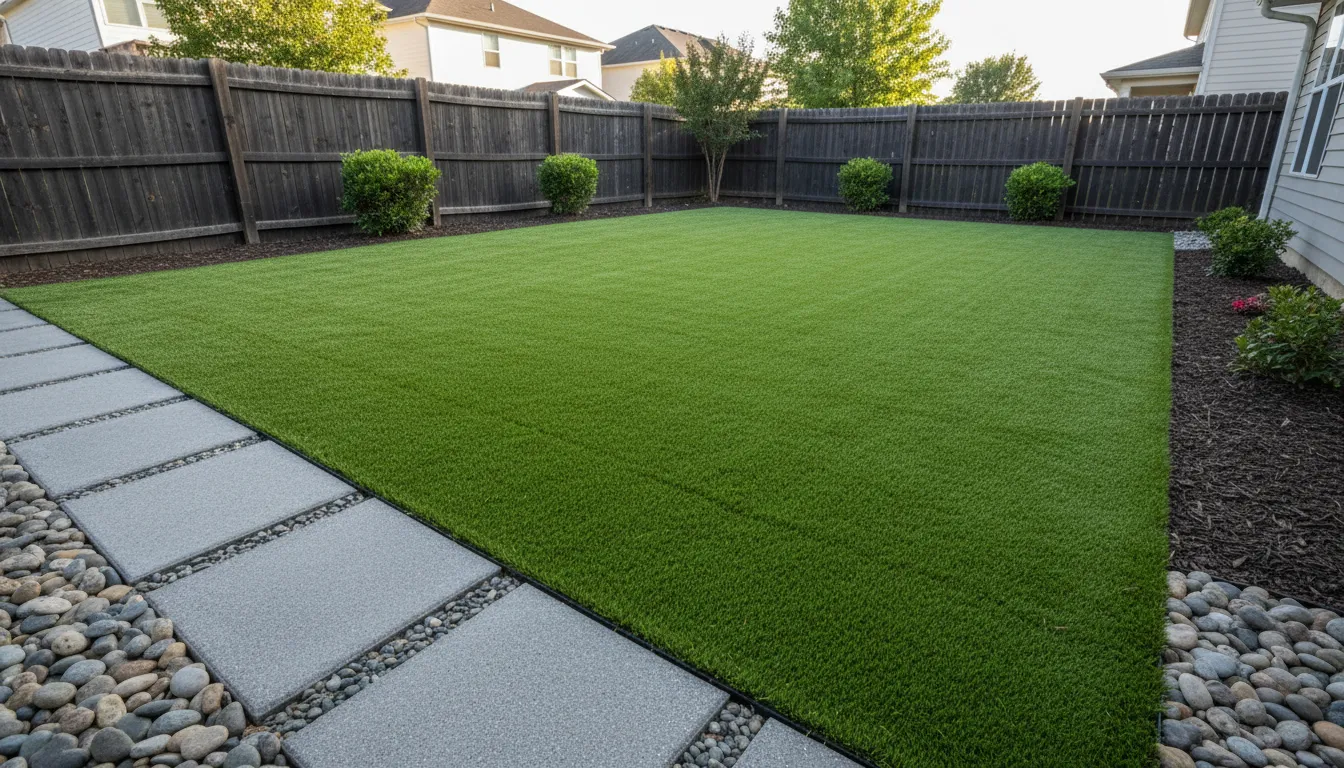
Artificial Turf offers a perpetually green lawn with minimal upkeep. It requires no mowing, fertilizing, or regular watering, making it a powerful tool for water conservation. The initial investment is higher, and it involves creating a sophisticated base for drainage and longevity, but it pays off in reduced long-term maintenance and water bills.
Best Time for Installation in Utah
Timing is everything, especially for natural grass. Utah's hot, dry summers and cold winters create a narrow window of ideal conditions.
-
For Natural Sod: The absolute best times are early fall (September to mid-October) and spring (April to early June). Fall is often preferred because cooler temperatures and (hopefully) autumn rains reduce the water stress on new grass, allowing roots to establish before winter dormancy and a strong spring green-up 1 2. Spring installations are also successful but require vigilant watering as summer heat approaches. Summer installation is possible but challenging, demanding a rigorous, multiple-times-daily watering schedule to prevent the sod from drying out and dying in the intense heat.
-
For Artificial Turf: Installation can typically proceed throughout much of the year, as you are not dealing with living plant material. The primary weather concern is avoiding frozen ground or heavy rain during the base preparation phase, which requires compacting soil and gravel. Spring, summer, and fall are all suitable.
Critical Step: Site Preparation
Proper preparation is the non-negotiable foundation for both sod and turf. Skipping or rushing this step leads to drainage problems, uneven surfaces, and premature failure.
For a Sod Lawn:
- Clear & Grade: Remove all existing grass, weeds, and debris. Rough grade the area to ensure a slope of 1-2% away from your home's foundation for positive drainage 3.
- Till & Amend: Till the soil to a depth of 4-6 inches. Utah soils are often clay-heavy or sandy. Amend with 2-3 inches of organic compost or high-quality topsoil to improve texture, nutrient content, and water retention.
- Test & Fertilize: Consider a soil test through the USU Extension service to check pH and nutrient levels. Incorporate a starter fertilizer high in phosphorus to encourage strong root development.
- Final Leveling: Rake the soil smooth and use a lawn roller (half-filled with water) to create a firm, level surface. The final grade should be about 1 inch below sidewalks or driveways to accommodate the sod's thickness.
For an Artificial Turf Lawn:
- Clear & Grade: Follow the same initial clearing and rough grading steps as for sod, ensuring proper drainage slope.
- Excavate & Compact: Excavate to a depth of 3-4 inches to make room for the base materials. Compact the exposed subsoil.
- Install Base Layers: Add a 3-4 inch layer of crushed rock or decomposed granite. This layer is crucial for drainage. Compact it thoroughly. A final 1-inch layer of fine gravel or sand is often added and leveled to create a perfectly smooth surface for the turf to lie on 4.
Find the perfect sod and turf lawn installers for your needs
Get personalized recommendations and expert advice
Installation and Immediate Aftercare
Laying Sod: Install sod immediately after delivery. Stagger the rolls in a brick-like pattern, ensuring seams are tight and edges are butted together. Roll the entire area again to ensure good soil-to-root contact. Watering must begin within 30 minutes of installation. For the first 7-14 days, new sod needs frequent, short watering sessions (about 10 minutes) 2-4 times per day to keep the roots and soil constantly moist 5.
Laying Artificial Turf: Unroll the turf and allow it to acclimate and relax in the sun for an hour. Trim edges to fit. Seam pieces together using specialized tape and adhesive. Secure the perimeter with landscape spikes or nails. Spread silica sand infill across the surface and brush it into the fibers to help the blades stand upright and add weight.
Long-Term Maintenance and Watering Schedule
Caring for New Sod:
- Weeks 1-2: Water 2-4 times daily (early morning and late evening are best) to prevent drying. The soil underneath should feel moist like a wrung-out sponge 6 7.
- Weeks 3-4: Begin to reduce frequency and increase watering duration to encourage deeper root growth. You can test root establishment by gently lifting a corner of the sod.
- After 4 Weeks: Transition to a standard deep-and-infrequent watering schedule, typical for Utah lawns (about 1-1.5 inches of water per week, split into 2-3 sessions). You can perform the first mow once the grass reaches about 3.5 inches tall 8.
Caring for New Artificial Turf:
- Watering: Only needed occasionally to rinse away dust, pollen, or pet waste, or to cool the surface on extremely hot days.
- Raking/Brushing: Periodically brush the fibers with a stiff broom or plastic rake to keep them standing upright and prevent matting.
- Debris Removal: Regularly remove leaves and organic matter to prevent decomposition and weed growth in the infill.
Cost Considerations in Utah
Understanding the investment helps in planning. Costs are typically calculated per square foot.
- Sod Installation: Expect to pay between $1.00 and $2.50+ per square foot for a professionally installed sod lawn. This price generally includes soil preparation, the sod itself, delivery, labor, and initial fertilization 9 10.
- Artificial Turf Installation: This is a more significant upfront investment, ranging from $4.00 to $10.00+ per square foot installed. The cost includes site excavation, the complex base materials (gravel, sand), the synthetic turf product, seaming, infill, and labor 11 12. The long-term savings on water bills and maintenance equipment can offset this initial cost over time.
Choosing the Right Professional
Given the technical demands of soil prep, grading, and installation, working with an experienced professional is highly recommended. Look for providers with specific experience in Utah's climate. They should be able to assess your soil, discuss your water usage goals, and provide a detailed plan and contract outlining all steps of preparation, materials, and installation. Whether you choose the natural beauty of sod or the water-wise ease of artificial turf, expert installation is the key to a beautiful, durable, and functional lawn that enhances your Utah home for years to come.
Frequently asked questions
Sources
Footnotes
-
What's the Best Time to Plant Grass Seed in Utah? - https://artificialturfutah.com/best-time-to-plant-grass-seed-in-utah/ ↩
-
Yes, You CAN Sod Your Lawn in Autumn! - BB Hoffmansod - https://www.bbhoffmansod.com/yes-you-can-sod-your-lawn-in-autumn/ ↩
-
Preparing Soil for Turfgrass Establishment - Southern Utah | USU - https://extension.usu.edu/yardandgarden/research/preparing-soil-for-turfgrass-establishment-southern-utah ↩
-
How to Install Artificial Grass - https://lawnlove.com/blog/how-to-install-artificial-grass/ ↩
-
Sod Installation Guide - Utah Valley Turf Farms - https://utahvalleyturf.com/sod-installation-guide/ ↩
-
How to Care for New Sod in Utah's Climate? First 30 Days Guide - https://greencanyonlandscaping.com/blog/lawn-care-sod/30-days-care-guide-for-new-sod/ ↩
-
Maintaining Your New Sod: Dos and Donts in Draper, UT - https://sprinklerwork.com/draper/blog?post=maintaining-your-new-sod ↩
-
Northern Utah Turfgrass Management Calendar | USU - https://extension.usu.edu/yardandgarden/research/northern-utah-turfgrass-management-calendar ↩
-
Prepare Soil For Sod | Complete Guide From Ideal Rockaway! - https://idealrockaway.com/blog/how-to-prepare-soil-for-sod-complete-guide/ ↩
-
Sod Installation Cost 2025: 7 Powerful Pricing Secrets - https://stevesservicesllc.com/sod-installation-cost/ ↩
-
Utah Summer Sod Installation: Survival Guide for New Lawns - https://www.thompsonbrotherssod.com/2025/06/04/establishing-new-sod-in-utahs-heat-a-survival-guide-for-installing-in-summer/ ↩
-
Preparing Soil for Turfgrass Establishment - Northern Utah - https://extension.usu.edu/yardandgarden/research/preparing-soil-for-turfgrass-establishment-northern-utah ↩