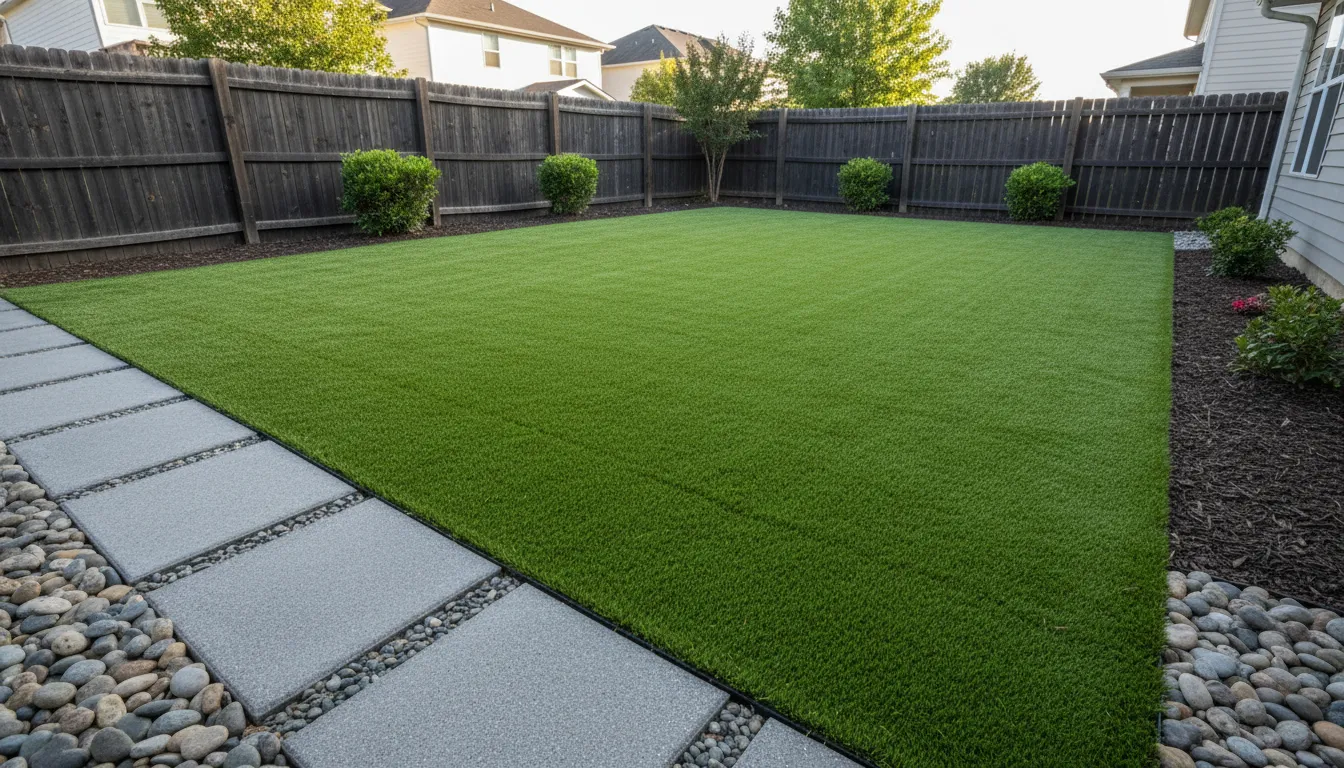
Find the Best Sod and Turf Lawn Installers for Your Business
No obligation • Fast responses • Nationwide coverage

Why you can trust Landscape Atlas
Landscape Atlas is a leading United States resource for evaluating landscaping, lawn care, and outdoor service providers. Our team researches each category in depth, focusing on service quality, safety, and customer experience. Listings and rankings are based on independent criteria and user feedback, and companies cannot pay to influence our assessments or recommendations.
Search providers near you
Top Sod and Turf Lawn Installers in Peachtree Corners, Georgia Ranked
Transforming a bare patch of dirt or an old, tired lawn into a lush, green carpet is a major home improvement project. New lawn installation, whether with natural sod or modern artificial turf, enhances curb appeal, provides usable outdoor space, and can even improve your property's value. In Peachtree Corners, this process involves careful planning around local soil conditions and drainage needs. This guide will help you understand the key steps, considerations, and local factors involved in finding the right professional for your sod or turf project.
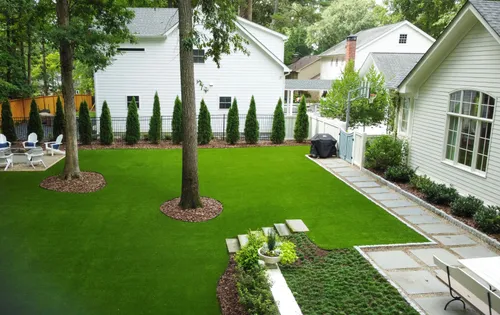
Southern Turf Co.® Atlanta Artificial Turf
2965 Flowers Rd S suite 115, Chamblee, GA 30341
Southern Turf Co.® Atlanta Artificial Turf provides artificial turf installation services in Atlanta, GA. They specialize in lifestyle turf, putting greens, and pet-friendly artificial turf for both residential and commercial properties. The company offers tailored turf solutions designed for durability and low maintenance, with up to a 15-year warranty on their products. Southern Turf Co. has completed numerous projects in the Atlanta area, transforming yards and outdoor spaces with high-quality artificial turf.
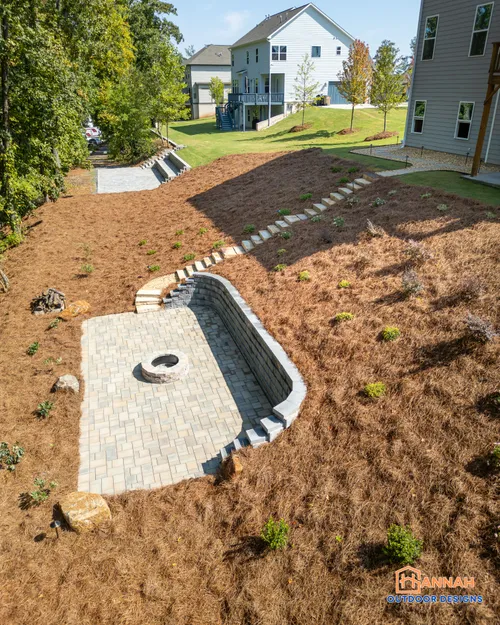
Hannah Outdoor Designs
2400 Herodian Way Suite 220, Smyrna, GA 30080
Hannah Outdoor Designs is a landscaping company based in Atlanta, GA, offering a wide range of services including landscape design, sod installation, irrigation, outdoor lighting, and yard drainage. They create custom 2D and 3D landscape designs and specialize in hardscaping features such as paver patios, walkways, retaining walls, and fire pits. The company holds several industry certifications, including those for retaining walls, soil and water conservation, pesticide application, and professional drainage, reflecting their expertise in outdoor living and erosion control solutions.
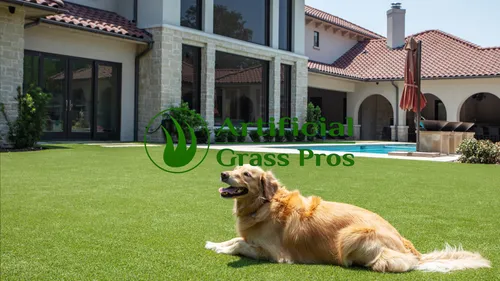
Artificial Grass Pros
Atlanta, GA
Artificial Grass Pros has been providing artificial turf installation services in Atlanta, GA since 2014. They specialize in high-quality synthetic turf designed for various outdoor spaces, including backyards, pet areas, and putting greens. With over 10,000 installations completed, their expertise includes expert grading, base selection, and professional compaction to ensure durable and long-lasting results. The company serves Atlanta and the surrounding areas, focusing on creating maintenance-free lawns that remain vibrant year-round.
Castor Tree Service
4427 Austell Rd Suite 100, Austell, GA 30106
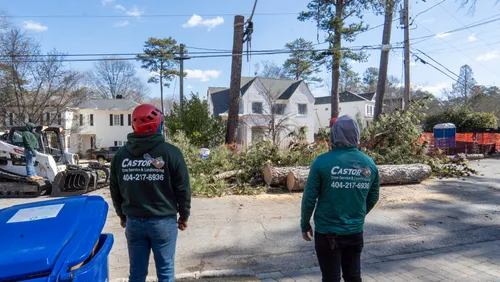
Castor Tree Service is a landscaping and tree care company located in Atlanta, GA. They offer services including tree removal, stump grinding, sod installation, artificial turf installation, yard drainage, and grading. The company is known for handling complex tree cutting and removal projects as well as yard leveling and sodding. Customers have noted their thorough cleanup and attention to detail. Castor Tree Service also provides emergency tree services when needed, demonstrating flexibility and responsiveness.
Maxwell Landscape Construction
4950 Plant Atkinson Rd, Smyrna, GA 30080
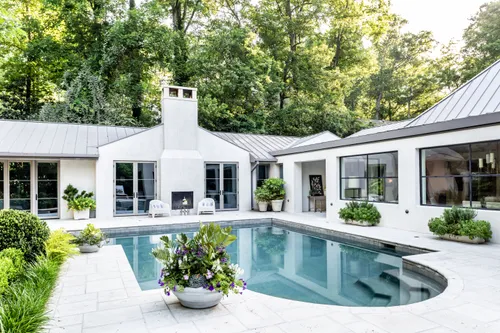
Maxwell Landscape Construction is a landscaping and hardscaping company based in Atlanta, GA. They specialize in custom landscape design and construction, including sod installation, artificial turf, landscape lighting, tree services, yard drainage, and retaining walls. Their services cover both residential and commercial projects, with capabilities such as stormwater management and pervious paver driveways to support environmental sustainability. With over 40 years of combined industry experience, Maxwell Landscape Construction brings expertise in transforming outdoor spaces to meet client visions.
Understanding Your Options: Natural Sod vs. Artificial Turf
The first major decision is choosing between natural grass sod and synthetic turf. Each has distinct advantages and considerations for the Peachtree Corners climate.
Natural Sod provides the authentic look, feel, and environmental benefits of real grass. It cools the air, produces oxygen, and feels soft underfoot. In Georgia, warm-season grasses like Bermuda, Zoysia, and Centipede are popular choices for their heat and drought tolerance once established. The installation is often quicker than artificial turf, but it requires a strict seasonal schedule-the best time for laying sod in Georgia is late spring through early summer, when soil temperatures are warm enough for roots to establish before winter 1. The ongoing commitment involves regular watering, mowing, and seasonal fertilization.
Artificial Turf offers a consistently green, low-maintenance lawn year-round. It requires no watering, mowing, or fertilizing, making it an attractive option for reducing long-term upkeep and water bills. The initial installation is more intensive and typically more expensive, as it requires extensive ground preparation to ensure proper drainage and a level surface. Modern synthetic grasses are highly realistic and durable, providing a usable lawn in high-traffic areas or shady spots where natural grass struggles.
The Critical First Step: Site Preparation and Grading
Regardless of your choice, proper site preparation is the non-negotiable foundation for a successful, long-lasting lawn. This phase often represents a significant portion of the project's cost and timeline.
For both sod and turf, the existing ground must be cleared of all vegetation, rocks, and debris. The next step, grading, is especially crucial in Peachtree Corners. Grading involves sculpting the land to create a smooth, stable surface with a slight slope-typically away from your home's foundation-to direct rainwater runoff. Proper grading prevents water from pooling on your new lawn, which can drown sod roots or cause artificial turf to buckle.
In many local properties, this process may reveal underlying drainage issues that need to be addressed professionally. Without correcting drainage first, even the most carefully installed lawn can fail.
Addressing Peachtree Corners Drainage Challenges
Georgia's heavy rains make drainage a primary concern for any landscaping project. A new lawn installation is the perfect time to solve existing wet spots or prevent future problems.
Grading for Drainage: As mentioned, creating the correct slope is the first line of defense. Professionals will ensure the grade channels water toward appropriate areas like storm drains or dry wells.
French Drains and Catch Basins: For areas with persistent standing water or heavy clay soil, a subsurface drainage system like a French drain may be necessary. This involves digging a trench, laying a perforated pipe surrounded by gravel, and covering it with soil. A professional French drain installation in the metro Atlanta area can range from $2,000 to $6,000 or more, depending on length and complexity. Catch basins can be added to collect surface water from downspouts or low points.
Investing in proper drainage during your lawn installation protects your investment, prevents erosion, and safeguards your home's foundation from water damage.
Soil Preparation: Building the Base
After grading and addressing drainage, the focus turns to creating the ideal base for your lawn type.
For Natural Sod: The goal is to create a nutrient-rich, loose bed for roots to penetrate. The subsoil is often tilled to break up compaction. Based on a soil test, amendments like compost, lime, or starter fertilizer are worked in to improve soil structure and fertility 2. This step is vital for helping the sod knit quickly to the soil and establish a deep, resilient root system.
For Artificial Turf: The base must be stable, compacted, and free of organic material to prevent settling and weed growth. The process typically involves excavating several inches of soil, installing a compacted gravel sub-base (often crusher run or decomposed granite), and topping it with a layer of finer aggregate or sand. This creates a firm, permeable foundation that ensures proper drainage beneath the turf and provides a comfortable, natural feel underfoot.
Find the perfect sod and turf lawn installers for your needs
Get personalized recommendations and expert advice
Installation and Project Timelines
Understanding the project phases helps set realistic expectations for how long your yard will be a work zone.
Grading and Drainage Work: This initial phase can take from a few days to over a week, depending on the size of your property and the complexity of the drainage solutions required.
Sod Installation: Once the soil is prepped, laying sod rolls is a relatively fast process. A skilled crew can often install sod on a typical residential lawn in one to two days. The critical period follows immediately: new sod requires consistent, heavy watering multiple times a day for the first few weeks to prevent the seams from drying out and to encourage rooting 3.
Artificial Turf Installation: After base preparation, the synthetic turf rolls are laid out, trimmed, and seamed together. Special infill material (often sand or crumb rubber) is brushed into the blades to keep them upright and add weight. The entire process from excavation to completion usually takes a few days to a week 4.
Cost Considerations for Peachtree Corners Homeowners
Costs for new lawn installation vary widely based on property size, site conditions, materials, and labor. Here's a general breakdown of what to expect in the metro Atlanta area:
- Overall Project Range: For a full-service project including grading, soil prep, drainage work, and installation, costs can range from $5 to $20 or more per square foot.
- Sod Costs: The sod itself varies by grass type but may range from $0.50 to $2+ per square foot for materials. The total installed cost is higher, incorporating delivery, labor, and all preparatory work.
- Artificial Turf Costs: Synthetic turf has a higher upfront material cost than sod, and the extensive base preparation adds to the labor. While more expensive initially, the long-term savings on water, mowing, and chemicals can offset the investment over time.
- Drainage Solutions: As noted, professional French drain systems are a significant line item, often costing $2,000 to $6,000+ 5 6 7.
The most effective way to budget is to get multiple detailed quotes from local professionals. A thorough quote should itemize site prep, materials, installation, and any necessary drainage work.
Choosing a Local Installation Professional
Selecting the right contractor is crucial. Look for a Peachtree Corners or metro Atlanta landscaper with specific, proven experience in the type of lawn installation you want.
- Review Portfolios: Ask to see before-and-after photos of completed sod or turf installations, particularly those that involved grading or drainage work.
- Check for Specialization: Some companies excel at natural lawns, while others focus on synthetic turf systems. Ensure their expertise matches your project.
- Ask About Process: A reputable pro will walk you through their step-by-step process for site evaluation, grading, base preparation, and installation.
- Get Everything in Writing: The contract should clearly detail every phase of work, materials to be used (including grass variety or turf brand), preparation steps, total cost, payment schedule, and timeline.
- Understand Warranties: Ask about guarantees on both the installation workmanship and the materials (sod or turf product).
Taking the time to prepare your site correctly and choose a qualified installer will give you a beautiful, functional lawn that enhances your home for years to come.
Frequently asked questions
Sources
Footnotes
-
When is the Best Time to Install Sod in Georgia? - Complete Horticulture & Tree Service | Tree Removal & Landscaping in Canton, GA - https://completehorticulture.com/when-is-the-best-time-to-install-sod-in-georgia/ ↩
-
Installing Sod After New Construction - https://ngturf.com/installing-sod-after-new-construction/ ↩
-
Laying Sod in Georgia for Best Results - Houseman Services - https://housemanservices.com/blog/laying-sod-in-georgia-for-best-results/ ↩
-
How Do You Prepare The Ground For Artificial Grass? - DFW Turf Solutions - https://dfwturf.com/how-do-you-prepare-the-ground-for-artificial-grass/ ↩
-
Atlanta Grading & Drainage - Southern Property Services - https://www.southernpropertyservices18.com/grading-and-drainage-metro-atlanta/ ↩
-
Peachtree Corners Drainage Solutions | Gwinnett County - https://thericksgroupga.com/peachtree-corners-drainage-solutions/ ↩
-
How Much is Landscaping: 2025 Price Guide - Verified Outdoor Services - https://verifiedoutdoorservices.com/blog/how-much-is-landscaping-cost-guide/ ↩