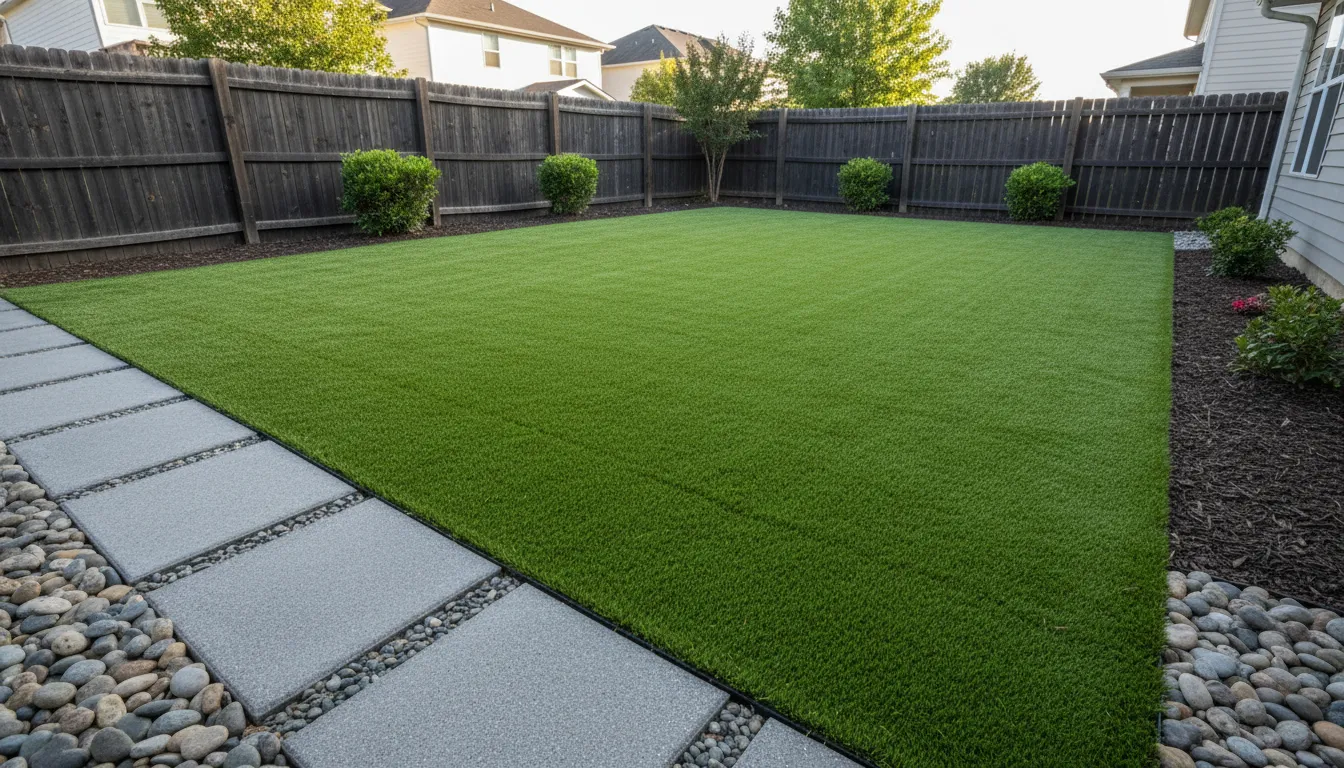
Find the Best Sod and Turf Lawn Installers for Your Business
No obligation • Fast responses • Nationwide coverage

Why you can trust Landscape Atlas
Landscape Atlas is a leading United States resource for evaluating landscaping, lawn care, and outdoor service providers. Our team researches each category in depth, focusing on service quality, safety, and customer experience. Listings and rankings are based on independent criteria and user feedback, and companies cannot pay to influence our assessments or recommendations.
Search providers near you
Top Sod and Turf Lawn Installers in Greenwood, Indiana Ranked
Transforming a bare patch of dirt or a tired, patchy lawn into a lush, green carpet is a major home improvement project. New lawn installation, whether with natural sod or modern artificial turf, can dramatically enhance your property's curb appeal, usability, and value. For homeowners in Greenwood, this process involves specific considerations for Indiana's climate and soil. This guide will help you understand the key steps, costs, and timing for installing a new lawn, so you can make an informed decision and connect with local professionals who specialize in creating beautiful, functional outdoor spaces.
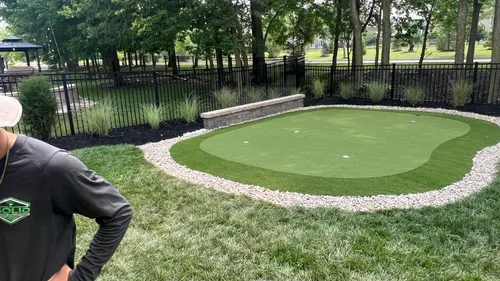
Solid Ground Solutions LLC
5342 Elmwood Ave Ste J&K, Indianapolis, IN 46203
Solid Ground Solutions LLC is a landscaping and hardscaping company based in Indianapolis, IN. They offer a range of services including custom hardscape design and installation, artificial turf installation, landscape installation, yard drainage, and lawn grading. Their work covers Indianapolis and nearby areas such as Greenwood, Fishers, Carmel, Noblesville, and Avon. The company specializes in durable paver patios, walkways, retaining walls, and pet-friendly synthetic turf with superior drainage. Solid Ground Solutions LLC is licensed, bonded, and insured, emphasizing clear communication and professionalism throughout each project.
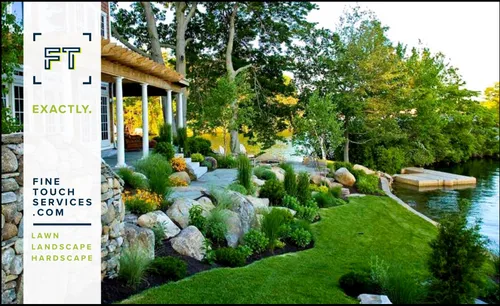
Fine Touch Services
12175 Visionary Way Suite 929, Fishers, IN 46038
Fine Touch Services is a landscaping and lawn care company based in Indianapolis, IN. They offer a wide range of services including lawn mowing, fertilization, weed control, sod installation, fence installation, landscape lighting, tree and stump removal, yard drainage, sprinkler system installation and repair, land clearing, and hardscaping such as patios and retaining walls. Serving the Greater Indianapolis area, including Carmel, Fishers, Noblesville, and surrounding communities, Fine Touch provides custom irrigation and drainage solutions along with comprehensive landscape design and installation. Their capabilities include outdoor living spaces, fire pits, water features, and seasonal lawn maintenance.
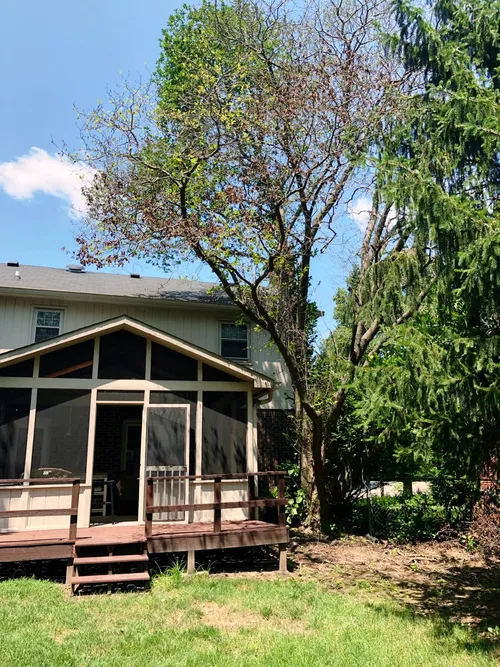
Evergreen Tree Service & Landscape
13255 Parkside Dr Suite 102, Fishers, IN 46038
Evergreen Tree Service & Landscape is a landscaping and tree service company based in Indianapolis, IN. They offer a wide range of services including tree removal, stump grinding, sod installation, landscape design, yard drainage, land clearing, and hardscaping such as patios and retaining walls. Their team includes certified arborists who prioritize safety and use the right equipment for tasks like stump grinding and lot clearing. Evergreen Outdoor is locally owned and known for handling challenging projects that other companies may not take on, ensuring quality work and customer satisfaction.
B&F Landscaping
Indianapolis, IN
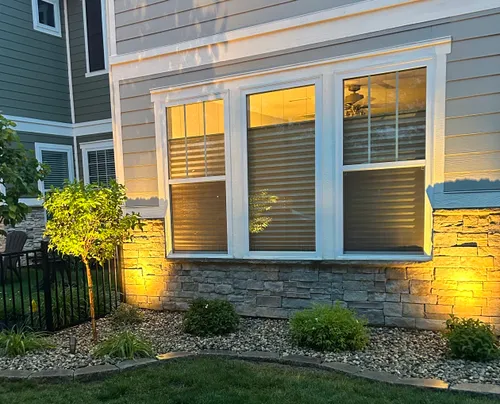
B&F Landscaping is a landscaping and hardscaping company based in Indianapolis, IN. They offer a wide range of services including lawn care, sod installation, tree and shrub care, fence installation, and landscape lighting. Their capabilities include creating 3D design renderings to help clients visualize projects before construction, ensuring confident decisions and reducing costly mistakes. The company focuses on transforming outdoor spaces with features like paver patios, fire pits, outdoor kitchens, pergolas, and retaining walls.
Doctor Tree & Landscape Specialist Inc.
2067 Sunshine Dr, Greenfield, IN 46140
Doctor Tree & Landscape Specialist Inc. is a landscaping company based in Indianapolis, IN, serving the city and surrounding communities. They offer a wide range of services including landscape design, sod installation, hardscaping with pavers and retaining walls, tree removal, stump grinding, yard drainage solutions, and landscape lighting installation. Their expertise covers both new installations and year-round property maintenance such as pruning, mulch installation, and seasonal cleanups. The company works with residential and commercial clients to create personalized outdoor spaces that balance beauty and function.
Understanding Your Options: Natural Sod vs. Artificial Turf
The first major decision in your lawn installation project is choosing between natural grass sod and synthetic turf. Each has distinct advantages and considerations for Greenwood homeowners.
Natural sod provides the classic look and feel of a real lawn. It's living grass that's grown on a farm, harvested in rolls or slabs, and installed on your prepared soil. It offers cooling benefits, a natural environment for kids and pets, and can increase property value. However, it requires ongoing maintenance like mowing, watering, fertilizing, and seasonal care to thrive in Indiana's climate.
Artificial turf, on the other hand, offers a consistently green appearance year-round with minimal upkeep. Modern synthetic grass looks incredibly realistic and is ideal for areas with heavy foot traffic, poor sunlight, or where water conservation is a priority. While the initial investment is higher, you save significantly on long-term maintenance costs like water, mowing, and chemical treatments.
The Critical First Step: Site Preparation and Grading
Regardless of which option you choose, proper site preparation is the non-negotiable foundation for a successful, long-lasting lawn. This is where many DIY projects go wrong, and hiring a professional can ensure it's done correctly.
Grading for Proper Drainage: This is arguably the most important step. Your yard must be graded to direct water away from your home's foundation to prevent basement flooding and structural issues. The goal is a slope of about 5%-roughly a 6-inch drop over 10 feet-leading water away from the house 1 2. Professionals use specialized laser-guided equipment to achieve this precise grade, which is difficult to replicate with DIY methods.
Soil Preparation for Sod: For a natural sod lawn, the soil itself must be prepared. This involves tilling the existing soil to break up compaction, removing rocks, roots, and debris, and often amending the soil. A soil test can determine if you need to add lime to adjust pH or compost to improve nutrient content and texture 3. Properly prepared soil allows sod roots to establish quickly and deeply, leading to a healthier, more drought-resistant lawn.
Base Preparation for Artificial Turf: Synthetic grass requires a different base. Instead of amending soil, installers typically excavate several inches of soil and replace it with a compacted base of crushed rock or gravel (often 10-20mm in size). This aggregate base provides critical stability, prevents settling, and, most importantly, ensures excellent drainage for the turf system 4.
The Installation Process: Timelines and Best Practices
Understanding the timeline helps set realistic expectations for your project's disruption and completion.
For Sod Installation: Once the site is graded and the soil is prepared, the process moves quickly. Sod is typically delivered on pallets and should be installed within 24 hours of harvesting. A skilled crew can lay sod for an average-sized yard in 1-2 days. The key is to avoid gaps or overlaps between rolls and to ensure good soil-to-root contact. The new lawn will require immediate and diligent watering to prevent the sod from drying out and to encourage root growth into the native soil below.
For Artificial Turf Installation: This process is generally more involved and takes longer-typically 2 to 5 days for a residential property, depending on complexity. After the aggregate base is installed and compacted, a weed barrier fabric is laid down. The synthetic turf rolls are then carefully positioned, trimmed to fit, and seamed together. Finally, a layer of silica sand infill is brushed into the turf blades to help them stand upright and provide ballast. Professional installation is highly recommended for artificial turf to ensure proper drainage, seamless joins, and a warranty on the workmanship.
The Best Time to Install in Greenwood: Timing impacts the success of a natural sod lawn significantly. The ideal window for establishing new grass in Indiana is late summer to early fall, specifically from around August 15 to September 15 5. During this period, the soil is still warm, which promotes root growth, while the cooler air temperatures reduce stress on the young grass and minimize competition from weeds. Spring is the second-best option, though it can be wetter and weed pressure is higher. Artificial turf can be installed virtually any time the ground is not frozen.
Find the perfect sod and turf lawn installers for your needs
Get personalized recommendations and expert advice
Cost Considerations for New Lawn Installation
Budgeting is a major part of the planning process. Costs can vary widely based on the size of your yard, site conditions, material quality, and labor.
Sod Installation Costs: For natural sod, you can expect to pay between $2 and $6 per square foot for a professionally installed lawn 6 7. This price typically includes site preparation (grading, soil amendment), the sod itself, installation labor, and an initial watering. For a 1,000-square-foot area, this translates to a total project cost of roughly $2,000 to $6,000. The sod material alone costs about $0.30 to $0.80 per square foot if you were to attempt a DIY installation 8.
Artificial Turf Installation Costs: Synthetic lawn installation has a higher upfront cost, generally ranging from $5 to $15 or more per square foot installed 9. This higher cost accounts for the more extensive site excavation, the price of the aggregate base materials, the synthetic turf product itself (which varies in quality and realism), and the skilled labor required for proper installation. While the initial investment is greater, the long-term savings on water, mowing, fertilizing, and other maintenance can make it a cost-effective choice over 10-15 years.
DIY vs. Professional Installation
While a DIY approach can save on labor costs, new lawn installation is a significant undertaking that benefits greatly from professional expertise.
The Case for Professional Sod Installation: Laying sod might seem straightforward, but the critical prep work is where professionals shine. Improper grading will haunt you with drainage issues for years. Professionals have the right equipment for precise grading and soil preparation, ensuring your lawn has the best possible start. They can also complete the job much faster, getting your sod down quickly before it stresses, and they understand the local growing conditions in Greenwood 10.
The Case for Professional Artificial Turf Installation: This is even less recommended as a DIY project. The precision required for the sub-base, the skill needed to create invisible seams, and the knowledge of proper drainage systems are essential for a result that looks good and lasts for decades. Most manufacturers' warranties on the turf product are only valid if installed by a certified professional, like those from SYNLawn Indiana.
Maintaining Your New Greenwood Lawn
Your responsibilities begin as soon as installation is complete.
Caring for New Sod: The first two weeks are critical. You'll need to water the sod deeply once or twice a day to keep the soil beneath it consistently moist. After roots establish, you can gradually reduce watering frequency. Avoid heavy foot traffic for the first month. Your first mowing should occur once the grass has grown to about 3-4 inches tall.
Caring for Artificial Turf: Maintenance is minimal but important. Regularly remove leaves and debris with a leaf blower or plastic rake. Rinse the turf occasionally to remove dust and pollen. You may need to brush the turf fibers periodically with a stiff-bristled broom to keep them standing upright, especially in high-traffic areas.
Frequently asked questions
Sources
Footnotes
-
Yard Grading 101: Everything you need to know - This Old House - https://www.thisoldhouse.com/lawns/yard-grading ↩
-
How to Properly Grade and Level a Yard - Cat Used - https://catused.cat.com/en/how-to-properly-grade-and-level-ayard/122/blogcontent.html ↩
-
Prepare Soil For Sod | Complete Guide From Ideal Rockaway! - https://idealrockaway.com/blog/how-to-prepare-soil-for-sod-complete-guide/ ↩
-
What to Put Under Artificial Grass for Drainage in Melbourne - Reelgrass - https://reelgrass.com.au/blog/what-to-put-under-artificial-grass-for-drainage/ ↩
-
Overseeding Your Lawn in Indiana: When and How to Do It Right - https://www.shadesofgreenlawncare.com/blog/overseeding-lawn-indiana-when-how-do-right ↩
-
Sod Installation Cost 2025: 7 Powerful Pricing Secrets - Steve's Services - https://stevesservicesllc.com/sod-installation-cost/ ↩
-
Grass Installation Cost: What Homeowners Should Know - https://warelandscaping.com/resources/grass-installation-cost ↩
-
How Much Does Sod Cost in 2026? - LawnStarter - https://www.lawnstarter.com/blog/cost/sod-price/ ↩
-
Indiana Artificial Grass | Greenwood IN | SYNLawn Indiana - https://indianaartificiallawns.com/greenwood-in/ ↩
-
Greenwood Yard Grading & Leveling Services - PMT Lawns - https://pmtlawns.com/yard-grading-leveling/ ↩