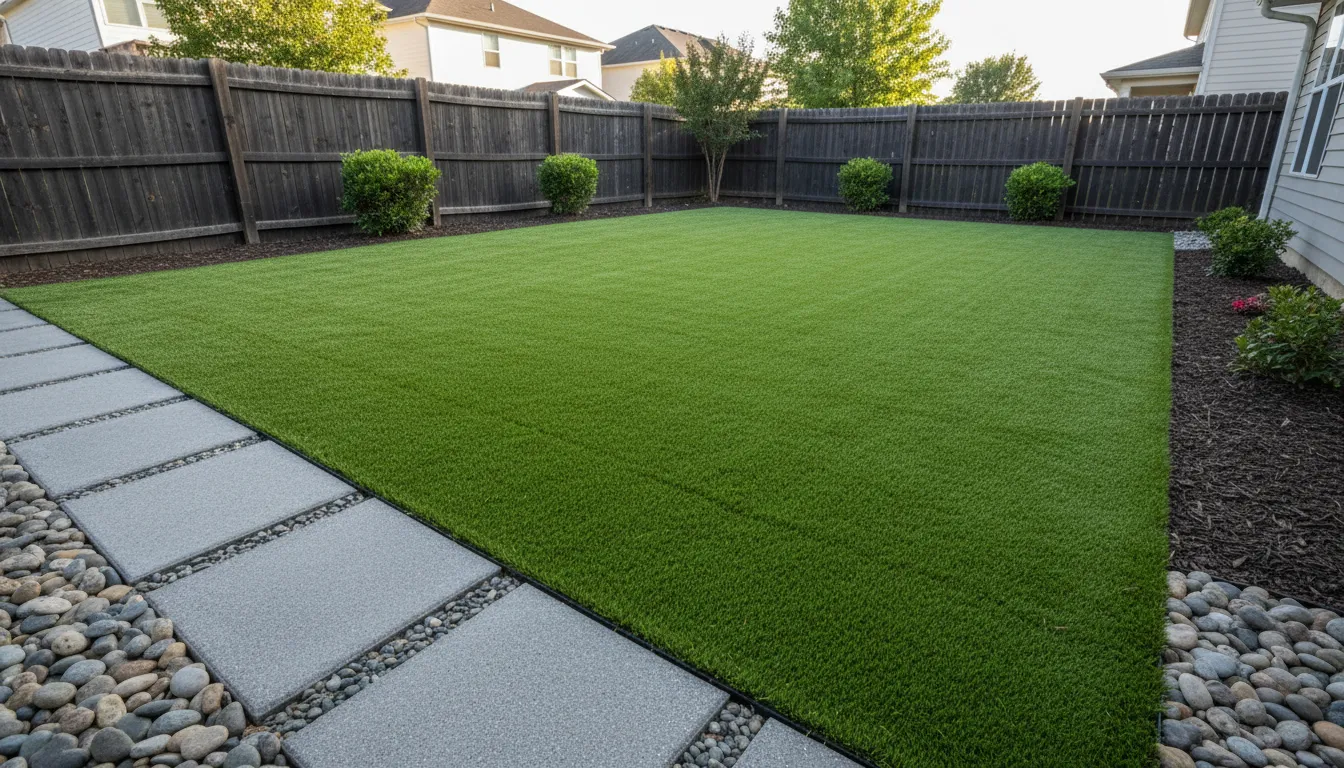
Find the Best Sod and Turf Lawn Installers for Your Business
No obligation • Fast responses • Nationwide coverage

Why you can trust Landscape Atlas
Landscape Atlas is a leading United States resource for evaluating landscaping, lawn care, and outdoor service providers. Our team researches each category in depth, focusing on service quality, safety, and customer experience. Listings and rankings are based on independent criteria and user feedback, and companies cannot pay to influence our assessments or recommendations.
Search providers near you
Top Sod and Turf Lawn Installers in Tigard, Oregon Ranked
A lush, green lawn can transform your outdoor space, providing a beautiful area for relaxation and play. In Tigard, homeowners have two primary options for achieving this: installing natural sod or modern artificial turf. Each method offers distinct benefits, from the instant gratification of a sodded lawn to the long-term, low-maintenance appeal of synthetic grass. This guide will help you understand the key considerations, processes, and costs involved in new lawn installation, empowering you to make an informed decision and connect with local professionals who can bring your vision to life.
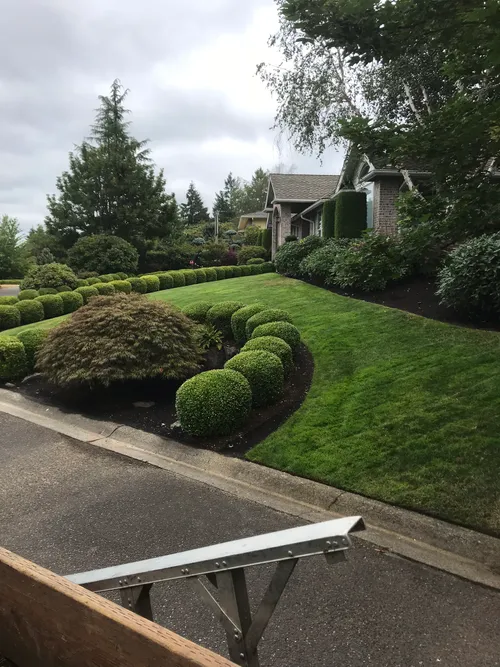
HD Landscape and Maintenance
Portland, OR
HD Landscape and Maintenance is a landscaping and maintenance company serving Portland, OR, and the surrounding metropolitan area. They offer a wide range of services including lawn care, sod and artificial turf installation, fence installation, landscape lighting, landscape design, tree services, yard drainage, hardscaping, and seasonal maintenance. Their work covers residential and commercial properties across Multnomah, Washington, and Clackamas counties. The company emphasizes sustainable landscaping practices using native plants and eco-friendly materials. They are fully licensed and insured, with experience handling projects from initial design to completion, including specialized capabilities like storm damage restoration and smart drainage systems.
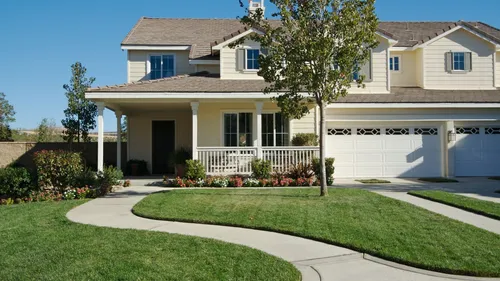
Lawn & Irrigation Technologies NW
2900 SE Cornelius Pass Rd Ste 336, Hillsboro, OR 97123
Lawn & Irrigation Technologies NW is a landscaping and irrigation contractor based in Portland, OR, serving the Washington County area for over 30 years. They offer a wide range of services including irrigation system installation and repair, sod installation, landscape lighting, paver installation, yard drainage solutions, and lawn fertilization. Their team is known for using water-efficient irrigation products and providing NDS-certified drainage solutions to enhance outdoor spaces while promoting environmental stewardship.
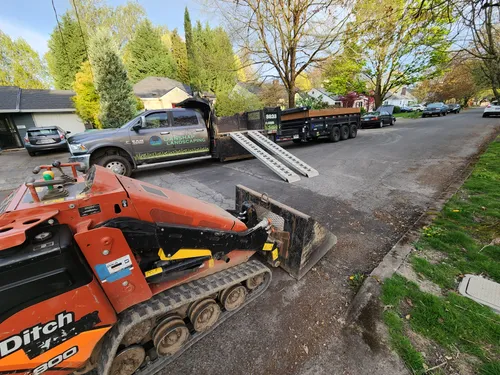
Danshap Landscaping and Excavation inc.
7800 NE 103rd Ave, Vancouver, WA 98662
Danshap Landscaping and Excavation Inc. is a licensed, bonded, and insured landscaping company serving Portland, OR, and the surrounding areas. They offer a wide range of services including sod installation, landscape design, tree removal, stump grinding, yard drainage, grading, land clearing, brush removal, and general lawn care. The company is equipped to handle both residential and commercial projects, with capabilities such as grading and re-sloping yards to improve drainage and appearance. Danshap Landscaping is locally owned and operated, with a strong focus on customer satisfaction and quality workmanship.
Wyeast Gardens, LLC
23202 SE Hoffmeister Rd, Damascus, OR 97089
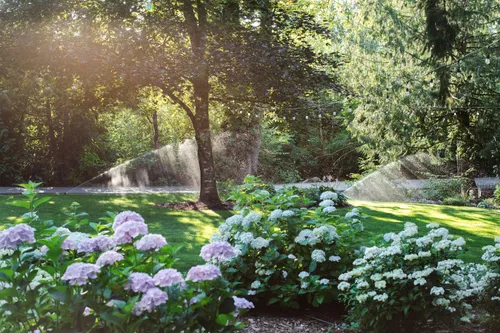
Wyeast Gardens, LLC is a full-service landscaping company based in Portland, OR, offering landscape design, irrigation installation and repair, yard drainage solutions, and hardscaping services. Serving commercial, residential, industrial, and governmental clients, they specialize in efficient irrigation systems and sustainable water management to enhance outdoor spaces. Established in 1994, Wyeast Gardens brings over 25 years of experience, including work with national cemeteries and VA hospitals, and provides skilled masonry and landscape construction services.
Western Paver Design
4800 Meadows Rd #300, Lake Oswego, OR 97035
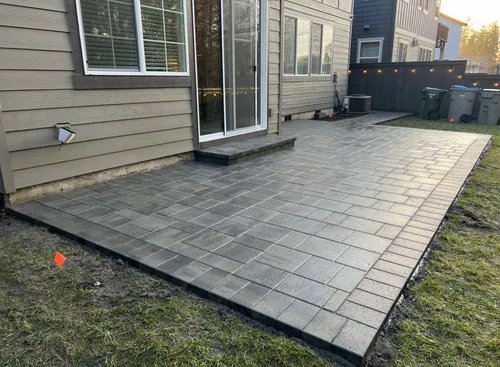
Western Paver Design is an outdoor paver, hardscaping, and construction company based in Portland, OR. They provide services including paver installation, artificial turf, retaining walls, concrete work, cultured stone, fences, pergolas, and decks. The company serves a wide range of locations around Portland, including Beaverton, Tigard, Hillsboro, Wilsonville, West Linn, Lake Oswego, Milwaukie, Happy Valley, Vancouver, Clackamas, Tualatin, Sherwood, and Oregon City. Western Paver Design specializes in hardscaping projects such as paver and retaining wall installation.
Understanding Your Options: Sod vs. Artificial Turf
Choosing between a natural sod lawn and an artificial turf installation is the first and most critical decision. Both create an immediate green space, but they differ fundamentally in material, maintenance, and long-term value.
Natural Sod provides a living carpet of grass, typically cool-season blends suited to the Pacific Northwest climate. It offers a traditional feel, natural cooling effects, and real soil underneath. However, it requires consistent watering, mowing, fertilizing, and seasonal care to thrive.
Artificial Turf, or synthetic grass, is a manufactured surface designed to look and feel like real grass. It has become increasingly popular in water-conscious regions like the Portland metro area, including Tigard. Its main advantages are significant water savings, elimination of mowing, and a consistently green appearance year-round, regardless of weather.
The Critical First Step: Site Preparation
Regardless of which option you choose, proper site preparation is the non-negotiable foundation for a successful, long-lasting lawn. This phase often determines the health of a sod lawn or the durability and drainage of an artificial one.
Preparing for a Sod Lawn
For natural sod to take root and flourish, the soil must be welcoming and nutrient-rich. The process typically involves:
- Clearing and Removal: The existing vegetation-whether old grass, weeds, or debris-must be completely removed. This can be done through sod cutting, tilling, or the use of herbicides, followed by raking.
- Soil Loosening and Amendment: The soil is then tilled or loosened to a depth of several inches to break up compaction. In Tigard's varied soils, adding 2 to 4 inches of fresh topsoil blended with compost is highly recommended to improve texture, drainage, and fertility.
- Grading and Slope: The area must be carefully graded to create a slight slope (about 1-2%) away from your home's foundation and other structures. This is essential for preventing water pooling and ensuring proper surface drainage 1 2.
- Final Touches: The prepared soil is then lightly compacted (rolled) to create a firm, level surface. Applying a starter fertilizer just before laying the sod gives the new grass roots an immediate nutrient boost.
Preparing for Artificial Turf
The preparation for synthetic grass focuses on creating a stable, well-draining base that will not shift or settle.
- Excavation: The site is excavated to a specific depth, removing all organic material to prevent future decomposition and settling.
- Sub-Base Installation: A layer of crushed rock or gravel (typically 3/8" minus or similar) is spread and meticulously compacted. This aggregate base is crucial for drainage and stability.
- Weed Barrier: A high-quality geotextile weed barrier is laid over the compacted base to prevent weeds from growing up through the turf.
- Drainage Considerations: While the rock base provides excellent permeability, the overall site must still be graded to direct runoff away from structures. For areas with chronic dampness, additional solutions like French drains may be integrated during this phase 3.
Installation Processes and Timelines
The installation phase is where your new lawn takes shape. The complexity and duration differ significantly between the two options.
Installing Natural Sod
Sod installation is a race against time to ensure the grass plugs don't dry out. Professionals work efficiently to:
- Lay the rolls of sod in a staggered brick-like pattern, ensuring tight seams without overlapping.
- Roll the entire area again to ensure solid soil-to-root contact.
- Begin immediate and thorough watering.
A typical sod installation for an average yard can often be completed in 1 to 3 days, including preparation. The critical "establishment period" of frequent watering follows for the next two weeks.
Installing Artificial Turf
Artificial turf installation is a more detailed construction process:
- The turf rolls are positioned, trimmed, and seamed together using specialized tape and adhesive.
- The perimeter is secured with nails or stakes.
- Infill is spread over the turf and brushed deep into the fibers. This step is vital for supporting the blades, providing weight, and aiding drainage.
Due to the excavation, base work, and precise seaming, an artificial turf project generally takes 3 to 7 days or more, depending on the size and complexity of the area.
Cost Considerations for Tigard Homeowners
Understanding the investment for a new lawn is key. Costs vary based on yard size, site conditions, material quality, and labor.
- Sod Installation: For professional installation including site prep, materials, and labor, homeowners in Tigard can expect costs to range from $1.00 to $3.00+ per square foot 4 5. The final price depends on the amount of soil amendment needed, the sod variety chosen, and the complexity of the grading work.
- Artificial Turf Installation: This represents a higher initial investment due to the materials and extensive base work. Installed costs typically range from $5.00 to $15.00+ per square foot 6 7. Factors influencing price include the quality and pile height of the turf, the depth of the base required, and any custom features like putting greens or complex shapes.
- Additional Site Work: Both projects may incur extra costs for significant drainage solutions (e.g., French drains) or major regrading, which can add $1,000 to $5,000 or more to the total project cost 8 9.
Find the perfect sod and turf lawn installers for your needs
Get personalized recommendations and expert advice
Ideal Timing for Your Project
Choosing the right season for installation impacts the success and ease of the project.
- Sod: The best times to install sod in the Tigard area are during the cooler, wetter months of spring (March to June) and fall (September to October). These conditions reduce heat stress on the new grass and leverage natural rainfall to aid establishment, though supplemental watering is still essential.
- Artificial Turf: Synthetic grass installation has more scheduling flexibility and can be performed almost year-round. However, it's best to avoid the heart of the rainy season, as working with saturated soil and rock base can be challenging. Dryer periods in late spring, summer, and early fall are ideal 10.
Long-Term Care and Value
Your responsibility after installation differs greatly.
- Sod Care: A new sod lawn demands vigilant care: deep daily watering for the first two weeks, followed by a regular mowing, fertilizing, and aerating schedule. It is a living landscape that requires ongoing investment of time, water, and resources.
- Turf Care: Artificial turf requires minimal maintenance: occasional rinsing to remove dust, brushing to keep blades upright, and topping up infill material every few years. It eliminates water bills for irrigation, costs for gas and mower maintenance, and the time spent on weekly lawn chores.
The key takeaway is that sod offers a lower upfront cost but carries ongoing maintenance expenses. Artificial turf requires a higher initial investment but provides significant long-term savings on water and maintenance, making it a compelling and popular choice for many Tigard homeowners.
Frequently asked questions
Sources
Footnotes
-
Practical Lawn Establishment and Renovation - OSU Extension Service - https://extension.oregonstate.edu/catalog/ec-1550-practical-lawn-establishment-renovation ↩
-
Planting Tips for Lawns and Grass Turf - Oregon Grass Seed - https://oregongrassseed.com/planting-tips/ ↩
-
What to Put Under Artificial Grass for Drainage in Melbourne - Reelgrass - https://reelgrass.com.au/blog/what-to-put-under-artificial-grass-for-drainage/ ↩
-
Tigard Lawn Installation - Natural Landscape and Irrigation - https://naturallandscapeandirrigation.com/services/tigard-lawn-installation.html ↩
-
How Much Does Sod Installation Cost? [2025 Data] | Angi - https://www.angi.com/articles/how-much-does-it-cost-lay-sod.htm ↩
-
Tigard Oregon Synthetic Grass and Turf - Alpha Turf NW - https://alphaturfnw.com/services/tigard-oregon-turf/ ↩
-
How Much Does Artificial Turf Cost? 2025 Complete Breakdown - https://www.turfkingz.com/articles/how-much-does-artificial-turf-cost ↩
-
Synthetic Turf in Tigard, Oregon - https://turfprossolution.com/artificial-grass-tigard-oregon/ ↩
-
How to Lay Sod - Soil Preparation - https://plantsod.com/articles-and-tips/how-to-lay-sod-soil-preparation ↩
-
The DIYers Guide to Ground Prep for Turf Installation and Accessories - https://artificialturfexpress.com/blog/the-diyers-guide-to-ground-prep-for-turf-installation-and-accessories/ ↩