Find the Best Sprinkler & Irrigation Companies for Your Business
No obligation • Fast responses • Nationwide coverage

Why you can trust Landscape Atlas
Landscape Atlas is a leading United States resource for evaluating landscaping, lawn care, and outdoor service providers. Our team researches each category in depth, focusing on service quality, safety, and customer experience. Listings and rankings are based on independent criteria and user feedback, and companies cannot pay to influence our assessments or recommendations.
Search providers near you
Top Sprinkler & Irrigation Companies in Denver, Colorado Ranked
A well-designed sprinkler or irrigation system is the key to a healthy, vibrant landscape in Denver's unique climate. These automated watering systems deliver precise amounts of water exactly where your lawn and plants need it, conserving a precious resource while saving you time and effort. This guide will help you understand the components, best practices, and local considerations for installing or maintaining an irrigation system in the Mile High City, connecting you with the knowledge to find the right local expertise for your project.
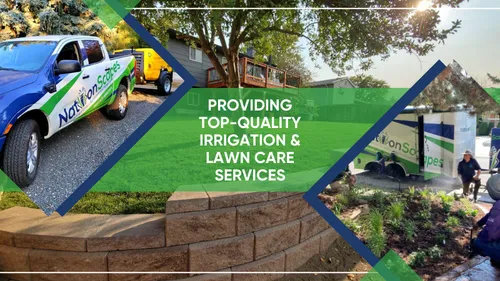
NationScapes
12600 W Cedar Dr, Lakewood, CO 80228
NationScapes is a lawn care and landscaping company serving Denver, CO, and the surrounding communities including Lakewood, Littleton, Arvada, and Golden. They offer a wide range of services such as lawn mowing, fertilization, weed control, sprinkler installation and repair, landscape lighting, tree and shrub care, and seasonal winter protection. Their certified technicians use modern techniques and products to maintain healthy lawns and efficient irrigation systems. Established in 1947, NationScapes brings decades of experience and a team of skilled professionals to deliver personalized service plans tailored to customer needs. They provide seasonal packages and offer same-day emergency sprinkler repairs when available.
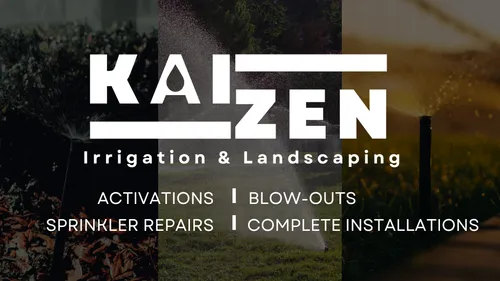
Kaizen Irrigation and Landscaping
10400 Park Meadows Dr, Parker, CO 80134
Kaizen Irrigation and Landscaping provides sprinkler installation, repair, activation, and blowout services in Denver, CO. They serve several nearby communities including Parker, Lone Tree, and Aurora, offering comprehensive irrigation solutions to maintain and improve lawn health. The company emphasizes continuous improvement and quality care, with trained and certified technicians handling all sprinkler needs.
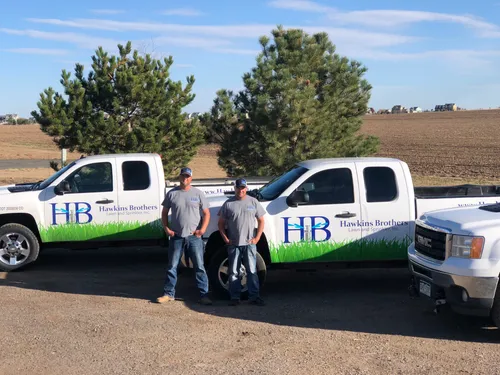
Hawkins Brothers Lawn and Sprinkler, Inc.
23700 E Alameda Ave, Aurora, CO 80018
Hawkins Brothers Lawn and Sprinkler, Inc. has been serving Denver, CO, and nearby areas for 29 years. They offer a full range of lawn care services including lawn mowing, sod and artificial turf installation, as well as sprinkler system installation and repair. Their team brings over 60 years of combined experience, focusing on reliable scheduling with one-hour appointment windows to minimize wait times.
Just Right Sprinklers
Denver, CO
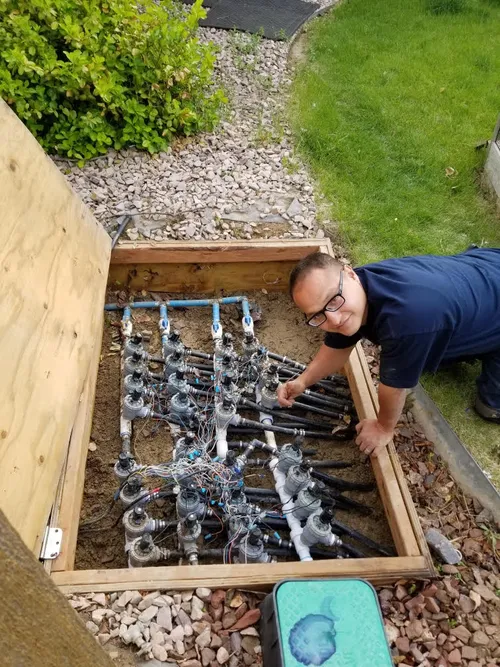
Just Right Sprinklers provides sprinkler installation, repair, system upgrades, winterization, spring start-ups, and drip irrigation services in Denver, CO. They work with all major sprinkler brands and focus on maintaining efficient irrigation systems to support healthy lawns and gardens. Their winterization service uses specialized equipment to prevent freeze damage, and they offer system retrofits with smart controllers and water-saving components to improve irrigation efficiency. Just Right Sprinklers emphasizes water conservation and thorough system inspections to minimize waste and extend system life.
The Fisherman LLC
2688 W Iliff Ave, Denver, CO 80219
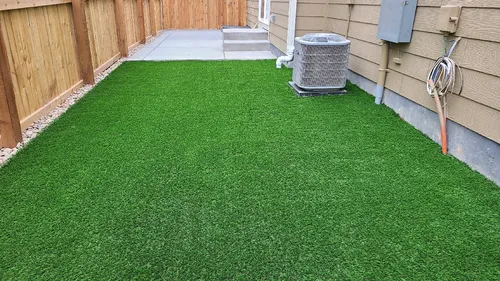
The Fisherman LLC is a landscaping company based in Denver, CO, offering residential and commercial services. With over 20 years of experience, they provide comprehensive landscaping solutions including lawn care, tree and shrub services, sprinkler installation, and hardscaping features like retaining walls and patios. Their team is licensed and insured, focusing on durable craftsmanship and customized outdoor designs that enhance both beauty and functionality. Serving Denver and surrounding areas within 100 miles, The Fisherman LLC combines quality materials and professional equipment to deliver lasting results.
Understanding Your Irrigation System Components
A modern automatic sprinkler system is more than just sprinkler heads popping up from the ground. It's a coordinated network of components working together. The system begins with a connection to your home's main water line, which feeds into a series of underground PVC pipes. These pipes deliver water to various zones in your yard, with the flow to each zone controlled by an electric valve. A central controller, or timer, sends signals to these valves to open and close on a set schedule. The water is then distributed through sprinkler heads, which come in different types: rotors for large turf areas, fixed spray heads for smaller lawns and borders, and drip emitters or bubblers for flower beds, gardens, and trees.
The concept of zoning is critical for efficiency. Your property is divided into sections based on plant type, sun exposure, and soil conditions. For example, a sunny lawn zone, a shaded lawn zone, and a perennial bed zone would all be programmed separately. This allows you to give each area the specific amount of water it needs without overwatering others. A proper layout ensures "head-to-head" coverage, meaning the water from one sprinkler head reaches the base of the next head, providing uniform distribution and eliminating dry spots 1.
Denver's Watering Rules and Best Practices
Living in a semi-arid climate comes with responsibility. Denver Water, the region's primary water utility, has established mandatory summer watering rules from May 1 through October 1. Watering with sprinkler systems is not allowed between 10 a.m. and 6 p.m. This rule helps reduce water loss from evaporation and wind during the hottest, driest part of the day.
Beyond the rules, following best practices for lawn watering in Colorado is essential for conservation and plant health. The general guideline is to water 2-3 days per week during the peak summer heat2. The goal is "deep and infrequent" watering, which encourages roots to grow deeper into the soil, making your landscape more drought-resistant. A common summer schedule might involve watering each zone for a longer duration, but only on two or three designated days 3.
Find the perfect sprinkler & irrigation companies for your needs
Get personalized recommendations and expert advice
The Critical "Cycle and Soak" Method for Clay Soils
One of the most important techniques for Denver homeowners is the "cycle and soak" irrigation method. Much of the Denver metro area has heavy clay soil, which absorbs water very slowly. If you run a sprinkler zone for 20 minutes straight, much of the water will simply run off the surface before it can penetrate, leading to waste and poor root hydration.
The cycle and soak method breaks a watering session into shorter cycles with breaks in between. For instance, instead of running a zone for 20 minutes once, you would program it to run for 7 minutes, then shut off for an hour to allow the water to soak in. The cycle would then repeat for another 7 minutes. This two-cycle approach allows for deep water penetration without runoff. This method is highly recommended for effective irrigation in our local soil conditions4 5 6.
Installation and Repair Considerations
Installing a new in-ground sprinkler system is a significant landscaping project. The process typically involves designing the zone layout, trenching for pipes, installing the sprinkler heads and valves, connecting the wiring from the valves back to the controller, and finally programming the system. Costs can vary widely based on property size, the number of zones, and the complexity of the design. As a reference point, an automatic system with around five zones might range from $2,500 to $5,000 for installation. Drip irrigation for planting beds is often priced per square foot7 8 9.
Even the best systems require maintenance and occasional repairs. Common issues include broken or misaligned sprinkler heads, leaky valves, wiring problems, or a malfunctioning controller. One non-negotiable annual service for Denver is winterization. Before the first hard freeze, the system must be properly winterized to prevent catastrophic pipe damage. This involves shutting off the water supply, draining the lines, and using a high-volume air compressor to "blow out" any remaining water from the pipes and heads 10 11. Failing to winterize is a leading cause of costly spring repairs.
Choosing the Right System and Professional
When planning for irrigation, consider your landscape's specific needs. A large, flat lawn is well-served by rotor heads, while intricate garden beds require a drip irrigation system for targeted watering. Modern "smart" controllers can connect to weather stations or local weather data to automatically adjust watering schedules based on rainfall, temperature, and evaporation rates, offering the next level in water efficiency.
Finding a qualified professional is key. Look for providers with experience in Denver's soil and climate challenges, who understand local watering rules, and who emphasize water-conserving design. They should be able to explain the cycle and soak method, provide a clear zoning plan, and detail their winterization service. A well-installed and properly managed irrigation system is an investment that protects your landscaping investment and contributes to responsible water use in our community.
Frequently asked questions
Sources
Footnotes
-
Easy, step-by-step, underground sprinkler system layout guide - https://images.thdstatic.com/catalog/pdfImages/a9/a9564496-8fb7-4141-8758-5f660a7a9310.pdf ↩
-
Rules for Outdoor Water Use - Denver Water - https://www.denverwater.org/residential/rebates-and-conservation-tips/summer-watering-rules ↩
-
Methods to Schedule Home Lawn Irrigation - https://cmg.extension.colostate.edu/Gardennotes/265.pdf ↩
-
Watering Your Lawn - Denver Water - https://www.denverwater.org/residential/efficiency-tip/watering-your-lawn ↩
-
How to Water Your Lawn in Colorado - LawnStarter - https://www.lawnstarter.com/blog/colorado/how-to-water-lawn-colorado/ ↩
-
Irrigation for Clay Soil vs Sandy Soil - Learning Center - https://blog.greenmeadowlawncare.com/irrigation-for-clay-soil-vs-sandy-soil ↩
-
The Best Irrigation Systems for Denver - a First-Timer's Guide - https://www.coloradosprinklerservice.com/blog/the-best-irrigation-systems-for-denver-a-first-timers-guide/ ↩
-
How Much Does it Cost to Install a Sprinkler System in Denver? - https://www.erlandscapingco.com/how-much-to-install-sprinkler-system-denver/ ↩
-
What To Expect During the Sprinkler System Installation Process - https://www.groundsource.pro/blog/what-to-expect-during-sprinkler-system-installation-process ↩
-
You're Turning Your Sprinkler System On Too Late - https://www.youtube.com/watch?v=j0DM7Fsqahk&t=38 ↩
-
In-Ground Sprinklers - https://americannationalco.com/the-pros-and-cons-of-in-ground-sprinkler-systems/ ↩