Find the Best Sprinkler & Irrigation Companies for Your Business
No obligation • Fast responses • Nationwide coverage

Why you can trust Landscape Atlas
Landscape Atlas is a leading United States resource for evaluating landscaping, lawn care, and outdoor service providers. Our team researches each category in depth, focusing on service quality, safety, and customer experience. Listings and rankings are based on independent criteria and user feedback, and companies cannot pay to influence our assessments or recommendations.
Search providers near you
Top Sprinkler & Irrigation Companies in Miami Gardens, Florida Ranked
A well-designed sprinkler and irrigation system is more than just a convenience; it's a vital tool for maintaining a healthy, vibrant landscape in Miami Gardens' unique climate. Efficient watering practices conserve our precious water resources, save you time and money, and ensure your lawn and plants thrive despite the heat and seasonal rains. This guide will help you understand the components, best practices, and local considerations for automatic watering systems, empowering you to make informed decisions for your property.
Epic Landscaping / Nursery
6650 SW 189th Way, Southwest Ranches, FL 33332
Epic Landscaping / Nursery is a landscape design and maintenance company based in Miami, FL. They provide a wide range of services including landscape design, tree removal, stump grinding, sprinkler installation and repair, lawn care, and hardscaping such as pavers and retaining walls. With over 20 years of experience in South Florida, they have completed more than 10,000 landscaping projects for both residential and commercial clients. Their team is known for their expertise in creating functional and attractive outdoor spaces, including irrigation systems and detailed tree care.
Sunshine Tree Trimming
1879 SW 16th St, Miami, FL 33145
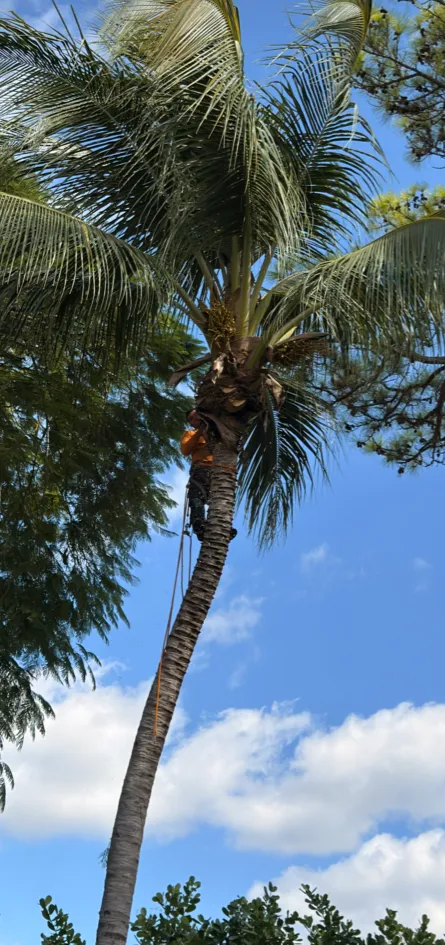
Sunshine Tree Trimming is a Miami, FL-based company offering a wide range of outdoor services including tree trimming, tree removal, stump grinding, land clearing, landscaping, lawn care, and irrigation. Established in 1995, they serve residential, commercial, and municipal clients throughout Miami and surrounding communities. The company specializes in detailed tree care such as hazardous tree trimming and tree relocation, with a focus on maintaining healthy and well-shaped trees. They provide customized service and maintenance agreements and are fully licensed and insured.
C S Designer Landscaping LLC
500 S Federal Hwy Apt #2592, Hallandale Beach, FL 33008
C S Designer Landscaping LLC is a landscaping company based in Miami, FL, offering a wide range of services for residential and commercial properties. Their expertise includes lawn maintenance, landscape design, sod and artificial grass installation, tree services, sprinkler installation and repair, and hardscaping such as pavers and retaining walls. With over 20 years of experience, they provide custom plans and installations tailored to client needs across Miami and surrounding counties. The company handles projects of various sizes and focuses on delivering consistent quality in all aspects of landscaping.
Nature's Dream Landscape
12385 SW 73rd Ave, Pinecrest, FL 33156
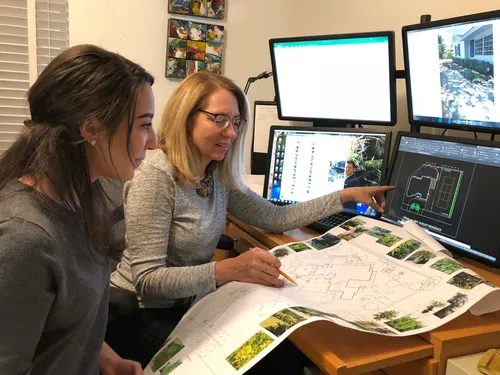
Nature's Dream Landscape is a landscaping and tree service company based in Miami, FL, serving Pinecrest and nearby areas including Coral Gables, Palmetto Bay, and South Miami. They provide a wide range of services such as landscape design and installation, tree care, irrigation system installation and repair, lawn maintenance, and hardscape construction. The company is known for combining expert craftsmanship with creative design, using high-quality materials and plants to create sustainable and aesthetically pleasing outdoor spaces. Established in 2002, Nature's Dream Landscape offers specialized capabilities including certified arborist services and smart irrigation solutions.
Sustainable Landscapes and Lawn
5209 McKinley St, Hollywood, FL 33021
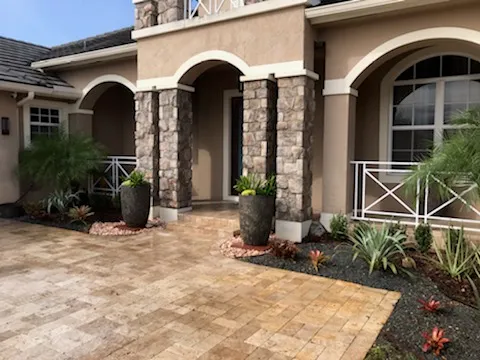
Sustainable Landscapes and Lawn is a landscaping and lawn care company based in Miami, FL. Established in 2012, they specialize in sustainable, low maintenance landscape design and maintenance services using Florida native plants and eco-friendly practices. Their services include lawn fertilization, weed control, tree trimming, sprinkler installation and repair, and custom landscape design. They focus on best management practices to create environmentally conscious outdoor spaces that are both beautiful and functional.
Understanding Your Irrigation System's Components
A modern irrigation system is a network of coordinated parts working together. At its heart is the controller, often called the timer or clock, which acts as the system's brain. This device is programmed to manage when and for how long each section of your yard receives water. Today's controllers are increasingly "smart," capable of connecting to weather data or soil moisture sensors to automatically adjust schedules, preventing wasteful watering during or after rainfall 1.
Your yard is divided into zones, which are groups of sprinklers or emitters that water plants with similar needs. A typical system might have one zone for a sunny lawn, another for a shady bed, and a third for foundation plantings. Each zone is controlled by an electric valve that opens and closes on command from the controller. The actual delivery of water is done by sprinkler heads for turf areas and drip irrigation lines for garden beds, shrubs, and trees. Using the right emitter for the right area is crucial; drip lines deliver water slowly and directly to the root zone of delicate plants, avoiding the wasteful overspray and leaf-wetting that can lead to disease.
Designing for Efficiency in South Florida
The key to an effective and water-wise system is proper design. In Miami Gardens, the most common and efficient setup is a combination system that utilizes traditional spray heads for grassy areas and drip irrigation for planted beds. This approach aligns perfectly with the principle of hydrozoning-grouping plants with similar sun exposure and water requirements on the same valve zone. A palm tree and a patch of sun-loving lantana, for instance, would be on a different schedule than a water-thirsty St. Augustine grass lawn.
A critical design rule is achieving head-to-head coverage. This means sprinkler heads are placed so the spray from one head reaches the base of the next head. This overlap ensures uniform watering, eliminating dry spots, especially in oddly shaped or narrow areas of your lawn 2 3. A professional design will also account for water pressure and flow rate to ensure each zone has enough capacity to operate all its heads effectively.
Find the perfect sprinkler & irrigation companies for your needs
Get personalized recommendations and expert advice
A Smart Watering Schedule for Miami Gardens
Your irrigation schedule should be a living document that changes with the seasons. Blindly running the same program year-round wastes water and can harm your landscape. Here's a general guideline for our region:
- Summer (June-August): This is peak watering season. Lawns typically need watering 2-3 days per week, with each zone running for about 20-30 minutes, depending on heat and rainfall. Always adjust if we've had significant rain.
- Spring & Fall (March-May, September-November): As temperatures moderate, you can scale back. Aim for 1-2 days per week, with run times of 15-25 minutes per zone.
- Winter (December-February): Growth slows considerably. Lawns require much less water, perhaps once a week or even less. Focus on watering trees, shrubs, and annuals as needed to prevent drought stress 4.
- The Golden Rule: Regardless of season, the best time to water is early in the morning, between 4 AM and 8 AM. This minimizes water loss to evaporation from the sun and wind and allows grass blades to dry quickly, reducing the risk of fungal diseases 5.
Investing in a smart controller with rain or soil moisture sensors automates these adjustments, offering significant water savings and peace of mind 6.
Installation, Costs, and Ongoing Maintenance
Installing a new irrigation system is a significant investment that pays off in curb appeal and time savings. Costs vary widely based on property size, system complexity, and the technology used. A basic new installation for a standard yard with 4-6 zones can start around $3,000 or more 7 8. Systems incorporating smart technology, more zones, or complex drip irrigation layouts can range from $5,500 to $15,000 8 9. While a DIY installation can save 30-50% on labor, it requires careful planning, knowledge of local codes, and proper trenching and assembly to avoid future problems 10 9.
Once your system is in, regular maintenance is non-negotiable. A simple monthly check can prevent major issues:
- Visually inspect each zone while it runs. Look for geysers (broken heads), misting (low pressure/blockage), or dry spots (clogged or misaligned heads).
- Ensure the controller is functioning and the schedule is correct for the current season.
- Clear grass, dirt, or debris from around sprinkler heads to ensure proper pop-up height and rotation.
For more comprehensive care, consider a professional service for an annual tune-up. They can perform a system audit to check precipitation rates, adjust heads, inspect valves for leaks, and ensure your controller is optimized. While repair costs for leaks, broken pipes, or faulty valves require a professional quote, addressing small issues promptly prevents water waste and larger repair bills down the line.
Finding Local Irrigation Expertise
For installation, major repairs, or expert advice, working with a local professional familiar with Miami Gardens' soil and climate is invaluable. These specialists understand the specific challenges of our area and can design a system that is both effective and efficient. They are also up-to-date on the latest water-conservation technologies and local ordinances.
Frequently asked questions
Sources
Footnotes
-
Lawn Sprinkler System Miami: Service Company Cost System FL - https://www.phblandscaping.com/lawn-sprinkler-system-miami-fl.html ↩
-
Landscape Irrigation | Home Water Works - https://home-water-works.org/landscape-irrigation/irrigation ↩
-
Sprinkler System Layout Guide | Sprinkler Radius - https://designerwatering.com.au/sprinkler-layout/ ↩
-
Miami Sprinkler System Installation - Conserva Irrigation - https://www.conservairrigation.com/miami/services/irrigation-installation/ ↩
-
How to Save Water with a Summer-Ready Irrigation Schedule: Efficient Planning for Hot Months Ahead - https://structurelandscapes.com/how-to-save-water-with-a-summer-ready-irrigation-schedule-efficient-planning-for-hot-months-ahead/ ↩
-
Lawn Sprinkler System Installation - Irrigation - https://uslawns.com/locations/fl/davie/services/irrigation/irrigation-installation/ ↩
-
How to Choose the Right Irrigation System for Your Florida Yard - https://libertylandscapesupply.com/blogs/resource-center/setting-up-your-irrigation-system-for-a-thriving-florida-landscape ↩
-
The Ultimate Guide to Irrigation for Florida Homeowners - https://www.groundsource.pro/blog/ultimate-guide-to-irrigation-for-florida-homeowners ↩ ↩2
-
Garden Sprinkler System Installation: 5 Easy Steps - https://randalllandscaping.com/garden-sprinkler-system-installation/ ↩ ↩2
-
Irrigation Installation in Miami Dade, Florida - U.S. Lawns - https://uslawns.com/locations/fl/miami-dade/services/irrigation/irrigation-installation/ ↩