Find the Best Sprinkler & Irrigation Companies for Your Business
No obligation • Fast responses • Nationwide coverage

Why you can trust Landscape Atlas
Landscape Atlas is a leading United States resource for evaluating landscaping, lawn care, and outdoor service providers. Our team researches each category in depth, focusing on service quality, safety, and customer experience. Listings and rankings are based on independent criteria and user feedback, and companies cannot pay to influence our assessments or recommendations.
Search providers near you
Top Sprinkler & Irrigation Companies in Orlando, Florida Ranked
A well-designed sprinkler and irrigation system is the cornerstone of a healthy, vibrant landscape in Orlando's climate. These automated watering systems deliver precise amounts of water to your lawn and plants, conserving a vital resource while ensuring your outdoor space thrives. This guide will help you understand the components, operation, and maintenance of a residential irrigation system, empowering you to find the right local expertise for installation, repair, or optimization.
DEANGELOS LAND SERVICES
Orlando, FL
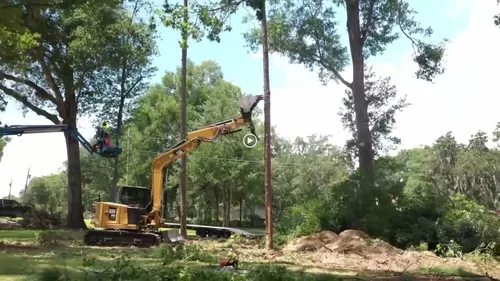
DEANGELOS LAND SERVICES is a comprehensive land and tree service provider based in Orlando, FL, serving Central Florida including Lake Mary and surrounding areas. They offer a wide range of services such as tree removal, land clearing, drainage solutions, tree trimming, excavation, and emergency tree removal with 24/7 availability. The company also specializes in arborist services, storm damage cleanup, landscape design, hardscaping, sod installation, and irrigation system installation. With over 8 years of experience, DEANGELOS LAND SERVICES is licensed and insured, focusing on safety, efficiency, and personalized care to maintain and enhance outdoor spaces.
Gabe Home & Outdoor Services
Orlando, FL
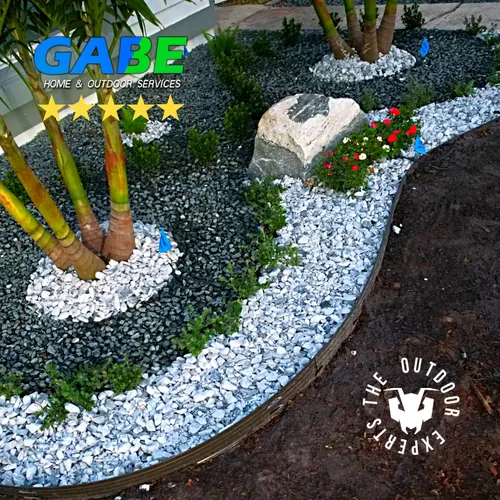
Gabe Home & Outdoor Services is a landscaping and irrigation company based in Orlando, FL, serving the Winter Garden area. They offer a wide range of outdoor services including landscaping design and installation, irrigation system repairs and installations, French drainage solutions, artificial turf and sod installation, tree trimming, and hardscaping with brick pavers. Their expertise includes custom storm drainage systems designed to prevent yard flooding using precise technology for proper slope and water flow. With years of hands-on experience and continuous training, they have built a strong reputation in the community and provide all services fully licensed and insured.
Quik Care Services Inc
247 Park Ave, Longwood, FL 32750
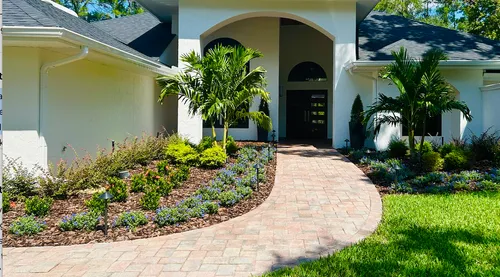
Quik Care Services Inc is a family-owned landscaping company based in Orlando, FL. They offer landscape design, sprinkler installation and repair, and irrigation services. The company serves Lake Mary, Longwood, Sanford, and the Tri-County area, combining personalized service with the resources of a larger enterprise.

Firsthand Lawn and Landscape, LLC
3720 N Orange Blossom Trl, Orlando, FL 32804
Firsthand Lawn and Landscape, LLC is a lawn care and landscaping company based in Orlando, FL. They serve a range of clients including property managers, HOA communities, businesses, and single-family homes in Orlando and surrounding areas such as Winter Park, Windermere, Bay Hill, and Doctor Phillips. Their services include lawn mowing, fertilization, weed control, aeration, pest control, sod installation, tree and shrub planting, as well as irrigation system installation and repairs. The company emphasizes detailed, customized care for each property and offers financing options for larger projects. They focus on maintaining healthy, attractive outdoor spaces with a skilled and experienced team.
H2O Experts Irrigation & Drainage
Orlando, FL
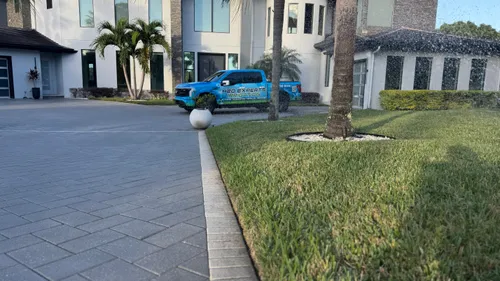
H2O Experts Irrigation & Drainage is a landscape and irrigation company serving Orlando, FL. They provide sprinkler installation, repair, and maintenance, as well as landscape lighting and yard drainage services. The company designs irrigation systems to maximize efficiency and coverage for lawns and gardens. H2O Experts operates in Central and Southwest Florida, including Lake Mary, Winter Springs, and Sarasota. They offer maintenance contracts with flexible schedules to help prevent irrigation problems and emergencies.
How an Irrigation System Works
At its core, a landscape irrigation system is a network designed to replace rainfall. It starts with a water source, typically your municipal supply or a private well. This water is distributed through a series of underground pipes to various zones in your yard. Each zone is controlled by an electric valve that opens and closes based on commands from a central controller or timer 1. When a zone is activated, water is delivered through emitters-which can be sprinkler heads for turf areas or drip lines for planting beds-directly to the root zones of your plants.
The magic of efficiency lies in zoning. Different areas of your landscape have different water needs. For example, a sunny stretch of St. Augustine grass requires more frequent watering than a shaded bed of azaleas. By grouping plants with similar thirst levels into the same irrigation zone, the system can deliver the right amount of water without waste 2. This smart design is essential for both plant health and adhering to local water conservation guidelines.
Key Components of Your System
Understanding the parts of your sprinkler system demystifies its operation and helps you communicate effectively with service professionals.
- Controller: The brain of the operation. This programmable device, often mounted in your garage, sends signals to open and close valves according to a set schedule. Modern "smart" controllers can adjust watering based on local weather data.
- Valves: These are the muscle. Usually housed in valve boxes in the ground, solenoid valves open to allow water to flow to a specific zone when they receive a low-voltage signal from the controller 3.
- Sprinkler Heads & Emitters: These are the delivery points. They come in several types:
- Spray Heads: Fixed spray patterns ideal for small, rectangular areas like front lawns. They typically run for shorter durations, around 15-20 minutes per cycle.
- Rotor Heads: Rotating streams that cover larger, circular areas. They apply water more slowly and usually need longer run times, often 30-45 minutes per zone.
- Pipes & Risers: The hidden circulatory system. PVC pipes carry water from the source to the valves and from the valves to the sprinkler heads, which are connected via vertical risers.
Creating an Efficient Watering Schedule for Orlando
Florida's weather presents unique challenges: intense summer heat, sporadic afternoon thunderstorms, and sandy soil that drains quickly. A proper watering schedule is not set-and-forget; it should change with the seasons.
The general rule is to provide about 1 inch of water per week to your lawn, combining rainfall and irrigation 6. However, Orlando's sandy soil often cannot absorb a full inch of water at once. It's more effective to split the watering into multiple, shorter cycles to prevent runoff. For instance, you might program a zone for three 5-minute cycles, spaced an hour apart, rather than one 15-minute cycle.
Timing is critical. The best time to water is in the early morning, between 2 AM and 6 AM 7. This minimizes water loss from evaporation due to sun and wind, and allows grass blades to dry before nightfall, reducing the risk of fungal diseases. Your schedule should be flexible:
- Summer (Hot/Dry): Water 2-3 times per week.
- Spring/Fall: Reduce to 1-2 times per week as temperatures moderate.
- Winter: Water only as needed, often just once every 10-14 days, during extended dry periods.
Find the perfect sprinkler & irrigation companies for your needs
Get personalized recommendations and expert advice
Installation and Repair Considerations
Investing in a new automatic sprinkler system is a significant home improvement. For a typical Orlando home, installation costs generally range from $3,500 to $6,000 or more, depending on property size, the complexity of the design (number of zones, type of heads), and soil conditions 8 9. A professional installer will conduct a site survey, design an efficient zone layout, obtain any necessary permits, and trench for pipes with minimal disruption to your existing landscape.
Repair needs are inevitable. Common issues include broken or misaligned sprinkler heads from lawn mowers, leaking valves, clogged nozzles, and wiring problems with the controller. Repair costs are highly variable but are typically less than a full system overhaul, often amounting to a few hundred dollars for common fixes. Addressing small leaks and breaks promptly is crucial, as a single broken head can waste thousands of gallons of water over a season.
Essential Maintenance for Longevity and Savings
Routine maintenance is the key to protecting your investment and conserving water. A neglected system can waste more water than it delivers to your plants.
- Monthly Visual Checks: Walk your property while the system is running. Look for geysers (broken heads), soggy areas (leaking pipes or valves), heads spraying onto pavement, and dry spots (clogged nozzles or poor coverage) 10.
- Seasonal Adjustments: Reprogram your controller at least four times a year to match seasonal weather changes. Don't forget to turn the system off during weeks with sufficient rainfall.
- Annual Tune-Up: Have a professional perform a comprehensive inspection. This should include checking and cleaning filters, flushing the lines to remove debris, testing valve operation, and verifying the accuracy of each zone's runtime.
- Upgrade for Efficiency: Consider adding a rain sensor, which is required by law in many Florida counties, to automatically skip watering after adequate rainfall. Upgrading to a Wi-Fi enabled smart controller can optimize schedules using hyper-local weather data, potentially paying for itself in water savings.
Frequently asked questions
Sources
Footnotes
-
you need to know about sprinkler irrigation system - Outdoor Makeover - https://outdoormakeover.net/complete-guide-to-sprinkler-irrigation-system/ ↩
-
How To Program a Sprinkler System - Irrigreen - https://irrigreen.com/blogs/sprinkler-systems/how-to-program ↩
-
The 5 essential components for an efficient irrigation system - rain.it - https://www.rain.it/en/magazine/5-essential-components-for-an-efficient-irrigation-system/ ↩
-
Irrigation Information - Citrus County - https://www.citrusbocc.com/departments/water_resources/water_conservation/landscape___irrigation_efficiency/irrigation.php ↩
-
4 Types of Landscape Irrigation - https://www.sposatoirrigation.com/4-types-of-landscape-irrigation/ ↩
-
Irrigation Help | Santa Clarita Valley Water - https://yourscvwater.com/irrigation-help ↩
-
Landscape Irrigation Watering Guide - https://northgeorgiawater.org/wp-content/uploads/2017/02/Landscape-Irrigation-Watering-Guide.pdf ↩
-
Maintaining Your Central FL Lawn Sprinkler System - https://www.lakemaryirrigation.org/maintaining-central-fl-lawn-sprinkler-system/ ↩
-
How Much Should It Cost to Install Home Irrigation Systems in ... - https://www.groundsource.pro/blog/cost-to-install-home-irrigation-systems-orlando-fl ↩
-
Lawn Sprinkler Repair & Installation Orlando, FL - https://www.pacificlawnsprinklers.com/Orlando-FL ↩