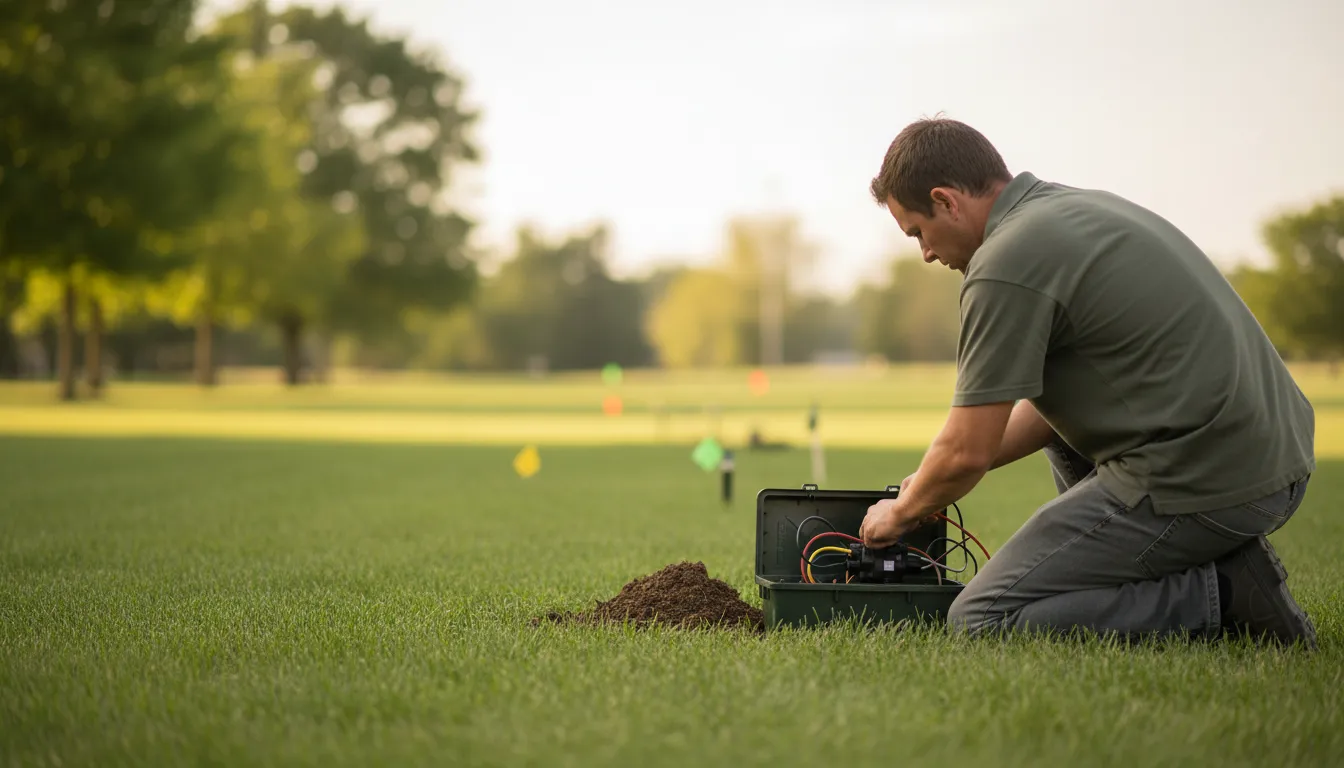
Find the Best Sprinkler & Irrigation Companies for Your Business
No obligation • Fast responses • Nationwide coverage

Why you can trust Landscape Atlas
Landscape Atlas is a leading United States resource for evaluating landscaping, lawn care, and outdoor service providers. Our team researches each category in depth, focusing on service quality, safety, and customer experience. Listings and rankings are based on independent criteria and user feedback, and companies cannot pay to influence our assessments or recommendations.
Search providers near you
Top Sprinkler & Irrigation Companies in Chicago, Illinois Ranked
A well-designed sprinkler or irrigation system is the cornerstone of a healthy, vibrant landscape, automating the essential task of watering your lawn and garden. In Chicago's variable climate, with its hot summers and freezing winters, a properly zoned and maintained system ensures your plants receive the right amount of water at the right time, conserving resources and protecting your investment. This guide will help you understand the components, benefits, and considerations for installing and maintaining an automated watering system, connecting you with the knowledge to find qualified local professionals for your project.
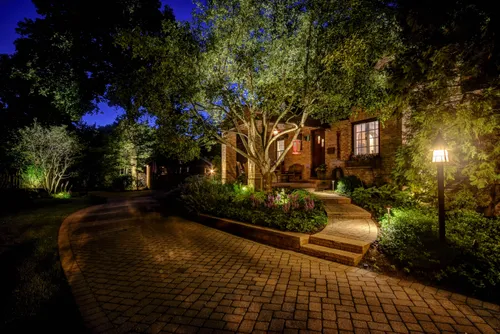
American National Sprinkler & Lighting
924 Turret Ct, Mundelein, IL 60060
American National Sprinkler & Lighting is a Chicago, IL-based company specializing in lawn sprinkler system installation, repair, and outdoor lighting services. Established in 1984, the company has grown from a small team to a large operation with over 40 vehicles and 80 employees. They focus on designing and maintaining reliable sprinkler and lighting systems, with a service approach that emphasizes quick scheduling and efficient repairs, often completed within one to two days. The company operates seven days a week to accommodate customer schedules and prioritizes minimizing the time clients need to be at home.
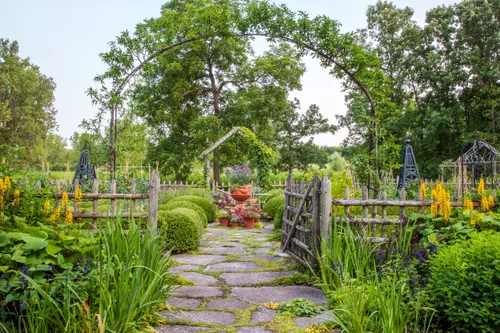
Advanced Sprinkler Systems, Inc
954 Marvell Ln, Highland Park, IL 60035
Advanced Sprinkler Systems, Inc provides sprinkler installation, repair, and irrigation services in Chicago, IL. They specialize in testing, certifying, and servicing RPZ (backflow) devices, which are required by Illinois law to prevent contamination of water supplies. Their licensed professionals ensure irrigation systems comply with state regulations. The company also offers seasonal services such as system winterization to protect equipment from freezing damage.
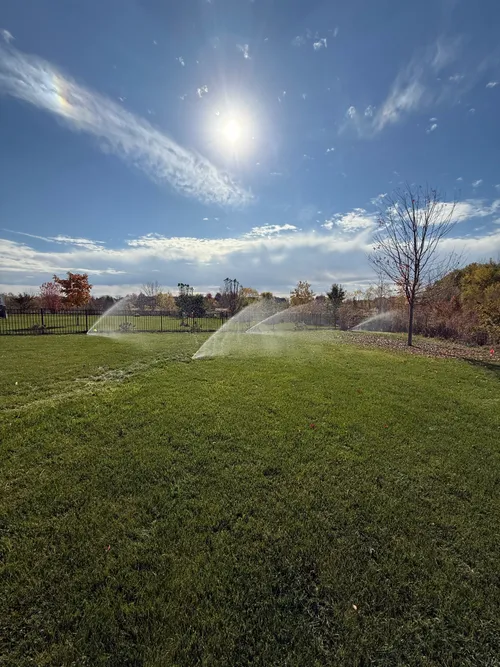
Ascend Irrigation, Inc
813 E Washington St, West Chicago, IL 60185
Ascend Irrigation, Inc is a Chicago, IL-based company specializing in landscape lighting installation, yard drainage, grading, and sprinkler system services. They design and install tailored irrigation and drainage solutions that promote efficient water use and help maintain healthy, vibrant outdoor spaces. Their expertise includes advanced irrigation technologies aimed at minimizing water waste and comprehensive drainage systems to prevent water buildup and erosion. With years of experience, Ascend Irrigation, Inc serves both residential and commercial properties, focusing on sustainable landscaping and outdoor lighting enhancements.
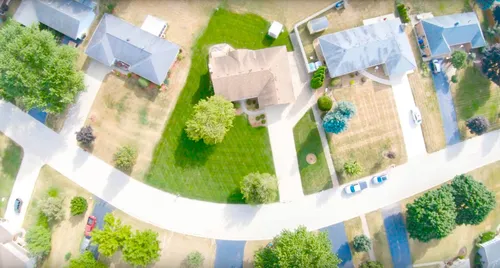
Carefree Lawn Sprinklers Inc.
22049 Howell Dr, New Lenox, IL 60451
Carefree Lawn Sprinklers Inc. is a lawn care and irrigation company serving Chicago, IL. They provide lawn fertilization, weed control, sprinkler installation and repair, lawn aeration, mosquito control, outdoor lighting installation, and pond treatments. With over 35 years of experience since 1987, they specialize in maintaining healthy lawns through expert irrigation system services and nutrient management. They also offer certified RPZ backflow device testing to ensure compliance and safety.
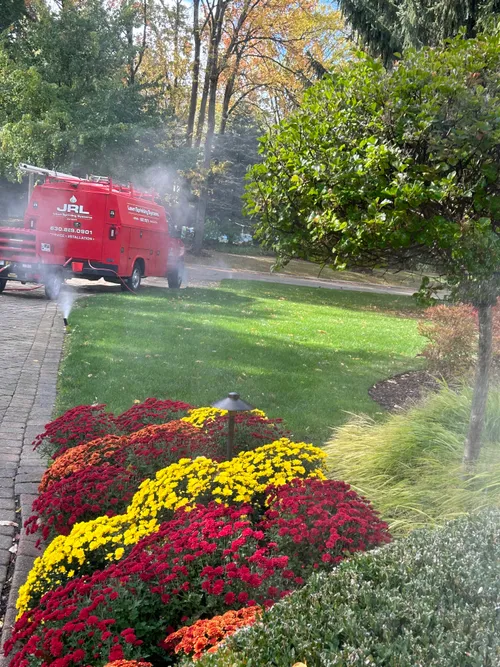
JRL Lawn Sprinkling Systems
Chicago, IL
JRL Lawn Sprinkling Systems has been designing and installing home irrigation systems in Chicago, IL since 1977. They specialize in sprinkler installation and repair, focusing on creating and maintaining lawn sprinkler systems with state-of-the-art equipment and professional staff. Their experience spans over four decades, serving the Chicagoland area with precise and reliable irrigation solutions.
Understanding Your Landscape's Watering Needs
Every property in Chicago has unique watering requirements based on its soil composition, sun exposure, and plant types. A one-size-fits-all approach often leads to overwatering some areas while underwatering others, wasting water and stressing your plants. The first step in planning an irrigation system is a professional assessment of these micro-environments within your yard. This evaluation forms the basis for creating distinct watering zones, a critical concept for efficiency. For instance, a sunny lawn area will have vastly different needs than a shaded perennial bed or a sloped garden, and each should be controlled independently.
Core Components of a Modern Irrigation System
A residential sprinkler system is more than just sprinkler heads popping up from the ground. It's an integrated network of components working together.
- Water Source & Backflow Preventer: The system connects to your home's main water supply. A crucial and code-required device is the backflow preventer, which stops contaminated water from siphoning back into your home's drinking water.
- Controller/Timer: This is the "brain" of the operation. Modern controllers are often Wi-Fi enabled, allowing you to create custom watering schedules and make adjustments from your smartphone. Many can integrate with local weather data or rain sensors to skip cycles during rainfall, a key feature for water conservation in the Midwest.
- Valves & Piping: Solenoid valves, typically housed in underground valve boxes, control the flow of water to each zone. When the controller signals a zone to activate, it opens the corresponding valve. Water then travels through a network of buried PVC or polyethylene pipes to the sprinkler heads.
- Sprinkler Heads & Emitters: This is the most visible part of the system, and choosing the right type for each area is essential for uniform coverage.
- Spray Heads: Ideal for smaller, rectangular, or irregularly shaped areas like front lawns and foundation plantings. They provide a fixed spray pattern 1.
- Rotor Heads: Best for covering large, open lawn areas. They rotate in a stream or multiple streams, applying water more slowly and evenly over a greater distance than spray heads.
- Drip Irrigation: This method uses tubing with small emitters to deliver water slowly and directly to the root zones of plants in garden beds, around trees, and in landscaped areas. It's highly efficient, minimizing evaporation and runoff 2.
The Installation Process: What to Expect
Professional installation is highly recommended to ensure proper zoning, code compliance, and long-term reliability. The process typically involves several key stages:
- Site Planning & Design: A technician will map your property, noting sun/shade patterns, soil type, and plant material. They will then design a zone map and layout for pipes, valves, and heads.
- Trenching & Pipe Laying: Using specialized equipment, trenches are dug for the mainline and lateral pipes. Depth is critical in Chicago to prevent freeze damage.
- Component Installation: The backflow preventer, valves, pipes, and sprinkler heads are installed according to the plan. Wiring from the controller to each valve is run through the trenches.
- System Testing & Adjustment: Once assembled, the entire system is pressurized and each zone is activated. Technicians adjust the spray patterns and arc of each head to ensure complete, overlapping coverage without watering sidewalks or driveways.
- Backfilling & Cleanup: The trenches are carefully backfilled, and the site is restored.
Find the perfect sprinkler & irrigation companies for your needs
Get personalized recommendations and expert advice
Cost Considerations for Chicago Homeowners
The investment in an automatic sprinkler system varies significantly based on the size and complexity of your landscape. For a basic system in a smaller Chicago yard, homeowners can expect costs starting in the range of $2,000 to $6,000+ 3. For medium to large properties with custom zoning, multiple valve zones, and a mix of spray, rotor, and drip irrigation, the price often ranges from $6,000 to $16,000 or more. Key factors influencing cost include the linear feet of trenching, the number of zones and sprinkler heads, soil conditions (like clay, which is common in the area), local permit fees, and the type of smart controller selected 3.
Year-Round Maintenance & Seasonal Services
To protect your investment from Chicago's harsh winters, seasonal maintenance is non-negotiable.
- Fall Winterization: Before the first hard freeze (typically late October to November), the system must be "blown out." A professional uses a high-volume air compressor to force all water out of the pipes, valves, and heads to prevent cracking from ice expansion. This service typically costs between $100 and $200+ 4 5.
- Spring Startup: In April or May, a technician will reactivate the system, inspect all components for winter damage, test each zone, and reprogram the controller with an appropriate seasonal schedule. Startup costs are similar to winterization.
- In-Season Repairs: Common issues include leaky valves, clogged or broken sprinkler heads, and wiring problems. Repair costs usually involve an hourly service charge (which can range from $45 to $150 per hour in the Chicago market) plus the cost of any replacement parts 6 7.
Smart Watering Practices for the Midwest Climate
An automated system is only as good as its programming. Following best practices saves water and promotes deeper, healthier root growth.
- Frequency & Timing: During the peak summer heat, most lawns benefit from watering 2-3 times per week. The absolute best time to water is in the early morning (between 4 AM and 6 AM) when wind and evaporation rates are at their lowest.
- Duration: Run times vary by head type and output. The goal is to apply about 1 inch of water per week, including rainfall. Spray zones may need 15-20 minutes, while rotor zones often require 30-60 minutes to deliver the same amount of water due to their slower application rate 8.
- Seasonal Adjustments: Reduce watering frequency in the cooler spring and fall months. During the dormant winter period (January through April) and late fall (October through December), trees and shrubs may only need occasional supplemental watering during dry spells.
The Long-Term Value of Professional Design
While a DIY approach may seem cost-effective initially, professional installation by a qualified irrigation specialist in Chicago offers immense long-term value. Experts ensure the system is correctly zoned, adheres to local plumbing codes (especially for backflow prevention), and is optimized for water pressure and coverage. This precision eliminates dry spots and wasteful runoff, leading to significant water savings over time. A well-installed system also increases property value and curb appeal by maintaining a consistently healthy landscape with minimal effort on your part 9 10.
Frequently asked questions
Sources
Footnotes
-
Sprinkler Planning & Installation Guide - https://sod.com/wp-content/uploads/2015/10/sprinkler-pig.pdf ↩
-
Pros and Cons of Installing a Sprinkler System for Your New ... - https://www.newhomesource.com/learn/pros-and-cons-of-installing-a-sprinkler-system/ ↩
-
How Much Does It Cost to Install a Sprinkler System in Chicago? - https://americannationalco.com/cost-to-install-a-sprinkler-system/ ↩ ↩2
-
Sprinkler Installation in Chicago | Sprinkler System - https://chicagosprinklerpro.com/sprinkler-installation/ ↩
-
How Much Does it Cost to Install a Sprinkler System in 2026? - https://lawnlove.com/blog/sprinkler-system-cost/ ↩
-
Sprinkler System Cost: Installation & Maintenance Guide - https://heartlandsprinklers.com/green-tips/sprinkler-system-cost-guide/ ↩
-
How much does it cost to install lawn irrigation system? 2025 - https://cutterslandscape.com/how-much-does-it-cost-to-install-lawn-irritagation-system/ ↩
-
Watering Guidelines For New Sod In Hillsborough County - https://www.freshsod.com/watering-guidelines-for-new-sod/ ↩
-
Professional Sprinkler System Installation: 7 Top Benefits 2025 - https://randalllandscaping.com/professional-sprinkler-system-installation/ ↩
-
Planning Your First Irrigation System: What Bloomington ... - https://www.fwlawncare.com/planning-your-first-irrigation-system-in-bloomington/ ↩