Find the Best Sprinkler & Irrigation Companies for Your Business
No obligation • Fast responses • Nationwide coverage

Why you can trust Landscape Atlas
Landscape Atlas is a leading United States resource for evaluating landscaping, lawn care, and outdoor service providers. Our team researches each category in depth, focusing on service quality, safety, and customer experience. Listings and rankings are based on independent criteria and user feedback, and companies cannot pay to influence our assessments or recommendations.
Search providers near you
Top Sprinkler & Irrigation Companies in Palatine, Illinois Ranked
A well-designed sprinkler and irrigation system is the cornerstone of a healthy, vibrant landscape in Palatine. These automated watering solutions deliver precise, rainfall-like hydration to your lawn and garden beds, conserving water and saving you significant time and effort. Understanding your options for landscape watering, from system design to smart scheduling, empowers you to maintain your property efficiently. This guide will help you navigate the components, benefits, and local considerations for installing or maintaining an irrigation system in our community.
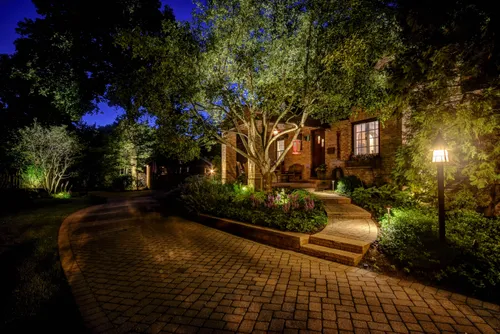
American National Sprinkler & Lighting
924 Turret Ct, Mundelein, IL 60060
American National Sprinkler & Lighting is a Chicago, IL-based company specializing in lawn sprinkler system installation, repair, and outdoor lighting services. Established in 1984, the company has grown from a small team to a large operation with over 40 vehicles and 80 employees. They focus on designing and maintaining reliable sprinkler and lighting systems, with a service approach that emphasizes quick scheduling and efficient repairs, often completed within one to two days. The company operates seven days a week to accommodate customer schedules and prioritizes minimizing the time clients need to be at home.
Advanced Sprinkler Systems, Inc
954 Marvell Ln, Highland Park, IL 60035
Advanced Sprinkler Systems, Inc provides sprinkler installation, repair, and irrigation services in Chicago, IL. They specialize in testing, certifying, and servicing RPZ (backflow) devices, which are required by Illinois law to prevent contamination of water supplies. Their licensed professionals ensure irrigation systems comply with state regulations. The company also offers seasonal services such as system winterization to protect equipment from freezing damage.
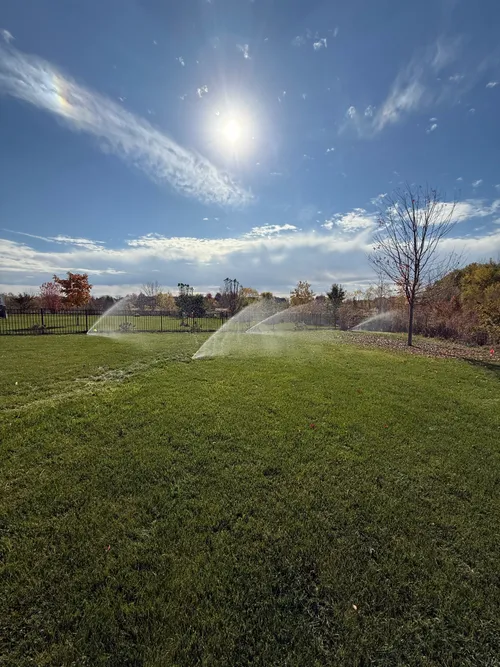
Ascend Irrigation, Inc
813 E Washington St, West Chicago, IL 60185
Ascend Irrigation, Inc is a Chicago, IL-based company specializing in landscape lighting installation, yard drainage, grading, and sprinkler system services. They design and install tailored irrigation and drainage solutions that promote efficient water use and help maintain healthy, vibrant outdoor spaces. Their expertise includes advanced irrigation technologies aimed at minimizing water waste and comprehensive drainage systems to prevent water buildup and erosion. With years of experience, Ascend Irrigation, Inc serves both residential and commercial properties, focusing on sustainable landscaping and outdoor lighting enhancements.
JRL Lawn Sprinkling Systems
Chicago, IL
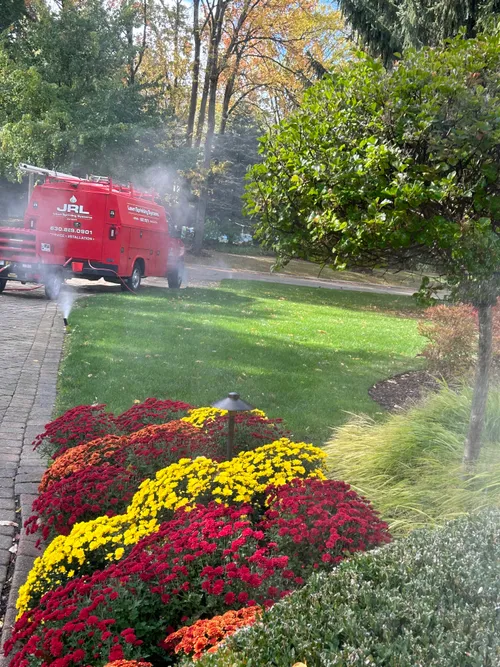
JRL Lawn Sprinkling Systems has been designing and installing home irrigation systems in Chicago, IL since 1977. They specialize in sprinkler installation and repair, focusing on creating and maintaining lawn sprinkler systems with state-of-the-art equipment and professional staff. Their experience spans over four decades, serving the Chicagoland area with precise and reliable irrigation solutions.
Allscape Services
452 Scotland Rd, Lakemoor, IL 60051
Allscape Services is an outdoor landscape and lawn sprinkler service provider based in Chicago, IL. They offer a full range of services including lawn irrigation, landscape lighting installation, yard drainage, grading, and holiday lighting. With over 25 years of experience, they serve customers throughout northern Illinois and specialize in design, installation, maintenance, and repairs to enhance outdoor spaces year-round. Their capabilities include lawn sprinkler system installation and comprehensive holiday lighting services.
How Sprinkler and Irrigation Systems Work
At its core, a modern in-ground irrigation system is a network designed to automate and optimize watering. It connects to your home's main water supply and uses a series of underground pipes to deliver water to designated zones across your property. The process is managed by an electronic controller-the system's brain-which sends signals to solenoid valves. Each valve controls a specific zone, opening to allow water to flow to a set of sprinkler heads or drip emitters 1.
The sprinkler heads are the most visible component, spraying water in controlled patterns to mimic natural rainfall. For optimal uniformity and to prevent dry spots, professionals design systems with "head-to-head" coverage, meaning the spray from one head reaches the base of the adjacent heads. This meticulous layout ensures every square foot of your lawn receives an even, consistent amount of water, which is far more efficient and effective than manual watering with a hose.
Key Components of an Efficient System
A reliable irrigation setup relies on several essential parts working in harmony. Knowing these can help you communicate effectively with local service providers.
- Controller: This is the programmable timer that automates your watering schedule. Modern "smart" controllers can adjust watering based on local weather data, improving efficiency.
- Solenoid Valves: These electrically operated valves are installed in valve boxes underground. Each one controls the water flow to a single zone, acting on signals from the controller 2.
- Sprinkler Heads: Available in various types (spray, rotor, and rotator), these pop up to water and retract when not in use. The type selected depends on the area's size and shape.
- Piping: Durable PVC or polyethylene pipes form the underground distribution network, carrying water from the valve to the heads.
- Backflow Preventer: A critical safety device required by Illinois code, it stops contaminated water from flowing backward into your home's clean water supply.
- Rain Sensor: This accessory overrides the system during rainfall, preventing unnecessary watering and conserving water.
Designing Your System: Zoning and Coverage
The most crucial step in irrigation is proper design, which begins with creating distinct watering zones. Zoning groups areas with similar water needs together, allowing for customized schedules. For example, a sunny lawn zone will require more frequent watering than a shaded garden bed or a zone dedicated to native plants 3.
A professional will assess your property's unique characteristics to create an effective zone map. Key factors include:
- Sun and Shade Patterns: Full-sun areas lose moisture faster than shaded spots.
- Soil Type: Clay soil holds water longer than sandy soil, affecting run times.
- Plant Material: Turfgrass, flowers, shrubs, and trees all have different hydration requirements.
- Water Pressure and Flow Rate: Measured in PSI and GPM, these determine how many sprinkler heads can run effectively on a single zone at once.
This evaluation ensures your system is custom-built for your landscape, avoiding under-watered brown spots or wasteful over-saturation.
Sprinklers vs. Drip Irrigation: Choosing the Right Method
Not all landscape areas should be watered the same way. The two primary methods serve different purposes.
Sprinkler Systems are ideal for covering large, open areas like lawns. They distribute water through the air to simulate rain, providing broad, even coverage. Rotary heads are best for larger lawns, while fixed spray heads are used for smaller, rectangular areas 4.
Drip Irrigation is a targeted, highly efficient method perfect for garden beds, vegetable patches, and around trees and shrubs. It uses a network of tubes with emitters that place water directly onto the soil at the root zone. This minimizes evaporation, runoff, and weed growth, and keeps plant foliage dry to help prevent disease 5 6. Many Palatine properties benefit from a hybrid system that uses sprinklers for the lawn and drip lines for planting beds.
Find the perfect sprinkler & irrigation companies for your needs
Get personalized recommendations and expert advice
Smart Watering Practices for Palatine Climates
An automated system is only as good as its schedule. Following best practices for irrigation scheduling keeps your landscape healthy while adhering to water conservation principles.
The general rule is to provide about 1 inch of water per week to your lawn, including rainfall 7. It's better to water less frequently but for longer durations, which encourages grass roots to grow deeper, creating a more drought-resistant lawn. Always water during the early morning hours (before 10 AM). This reduces water loss from evaporation and wind, and allows grass blades to dry quickly during the day, which helps prevent fungal diseases 8.
Your watering schedule should change with the seasons. During Palatine's hot summer stretches with temperatures above 90°F, you may need to water 3-4 times per week. In milder 70-80°F weather, about 3 times a week is often sufficient. As temperatures drop into the 60s or below in spring and fall, scaling back to 1-2 times per week is appropriate 9. A smart controller can automate these adjustments for you.
Installation and Ongoing Care
Investing in a new in-ground sprinkler system is a significant home improvement. Costs in the Palatine area can vary widely based on property size, complexity, and the number of zones, but a typical range for a full professional installation is between $2,200 and $7,000 or more 10 11. The per-zone cost often falls between $550 and $1,000. It's highly recommended to get detailed quotes from local irrigation specialists who can evaluate your specific site.
Once installed, regular maintenance is key to longevity and performance. Local professionals offer essential seasonal services:
- Spring Startup: A technician will activate the system, inspect for winter damage, test each zone, and program the controller.
- Backflow Testing: Illinois law requires annual testing of the backflow prevention device by a certified tester to ensure public water safety.
- System Audits: Checking for and fixing leaks, misaligned heads, or clogged nozzles ensures peak efficiency.
- Winterization (Blowout): Before the first freeze, all water must be forcibly expelled from the pipes using compressed air to prevent costly freeze damage.
Reaching out to established local providers is the best way to get a tailored solution for your home.
Frequently asked questions
Sources
Footnotes
-
CHAPTER 5. SPRINKLER IRRIGATION - https://www.fao.org/4/s8684e/s8684e06.htm ↩
-
The 5 essential components for an efficient irrigation system - rain.it - https://www.rain.it/en/magazine/5-essential-components-for-an-efficient-irrigation-system/ ↩
-
Easy, step-by-step, underground sprinkler system layout guide - https://images.thdstatic.com/catalog/pdfImages/a9/a9564496-8fb7-4141-8758-5f660a7a9310.pdf ↩
-
In-Ground Sprinkler System 101 | How Do Sprinklers Work? - https://www.commerciallawnirrigation.com/blog-posts/how-do-sprinklers-work ↩
-
4 Types of Landscape Irrigation - https://www.sposatoirrigation.com/4-types-of-landscape-irrigation/ ↩
-
Selecting an Irrigation System - https://www.nrcs.usda.gov/sites/default/files/2022-09/stelprdb1167474-selecting-irrigation-system.pdf ↩
-
How Long to Run a Sprinkler for 1 Inch of Water - Sod Solutions - https://sodsolutions.com/advanced-how-to/how-long-to-run-a-sprinkler-for-1-inch-of-water/ ↩
-
LAWN IRRIGATION GUIDE - USDA - https://www.nrcs.usda.gov/plantmaterials/idpmsbr5464.pdf ↩
-
Irrigation System Guides - Metropolitan North Georgia Water ... - https://northgeorgiawater.org/residents-schools-businesses/conserve-our-water/irrigation-system-guides-watering-and-maintenance-guides/ ↩
-
Professional Sprinkler System Installation: 7 Top Benefits 2025 - https://randalllandscaping.com/professional-sprinkler-system-installation/ ↩
-
Palatine Irrigation Repair and Installation - https://www.conservairrigation.com/northwest-chicago/services/irrigation-repair-and-installation/ ↩