Find the Best Sprinkler & Irrigation Companies for Your Business
No obligation • Fast responses • Nationwide coverage

Why you can trust Landscape Atlas
Landscape Atlas is a leading United States resource for evaluating landscaping, lawn care, and outdoor service providers. Our team researches each category in depth, focusing on service quality, safety, and customer experience. Listings and rankings are based on independent criteria and user feedback, and companies cannot pay to influence our assessments or recommendations.
Search providers near you
Top Sprinkler & Irrigation Companies in Hammond, Indiana Ranked
A well-designed sprinkler and irrigation system is a cornerstone of a healthy, vibrant landscape in Hammond. These automated watering systems deliver precise amounts of water exactly where and when your lawn and plants need it, conserving water and saving you time. Whether you're considering a new installation for your home or need to repair an existing setup, understanding the components, best practices, and local considerations is key. This guide will help you navigate your options and connect with qualified professionals in the Hammond area to ensure your property gets the efficient, tailored watering it deserves.
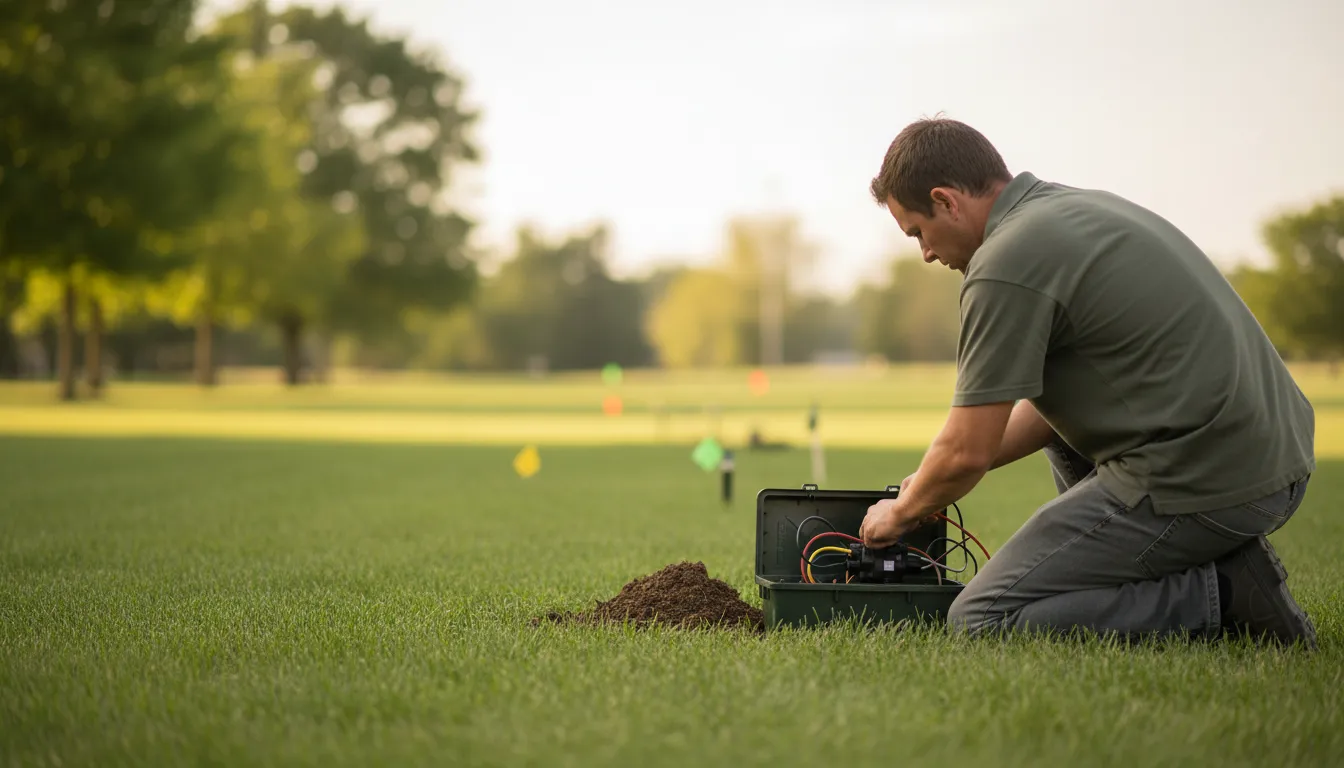
Carefree Lawn Sprinklers Inc.
22049 Howell Dr, New Lenox, IL 60451
Carefree Lawn Sprinklers Inc. is a lawn care and irrigation company serving Chicago, IL. They provide lawn fertilization, weed control, sprinkler installation and repair, lawn aeration, mosquito control, outdoor lighting installation, and pond treatments. With over 35 years of experience since 1987, they specialize in maintaining healthy lawns through expert irrigation system services and nutrient management. They also offer certified RPZ backflow device testing to ensure compliance and safety.
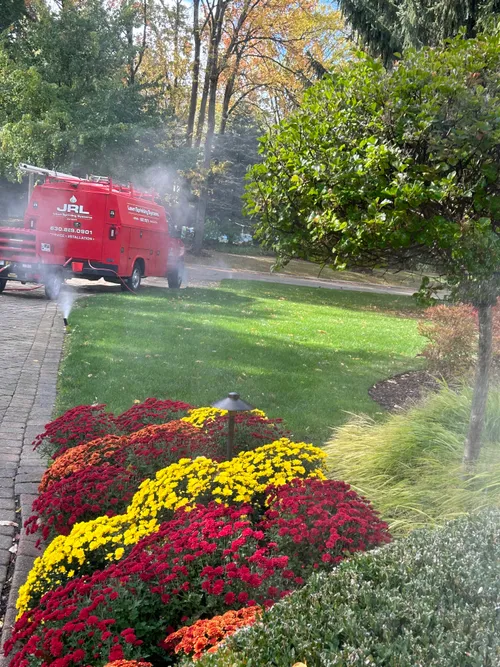
JRL Lawn Sprinkling Systems
Chicago, IL
JRL Lawn Sprinkling Systems has been designing and installing home irrigation systems in Chicago, IL since 1977. They specialize in sprinkler installation and repair, focusing on creating and maintaining lawn sprinkler systems with state-of-the-art equipment and professional staff. Their experience spans over four decades, serving the Chicagoland area with precise and reliable irrigation solutions.
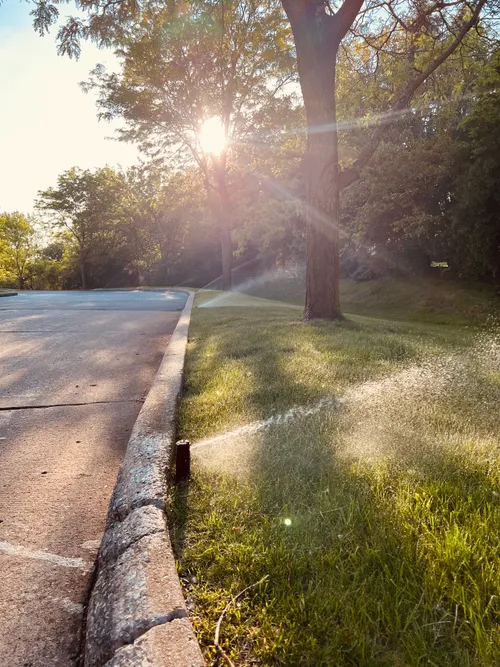
MBS Water Features
23050 LaGrange Rd, Frankfort, IL 60423
MBS Water Features provides sprinkler installation, sprinkler repair, and irrigation services in Chicago, IL. They handle both residential and commercial irrigation systems, offering comprehensive service from installation to maintenance. The company also specializes in installing fountains and aerators for ponds, with winter storage available in their heated shop.
Luxterra Outdoors
Chicago, IL
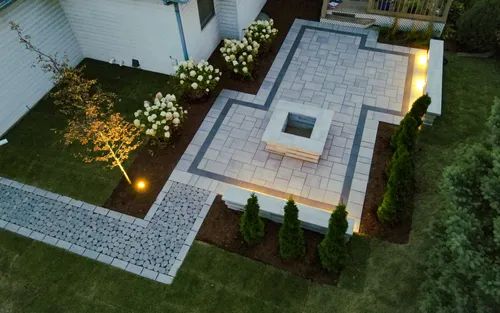
Luxterra Outdoors is a landscaping company based in Chicago, IL, specializing in landscape design, sod and artificial turf installation, fence installation, yard drainage, sprinkler systems, and hardscaping including pavers and retaining walls. They focus on residential projects, offering sustainable and low-maintenance outdoor spaces tailored to Chicago's unique climate and lot sizes. Their services include managing permits for features like retaining walls and grading, and they incorporate capabilities such as smart irrigation systems and durable materials suited for winter weather. Luxterra Outdoors emphasizes thoughtful design for small urban yards, pet-friendly spaces, and historic homes, combining creativity with practical solutions.
O'Brien Brothers Landscaping
2236 W Winona St, Chicago, IL 60625
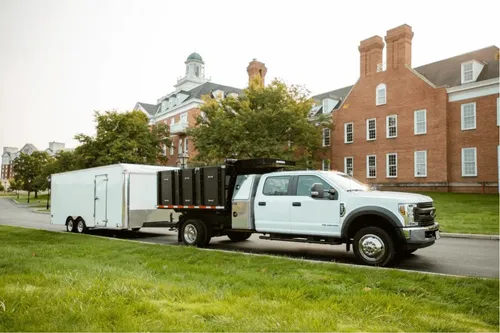
O'Brien Brothers Landscaping is a family-owned landscaping company serving homeowners in Chicago, IL. With over 20 years of experience, they offer a wide range of services including lawn maintenance, sod installation, fence and hardscape construction, tree removal, and sprinkler system installation. Their team focuses on creating and maintaining beautiful outdoor spaces with personalized designs and quality workmanship. They provide custom outdoor living solutions such as patios, walkways, and retaining walls, ensuring each project is tailored to the client's needs.
Understanding Your Irrigation System's Core Components
At its heart, a modern sprinkler system is a network of coordinated parts working together. Knowing what these are helps you communicate effectively with service providers and understand maintenance needs.
The controller is the brain of the operation. This programmable unit, often mounted in your garage or basement, sends signals to open and close valves according to your set schedule. Solenoid valves act as the muscle, controlling the flow of water to different sections, or zones, of your yard. A critical safety device, the backflow preventer, is installed where the irrigation system connects to your home's main water supply. It ensures contaminated water from your yard cannot flow back into your home's drinking water 1.
Water travels from the valves through a network of underground PVC pipes to the sprinkler heads. There are several types of heads, each for a specific purpose:
- Rotor heads rotate streams of water and are ideal for covering large, open lawn areas.
- Spray heads pop up and emit a fixed fan of water, perfect for smaller or irregularly shaped sections like garden beds.
- Drip irrigation uses emitters to deliver water slowly and directly to the root zones of individual plants, shrubs, or vegetable gardens, minimizing evaporation and runoff 2.
The Importance of Zoning and System Design
A one-size-fits-all approach doesn't work for watering. Effective irrigation systems in Hammond are divided into zones. Each zone groups together plants or turf with similar water needs and sun exposure. For example, a sunny front lawn would be on a different zone than a shaded bed of hostas or a vegetable garden.
Professional design focuses on achieving head-to-head coverage. This means the spray from one sprinkler head reaches the adjacent head, ensuring every square inch of the zone receives uniform water distribution without dry spots or wasteful overspray 3. The layout also considers water pressure and flow rate to select the correct nozzles and pipe sizes, ensuring the system operates efficiently.
Best Practices for Watering in Hammond's Climate
How and when you water is just as important as the system itself. Following regional guidelines promotes deep root growth and a resilient landscape while conserving our water resources.
For a healthy lawn in Northwest Indiana's climate, the goal is deep, infrequent watering. This encourages grass roots to grow downward in search of moisture, creating a drought-tolerant turf. Aim to water about 1-2 times per week, applying enough water to moisten the soil to a depth of 6-8 inches.
Timing is critical. The best window to run your sprinklers is between 4:00 AM and 10:00 AM 4. Watering during these cooler, less windy hours significantly reduces loss from evaporation and wind drift, allowing more water to penetrate the soil. It also gives grass blades time to dry before evening, which helps prevent fungal diseases.
The duration for each zone depends on the output of your sprinkler heads and local soil conditions. As a general rule, rotor heads may need to run for about 30 minutes per zone, while spray heads might only need 15-20 minutes to deliver the same amount of water 5. It's often beneficial to split the total runtime into multiple, shorter cycles (called cycle-and-soak) to prevent runoff on slopes or compacted soils 6.
Find the perfect sprinkler & irrigation companies for your needs
Get personalized recommendations and expert advice
Installation and Repair Considerations
Investing in a new irrigation system or fixing an existing one involves several steps, and costs can vary based on your property's specific characteristics.
A new installation typically involves a site assessment, detailed design, trenching for pipes, assembling the valve manifolds, placing sprinkler heads, connecting to the water source with a backflow preventer, and programming the controller. Costs are influenced by yard size, the number of zones, the type of heads used, and soil conditions. While national averages provide a benchmark, local factors in Hammond can cause pricing to range significantly, often estimated on a per-square-foot basis 7 8. For an accurate quote, it's essential to get estimates from local irrigation specialists.
Repairs are a normal part of system ownership. Common issues include clogged or broken sprinkler heads, malfunctioning solenoid valves (causing a zone to not turn on or off), leaks in pipes or at connections, and controller failures. The cost for repairs is highly variable, from a simple nozzle replacement to more extensive work like locating and fixing a broken lateral line. Due to this variability, obtaining a diagnostic visit and estimate from a local professional is the most reliable way to understand repair costs for your Hammond home 9.
Finding the Right Local Professional
Taking the step to install or service your system means finding a trusted expert. Start by clearly defining your needs-are you looking for a brand-new installation, a system audit, seasonal activation/winterization, or a specific repair?
Seek out licensed and insured contractors with specific experience in lawn irrigation and sprinkler systems. Look for companies that offer a comprehensive site evaluation and a detailed, written proposal that includes the design, component brands, and a clear cost breakdown. It's highly recommended to get quotes from 2-3 local professionals to compare approaches, equipment, and pricing 10. Ask about warranties on both labor and parts, and check online reviews or ask for local references in the Hammond area. A reputable provider will prioritize water efficiency and tailor the system to your landscape's unique needs.
Maintaining Your System for Long-Term Performance
Regular maintenance ensures your irrigation investment continues to pay off with a beautiful landscape and efficient water use.
- Seasonal Startup & Winterization: In Hammond, systems must be properly winterized in the fall to prevent freeze damage to pipes and valves. A professional blow-out service is standard. Spring startup involves checking for winter damage, activating zones, and adjusting controller schedules.
- Monthly Checks: Periodically run each zone and walk the property. Look for misaligned, clogged, or sunken heads, and check for dry spots or areas with excessive runoff.
- Controller Updates: Adjust your watering schedule seasonally-lawns need less water in the cool spring and fall than in the peak summer heat. Consider investing in a "smart" controller that uses local weather data to automatically adjust watering.
- Annual Tune-Up: Having a professional inspect the system annually can catch small issues like minor leaks, worn valves, or pressure problems before they lead to wasted water or costly damage.
By understanding these principles of sprinkler and irrigation systems, you can make informed decisions for your Hammond property, leading to a healthier landscape, significant water savings, and more free time to enjoy your outdoor space.
Frequently asked questions
Sources
Footnotes
-
The 5 essential components for an efficient irrigation system - rain.it - https://www.rain.it/en/magazine/5-essential-components-for-an-efficient-irrigation-system/ ↩
-
Selecting an Irrigation System - https://www.nrcs.usda.gov/sites/default/files/2022-09/stelprdb1167474-selecting-irrigation-system.pdf ↩
-
Easy, step-by-step, underground sprinkler system layout guide - https://images.thdstatic.com/catalog/pdfImages/a9/a9564496-8fb7-4141-8758-5f660a7a9310.pdf ↩
-
5 Watering Best Practices For A Healthy Lawn In Central Indiana - https://brooklawnservices.com/5-watering-best-practices-for-a-healthy-lawn-in-central-indiana/ ↩
-
How Long to Run a Sprinkler for 1 Inch of Water - Sod Solutions - https://sodsolutions.com/advanced-how-to/how-long-to-run-a-sprinkler-for-1-inch-of-water/ ↩
-
LAWN IRRIGATION GUIDE - USDA - https://www.nrcs.usda.gov/plantmaterials/idpmsbr5464.pdf ↩
-
Irrigation Systems 101: Choosing The Right System For Your ... - https://hittlelandscape.com/blog/irrigation-systems-101-choosing-the-right-system-for-your-landscape/ ↩
-
How Much Does a Sprinkler System Cost in 2026? - LawnStarter - https://www.lawnstarter.com/blog/cost/sprinkler-system-price/ ↩
-
New Irrigation System Installation & Maintenance: Everything You ... - https://www.rainmasterlawn.com/blog/new-irrigation-system-installation-maintenance-everything-need-to-know ↩
-
How to Plan Your Automatic Sprinkler System - https://www.rainbird.com/homeowners/blog/planning-an-irrigation-system ↩